Understanding canine reactivity and how it differs from aggression
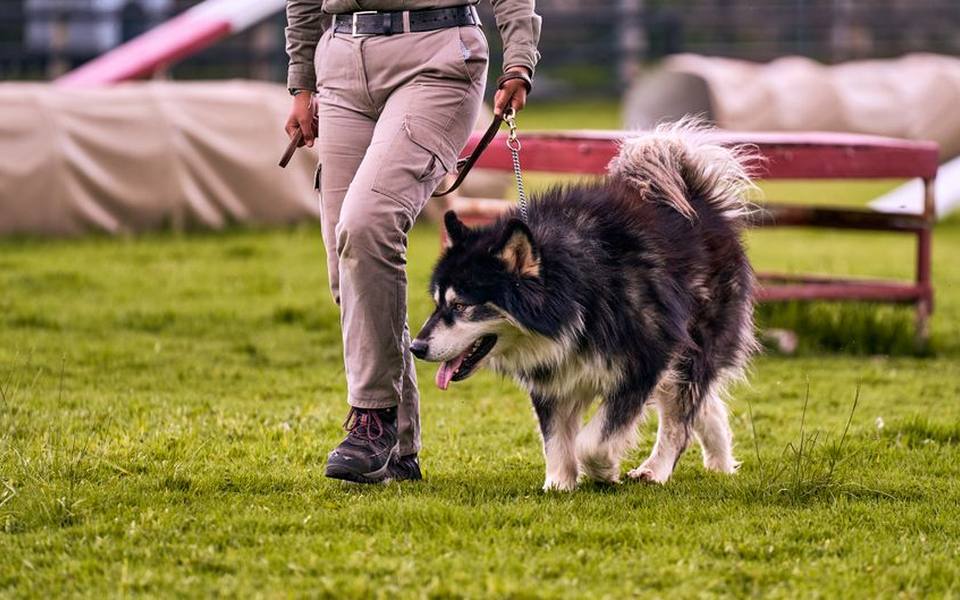
A reactive dog is one that responds to normal environmental stimuli with an exaggerated emotional response, often appearing as barking, lunging, whining, or pulling hard on the leash. While reactivity can look frightening, it is fundamentally different from innate aggression. Most reactive canines act out of underlying fear, barrier frustration, or sensory overload rather than a genuine desire to harm another animal or human. The leash frequently intensifies this dynamic because it prevents the animal from choosing flight over fight.
When an animal feels trapped or restricted by walking gear, its natural instinct to increase distance from an approaching trigger is blocked. As a result, the dog adopts a loud display to drive the perceived threat away before any confrontation occurs. In other situations, high-energy pups experience barrier frustration because they desperately want to greet another canine but cannot reach them. Distinguishing between fear-based displays and social frustration is the primary step in designing an effective training and management plan.
Reactivity is not a fixed character flaw or a life sentence for your companion. It represents a communication breakdown that typically worsens without structured intervention and careful threshold management. Understanding the neurobiology behind this behavior helps owners replace embarrassment with empathy. When a dog tips over their stress threshold, their thinking brain effectively goes offline, and reflexive survival circuits take over until the perceived pressure subsides.
Common triggers and physiological warning signs to watch for
Every reactive dog has a distinct set of environmental triggers that reliably prompt an intense physiological reaction. Common catalysts include unfamiliar leashed dogs, fast-moving bicycles, runners, delivery trucks, skateboards, or people wearing bulky coats and hats. Some pets only react to specific breeds, intact males, or canines that make direct, unblinking eye contact across a narrow walkway. Recognizing what sets off your pet allows you to plan walking routes that minimize surprise encounters.

Before an outward explosion of barking or lunging occurs, dogs communicate their rising stress through subtle physiological changes. Early indicators often include a sudden freezing of body posture, a stiff tail held rigid over the back, hard staring, and rapid lip-licking. You might also notice shallow panting, furrowed brows, or whale eye, where the white portion of the eye becomes clearly visible. These micro-signals indicate that cortisol and adrenaline are surging through the animal's bloodstream.
Catching these early signals gives you precious seconds to redirect your dog before they lose emotional control. Once an animal reaches full arousal, giving commands is rarely effective because panic impairs auditory processing. By learning your dog's subtle tells, you can step in while they are still capable of disengaging. Walking in low-density neighborhoods during quiet hours helps you study these baseline shifts without constant interruptions from unpredictable foot traffic.
Managing leash reactivity and establishing safe threshold distance
Managing leash reactivity requires identifying your dog's critical threshold, which is the physical distance at which they can observe a trigger without reacting. For some pets, that distance is twenty feet across a standard residential street; for others, it might be the length of an entire football field. Working under threshold keeps your dog's nervous system calm enough to process information and accept reinforcement. Pushing too close too quickly reinforces the panic cycle and delays progress.
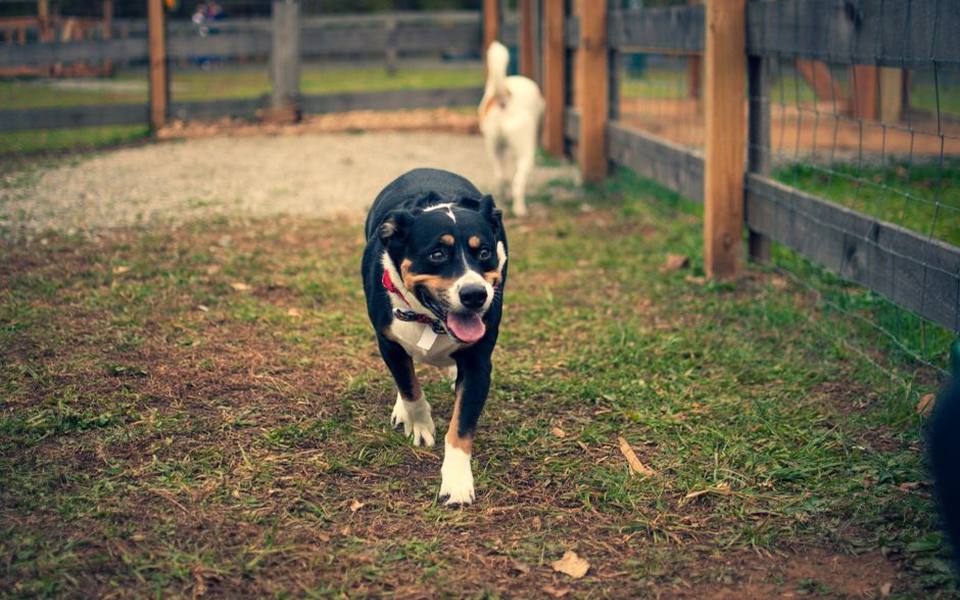
When an unavoidable trigger appears nearby, having practical emergency exit maneuvers can prevent an escalation. Teaching a rapid about-turn on cue allows you to pivot smoothly and walk in the opposite direction before your pet locks on. Scattering high-value treats into the grass creates an instant foraging game that lowers head carriage and encourages natural sniffing, which physiologically slows down heart rate. Utilizing parked vehicles, hedges, or street corners as visual barriers also breaks direct eye contact.
Proper walking equipment makes a significant difference in both physical safety and communication. Front-attaching harnesses offer mechanical leverage without placing harmful pressure against the trachea or neck tissues. Gentle guidance through a wide, flat harness prevents injury if an unexpected lunge occurs, whereas choke chains or prong collars tend to create negative associations by pairing the sight of another dog with acute physical discomfort.
Selecting suitable outdoor spaces and off-leash play areas
Determining where to exercise a sensitive dog requires balancing physical energy needs with psychological comfort. Traditional open dog runs with high turnover can be chaotic and overwhelming for dogs that struggle with greeting manners or spatial sensitivity. However, when properly vetted, dedicated community spaces provide necessary enrichment. For owners exploring local off-leash zones, directories like the dog park catalog help pinpoint suitable venues across more than 1,683 listings in top states.
If you are seeking low-distraction environments, seeking out Fenced Dog Parks with double-gated entries ensures your dog cannot bolt if startled by a remote trigger. Secure boundaries allow you to scan the perimeter before unhooking the leash, giving you total control over the environment. Visiting during early morning hours or rainy afternoons often means enjoying an entire fenced field without another animal present, creating an ideal setting for recall training.
For owners in regions with extreme weather or urban density, finding climate-controlled exercise can be tricky. Some cities provide specialized Indoor Dog Parks that manage capacity through pre-booked sessions, which eliminates the chaos of unpredictable pack dynamics. Evaluating park layouts in advance prevents setting your companion up for failure, especially if you are traveling through high-traffic destinations like Dog Parks in California where public spaces fill up quickly on weekends.
Kennel cough, throat irritation, and persistent respiratory symptoms
If your dog begins hacking or making choking noises after visiting communal spaces, respiratory infection or physical irritation could be the underlying reason. A dry, hacking cough that sounds like a goose honk often indicates infectious tracheobronchitis, commonly known as kennel cough. This airborne ailment spreads readily through shared water troughs, nose-to-nose contact through wire fences, and enclosed daycares. While typically mild, it causes significant airway inflammation that requires rest and veterinary evaluation.
Physical gear can also cause coughing fits, especially in reactive canines that pull violently toward triggers. Sustained pressure from a standard neck collar compresses the windpipe and larynx, leading to acute tracheal bruising or even chronic collapse in toy breeds. If your dog only hacks during or immediately following walks, switching to a chest-distributing harness often resolves the problem. Persistent coughing accompanied by lethargy, nasal discharge, or breathing distress warrants immediate professional medical care to rule out pneumonia or cardiac issues.
Allergies and environmental particulates represent another source of airway irritation during outdoor romps. Dogs running through dry brush, dusty public runs, or freshly mowed grass can inhale airborne spores and pollen that trigger upper respiratory inflammation. Monitoring when the coughing spells occur—whether during rest, exercise, or after drinking water—gives your veterinarian valuable clues. Resting the airways for several weeks prevents minor tracheal inflammation from turning into a stubborn, lingering condition.
Over-the-counter flea and tick prevention options for active dogs
Maintaining regular parasite protection is essential for canines that spend time in nature preserves, tall fields, and public parks. Fleas cause allergic dermatitis and tapeworms, while ticks transmit debilitating conditions like Lyme disease and anaplasmosis. Fortunately, pet owners can choose from several non-prescription flea treatments that do not require an upfront veterinary visit. Over-the-counter topical spot-ons remain among the most widely used methods due to their accessibility and proven track record.
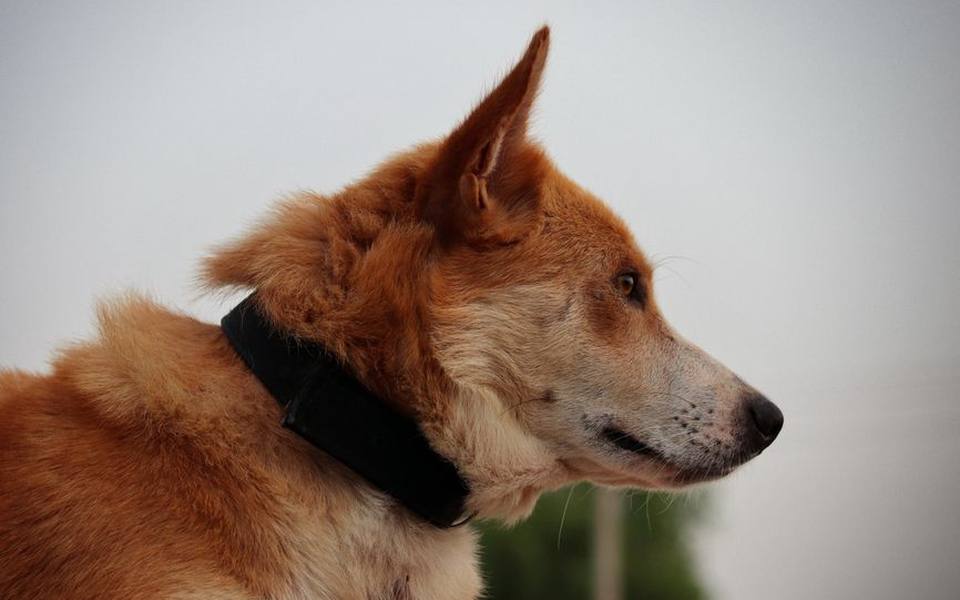
Topical drops are applied directly to the skin along the shoulder blades and back, spreading across the body through natural sebaceous oils within a day or two. When selecting an over-the-counter flea and tick medicine, look for formulas containing adulticides like fipronil or imidacloprid paired with insect growth regulators such as pyriproxyfen or s-methoprene. These dual-action solutions kill adult biting pests while preventing flea eggs and larvae from maturing into a persistent household infestation.
Sustained-release antiparasitic collars offer another convenient, non-prescription alternative for long-term outdoor defense. Modern high-grade collars utilize continuous polymer matrices to disperse active ingredients across the coat over several months, making them economical for multi-dog households. Regardless of which over-the-counter preventive you choose, always check package weight brackets carefully; under-dosing leaves your pet vulnerable, while applying products designed for larger animals can trigger accidental toxicity.
Using medicated flea and tick shampoos for rapid relief
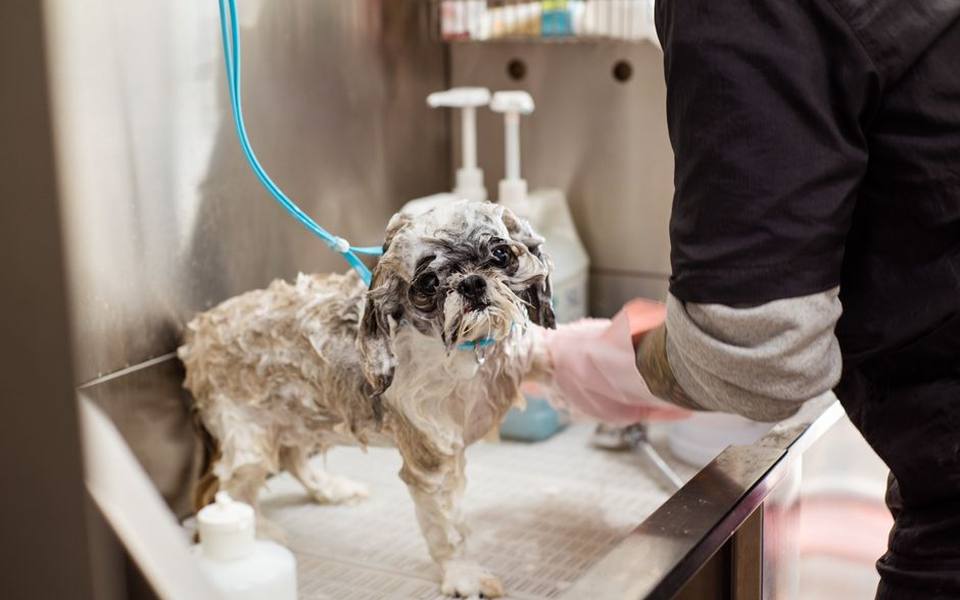
When you discover live parasites crawling across your dog's skin after an outdoor hike, topical drops take too long to provide immediate comfort. A targeted flea and tick shampoo works as a rapid contact-kill treatment, swiftly knocking down adult insects hiding within the undercoat. These washes are especially useful after visiting heavily wooded spaces, overgrown meadows, or dog parks surrounded by dense underbrush where parasites thrive during warm months.
To get the full therapeutic benefit from any antiparasitic wash, proper technique is essential. Begin by lathering a ring around the dog's neck before wetting the rest of the body; this prevents fleeing pests from migrating upward toward the ears and face. The lather must typically remain on the skin for five to ten minutes before thorough rinsing to ensure the active agents penetrate the parasite exoskeletons. Rinsing too quickly leaves surviving insects behind.
It is important to remember that flea shampoos provide virtually zero residual protection once rinsed off the coat. While they clear out an active infestation on the dog today, they will not stop newly hatched fleas in the carpet or questing ticks along the trail tomorrow. For comprehensive care, integrate a flea shampoo as an acute knockdown tool alongside a sustained over-the-counter preventive spot-on or collar, waiting a couple of days between bathing and applying topical oils.
Adolescent development and managing a female puppy's heat cycle
Behavioral shifts in adolescent dogs are frequently linked to physical development and reproductive maturity. A female puppy typically experiences her first heat cycle between six and twelve months of age, though the timing depends heavily on breed size. Toy breeds may mature as early as five months, whereas giant breeds might not enter their initial cycle until eighteen to twenty-four months. Recognizing when this transition starts prevents unwanted pregnancies and explains sudden behavioral changes.
The heat cycle begins with the proestrus phase, characterized by swelling of the vulva and noticeable bloody discharge. During this initial stage, which typically lasts around nine days, the female attracts intact males but will firmly reject their advances. As the cycle progresses into estrus, the discharge turns into a straw-colored fluid, and the female becomes receptive to mating. The entire reproductive event usually lasts three to four weeks from start to finish.
Hormonal surges during this developmental stage frequently elevate reactive tendencies, making young females unusually anxious, irritable, or territorial on walks. Under no circumstances should a female in season be brought to communal dog parks or shared outdoor play spaces. Her scent can cause severe tension, agitation, and fighting among other dogs from hundreds of yards away. Confine her to a private yard or quiet leash walks in low-traffic neighborhoods until her cycle completely concludes.
Building confidence through decompression walks and sensory enrichment
High-energy reactive dogs often exist in a state of chronic nervous arousal, where minor daily stresses accumulate without an opportunity for release. Incorporating decompression walks into their weekly schedule helps reset baseline stress hormones. A decompression walk is an unstructured outing in a wide, natural environment where the dog is free to wander, sniff, and explore on a fifteen-to-thirty-foot long line without the constant pressure of tight leash handling or city encounters.

Sniffing is a biological necessity that fundamentally alters a dog's emotional state. Scent work stimulates the canine olfactory cortex, engaging cognitive processing power that naturally lowers respiratory rates and reduces pulse speed. Rather than marching briskly down a crowded suburban sidewalk, spending forty-five minutes letting your pet inspect fallen logs, tall grass, and quiet woodland paths allows them to decompress mentally while expending healthy physical energy.
You can supplement open-field outings by creating scent-based puzzles at home on days when outdoor triggers are too prevalent. Snuffle mats, treat-stuffed rubber toys, and cardboard shredding boxes give your dog productive outlets for mental focus. Providing enrichment that meets their instinctual foraging drives helps offset the restrictions required to manage their reactivity in public, resulting in a calmer, more resilient household companion.
Long-term training strategies and when to seek professional help
Helping a reactive dog requires consistency, patience, and a commitment to positive reinforcement protocols. Desensitization and counter-conditioning remain the gold standards for changing a dog's emotional outlook. Desensitization involves exposing the animal to a trigger at a tiny, non-threatening intensity, while counter-conditioning pairs that sight with something extraordinary, like bits of roasted chicken. Over dozens of repetitions, the sight of an approaching dog transforms from a panic cue into a reliable predictor of good things.
Avoid using aversive tools like shock collars, shake cans, or leash jerks to silence reactivity. While physical corrections might temporarily suppress outward barking through intimidation, they do not resolve the internal fear driving the outburst. In fact, punishing a growl or a bark often backfires by teaching the dog that triggers predict pain, which frequently leads to sudden bites without warning later on when the animal can no longer endure the pressure.
If you feel overwhelmed or your dog's reactions pose a safety risk to handlers or passersby, consult a qualified, credentialed behavior professional. Look for certified trainers who emphasize humane, science-based methodologies and hold credentials from reputable behavior associations. An experienced professional can assess your handling mechanics, structure a tailored desensitization hierarchy, and help you regain peace of mind during your daily neighborhood walks.
Published 2026-09-20 · reviewed with each rebuild, last September 2026.
Find dog parks near you
The directory lists 2,936 dog parks by state and city — pick your state or use the “Near me” button in the header.
More guides
-
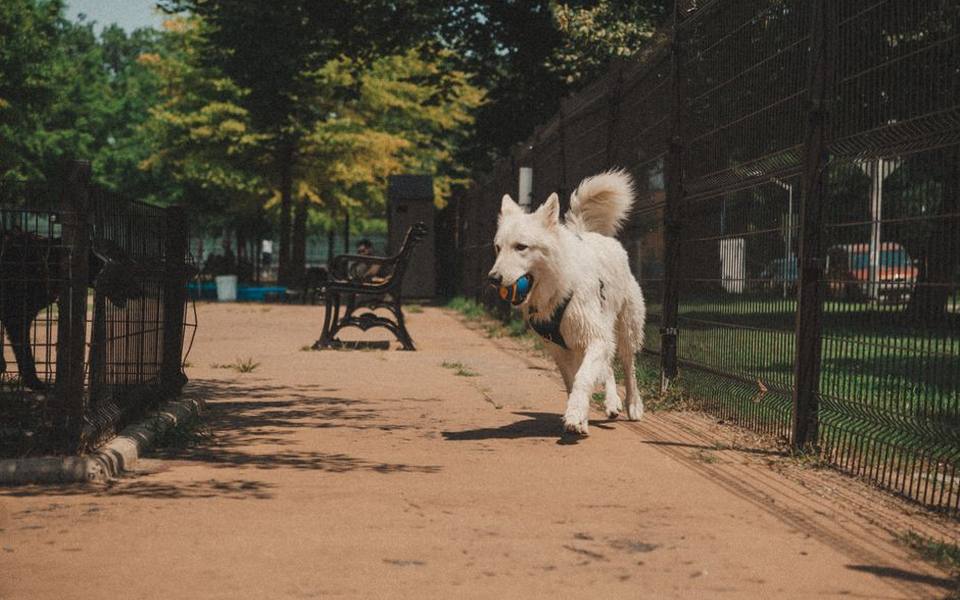 Owning
How to Find and Choose the Best Off-Leash Dog Parks
-
 Owning
What Is a Dog Run? Materials, Design, and Setup Guide
-
 Safety
Taking Your Dog Swimming: Safe Water Spots, Beach Rules, and Health Risks
-
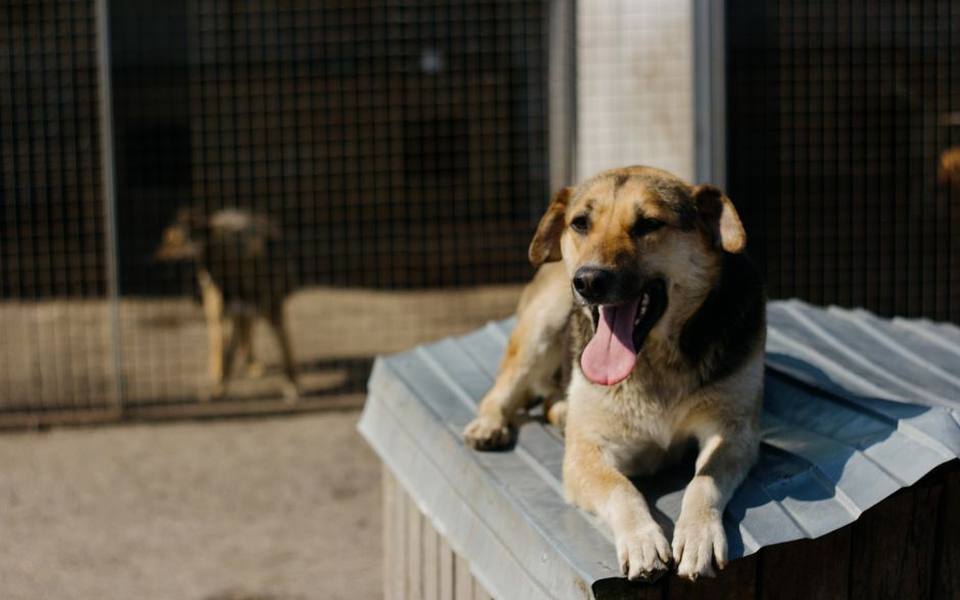 Service
How Much Does Dog Boarding Cost? A Clear Guide to Kennel Rates
-
 Owning
Dog Training Costs, Obedience Classes, and Essential Health Guidelines
-
 Owning
A Practical Guide to Pet Adoption, Surrender Realities, and Essential Daily Care
-
 Safety
How to Safely Exercise and Run with Your Dog: Essential Gear and Conditioning Tips
-
 Safety
Comprehensive Guide to Dog Flea and Tick Treatments: Oral, Topical, and Natural Solutions
-
 Safety
Kennel Cough in Dogs: Symptoms, Home Remedies, and Prescription Treatments
-
 Owning
A Complete Practical Guide to Dog Beaches: Top Coastal Spots and Beach Safety
-
 Owning
Dog Car Seat Covers and Hammocks: Choosing the Best Vehicle Protection
-
 Owning
Understanding the Canine Heat Cycle: Phases, Physical Symptoms, and Female Care
-
 Owning
Essential Dog Hiking Gear: Backpacks, Hands-Free Leashes, and First Aid Kits
-
 Owning
Dog Agility Courses, Private Park Rentals, and Training Facilities: How to Choose the Right Space
-
 Service
Self-Service Dog Wash Stations: Equipment, Costs, and Practical Guide
-
 Buying
Automatic and Manual Dog Ball Launchers: How to Choose the Right Setup for Your Dog
-
 Safety
Complete Guide to Dog Flea and Tick Medications: Chews, Topicals, and Treatments
-
 Safety
Natural Flea and Tick Remedies for Dogs: Practical Home Solutions and Safe Use
-
 Safety
Safe Flea and Parasite Treatments for Puppies Under 12 Weeks
-
 Owning
Dog Poop Bags, Dispensers, and Leash Gear for Everyday Walks
-
 Owning
Ultimate Guide to Finding and Visiting Dog Parks and Dog-Friendly Beaches
-
 Safety
Dog Flea and Tick Guide: Comparing Chews, Topicals, Shampoos, and Injections
-
 Owning
A Homeowner's Guide to Backyard Dog Runs, Enclosures, and Exercise Treadmills
-
 Owning
A Complete Guide to Hiking, Camping, and Outdoor Adventures With Dogs
-
 Owning
Dog Health Guide: Giardia Symptoms, Canine Coughs, and Female Heat Cycles
-
 Safety
Understanding Dog Reactivity and Resource Guarding: Training Methods, Daily Management, and Gear
-
 Buying
Dog Car Seat Covers, Hammocks, and Travel Gear: A Practical Buyer's Guide
-
 Buying
Choosing the Right Automatic Ball Launcher and Backyard Play Gear for Active Dogs
-
 Owning
Self-Serve Dog Wash Stations, Towels, and Waste Management
-
 Safety
Complete Dog Flea and Tick Prevention Guide: Chews, Topicals, and Treatments
-
 Owning
Dog Friendly Beaches, Parks, and Travel Destination Guide
-
 Safety
Essential Outdoor Dog Gear: Harnesses, Life Vests, Hot Pavement Boots, and Bags
-
 Safety
Dog Park Safety Guide: Rules, Aggression, First Aid, and Kennel Cough Symptoms
-
 Safety
Comprehensive Guide to Dog and Cat Flea, Tick, and Heartworm Medications
-
 Owning
Designing Home Dog Runs, Agility Courses, and Backyard Play Equipment
-
 Owning
Choosing the Best Car Seat Covers, Hammocks, and Backseat Protectors for Dogs
-
 Buying
Dog Ball Launchers and Automatic Throwers: Selection, Sizing, and Field Guide
-
 Safety
Dog-Safe Yard Care: Pet-Friendly Lawn Fertilizers and Pest Sprays
-
 Owning
Dog Heat Cycles: Symptoms, Duration, and Care During Estrus