The Foundations of Park Etiquette and Common Rules
Staying safe at any communal dog run begins before you even unlatch the perimeter gate. While specific guidelines vary by county or municipality, posted dog rules typically require all visiting pets to be current on core vaccinations, licensed, and spayed or neutered once they reach maturity. Most facilities explicitly prohibit food, raw hides, and glass containers inside the enclosure, as edible high-value items frequently trigger possessive guarding and unprovoked squabbles between dogs that would otherwise socialize without issue.
A critical element of proper dog park etiquette involves navigating the double-gated airlock entry correctly. Never open both gates at the same time, and always pause inside the transition vestibule to remove your pet's leash before opening the inner gate. Bringing a leashed animal directly into an off-leash pack alters pack dynamics instantly, putting the restricted animal at a defensive disadvantage while attracting an overwhelming wave of curious greeters.
Active supervision remains the handler's non-negotiable responsibility from entry to exit. Far too many pet parents treat municipal enclosures as self-contained doggie daycare centers, sitting on perimeter benches to scroll through phones or chat with neighbors. You should move continuously around the grounds, tracking your companion's body language, monitoring the proximity of unfamiliar canines, and ensuring your dog does not persistently crowd, harass, or corner timid visitors.
Reading Canine Body Language Before Tension Escalates
Canine altercations rarely erupt out of nowhere; dogs broadcast their emotional state through subtle shifts in posture long before an audible growl occurs. Early signs of dog aggression include sudden body freezing, a rigid neck, ears pinned flat or pinned forward into an alert prick, and a stiff tail held straight up while vibrating with nervous energy. When you observe two animals locking direct eye contact with their mouths clamped tightly shut, play has stopped and defensive posturing has begun.

Another telltale indicator of mounting pressure is the presentation of whites around the eyes, commonly referred to as whale eye, accompanied by lip licking or nervous yawns in the absence of tiredness. If an interaction features dynamic role reversal—where one dog chases, then rolls over to let the other take a turn—play remains balanced. Conversely, if one animal repeatedly pins, mounts, or drives another into fences or corners without pause, the encounter has crossed into bullying.
Intervening at the very first moment posture shifts preserves harmony and keeps interactions positive. Calling your dog away the instant you notice prolonged stalking, raised hackles along the spine, or uncomfortable body tension prevents high-strung standoffs from cascading into expensive vet visits. Developing a reliable emergency recall enables you to disrupt tense situations quietly without needing to lunge into the center of an unsettled group.
Why On-Leash Dogs Struggle in Off-Leash Spaces
Leash reactivity is one of the most widespread behavioral hurdles handlers encounter in neighborhood green spaces. When a dog is tethered, its natural evolutionary choices in response to pressure—fight or flight—are immediately cut in half. Because the leash removes the option to create distance through flight, a sensitive or nervous pet often feels entirely trapped, leading it to display defensive barking, lunging, and vocal snarling to force approaching canines to back off.
This dynamic becomes acutely volatile when an owner keeps their pet on a six-foot lead inside a designated off-leash run. Roaming dogs perceive the restrained animal's stiff, forward-leaning posture as an intentional threat rather than mechanical restriction. Meanwhile, the tethered dog feels vulnerable as unfamiliar animals swarm its personal space, which regularly triggers intense episodes of leash aggression that would not happen if the pet had the freedom to move away naturally.
If you are using public parks across the country to exercise your pet, avoiding leash-restricted friction is essential. When approaching a fully fenced off-leash area, spend several minutes assessing the energy level inside before crossing the threshold. If the run contains hyperactive dogs waiting at the entry gate, wait at a distance until the pack disperses across the field, allowing your dog to enter without facing immediate, claustrophobic pressure.
Practical Training Approaches for Leash-Related Frustration
Resolving tension on the lead requires consistent, patient leash aggression dog training well away from crowded park entrances. The approach centers on counter-conditioning and desensitization, teaching your companion that the sight of other canines predicts positive rewards rather than defensive stress. Begin at a distance where your pet can spot unfamiliar dogs without barking or pulling, rewarding eye contact with high-value treats every time they choose to look back at you.
Handlers must also address their own unconscious tension during casual walks and park arrivals. When owners anticipate trouble, they naturally shorten their grip and tighten the leash, transmitting mechanical anxiety straight down the lead to the dog's neck or harness. This physical tension signals to the dog that an active threat is near, exacerbating the animal's urge to lunge defensively before the approaching dog gets close.
Gradually closing the distance requires weeks of consistent practice across diverse walking environments. If your dog begins reacting, you have pushed past their comfort threshold and should calmly increase separation distance without scolding. Building emotional regulation on daily neighborhood strolls prepares your pet to handle the intense sensory stimulation found at busy municipal parks without defaulting to frustrated outbursts.
Assembling an Essential Field First Aid Kit
Every prepared pet parent should carry a dedicated dog 1st aid kit in their vehicle or day pack whenever visiting recreational areas. Communal parks feature sharp chain-link ties, hidden gravel, thorny vegetation, and splintered agility equipment that can cause sudden lacerations. Having veterinary-grade supplies immediately accessible saves precious minutes, allowing you to stabilize an injured animal before transporting them to an emergency clinic.
A practical kit should include sterile saline solution for flushing debris out of eyes and punctures, self-adhering cohesive bandage wraps, sterile gauze pads, blunt-ended medical shears, and medical adhesive tape. You should also pack antiseptic wipes, tweezers for removing wood splinters or embedded ticks, styptic powder to stop bleeding from torn dewclaws, and a digital rectal thermometer with water-soluble lubricating jelly.
In addition to mechanical supplies, carry protective barriers such as disposable nitrile gloves and a soft basket muzzle. Even the gentlest, sweetest family pet may bite reflexively when experiencing severe acute pain from a fractured bone or deep muscle tear. Securing the muzzle gently before administering dog first aid protects the handler and ensures field treatment can be performed without unnecessary panic or physical struggle.
Immediate Response to Common Field Injuries
Torn paw pads and superficial skin tears represent the vast majority of injuries sustained on public turf and decomposed granite runs. When performing emergency 1st aid for dogs on a bleeding paw, your initial priority is flushing away dirt and foreign particles using copious amounts of sterile saline or clean drinking water. Avoid pouring stinging hydrogen peroxide or rubbing alcohol directly into open cuts, as these harsh chemicals damage healthy tissue and prolong healing.
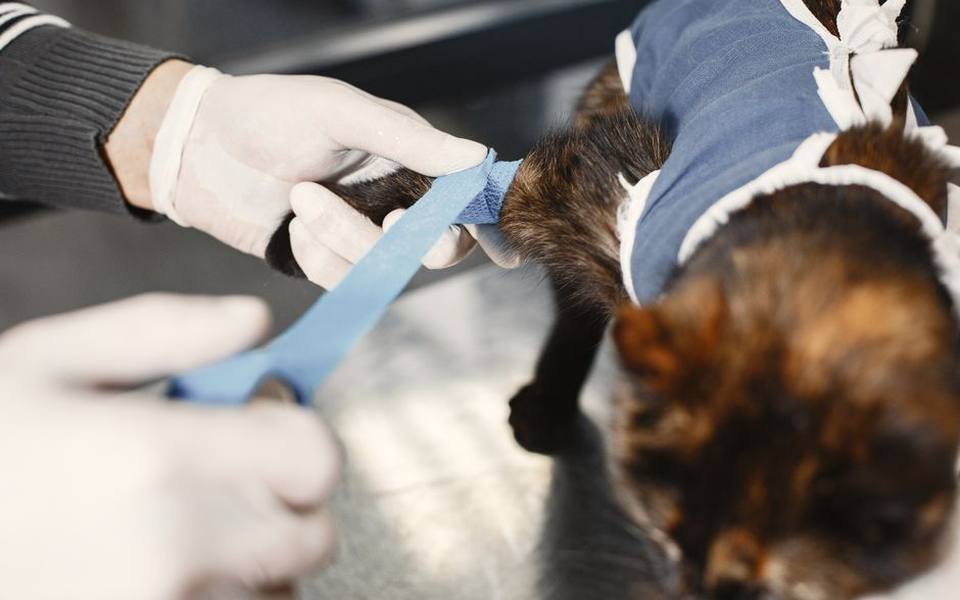
Once the injury is clean, place a sterile gauze pad directly over the laceration and wrap the limb smoothly with cohesive flexible bandage material. Ensure the wrap is snug enough to hold pressure without cutting off circulation to the lower digits; you should easily slide one finger beneath the finished bandage edge. Check that the toes remain warm to the touch and that swelling does not develop above or below the dressing during transit.
For sudden muscular sprains or traumatic limping, avoid administering human pain medications like ibuprofen, naproxen, or acetaminophen, which are highly toxic to canines and can cause acute kidney failure or fatal gastric ulcers. Instead, minimize movement immediately, carry or gently support your dog to the car, and apply an ice pack wrapped in a hand towel to the swollen joint for ten to fifteen minutes while heading to the vet.
Separating Canine Altercations Safely
When an unexpected fight erupts, human instinct often urges owners to plunge their bare hands straight into the middle of the melee to grab collars. This almost invariably leads to severe redirection bites, as fighting animals bite blindly at whatever touches them. The safest mechanical method for breaking up two combative dogs without tools is the wheelbarrow technique, requiring both owners to act in coordination.
Each handler approaches from behind, firmly grasps their dog's hind legs right above the hocks, and lifts the rear end off the ground like a wheelbarrow. Walking backward slowly forces the dog to step forward with its front paws to maintain balance, taking away leverage and driving power. Once the dogs are disengaged, turn your body in a broad circle so the dog cannot whip around to bite your hands, guiding the animal straight into an airlock gate or behind a physical barrier.
If you are alone when an altercation occurs, try using environmental barriers or non-contact disruptors rather than physical force. Emptying a full water bottle over the faces of the fighting animals, tossing a heavy coat over their heads, or sliding a flat picnic bench or trash can between them breaks intense focus long enough for you to regain control. Once separated, inspect both animals thoroughly for hidden punctures beneath the coat before departing.
Recognizing Respiratory Illness and Kennel Cough
Communal green spaces are frequent vectors for airborne pathogens, most notably canine infectious respiratory disease complex. If your dog have cough symptoms within several days of visiting a busy recreation area, temporary isolation is critical to avoid spreading infection across your local neighborhood. The condition, broadly known as kennel cough, spreads through microscopic droplets released when sick animals bark, sneeze, or breathe near others.
Recognizing common canine bordetella symptoms early helps you seek prompt veterinary guidance before complications arise. The most distinct sign is a harsh, dry, hacking cough that sounds eerily like a goose honking, frequently accompanied by retching or gagging at the end of a coughing fit. Some pets also produce a foamy, white mucus discharge around the mouth that owners frequently mistake for a bone or stick lodged deep in the throat.
While mild cases resolve on their own with rest, humidified air, and supportive care, vulnerable animals can develop secondary bacterial pneumonia. Monitor your pet closely for lethargy, loss of appetite, rapid shallow breathing, or green nasal discharge. If your dog has a cough paired with a persistent fever or refusal to drink, contact your veterinary hospital immediately for targeted antibiotics or prescription cough suppressants.
Water Station Hygiene and Community Spread
Shared water infrastructure inside municipal parks is a primary hotbed for microbial transmission, ranging from Bordetella bacteria to intestinal parasites like Giardia and Coccidia. Communal plastic bowls often sit in direct sunlight, accumulating muddy drool, decaying leaves, and microscopic cysts. Bringing your own collapsible silicone bowl and fresh municipal tap water from home eliminates this direct pathway for contagion entirely.

Natural retention ponds, drainage ditches, and muddy wallows present even higher biological hazards for active pets. Dogs splashing through stagnant standing water frequently ingest Giardia trophozoites or contract leptospirosis, a severe bacterial disease passed through the urine of local wildlife and rodents. If you prefer aquatic outings, choose dedicated dog parks with water features that utilize chlorinated or actively recirculated, filtered plumbing systems.
Routine sanitation practices protect the entire visiting community. Always clean up after your pet immediately using durable waste bags, as intestinal worm eggs linger in park soil for months after visible waste disintegrates. If your companion has exhibited any diarrhea, coughing, or eye discharge, observe a voluntary quarantine for at least ten to fourteen days after symptoms disappear to prevent passing pathogens to neighborhood friends.
Selecting the Right Environment for Your Dog
Not every canine thrives in the bustling, unpredictable atmosphere of an open municipal run. Highly sensitive, reactive, or geriatric pets often find standard parks overwhelming, turning what should be exercise into chronic stress. Evaluating your dog's unique temperament honestly allows you to select recreational setups that provide physical activity without subjecting your pet to overwhelming social pressure.
For owners living in regions with severe winters or intense summer heat, climate-controlled alternatives offer safe physical enrichment. Visiting managed indoor dog parks ensures your dog plays on sanitized, slip-resistant flooring under the supervision of trained facility staff who screen vaccinations and monitor behavior. These private venues typically enforce strict capacity caps, minimizing the chaotic packing behavior seen at free public facilities.
Whether you are exploring local green spaces or traveling across states, finding vetted destinations through The Dog Park Atlas helps you locate appropriate facilities tailored to your companion's needs. Choosing smaller, quiet runs during off-peak morning hours lets you build social confidence steadily while keeping recreational outings safe, engaging, and restorative for both end of the leash.
Published 2026-09-20 · reviewed with each rebuild, last September 2026.
Find dog parks near you
The directory lists 2,936 dog parks by state and city — pick your state or use the “Near me” button in the header.
More guides
-
 Owning
How to Find and Choose the Best Off-Leash Dog Parks
-
 Owning
What Is a Dog Run? Materials, Design, and Setup Guide
-
 Safety
Taking Your Dog Swimming: Safe Water Spots, Beach Rules, and Health Risks
-
 Service
How Much Does Dog Boarding Cost? A Clear Guide to Kennel Rates
-
 Owning
Dog Training Costs, Obedience Classes, and Essential Health Guidelines
-
 Owning
What Is a Reactive Dog? Signs, Triggers, and Management Guide
-
 Owning
A Practical Guide to Pet Adoption, Surrender Realities, and Essential Daily Care
-
 Safety
How to Safely Exercise and Run with Your Dog: Essential Gear and Conditioning Tips
-
 Safety
Comprehensive Guide to Dog Flea and Tick Treatments: Oral, Topical, and Natural Solutions
-
 Safety
Kennel Cough in Dogs: Symptoms, Home Remedies, and Prescription Treatments
-
 Owning
A Complete Practical Guide to Dog Beaches: Top Coastal Spots and Beach Safety
-
 Owning
Dog Car Seat Covers and Hammocks: Choosing the Best Vehicle Protection
-
 Owning
Understanding the Canine Heat Cycle: Phases, Physical Symptoms, and Female Care
-
 Owning
Essential Dog Hiking Gear: Backpacks, Hands-Free Leashes, and First Aid Kits
-
 Owning
Dog Agility Courses, Private Park Rentals, and Training Facilities: How to Choose the Right Space
-
 Service
Self-Service Dog Wash Stations: Equipment, Costs, and Practical Guide
-
 Buying
Automatic and Manual Dog Ball Launchers: How to Choose the Right Setup for Your Dog
-
 Safety
Complete Guide to Dog Flea and Tick Medications: Chews, Topicals, and Treatments
-
 Safety
Natural Flea and Tick Remedies for Dogs: Practical Home Solutions and Safe Use
-
 Safety
Safe Flea and Parasite Treatments for Puppies Under 12 Weeks
-
 Owning
Dog Poop Bags, Dispensers, and Leash Gear for Everyday Walks
-
 Owning
Ultimate Guide to Finding and Visiting Dog Parks and Dog-Friendly Beaches
-
 Safety
Dog Flea and Tick Guide: Comparing Chews, Topicals, Shampoos, and Injections
-
 Owning
A Homeowner's Guide to Backyard Dog Runs, Enclosures, and Exercise Treadmills
-
 Owning
A Complete Guide to Hiking, Camping, and Outdoor Adventures With Dogs
-
 Owning
Dog Health Guide: Giardia Symptoms, Canine Coughs, and Female Heat Cycles
-
 Safety
Understanding Dog Reactivity and Resource Guarding: Training Methods, Daily Management, and Gear
-
 Buying
Dog Car Seat Covers, Hammocks, and Travel Gear: A Practical Buyer's Guide
-
 Buying
Choosing the Right Automatic Ball Launcher and Backyard Play Gear for Active Dogs
-
 Owning
Self-Serve Dog Wash Stations, Towels, and Waste Management
-
 Safety
Complete Dog Flea and Tick Prevention Guide: Chews, Topicals, and Treatments
-
 Owning
Dog Friendly Beaches, Parks, and Travel Destination Guide
-
 Safety
Essential Outdoor Dog Gear: Harnesses, Life Vests, Hot Pavement Boots, and Bags
-
 Safety
Comprehensive Guide to Dog and Cat Flea, Tick, and Heartworm Medications
-
 Owning
Designing Home Dog Runs, Agility Courses, and Backyard Play Equipment
-
 Owning
Choosing the Best Car Seat Covers, Hammocks, and Backseat Protectors for Dogs
-
 Buying
Dog Ball Launchers and Automatic Throwers: Selection, Sizing, and Field Guide
-
 Safety
Dog-Safe Yard Care: Pet-Friendly Lawn Fertilizers and Pest Sprays
-
 Owning
Dog Heat Cycles: Symptoms, Duration, and Care During Estrus