Recognizing Giardia Symptoms in Dogs
Giardia is a microscopic single-celled parasite that colonizes the small intestine of dogs, causing gastrointestinal distress that ranges from mild soft stools to debilitating dehydration. When an otherwise active pet suddenly develops bowel troubles, microscopic parasites are frequently the underlying culprit. The organism is protected by an outer shell that allows it to survive outside a host for weeks or even months in damp soil, puddles, and contaminated water sources across North America.
The most recognizable canine giardia symptoms involve sudden-onset watery or pale diarrhea that often carries a distinct, pungent odor and may contain visible mucus. Unlike ordinary dietary indiscretion, giardia-induced loose stool tends to be recurrent and stubborn, cycling between watery bouts and semi-formed stools over several days. Infected dogs frequently suffer from abdominal cramping, audible stomach gurgling, flatulence, and reduced appetite, leading to weight loss if the infection remains unchecked for several weeks.
Veterinarians typically diagnose the condition through in-clinic fecal flotation tests or fecal antigen enzyme-linked immunosorbent assays (ELISA). Because the parasite sheds cysts intermittently in the stool, a single negative sample does not completely rule out an infection, prompting many clinicians to request multiple samples collected over two or three consecutive days. If your dog exhibits dull fur, sudden lethargy, and loose stool after visiting shared public grounds, a veterinary fecal exam is the recommended next step.
Treatment typically relies on prescribed anti-parasitic or antibiotic medications administered over several days, accompanied by strict sanitation practices at home. Dogs can easily reinfect themselves by licking their paws or grooming their hindquarters after stepping on contaminated grass. Washing your dog with mild pet shampoo at the end of medication therapy, promptly removing feces from the yard, and wiping paws after outdoor walks will significantly lower the chances of a stubborn recurrence.
Giardia in Multi-Pet Homes and Feline Symptoms
Giardia is not confined exclusively to canines; it easily impacts cats sharing the same household or garden. While the parasite is categorized into distinct genetic assemblages, some strains can move between domestic dogs and cats living under the same roof. When one animal receives a confirmed diagnosis, pet parents must watch other household pets carefully to prevent a quiet, continuous cycle of transmission throughout the home.
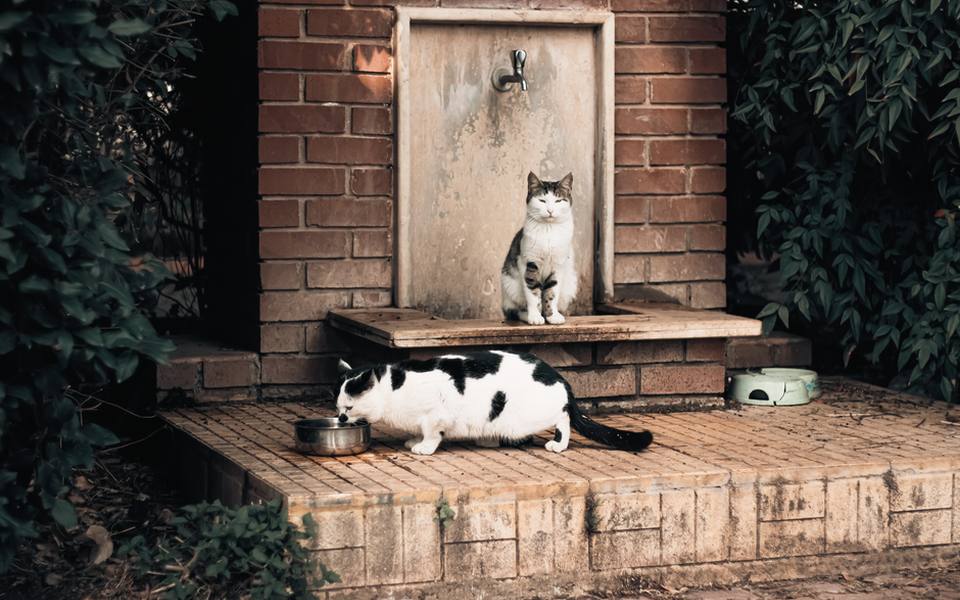
Typical giardia cats symptoms mirror canine distress but often present with subtle behavioral shifts that observant owners must catch early. Affected felines often develop soft, pale, or pasty stools that cling to their tail fur, accompanied by a noticeable foul odor in the litter box. Dehydration sets in quickly in cats, leading to a dull coat, lethargy, sunken eyes, and occasional vomiting, while some resilient cats act as asymptomatic carriers who spread cysts without exhibiting visible illness.
Environmental exposure remains the primary pathway for both species, particularly through standing outdoor water. Visiting natural lakes, unmanaged ponds, or unmonitored puddles poses a notable hazard compared to managed spaces. If you take your dog to social grounds, seeking out dedicated dog parks with water features that utilize treated, circulating water can reduce the risk of your dog lapping up stagnant, parasite-laden runoff.
Managing multiple pets during an outbreak requires thorough cleaning of communal litter boxes, food dishes, and water bowls daily. Litter boxes should be scooped immediately, washed with hot water and pet-safe disinfectant, and completely refilled. Keeping indoor cat environments separated from recovering dogs until clear fecal tests are confirmed prevents the persistent exchange of microscopic cysts between species.
Treating Giardia and Preventing Reinfection
Eliminating giardia involves a dual approach that pairs veterinary pharmaceutical intervention with aggressive environmental hygiene. Because the protective cyst stage of the organism is remarkably tough, medication alone often fails if the dog continues to ingest cysts lingering on its fur, bedding, or lawn. Recovery typically takes one to two weeks, though stubborn strains may require consecutive rounds of medication under veterinary guidance.
At home, hard surfaces where your dog rests should be disinfected using dilute bleach solutions or specialized veterinary disinfectants, keeping pets away until floors are completely dry. Fabric dog beds, blankets, and plush toys should be laundered in hot water and dried on high heat settings to destroy resilient cysts. Food and water bowls must be washed daily in hot water or run through a high-temperature dishwasher cycle.
Outdoor management requires diligence whenever your pet relieves itself. Pick up all fecal matter immediately using a secure waste bag to prevent the soil beneath from becoming a long-term reservoir of cysts. It is wise to pause visits to social canine play areas until your veterinarian confirms via follow-up stool testing that your dog is no longer shedding infectious organisms into shared environments.
Canine Respiratory Illness and Kennel Cough
Canine infectious respiratory disease complex, colloquially known as kennel cough, represents an airborne threat that spreads rapidly wherever dogs gather closely. Caused by a mix of viral agents like canine parainfluenza and bacterial pathogens like Bordetella bronchiseptica, the illness inflames the lining of the windpipe and bronchi. The hallmark symptom is an abrupt, forceful, dry hacking cough that sounds remarkably like a goose honk.
In addition to the distinct honking noise, dogs dealing with mild respiratory irritation often gag, retch, or bring up a small amount of white, frothy foam at the end of a coughing fit. Many owners mistake this retching for choking on a foreign object or attempting to vomit. While most adult dogs maintain normal energy and healthy appetites, the persistent coughing can leave their throat feeling raw and tender.
In uncomplicated cases, the body typically clears the infection within ten to twenty-one days with supportive rest. However, young puppies, senior dogs, and brachycephalic breeds face higher risks of secondary bacterial pneumonia. If your companion develops nasal discharge, crusted eyes, a noticeable fever, or profound lethargy, immediate veterinary intervention is critical to prevent deeper pulmonary complications.
Why Puppies Often Cough More at Night
A puppy cough at night can be deeply alarming for new owners trying to rest, yet the timing of the cough has clear physiological explanations. When a young dog lies down horizontally for hours, secretions from the nasal passages and upper airways accumulate along the throat rather than clearing naturally through movement and swallowing. This pooling triggers the sensitive cough reflex in an already inflamed trachea.
Indoor environmental conditions during nighttime hours also contribute significantly to airway irritation in young pets. As central heating or air conditioning runs steadily overnight, ambient humidity levels drop, drying out the delicate mucous membranes that protect the respiratory tract. A dry airway is far more reactive, meaning the slightest shift in posture or breath can ignite a protracted coughing fit during the quietest hours.
Tracheal sensitivity in growing puppies is naturally elevated because their cartilage rings are soft and still developing. Even a slight collapse or vibration against an inflamed windpipe prompts an immediate hacking spasm. To alleviate nighttime distress, running a cool-mist humidifier near your puppy's crate can keep mucosal surfaces hydrated and significantly ease their breathing while they sleep.
Home Care and Isolation for Coughing Dogs
Providing supportive home care is central to helping an affected dog recover smoothly from upper respiratory bugs. Switching from a neck collar to a well-fitted chest harness eliminates direct physical pressure against an irritated trachea during bathroom breaks. Limiting strenuous aerobic exercise keeps the dog from breathing heavily, which tends to re-trigger spasms in raw, inflamed throat tissues.
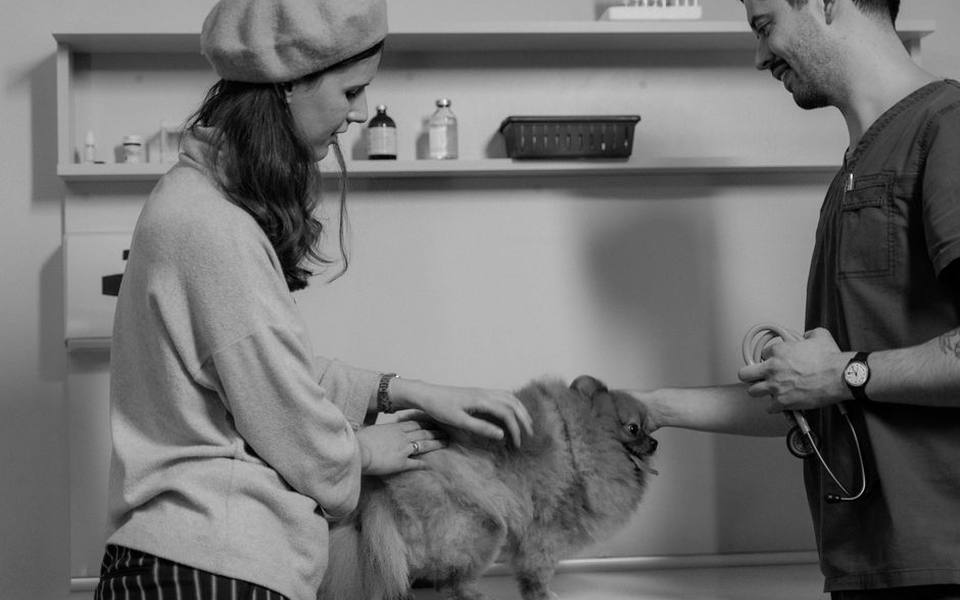
Steam therapy serves as an effective, simple home remedy to soothe dry canine bronchial passages without medication. Bring your pet into the bathroom while you run a hot shower, allowing them to inhale the warm, moist vapor for ten to fifteen minutes twice daily. Keep fresh, cool water accessible at all times, as proper hydration thins out mucosal secretions and assists the natural immune response.
Isolation is vital to avoid triggering an outbreak among other pets in your neighborhood or apartment building. Avoid public dog spaces, grooming salons, and boarding kennels for at least one to two weeks after all symptoms resolve. Even indoor social hubs such as indoor dog parks should remain strictly off-limits, as enclosed air circulation can accelerate the spread of airborne droplets to vulnerable dogs.
Veterinarians can prescribe pet-safe cough suppressants or anti-inflammatory drugs if nocturnal hacking prevents your dog from resting properly. Never administer human over-the-counter cough syrups, as many contain ingredients like acetaminophen, pseudoephedrine, or artificial sweeteners that are toxic to canines. Always check with your local clinic before dispensing any medication to your companion.
Understanding the Female Dog Estrus Cycle
The female dog estrus cycle represents the biological reproductive process in intact female canines, serving as the equivalent of mammalian reproductive maturation. Unlike human women who shed their uterine lining through monthly menstruation, canines experience an estrus cycle driven by distinct hormonal surges where bleeding precedes ovulation rather than following unfertilized egg release. Understanding these shifts helps owners manage both behavioral changes and physiological care.
The complete cycle consists of four distinct phases: proestrus, estrus, diestrus, and anestrus. Proestrus marks the visible beginning, characterized by swelling of the vulva and bright red bloody vaginal discharge. During this initial stage, which typically spans nine to ten days, the female produces scent cues that attract intact males from substantial distances, yet she will firmly reject any mating advances by sitting down or snapping.
The subsequent phase, estrus, is the actual fertile window when the female becomes receptive to male dogs. During estrus, discharge typically shifts from dark red to a diluted, watery pink, cream, or straw color, and the vulva softens. Hormonal fluctuations during this period can cause restlessness, increased affection, pacing, and distinctive "flagging" behavior, where the female holds her tail to one side when touched near her hindquarters.
Bleeding Duration and What to Expect
Prospective and current owners frequently wonder how long do female dogs bleed during their reproductive cycles. In most cases, the active bleeding phase lasts anywhere from seven to fourteen days, depending on the breed, age, and individual canine biology. Some females produce only light spotting that they clean away independently, while others experience heavier discharge that requires protective management indoors.
Addressing the question of how long do female dogs period last overall, the combined active stages—proestrus and estrus—typically span two to four weeks. While owners often refer to this as a dog menstrual period, the discharge is fundamentally different from a human period. In canines, the blood results from intense vascular congestion within the reproductive tract preparing for potential fertilization, not the sloughing off of an unfertilized uterine lining.
Managing the physical discharge indoors requires thoughtful planning to protect your home and preserve your pet's dignity. Reusable or disposable canine diapers work well when fitted snugly, provided they are changed frequently to prevent moisture-related skin dermatitis. Designating easy-to-clean rooms with hardwood or tile surfaces during the heaviest bleeding days minimizes stress for both dog and owner.
Hygiene around the vulva is equally important throughout the active discharge phase. Keeping the area clean using unscented, pet-safe grooming wipes prevents dried blood from matting the fur and causing irritation. If you notice a foul-smelling, thick yellow or greenish discharge rather than typical bloody or straw-colored fluid, contact your veterinarian immediately, as this may signal an infection like pyometra.
Frequency and Timing of Canine Heat Cycles
A common point of inquiry among pet owners is how often does a female dog get her period across an average calendar year. For the vast majority of medium to large breeds, the dog period cycle recurs approximately every six months, meaning an intact female typically enters heat twice per year. However, cycle regularity depends on several physical and genetic factors, including age, nutritional status, and breed size.

Small and toy breeds frequently mature much earlier in life, often experiencing their first heat cycle between six and eight months of age, and they may cycle as frequently as every four months. Conversely, giant breeds such as Great Danes or Mastiffs develop much slower, sometimes delaying their first cycle until eighteen to twenty-four months of age and subsequently cycling only once every nine to twelve months.
The dog menstrual cycle undergoes a quiet resting phase known as anestrus, which lasts around four to five months between active heats. During anestrus, the reproductive tract rests, hormones stabilize, and the female behaves normally without attracting male suitors. Keeping a simple calendar log of cycle start dates helps owners predict future fertile windows and schedule routine veterinary procedures safely.
Irregular cycles are common during a young dog's first year or two of life as endocrine balances settle into a predictable rhythm. However, if an adult dog misses consecutive cycles or remains in persistent heat for more than four weeks, an underlying hormonal imbalance, ovarian cyst, or uterine issue could be present, warranting a professional veterinary examination.
Outdoor Safety and Responsible Park Etiquette
Balancing exercise and socialization while navigating canine illnesses or heat cycles requires strict adherence to community etiquette. Intact females in any phase of estrus should never be taken to communal play spaces, regardless of whether you visit local community runs or large state destinations like those featured in our directory of dog parks in California. The scent of a cycling female travels far on the wind, causing intense agitation, vocalization, and potential aggression among intact male dogs.
Even when using private or off-leash zones, securing your perimeter is essential. Intact males have been known to jump fences or dig beneath barriers when driven by reproductive hormones. While secure fenced dog parks are ideal for healthy, non-cycling pets, an intact female in season should be walked strictly on a short handheld leash in low-traffic areas during off-peak hours.
Similarly, any pet exhibiting digestive upset like giardia or contagious respiratory symptoms must remain isolated at home until given a clean bill of health. Bringing a coughing puppy or an unconfirmed diarrheic dog to shared canine grounds places dozens of community pets at risk of preventable illness. Taking a temporary pause from communal recreation protects your dog's recovery and preserves the safety of the entire dog-owning community.
Published 2026-09-20 · reviewed with each rebuild, last September 2026.
Find dog parks near you
The directory lists 2,936 dog parks by state and city — pick your state or use the “Near me” button in the header.
More guides
-
 Owning
How to Find and Choose the Best Off-Leash Dog Parks
-
 Owning
What Is a Dog Run? Materials, Design, and Setup Guide
-
 Safety
Taking Your Dog Swimming: Safe Water Spots, Beach Rules, and Health Risks
-
 Service
How Much Does Dog Boarding Cost? A Clear Guide to Kennel Rates
-
 Owning
Dog Training Costs, Obedience Classes, and Essential Health Guidelines
-
 Owning
What Is a Reactive Dog? Signs, Triggers, and Management Guide
-
 Owning
A Practical Guide to Pet Adoption, Surrender Realities, and Essential Daily Care
-
 Safety
How to Safely Exercise and Run with Your Dog: Essential Gear and Conditioning Tips
-
 Safety
Comprehensive Guide to Dog Flea and Tick Treatments: Oral, Topical, and Natural Solutions
-
 Safety
Kennel Cough in Dogs: Symptoms, Home Remedies, and Prescription Treatments
-
 Owning
A Complete Practical Guide to Dog Beaches: Top Coastal Spots and Beach Safety
-
 Owning
Dog Car Seat Covers and Hammocks: Choosing the Best Vehicle Protection
-
 Owning
Understanding the Canine Heat Cycle: Phases, Physical Symptoms, and Female Care
-
 Owning
Essential Dog Hiking Gear: Backpacks, Hands-Free Leashes, and First Aid Kits
-
 Owning
Dog Agility Courses, Private Park Rentals, and Training Facilities: How to Choose the Right Space
-
 Service
Self-Service Dog Wash Stations: Equipment, Costs, and Practical Guide
-
 Buying
Automatic and Manual Dog Ball Launchers: How to Choose the Right Setup for Your Dog
-
 Safety
Complete Guide to Dog Flea and Tick Medications: Chews, Topicals, and Treatments
-
 Safety
Natural Flea and Tick Remedies for Dogs: Practical Home Solutions and Safe Use
-
 Safety
Safe Flea and Parasite Treatments for Puppies Under 12 Weeks
-
 Owning
Dog Poop Bags, Dispensers, and Leash Gear for Everyday Walks
-
 Owning
Ultimate Guide to Finding and Visiting Dog Parks and Dog-Friendly Beaches
-
 Safety
Dog Flea and Tick Guide: Comparing Chews, Topicals, Shampoos, and Injections
-
 Owning
A Homeowner's Guide to Backyard Dog Runs, Enclosures, and Exercise Treadmills
-
 Owning
A Complete Guide to Hiking, Camping, and Outdoor Adventures With Dogs
-
 Safety
Understanding Dog Reactivity and Resource Guarding: Training Methods, Daily Management, and Gear
-
 Buying
Dog Car Seat Covers, Hammocks, and Travel Gear: A Practical Buyer's Guide
-
 Buying
Choosing the Right Automatic Ball Launcher and Backyard Play Gear for Active Dogs
-
 Owning
Self-Serve Dog Wash Stations, Towels, and Waste Management
-
 Safety
Complete Dog Flea and Tick Prevention Guide: Chews, Topicals, and Treatments
-
 Owning
Dog Friendly Beaches, Parks, and Travel Destination Guide
-
 Safety
Essential Outdoor Dog Gear: Harnesses, Life Vests, Hot Pavement Boots, and Bags
-
 Safety
Dog Park Safety Guide: Rules, Aggression, First Aid, and Kennel Cough Symptoms
-
 Safety
Comprehensive Guide to Dog and Cat Flea, Tick, and Heartworm Medications
-
 Owning
Designing Home Dog Runs, Agility Courses, and Backyard Play Equipment
-
 Owning
Choosing the Best Car Seat Covers, Hammocks, and Backseat Protectors for Dogs
-
 Buying
Dog Ball Launchers and Automatic Throwers: Selection, Sizing, and Field Guide
-
 Safety
Dog-Safe Yard Care: Pet-Friendly Lawn Fertilizers and Pest Sprays
-
 Owning
Dog Heat Cycles: Symptoms, Duration, and Care During Estrus