What to Expect When Visiting a Self-Service Dog Wash
A self-service dog wash station provides elevated bathing bays, specialized plumbing, and commercial drying equipment so you can bathe your pet without making a mess at home. Instead of wrestling a wet canine in a cramped bathroom, you walk into a purpose-built facility designed specifically for animal hygiene. Most facilities operate on a first-come, first-served basis or offer simple digital reservations, making them convenient after messy outings.
When you step inside a typical facility, you will see a row of waist-height stainless steel or heavy-duty fiberglass tubs fitted with entry ramps, non-slip textured floors, and overhead restraint tethers. These stations keep your dog secure while eliminating the back strain that comes from bending over a standard residential tub. Water hoses are equipped with specialized spray nozzles that regulate water pressure to keep pets calm and comfortable.
Most stations operate as turnkey setups where standard supplies are provided as part of the wash fee. You will generally find pre-plumbed shampoo dispensing systems integrated into the wash wand, clean towels, waterproof aprons for owners, and commercial blow dryers. This setup allows you to clean a muddy dog thoroughly and leave the cleanup, drain unclogging, and wet towel laundry to the facility staff.
The Standard Equipment Inside a Professional DIY Stall
Commercial pet wash stations rely on heavy-duty equipment engineered to handle dogs of all sizes, from toy breeds to hundred-pound hounds. The centerpiece is the elevated basin, usually constructed from marine-grade stainless steel that resists scratching and bacteria buildup. Most models include an easy-access walk-up ramp or swinging door, allowing larger or older dogs to enter the basin without requiring you to lift them.
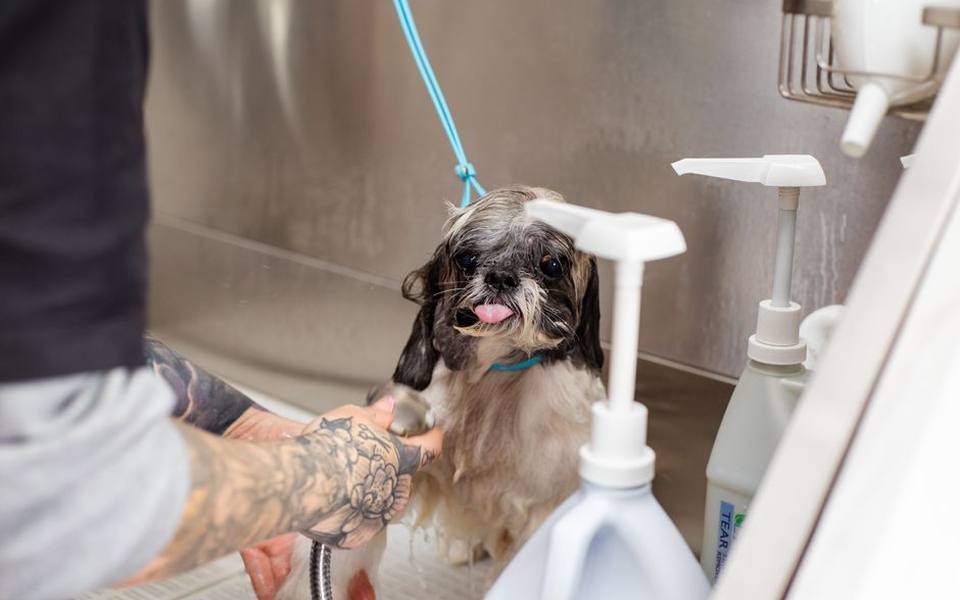
Inside the tub, safety tie-down tethers attach directly to your dog's harness or flat collar, preventing unexpected leaps onto slick commercial floors. The plumbing system features a mixing valve that dispenses water at a safe, steady temperature, typically between 80 and 90 degrees Fahrenheit. The spray wand often injects diluted shampoo or conditioner directly into the water stream at the push of a button, ensuring the soap penetrates thick undercoats quickly.
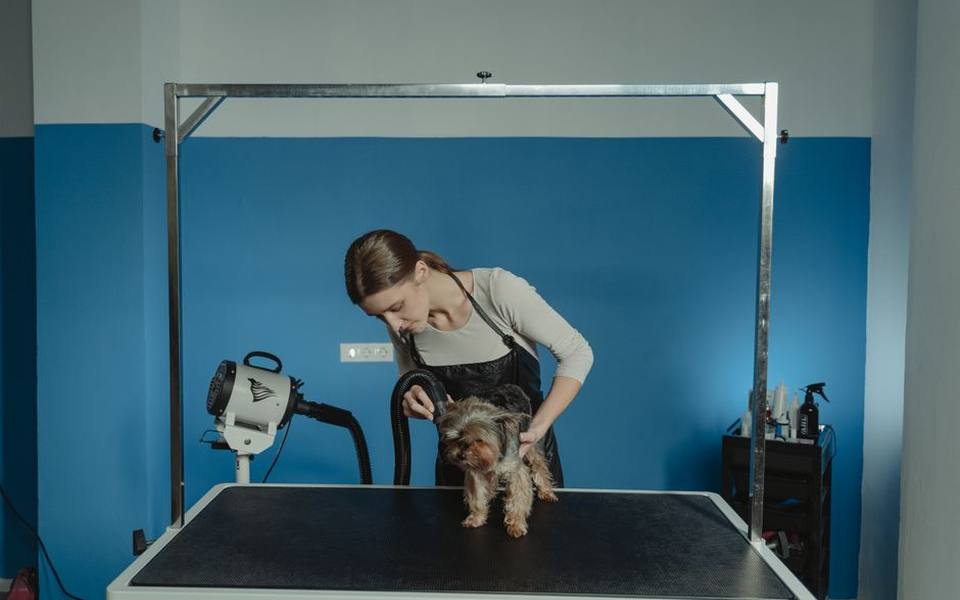
Another critical component is the high-velocity blow dryer mounted near each stall. Unlike standard household hair dryers that rely on high heat that can scorch sensitive canine skin, commercial pet dryers use room-temperature air moving at high speeds. This air blast shears water drops directly off the fur, lifts dead undercoat hair, and cuts drying time down to a fraction of what an ordinary towel or domestic hair dryer could manage.
Step-by-Step Workflow for Washing Your Dog Yourself
Getting the most out of a self-serve grooming stall starts before your dog ever enters the tub. Always give your dog a thorough brushing while they are dry to remove loose fur, mats, and dried surface dirt. Brushing wet hair often tightens tangles into solid knots that are nearly impossible to remove later, and clearing out dead coat beforehand keeps the tub drain clear and allows water and soap to reach the skin directly.
Guide your dog up the ramp into the tub and immediately secure the tub tether to their harness or collar with enough slack to let them stand or sit comfortably. Adjust the water temperature with the sprayer pointed away from the dog to verify it is lukewarm before wetting their body. Start wetting from the rear paws forward, moving up the back and chest, leaving the head and sensitive ears for last to avoid startling your pet early in the wash.
Apply the provided shampoo along the spine and lather thoroughly down through the legs, underbelly, and tail using your fingers or a rubber curry mitt. Rinse meticulously from the neck down until the runoff water is crystal clear, as leftover soap residue is the leading cause of post-bath itching and skin irritation. Once rinsed, squeeze excess water out of the coat with your hands, towel dry thoroughly, and finish with the low-noise velocity dryer.
Big-Box Retail Wash Stalls Versus Independent Pet Boutiques
Pet owners generally have two main choices for DIY dog baths: bays inside national retail pet supply stores or independent neighborhood pet boutiques. Large retail chains often offer self-wash bays as a quick, functional add-on alongside their retail shelves. These chain setups usually follow a streamlined, self-timed or coin-operated model where you pay at the counter and receive a set period, typically around twenty to thirty minutes, to complete the wash.
Independent dog grooming salons and dedicated pet wash boutiques, by contrast, tend to focus more on comfort and individualized amenities. These spaces often provide private or semi-private bathing rooms, high-end organic shampoos, specialized de-shedding treatments, ear cleaner wipes, and multiple brush varieties. Staff members at boutique facilities are usually hands-on, showing first-time visitors how to work the dials, adjust water flow, and operate drying nozzles safely.
Your choice between a major retail stall and an independent parlor often comes down to budget and your dog's personality. Retail locations are convenient when you need to pick up food or supplies in the same trip, but they can be noisy and bustling with foot traffic. Boutique facilities usually offer quieter environments, which works far better for timid or reactive dogs that become stressed in busy store aisles.
Comparing the Real Costs: DIY Station, Groomer, and Home Bathtub
A typical visit to a self-service dog wash station costs between $12 and $25 depending on location, tub time limits, and the quality of supplies included. Some facilities offer membership passes or punch cards that bring the average per-bath expense down even further. When compared to the $50 to $120 or more typically charged by a professional dog groomer for a basic bath and blow-dry, self-wash bays offer significant recurring savings for owners willing to do the washing themselves.
While washing your pet in your own home bathroom might appear free on the surface, it carries hidden financial and physical expenses. Long-coated and double-coated breeds can quickly shed enough fur to clog household plumbing lines, leading to expensive visits from a professional plumber. In addition, you must factor in the recurring cost of specialty canine shampoos, the wear and tear on personal bath towels, and the considerable electricity consumed by domestic blow dryers.
Time is another key part of the cost calculation. At home, cleaning up after a bath often takes longer than the wash itself, as you have to scrub the tub, wipe down soaked walls, mop slick floors, and run loads of muddy laundry. At a self-service facility, all cleanup duties are handled by the facility staff once you step out of the stall, meaning a complete wash-and-dry cycle rarely takes more than thirty to forty-five minutes total.
The Physical Toll: Why Elevated Tubs Protect Your Body
Bathing a dog in a conventional home bathtub places serious strain on your musculoskeletal system. Leaning over the edge of a standard porcelain tub forces your spine into prolonged, awkward flexion while your knees press against hard tile. If your dog decides to shift suddenly, shake, or attempt an escape, you risk straining your lumbar back muscles or twisting a wrist trying to hold them steady while holding a hand sprayer.
Professional self-service dog washing tubs solve this problem through smart ergonomic engineering. The tubs sit roughly thirty to thirty-six inches off the ground, bringing your dog to waist level so you can stand with an upright, neutral spine throughout the entire process. Because you are not hunching or kneeling, you maintain complete mechanical leverage and control, which makes lathering thick coats and rinsing difficult spots like the groin and armpits far easier.
Elevated tubs also improve safety for your pet. When dogs stand inside a shallow human bathtub, slick porcelain surfaces cause their paws to slide, inducing panic and triggering frantic escape attempts. Self-service tubs feature textured, rubberized floor grates that provide secure footing for dog paws while elevating them slightly above the draining dirty water, keeping their paws clean and secure throughout the bath.
Managing Muddy Paws and Trail Dirt After Outdoor Play
A major advantage of local self-service stations is their convenience following rugged outdoor adventures. After hours of running through dusty fields, romping in dog parks with water features, or exploring muddy hiking paths, bringing a filth-caked dog straight into your home can turn living room carpets and furniture into a disaster zone. Stopping at a self-wash station on your drive home neutralizes the mess before you step through your front door.
Many owners who frequent fully fenced off-leash areas keep a simple wash kit in their car trunk, including an old leash, extra treats, and an absorbent shammy towel. Driving directly from the park to a self-wash eliminates the unpleasant lingering smell of swamp water or wet fur from your car interior. A quick ten-minute rinse and power blow-dry strips out fine sand and loose dirt that otherwise ends up ground into your upholstery.
Even during colder months, indoor wash stations remain invaluable for keeping outdoor dogs healthy. In winter, highway and sidewalk road salts accumulate inside paw pads, leading to chemical irritation, cracking, and accidental poisoning if the dog licks its paws. Facilities located near major urban areas and winter recreation corridors give owners an easy way to rinse away corrosive salts and de-icers after brisk winter outings.
Safety Measures, Tethers, and Water Temperature Rules
Operating a self-service dog wash requires careful attention to safety protocols designed to protect both you and your pet. The primary rule is never leaving your dog unattended in an elevated tub, even for a few seconds to grab a fresh towel. Even a dog secured with a tether can slip over the tub wall if startled, creating an immediate strangulation or fall injury hazard. Always maintain physical contact or close proximity while your dog is inside the stall.
Monitoring water temperature is equally critical throughout the bath. Dog skin is significantly thinner than human skin and far more vulnerable to thermal injury. While most commercial wash units include factory-calibrated thermostatic anti-scald valves, water line pressure can fluctuate when neighboring bays turn their sprayers on or off. Keep one hand directly in the water stream on your dog's coat to instantly detect any sudden shifts toward hot or icy temperatures.
Drying equipment also requires sensible precautions. High-velocity dryers are powerful tools capable of forcing loose hair and moisture out in seconds, but their sound and forceful air blast can distress noise-sensitive dogs. Never blow high-pressure air directly into a dog's ears, eyes, nose, or genitals. When working around the face and head, switch the dryer to its lowest air speed setting or use an absorbent microfiber towel to gently pat the facial fur dry.
What to Bring Versus What the Facility Supplies
While self-service stations pride themselves on being fully stocked, bringing a few personalized items from home will significantly improve your experience. Most facilities provide standard tearless shampoo, all-purpose conditioner, basic terrycloth towels, and high-velocity dryers. However, if your pet suffers from chronic allergies, hot spots, or dry skin, you should bring your own veterinary-prescribed medicated wash to avoid triggering an unexpected reaction from generic soaps.
High-value treats are another essential item that facilities rarely supply in abundance. Bringing freeze-dried meat treats or a smear of peanut butter on a silicone suction lick-mat keeps food-motivated dogs distracted and relaxed during shampooing. Pairing the sensation of water and warm air with rewarding treats builds positive emotional conditioning, turning what could be a stressful chore into a pleasant routine your dog looks forward to.
Finally, consider bringing your own grooming brushes and specialized drying gear. While stations often supply basic rubber mitts or slicker brushes, your dog may respond better to their familiar brush from home. Bringing a noise-dampening head wrap or elastic fabric tube can also do wonders to shield your dog's ears from the loud drone of commercial blow dryers, especially if your pet tends to be timid or sound-sensitive.
Deciding Between Self-Wash and Full-Service Grooming
Self-service washing is ideal for regular coat maintenance, deshedding, and washing out everyday dirt, but it does not completely replace a professional groomer for every breed. If your dog requires intricate scissor styling, breed-standard hand-stripping, sanitary hygiene trims, or delicate nail grinding that you are uncomfortable performing yourself, booking a certified groomer remains the safest choice. Self-wash stations focus primarily on cleaning, conditioning, and drying.
For dogs that display extreme territorial reactivity toward other animals, commercial wash stations can be challenging during busy weekend hours. If your dog cannot tolerate seeing or hearing another dog barking in an adjacent stall, an at-home bath or an early morning appointment at an indoor dog park wash station during slow weekday hours is a much safer bet. Checking facility layout beforehand helps you determine if stalls have full visual privacy partitions.
If you live in regions with active outdoor lifestyles like California dog destinations, having a reliable self-service routine lets you keep your dog pristine without spending hundreds of dollars each month on full-service salon treatments. Learning how to efficiently operate the sprayers, apply products, and blow out undercoats transforms regular grooming into an enjoyable bonding activity that keeps your home clean and your dog healthy.
Published 2026-09-20 · reviewed with each rebuild, last September 2026.
Find dog parks near you
The directory lists 2,936 dog parks by state and city — pick your state or use the “Near me” button in the header.
More guides
-
 Owning
How to Find and Choose the Best Off-Leash Dog Parks
-
 Owning
What Is a Dog Run? Materials, Design, and Setup Guide
-
 Safety
Taking Your Dog Swimming: Safe Water Spots, Beach Rules, and Health Risks
-
 Service
How Much Does Dog Boarding Cost? A Clear Guide to Kennel Rates
-
 Owning
Dog Training Costs, Obedience Classes, and Essential Health Guidelines
-
 Owning
What Is a Reactive Dog? Signs, Triggers, and Management Guide
-
 Owning
A Practical Guide to Pet Adoption, Surrender Realities, and Essential Daily Care
-
 Safety
How to Safely Exercise and Run with Your Dog: Essential Gear and Conditioning Tips
-
 Safety
Comprehensive Guide to Dog Flea and Tick Treatments: Oral, Topical, and Natural Solutions
-
 Safety
Kennel Cough in Dogs: Symptoms, Home Remedies, and Prescription Treatments
-
 Owning
A Complete Practical Guide to Dog Beaches: Top Coastal Spots and Beach Safety
-
 Owning
Dog Car Seat Covers and Hammocks: Choosing the Best Vehicle Protection
-
 Owning
Understanding the Canine Heat Cycle: Phases, Physical Symptoms, and Female Care
-
 Owning
Essential Dog Hiking Gear: Backpacks, Hands-Free Leashes, and First Aid Kits
-
 Owning
Dog Agility Courses, Private Park Rentals, and Training Facilities: How to Choose the Right Space
-
 Buying
Automatic and Manual Dog Ball Launchers: How to Choose the Right Setup for Your Dog
-
 Safety
Complete Guide to Dog Flea and Tick Medications: Chews, Topicals, and Treatments
-
 Safety
Natural Flea and Tick Remedies for Dogs: Practical Home Solutions and Safe Use
-
 Safety
Safe Flea and Parasite Treatments for Puppies Under 12 Weeks
-
 Owning
Dog Poop Bags, Dispensers, and Leash Gear for Everyday Walks
-
 Owning
Ultimate Guide to Finding and Visiting Dog Parks and Dog-Friendly Beaches
-
 Safety
Dog Flea and Tick Guide: Comparing Chews, Topicals, Shampoos, and Injections
-
 Owning
A Homeowner's Guide to Backyard Dog Runs, Enclosures, and Exercise Treadmills
-
 Owning
A Complete Guide to Hiking, Camping, and Outdoor Adventures With Dogs
-
 Owning
Dog Health Guide: Giardia Symptoms, Canine Coughs, and Female Heat Cycles
-
 Safety
Understanding Dog Reactivity and Resource Guarding: Training Methods, Daily Management, and Gear
-
 Buying
Dog Car Seat Covers, Hammocks, and Travel Gear: A Practical Buyer's Guide
-
 Buying
Choosing the Right Automatic Ball Launcher and Backyard Play Gear for Active Dogs
-
 Owning
Self-Serve Dog Wash Stations, Towels, and Waste Management
-
 Safety
Complete Dog Flea and Tick Prevention Guide: Chews, Topicals, and Treatments
-
 Owning
Dog Friendly Beaches, Parks, and Travel Destination Guide
-
 Safety
Essential Outdoor Dog Gear: Harnesses, Life Vests, Hot Pavement Boots, and Bags
-
 Safety
Dog Park Safety Guide: Rules, Aggression, First Aid, and Kennel Cough Symptoms
-
 Safety
Comprehensive Guide to Dog and Cat Flea, Tick, and Heartworm Medications
-
 Owning
Designing Home Dog Runs, Agility Courses, and Backyard Play Equipment
-
 Owning
Choosing the Best Car Seat Covers, Hammocks, and Backseat Protectors for Dogs
-
 Buying
Dog Ball Launchers and Automatic Throwers: Selection, Sizing, and Field Guide
-
 Safety
Dog-Safe Yard Care: Pet-Friendly Lawn Fertilizers and Pest Sprays
-
 Owning
Dog Heat Cycles: Symptoms, Duration, and Care During Estrus