Understanding How Modern Ball Launchers Actually Work
An automatic throwing device uses dual motorized spinning wheels or a spring-loaded mechanical arm to propel a standard or miniature tennis ball across a yard or room. When your pup drops the sphere into the top hopper, a sensor registers weight or motion, sounds a brief warning chime, and fires the projectile after a short delay. This cycle lets fetch-obsessed canines play independently once they master the sequence, giving human shoulders a much-needed break from endless repetitions.
Manual throwers, by contrast, rely entirely on leverage. A flexible plastic arm cradles the ball and extends your reach, letting you fling objects two to three times farther than a barehanded toss without touching slobber. Choosing between an automated contraption and a handheld arm comes down to whether you want independent mental stimulation for your pup at home or maximum running distance during outdoor adventures. Both categories deliver rigorous cardiovascular exercise, but their mechanical demands, safety profiles, and play dynamics differ completely.
Before investing in any motorized equipment, assess your hound's temperament and drive. Highly motivated retrievers, herding breeds, and terriers typically grasp the reload cycle within a few training sessions. More timid companions might find the internal humming motors and sudden ejection thud startling at first, requiring patient desensitization before they feel comfortable standing near the unit.
Motorized Launchers Versus Handheld Throwing Arms
Handheld throwing handles remain a beloved staple across municipal dog runs for straightforward reasons: they cost very little, carry virtually no moving components to break, and withstand being dropped in thick mud. A simple curved wand slips into a backpack and allows owners to achieve soaring arcs of sixty to eighty feet with minimal shoulder torque. If your daily routine involves trekking across open acreage or visiting spacious community fields, a manual plastic wand is practically indestructible.
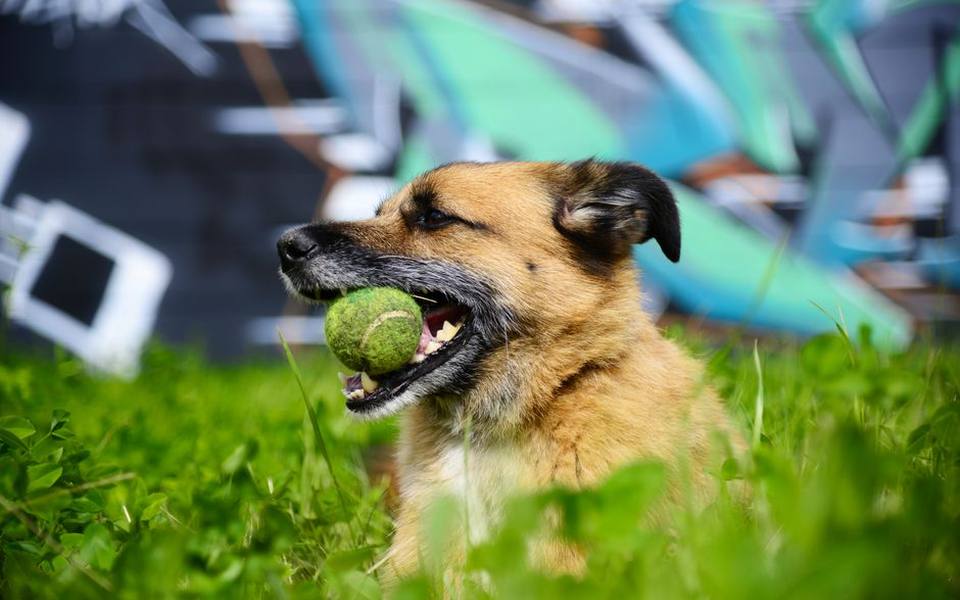
Motorized units deliver a completely different benefit by turning fetch into an interactive puzzle game. High-energy breeds often crave structured tasks, and learning to drop the sphere directly into the funnel satisfies that working drive. You can dial in precise distances—typically varying from eight to thirty feet—making mechanized setups suitable for back patios, narrow basements, or controlled grassy patches where a human throw would repeatedly clear the fence.
The downside of automated machines lies in maintenance and physical limitations. Motorized rollers foul quickly when exposed to gravel, coarse sand, or excessive slobber, demanding frequent wiping and specialized dry balls to prevent internal motor jams. Handheld throwers never run out of rechargeable lithium cells or D-cell alkaline packs, making them vastly superior for rugged off-grid trail sessions.
Sizing the Ball Correctly to Prevent Choking Hazards
Matching sphere diameter to your dog's jaw dimensions is the single most critical safety step when shopping for any throwing tool. Motorized units are generally engineered around one of two formats: miniature spheres measuring roughly two inches across for petite breeds, or standard two-and-a-half-inch spheres designed for medium to giant companions. Never let a large breed play with a miniature machine, as compact tennis cores present an immediate, life-threatening airway obstruction risk if swallowed mid-catch.
Conversely, small breeds like Dachshunds, Yorkies, and French Bulldogs struggle to carry standard two-and-a-half-inch felt balls. Attempting to force an oversized ball into a tiny mouth places excessive strain on jaw joints and neck musculature, quickly exhausting the dog and discouraging healthy interaction. Always verify whether a machine accepts standard sporting tennis balls or requires manufacturer-specific proprietary mini balls before making a purchase.
Material density also matters for dental health. Standard sports tennis balls feature abrasive synthetic felt that collects gritty soil particles, effectively acting like fine sandpaper against canine tooth enamel over thousands of repetitions. For dedicated fetchers, look for specialized non-abrasive rubber or smooth foam spheres that clean easily with water and safeguard tooth structure during aggressive chomping.
Safety Sensors and Distance Settings for Home Play
Quality motorized launching units integrate front-facing infrared or optical motion sensors designed to prevent the machine from firing while a dog stands directly in the line of fire. When a dog walks within two to three feet of the launch chute, a well-engineered safety eye pauses the roller wheels until the landing zone clears. This design prevents high-velocity impacts to sensitive facial tissues, eyes, and noses, which can otherwise cause severe trauma or create lasting fear of the device.
Configurable range settings allow you to tailor the throwing arc to your physical environment. Most mid-tier and premium motorized shooters feature multi-position distance dials alongside angle adjustments. You can set the machine to a gentle ten-foot loft for indoor recreation in a finished basement or crank it to a flat, aggressive thirty-foot drive when set up in an open suburban backyard. Some advanced versions even feature randomized distance cycles to keep clever dogs on their toes.
Auditory alert tones serve an important functional purpose alongside visual sensors. A distinct two-second beep or mechanical click lets the pet anticipate the exact release moment, allowing them to back away into a proper catching stance rather than hovering anxiously over the muzzle. Teaching your dog to retreat toward a designated spot on the chime is the golden rule of safe autonomous play.
Power Options: Batteries Versus Wall Outlets
Portability determines where and how often you can deploy an automated launching system. Most household machines provide dual-power capability, pairing an AC wall adapter for endless indoor sessions with an internal rechargeable pack or high-capacity alkaline battery compartment for backyard use. When shopping, examine whether the portable mode relies on expensive disposable batteries or a modern lithium-ion pack that charges via standard cords.
Disposable D-cell systems can deliver several hours of continuous throwing, but regular use quickly drives up operating expenses over a single summer. Rechargeable configurations save money long-term, though their launch velocity tends to taper off subtly as voltage drops toward the end of the charge cycle. If you primarily plan to use the device outside away from electrical outlets, prioritize models with high-efficiency brushless motors that squeeze more throws from each watt.
For those living in regions with harsh winters or relentless summer rain, having a reliable AC wall connection turns an automated thrower into a sanity-saving indoor exercise station. Setting up the machine at the end of a carpeted hallway or in a heated garage keeps active companions physically drained without braving freezing sleet or scorching midday heat.
Indoor Versus Outdoor Play Environments
Operating an automated shooter indoors demands careful space planning and appropriate flooring. Slick hardwood, polished tile, and laminate surfaces create extreme slip hazards when a dog sprints, corners, and brakes aggressively to snatch a bouncing ball. Repetitive high-speed sliding across uncarpeted floors puts severe strain on hips, cruciates, and spinal alignment. Confine indoor throwing sessions to carpeted play areas, large area rugs with non-skid underlays, or unfinished basements with rubber gym mats.

Ceiling height and room geometry also dictate whether indoor launch is practical. Even on the lowest output setting, a motorized launcher requires at least fifteen to twenty feet of clear linear runway and a ceiling clearance of eight feet or higher to prevent balls from ricocheting off light fixtures, drywall, or electronics. If your living space is too compact for safe indoor ball launches, exploring an indoor dog park provides a climate-controlled, padded arena where high-energy canines can run flat out regardless of weather.
Outdoor use requires vigilance regarding weather exposure and terrain cleanliness. Motorized electronics are rarely waterproof; leaving a launcher exposed to lawn sprinklers or a passing thunderstorm can short-circuit the internal control board. Furthermore, operating on dry dirt or tall grass introduces debris into the roller wheels, so setting the machine on a clean patio slab or portable rubber mat helps extend mechanical longevity.
Training Your Dog to Reload Independently
Teaching your canine companion to operate an autonomous launcher requires breaking the process into distinct behavioral steps rather than expecting them to figure it out spontaneously. Begin with the machine completely powered off to prevent startling noises from creating an early negative association. Reward your dog with high-value treats simply for approaching the plastic unit, sniffing the outer casing, and touching their nose to the top opening.
Once your dog is comfortable near the equipment, introduce the reload command. Hand your pup a ball, hold a treat directly over the input funnel, and cue a drop command so the sphere falls through the inactive mechanism. Practice this sequence repeatedly until the dog understands that dropping the ball directly into that specific plastic funnel triggers a generous reward. Only after this mechanical habit is rock-solid should you switch the power on.
For the initial powered launches, set the machine to its absolute shortest distance and lowest sound profile. Stand alongside the launcher to catch the ejected ball yourself, immediately guiding your pup back to the drop funnel. In most cases, dogs require several days of patient, short training bursts before they connect the dots between loading the hopper and earning their own high-speed chase.
Handling Heavy Drool, Mud, and Equipment Wear
Thick canine saliva is the primary enemy of automated throwing mechanisms. When a dog plays fetch repeatedly, felt tennis balls absorb considerable moisture and saliva enzymes, creating a slick coating. As this wet surface passes between motorized spinning wheels, the rubber loses traction, resulting in sluggish throws, severe misfires, or balls that simply dribble out of the front muzzle. In severe cases, sticky saliva drips into internal gearboxes and ruins motor assemblies.
To combat drool-induced malfunctions, select launchers that feature easily accessible cleaning ports or removable launch wheels. Many experienced owners swap out standard fuzzy felt spheres for molded synthetic rubber balls featuring shallow surface grooves. These non-porous balls repel slobber, wipe dry instantly with a small towel, and maintain consistent friction against internal flywheels throw after throw.
Routine maintenance takes only a few minutes but dramatically extends the machine's lifespan. After every heavy play session, unplug the device and wipe down the hopper chute, optical sensor lenses, and rubber drive tires with a damp cloth and mild soap. Never submerge a motorized unit or hose it down with water, as internal circuit boards are not sealed against pressurized spray.
Finding Safe Public Spaces for High-Energy Fetch
While backyard sessions are convenient, highly athletic dogs often need wide-open acreage to hit top sprint speeds that small residential yards simply cannot accommodate. Taking your manual throwing wand to a secure community facility lets your dog chase sixty-yard moonshots without risking traffic hazards or fence collisions. Choosing a fenced dog park ensures that even sight-driven hounds can sprint at total capacity while remaining safely enclosed.
Regional park systems offer vast differences in dedicated canine infrastructure. Fetch enthusiasts traveling through the West Coast can explore extensive community spaces like the 323 verified properties in California, where sprawling dedicated runs accommodate long-distance throwing wands. Across the South, owners navigating warmer climates frequently seek shade and open turf among the 194 listings in Texas or the 205 options in Florida, many of which provide ample space for high-velocity retrieval games.
When playing fetch in shared off-leash environments, always monitor local pack dynamics closely before bringing out high-value toys. Balls frequently spark intense resource guarding or territorial chase behaviors among unfamiliar dogs. If the main run feels crowded or chaotic, look for dedicated agility enclosures or visit during quiet early-morning hours to enjoy distraction-free throwing sessions.
Managing Canine Joint Health and High-Impact Exercise
Fetch is an explosive, high-impact activity that subjects a dog's musculoskeletal system to extreme physical stresses. Sudden directional changes, aggressive deceleration slides, and mid-air twisting to snatch a flying ball place heavy shear forces on canine shoulders, hocks, and cranial cruciate ligaments. Young dogs whose growth plates have not fully closed—typically under twelve to eighteen months depending on breed—should never engage in relentless repetitive jumping or hard sprinting drills.

Even for mature, physically fit adults, fetch sessions should be capped to prevent exhaustion-induced injuries. Dogs driven by intense prey drive will often ignore muscle fatigue, torn paw pads, and overheating to continue chasing a thrown ball. Limit automated or manual launcher sessions to ten or fifteen minutes of active sprinting, followed by a mandatory cool-down walk on level ground to let heart and respiration rates recover naturally.
Warm weather demands heightened vigilance regarding core body temperatures. Running flat out generates massive internal heat, and dogs cannot sweat effectively to dissipate it. If you are exercising your dog during summer months, consider facilities with shallow ponds or splash pads, such as designated dog parks with water features, where your retriever can cool down their joints and chest between throwing rounds.
Published 2026-09-20 · reviewed with each rebuild, last September 2026.
Find dog parks near you
The directory lists 2,936 dog parks by state and city — pick your state or use the “Near me” button in the header.
More guides
-
 Owning
How to Find and Choose the Best Off-Leash Dog Parks
-
 Owning
What Is a Dog Run? Materials, Design, and Setup Guide
-
 Safety
Taking Your Dog Swimming: Safe Water Spots, Beach Rules, and Health Risks
-
 Service
How Much Does Dog Boarding Cost? A Clear Guide to Kennel Rates
-
 Owning
Dog Training Costs, Obedience Classes, and Essential Health Guidelines
-
 Owning
What Is a Reactive Dog? Signs, Triggers, and Management Guide
-
 Owning
A Practical Guide to Pet Adoption, Surrender Realities, and Essential Daily Care
-
 Safety
How to Safely Exercise and Run with Your Dog: Essential Gear and Conditioning Tips
-
 Safety
Comprehensive Guide to Dog Flea and Tick Treatments: Oral, Topical, and Natural Solutions
-
 Safety
Kennel Cough in Dogs: Symptoms, Home Remedies, and Prescription Treatments
-
 Owning
A Complete Practical Guide to Dog Beaches: Top Coastal Spots and Beach Safety
-
 Owning
Dog Car Seat Covers and Hammocks: Choosing the Best Vehicle Protection
-
 Owning
Understanding the Canine Heat Cycle: Phases, Physical Symptoms, and Female Care
-
 Owning
Essential Dog Hiking Gear: Backpacks, Hands-Free Leashes, and First Aid Kits
-
 Owning
Dog Agility Courses, Private Park Rentals, and Training Facilities: How to Choose the Right Space
-
 Service
Self-Service Dog Wash Stations: Equipment, Costs, and Practical Guide
-
 Safety
Complete Guide to Dog Flea and Tick Medications: Chews, Topicals, and Treatments
-
 Safety
Natural Flea and Tick Remedies for Dogs: Practical Home Solutions and Safe Use
-
 Safety
Safe Flea and Parasite Treatments for Puppies Under 12 Weeks
-
 Owning
Dog Poop Bags, Dispensers, and Leash Gear for Everyday Walks
-
 Owning
Ultimate Guide to Finding and Visiting Dog Parks and Dog-Friendly Beaches
-
 Safety
Dog Flea and Tick Guide: Comparing Chews, Topicals, Shampoos, and Injections
-
 Owning
A Homeowner's Guide to Backyard Dog Runs, Enclosures, and Exercise Treadmills
-
 Owning
A Complete Guide to Hiking, Camping, and Outdoor Adventures With Dogs
-
 Owning
Dog Health Guide: Giardia Symptoms, Canine Coughs, and Female Heat Cycles
-
 Safety
Understanding Dog Reactivity and Resource Guarding: Training Methods, Daily Management, and Gear
-
 Buying
Dog Car Seat Covers, Hammocks, and Travel Gear: A Practical Buyer's Guide
-
 Buying
Choosing the Right Automatic Ball Launcher and Backyard Play Gear for Active Dogs
-
 Owning
Self-Serve Dog Wash Stations, Towels, and Waste Management
-
 Safety
Complete Dog Flea and Tick Prevention Guide: Chews, Topicals, and Treatments
-
 Owning
Dog Friendly Beaches, Parks, and Travel Destination Guide
-
 Safety
Essential Outdoor Dog Gear: Harnesses, Life Vests, Hot Pavement Boots, and Bags
-
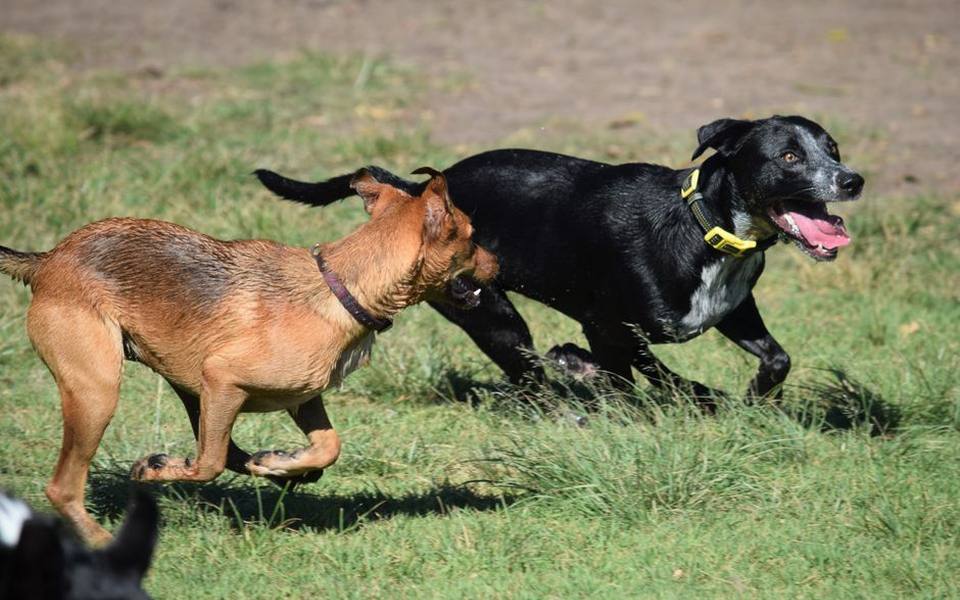 Safety
Dog Park Safety Guide: Rules, Aggression, First Aid, and Kennel Cough Symptoms
-
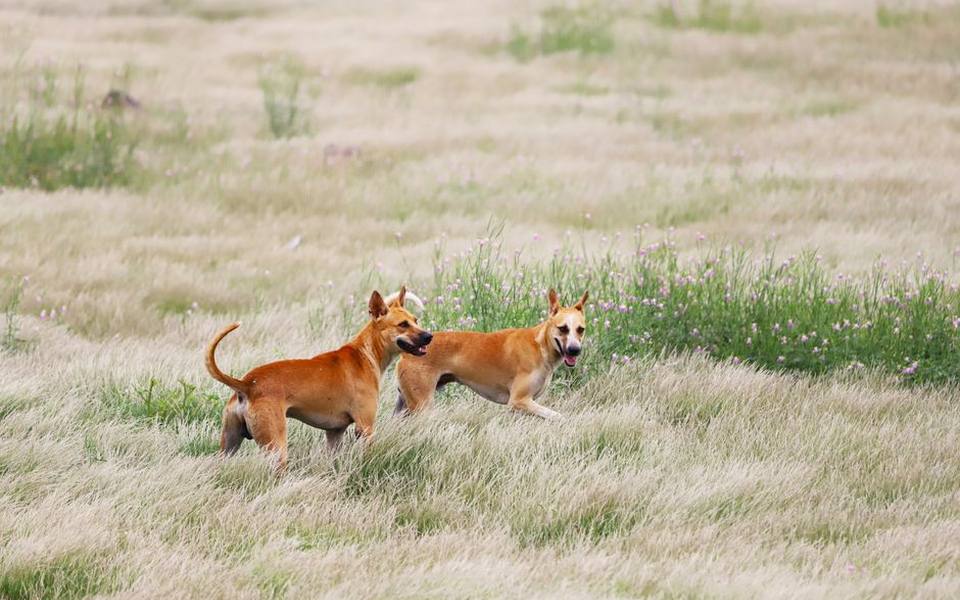 Safety
Comprehensive Guide to Dog and Cat Flea, Tick, and Heartworm Medications
-
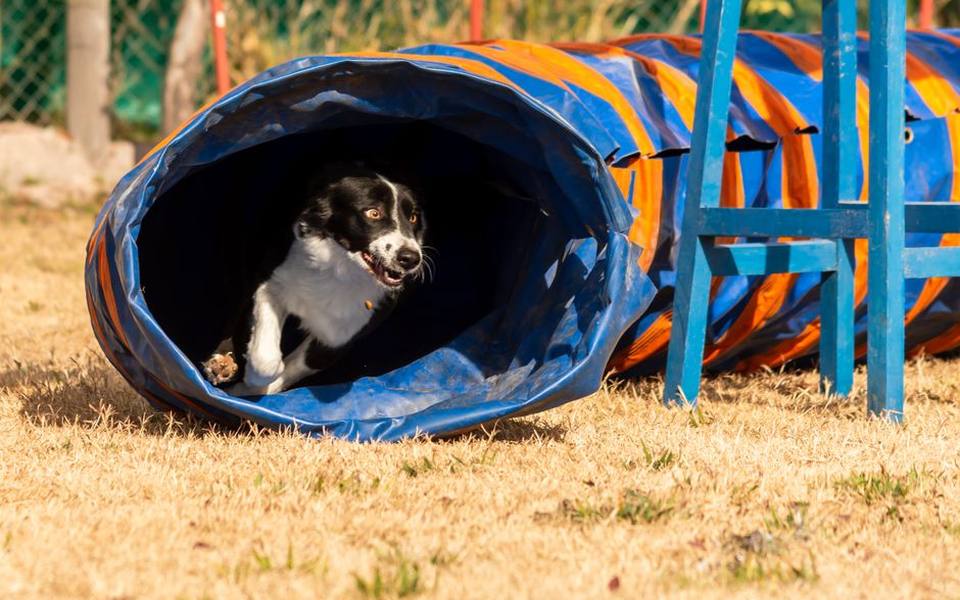 Owning
Designing Home Dog Runs, Agility Courses, and Backyard Play Equipment
-
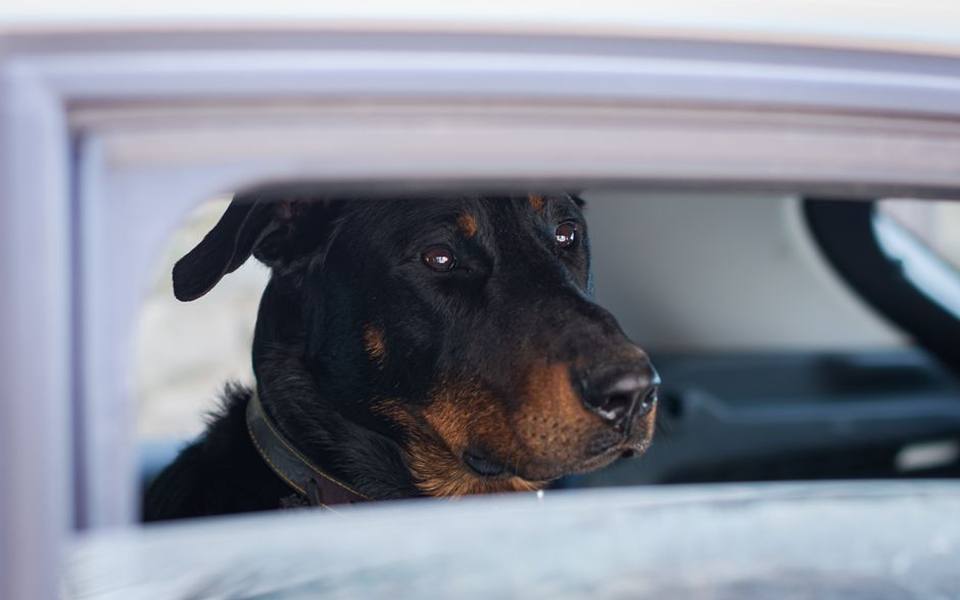 Owning
Choosing the Best Car Seat Covers, Hammocks, and Backseat Protectors for Dogs
-
 Buying
Dog Ball Launchers and Automatic Throwers: Selection, Sizing, and Field Guide
-
 Safety
Dog-Safe Yard Care: Pet-Friendly Lawn Fertilizers and Pest Sprays
-
 Owning
Dog Heat Cycles: Symptoms, Duration, and Care During Estrus