How Canine Heat Differs from Human Menstruation
The canine reproductive cycle—commonly referred to as being in heat or in estrus—is the recurring period when an intact female dog is biologically fertile and receptive to mating. While people frequently refer to this event as a dog period or canine menstruation, the underlying physiology is distinctly different from human biology. In humans, bleeding indicates the shedding of the uterine lining at the conclusion of an unfertilized cycle. In female dogs, visible bloody discharge marks the beginning of the fertile window, triggered by estrogen surges that cause red blood cells to pass through the walls of the reproductive tract.
Because canine estrus functions on an entirely different hormonal timeline, expecting it to resemble a human monthly schedule leads to common misunderstandings. Dogs do not experience monthly cycles. Instead, an intact female transitions through several distinct physiological phases governed by estrogen peaks, sustained progesterone elevations, and long periods of ovarian rest that last several months. Bleeding does not mean her fertile opportunity has passed; on the contrary, it indicates that her reproductive tract is actively preparing for ovulation and potential conception.
Learning the core biology of the cycle helps demystify what can feel like an overwhelming experience for first-time owners. The canine heat cycle is a predictable, natural rhythm that influences a female's physical comfort, energy output, and social interactions with other canines. Recognizing the underlying physiological drivers ensures that owners can manage home hygiene, protect their pets from unwanted breeding encounters, and support their dog's well-being with confidence and calm consistency.
When Young Dogs Experience Their First Reproductive Cycle
The timing of a puppy's initial cycle varies significantly based on breed size, genetics, and individual development. Small and toy breeds tend to reach physical maturity much faster, often having their first season between six and nine months of age. Conversely, large and giant breeds develop far more slowly, with many females experiencing their first season anywhere between twelve and twenty-four months of age. It is entirely normal for a large dog to celebrate her first birthday before showing any signs of estrus.
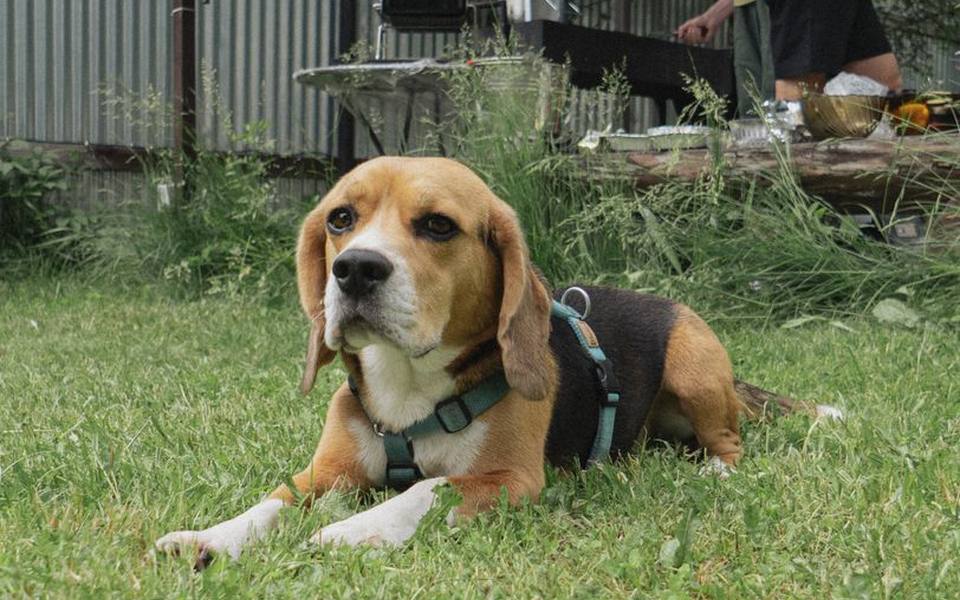
Young females occasionally experience what veterinarians term a silent heat during their initial season. In a silent cycle, the internal hormonal fluctuations progress normally, but obvious outward indicators—such as noticeable vulvar swelling or visible bloody discharge—remain remarkably subtle or absent. Despite the lack of obvious outward signs, the dog remains fertile, and intact male dogs will still detect her reproductive scent from considerable distances, making vigilance essential even if visual proof is lacking.
Keeping a detailed log of your puppy's physical milestones offers helpful baseline records for her ongoing health care. Noting the date of her first visible discharge or behavioral shift allows you to anticipate future cycles, track the regularity of her reproductive system, and provide accurate medical history to your veterinarian when discussing long-term reproductive management, prospective breeding plans, or the optimal window for elective spay surgery.
The Four Sequential Stages of the Canine Estrous Cycle
The canine estrous cycle consists of four continuous stages known as proestrus, estrus, diestrus, and anestrus. Proestrus marks the visible beginning of the cycle and typically lasts around nine days, although it can range anywhere from three to seventeen days depending on the individual. During proestrus, estrogen levels rise sharply, the vulva swells significantly, and a dark, bloody discharge appears. While female dogs attract male attention during this opening stage, they will firmly refuse to allow mating.
Estrus is the second stage and represents the true fertile period, generally lasting between four and fourteen days. During this window, estrogen levels decline while progesterone levels climb rapidly, prompting ovulation. The vaginal discharge typically changes in character, shifting from deep red to a lighter pink, salmon, or straw-colored watery fluid. Behaviorally, the female becomes receptive to suitors, often demonstrating tail flagging, in which she holds her tail to the side when touched near her hindquarters.
The final two stages return the female's body to its resting state. Diestrus follows estrus and lasts roughly sixty to ninety days, whether the dog becomes pregnant or not. During diestrus, progesterone remains elevated, gradually decreasing as the reproductive tract stabilizes. Finally, anestrus serves as the prolonged resting interval, typically spanning several months, during which the uterine environment repairs itself before the next reproductive cycle begins.
Identifying Key Physical Symptoms and Anatomical Changes
Recognizing an approaching heat cycle requires monitoring for specific physical symptoms that precede heavy bleeding. One of the earliest and most unmistakable indicators is pronounced swelling of the external genitalia. The vulva becomes noticeably enlarged, firm, and prominent compared to its normal relaxed appearance. In many dogs, this localized swelling develops several days before any discharge is produced, frequently causing the female to lick her genital region more frequently throughout the day.
Discharge appearance provides valuable clues regarding where your dog is within her cycle. Early proestrus discharge is typically rich, opaque red and may leave spots on light-colored flooring or dog bedding. As the female transitions toward peak estrus and ovulation, the fluid thins into a translucent, watery discharge. Some females groom themselves so meticulously that owners rarely find discharge on the floor, making regular inspection of the vulva and surrounding hair necessary.
Frequent urination is another reliable physical symptom during the early and middle phases of the cycle. A female's urine contains concentrated pheromones that communicate her reproductive availability to other dogs in the vicinity. On daily walks, an in-season female will often squat multiple times in small bursts to mark territory, alongside subtle signs of water retention, slight abdominal enlargement, or a distinctive tucking of the hind legs when resting.
Emotional and Behavioral Changes in a Female in Season
The hormonal surges that drive physical reproduction also cause noticeable changes in daily temperament. Many females become exceptionally affectionate and clingy, trailing their owners from room to room and demanding extra reassurance. Other dogs may appear distracted, unsettled, or slightly low in energy, showing temporary reluctance to follow routine obedience cues or participate in lively games that they normally enjoy with vigor.

Social interactions with other animals often undergo pronounced shifts as well. During proestrus, when the dog feels the physiological pressure of rising hormones but is not yet receptive, she may display irritability or snappy behavior toward other household dogs who encroach on her personal space. Once she reaches estrus, however, her posture toward males becomes inviting, characterized by flirtatious body language, playful approaches, and presenting her rear quarters.
Nesting behaviors and temporary appetite changes can also occur during and immediately after the heat cycle. Some females lose interest in their regular kibble for several days, requiring smaller or more enticing meals to maintain caloric intake. Others begin gathering toys, blankets, or pillows into their sleeping crates, an instinct driven by rising progesterone that can occasionally mirror the early signs of maternal preparation.
Duration, Frequency, and Cycle Irregularities
On average, the active portion of a heat cycle—encompassing both proestrus and estrus—lasts approximately two to four weeks, with three weeks representing the typical duration for most domestic breeds. However, individual variations are common. Some healthy females finish their entire visible cycle in just under two weeks, while others exhibit discharge and altered behaviors for close to a full month without any underlying health problems.
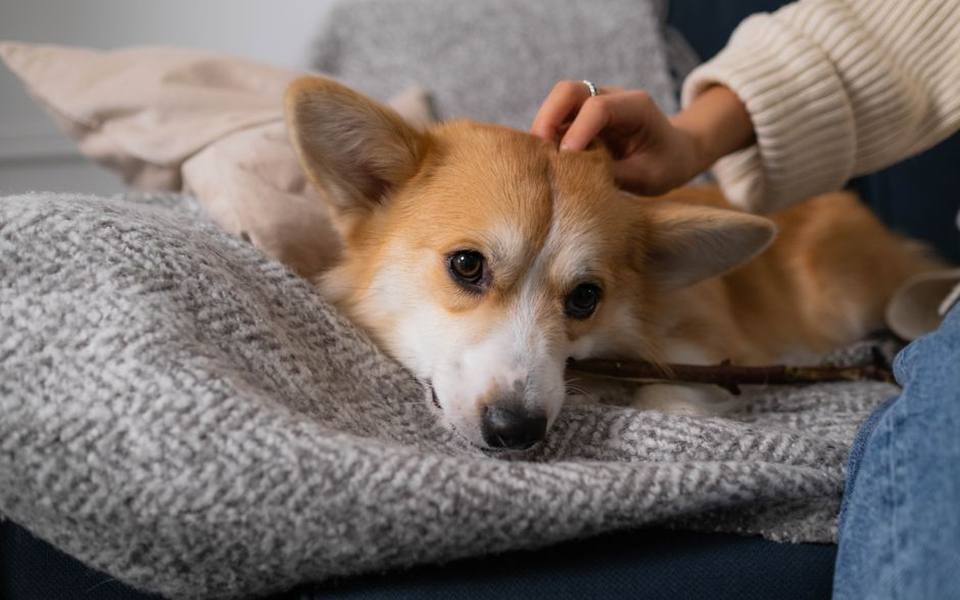
Most adult female dogs come into season roughly twice per year, or approximately every six months. Smaller breeds can cycle every four to five months, whereas large, giant, or ancestral breeds often cycle only once every nine to twelve months. During the first two years of life, cycle timing can be somewhat unpredictable while the endocrine system fully stabilizes, with irregular intervals between early cycles being relatively common.
While natural variation exists, marked abnormalities warrant veterinary consultation. If an adult female with an established six-month schedule suddenly starts cycling every two or three months, or if an active bleeding episode continues beyond four consecutive weeks, professional evaluation is recommended. Persistent discharge, unusually dark or foul-smelling fluids, and lethargy can signal ovarian cysts or uterine abnormalities that require prompt diagnostic testing.
Outdoor Precautions and Public Park Etiquette
Exercising an in-season female requires strict boundaries and the temporary suspension of visits to communal off-leash spaces. Bringing a female in heat to open dog runs, neighborhood parks, or conventional fenced dog parks introduces immediate safety hazards. Intact males can detect the pheromones of an estrous female over vast distances, which can provoke intense competition, mounting attempts, and serious fights among normally docile dogs.
Even when an intact male is not immediately nearby, lingering pheromones deposited in urine marks can disrupt the harmony of communal recreation spaces for hours after you depart. If you need alternative exercise outlets during this period, private yard play or researching climate-controlled facilities such as indoor dog parks across all states where private rentals are possible is far more responsible than using shared public amenities.
When taking your dog outside for routine bathroom breaks, keep her on a secure, non-retractable leash at all times, even within a fenced private yard. Driven by reproductive instinct, male dogs have been documented jumping tall fences or digging under gates to reach an estrous female, and an ovulating female may actively attempt to slip away to find a partner if left unsupervised.
Hygiene Management and Home Protection
Managing discharge around the house is simple with basic preparation and appropriate hygiene products. Many pet owners utilize washable or disposable canine diapers lined with absorbent sanitary pads to safeguard carpets, couches, and bedding. These garments must be fitted correctly to prevent chafing around the tail and waist, and they must be removed every single time the dog is let outdoors to eliminate.

Maintaining proper perineal hygiene is vital to prevent skin irritation and secondary infections during periods of continuous discharge. Wiping the vulva gently once or twice a day with an unscented, alcohol-free pet wipe keeps the surrounding fur clean and free from dried blood. If your dog dislikes wearing diapers indoors, restricting her access to easily sanitized hard-surface areas, such as tiled kitchens or utility rooms, provides a low-stress alternative.
Providing a quiet, predictable home atmosphere helps keep an anxious or unsettled dog comfortable. Placing washable slipcovers or old fleece blankets over her favored resting spots simplifies daily cleanup. Offering enrichment toys, slow-feeder puzzles, and safe chew items will keep her mentally occupied while high-intensity outdoor exercise remains temporarily restricted for safety reasons.
Potential Medical Risks Including Pyometra
The weeks immediately following the conclusion of estrus represent a critical observation period for serious uterine conditions, most notably pyometra. Pyometra is a severe, life-threatening infection of the uterus that typically develops two to eight weeks after a heat cycle. During this post-heat window, sustained progesterone levels cause the uterine lining to thicken and produce secretions that create a prime breeding ground for bacteria.
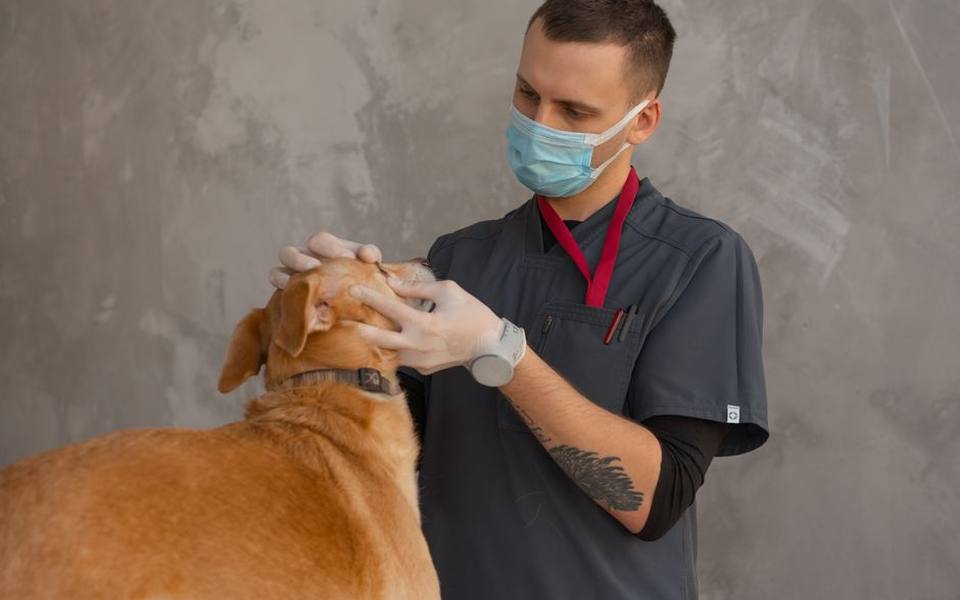
Pyometra presents in two anatomical forms: open and closed. In open pyometra, the cervix remains slightly open, allowing foul-smelling, thick, cream-colored or bloody pus to drain from the vulva, often alerting the owner early. In closed pyometra, the cervix remains tightly shut, preventing infectious discharge from escaping. As bacteria multiply and toxins accumulate inside the sealed uterus, the dog can rapidly deteriorate into septic shock without any external bleeding.
Another common post-estrus condition is false pregnancy, or pseudopregnancy. When progesterone levels drop toward the end of diestrus, prolactin hormones can trigger physical and psychological signs of maternal care in an unbred female. The dog may produce milk, develop swollen mammary tissue, lose her appetite, and adopt plush toys as surrogate offspring. While mild false pregnancies often resolve without intervention, veterinary care may be necessary if mammary engorgement leads to mastitis.
Spaying Timelines and Future Management
For owners who do not intend to breed under strict genetic and health testing standards, surgical spaying represents the definitive way to eliminate the estrous cycle, prevent unwanted litters, and eradicate the threat of pyometra. The procedure, known medically as an ovariohysterectomy or ovariectomy, removes the ovaries and often the uterus, ending hormonal fluctuations and the recurring bleeding that accompanies them.
Veterinarians generally advise against performing routine spay surgery while a female is actively in proestrus or estrus. The elevated estrogen levels during active heat increase blood flow to the reproductive organs, making the tissues more vascular, friable, and susceptible to surgical bleeding. Scheduling the procedure during anestrus—the resting period typically two to three months after bleeding stops—minimizes surgical complications and ensures smoother recovery.
Once your female has completed her full recovery from surgery or finished her natural heat cycle safely, normal exercise routines can resume without concern. Whether you are walking through local neighborhood routes or planning trips to facilities such as dog parks in California or dog parks in Texas, you can enjoy public outings knowing that her reproductive cycle has concluded and that other dogs will not be provoked by breeding pheromones.
Published 2026-09-20 · reviewed with each rebuild, last September 2026.
Find dog parks near you
The directory lists 2,936 dog parks by state and city — pick your state or use the “Near me” button in the header.
More guides
-
 Owning
How to Find and Choose the Best Off-Leash Dog Parks
-
 Owning
What Is a Dog Run? Materials, Design, and Setup Guide
-
 Safety
Taking Your Dog Swimming: Safe Water Spots, Beach Rules, and Health Risks
-
 Service
How Much Does Dog Boarding Cost? A Clear Guide to Kennel Rates
-
 Owning
Dog Training Costs, Obedience Classes, and Essential Health Guidelines
-
 Owning
What Is a Reactive Dog? Signs, Triggers, and Management Guide
-
 Owning
A Practical Guide to Pet Adoption, Surrender Realities, and Essential Daily Care
-
 Safety
How to Safely Exercise and Run with Your Dog: Essential Gear and Conditioning Tips
-
 Safety
Comprehensive Guide to Dog Flea and Tick Treatments: Oral, Topical, and Natural Solutions
-
 Safety
Kennel Cough in Dogs: Symptoms, Home Remedies, and Prescription Treatments
-
 Owning
A Complete Practical Guide to Dog Beaches: Top Coastal Spots and Beach Safety
-
 Owning
Dog Car Seat Covers and Hammocks: Choosing the Best Vehicle Protection
-
 Owning
Essential Dog Hiking Gear: Backpacks, Hands-Free Leashes, and First Aid Kits
-
 Owning
Dog Agility Courses, Private Park Rentals, and Training Facilities: How to Choose the Right Space
-
 Service
Self-Service Dog Wash Stations: Equipment, Costs, and Practical Guide
-
 Buying
Automatic and Manual Dog Ball Launchers: How to Choose the Right Setup for Your Dog
-
 Safety
Complete Guide to Dog Flea and Tick Medications: Chews, Topicals, and Treatments
-
 Safety
Natural Flea and Tick Remedies for Dogs: Practical Home Solutions and Safe Use
-
 Safety
Safe Flea and Parasite Treatments for Puppies Under 12 Weeks
-
 Owning
Dog Poop Bags, Dispensers, and Leash Gear for Everyday Walks
-
 Owning
Ultimate Guide to Finding and Visiting Dog Parks and Dog-Friendly Beaches
-
 Safety
Dog Flea and Tick Guide: Comparing Chews, Topicals, Shampoos, and Injections
-
 Owning
A Homeowner's Guide to Backyard Dog Runs, Enclosures, and Exercise Treadmills
-
 Owning
A Complete Guide to Hiking, Camping, and Outdoor Adventures With Dogs
-
 Owning
Dog Health Guide: Giardia Symptoms, Canine Coughs, and Female Heat Cycles
-
 Safety
Understanding Dog Reactivity and Resource Guarding: Training Methods, Daily Management, and Gear
-
 Buying
Dog Car Seat Covers, Hammocks, and Travel Gear: A Practical Buyer's Guide
-
 Buying
Choosing the Right Automatic Ball Launcher and Backyard Play Gear for Active Dogs
-
 Owning
Self-Serve Dog Wash Stations, Towels, and Waste Management
-
 Safety
Complete Dog Flea and Tick Prevention Guide: Chews, Topicals, and Treatments
-
 Owning
Dog Friendly Beaches, Parks, and Travel Destination Guide
-
 Safety
Essential Outdoor Dog Gear: Harnesses, Life Vests, Hot Pavement Boots, and Bags
-
 Safety
Dog Park Safety Guide: Rules, Aggression, First Aid, and Kennel Cough Symptoms
-
 Safety
Comprehensive Guide to Dog and Cat Flea, Tick, and Heartworm Medications
-
 Owning
Designing Home Dog Runs, Agility Courses, and Backyard Play Equipment
-
 Owning
Choosing the Best Car Seat Covers, Hammocks, and Backseat Protectors for Dogs
-
 Buying
Dog Ball Launchers and Automatic Throwers: Selection, Sizing, and Field Guide
-
 Safety
Dog-Safe Yard Care: Pet-Friendly Lawn Fertilizers and Pest Sprays
-
 Owning
Dog Heat Cycles: Symptoms, Duration, and Care During Estrus