Why Young Puppies Require a Different Parasite Strategy
Treating parasites on very young puppies requires a completely different approach than treating adult dogs. In puppies under twelve weeks old, the liver, kidneys, and central nervous system are still undergoing rapid development. Because their metabolic pathways are immature, young animals cannot process synthetic chemicals or systemic insecticides at normal concentrations. Applying standard over-the-counter flea medication can lead to severe neurological complications, organ strain, or toxic shock. Safe parasite management in early puppyhood always prioritizes biological age and exact body weight over convenience.
Beyond chemical sensitivities, tiny puppies face severe physical threats from flea infestations that adult dogs easily tolerate. A heavy flea burden consumes a substantial portion of a young pup's total blood volume in just a few days. This blood loss frequently triggers flea bite anemia, an acute and potentially fatal drop in red blood cells. Symptoms like pale gums, profound lethargy, cold paws, and shallow breathing indicate an emergency that requires prompt veterinary stabilization rather than home grooming.
To protect developing puppies safely, veterinarians divide the early weeks of life into specific stages. Neonates under four weeks require strictly non-chemical, manual intervention. Puppies between four and seven weeks can tolerate a very narrow range of fast-acting medications in critical emergencies. Once a puppy reaches seven to eight weeks and meets minimum weight thresholds, specific veterinary-approved topical and oral preventatives become available options.
Managing Fleas in Litters Under Seven Weeks Old
For litters under seven weeks old, physical removal remains the gold standard for parasite control. The safest tool in any nursery kit is a fine-toothed metal flea comb paired with a small bowl of warm water mixed with mild liquid dish soap. Systematically work through the puppy's coat from head to tail, focusing on the warm crevices around the neck, groins, armpits, and base of the tail where parasites congregate. Submerge the comb into the soapy water after every pass to drown trapped fleas immediately.
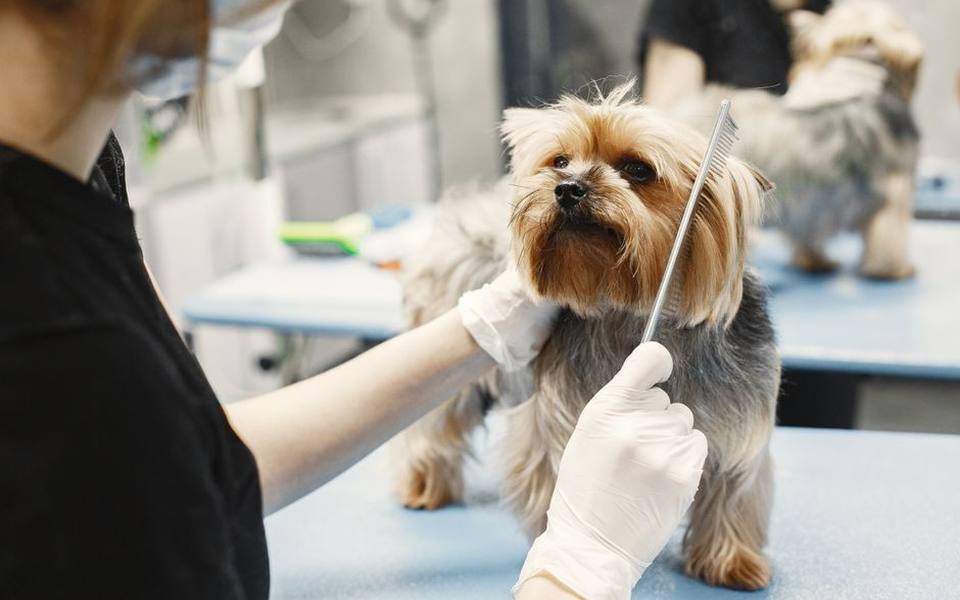
Bathing a neonatal puppy requires extreme caution to prevent hypothermia, which poses a greater immediate threat than the parasites themselves. Use lukewarm water in a warm room free of cold air drafts. Gently lather the body using plain, fragrance-free baby soap or gentle dish soap, carefully avoiding the eyes, nose, and inner ears. To prevent fleas from crawling up onto the face during the bath, apply a thin ring of lather around the puppy's neck before wetting the torso. Thoroughly towel-dry the pup and keep them near a warm heat source until their skin is completely dry.
In severe infestations where manual combing cannot halt life-threatening blood loss, veterinarians may authorize emergency oral medications like nitenpyram. This fast-acting compound typically kills adult fleas within thirty minutes without lingering in bodily tissues. However, regulatory labels generally restrict its use to puppies at least four weeks of age who weigh a minimum of two pounds. Because it provides no residual protection, it serves only as a temporary rescue tool rather than a long-term preventative.
The Hidden Risks of Flea Shampoos on Young Puppies
Many pet parents instinctively reach for grocery store flea shampoos when they first notice pests crawling on their puppy. Unfortunately, most commercial flea washes contain synthetic pyrethroids, permethrins, or concentrated essential oils designed to paralyze adult insects. On a puppy under twelve weeks old, these active ingredients easily penetrate the thin, delicate epidermal barrier and enter the bloodstream. Toxic reactions can manifest as persistent tremors, hypothermia, vomiting, and skin blistering.

Even when labeled for puppies, medicated shampoos provide zero residual defense against future infestations. They kill only the parasites physically present on the coat during the wash, rinsing away down the drain alongside the lather. Once the puppy dries, any eggs hatching in the surrounding carpet or bedding will promptly jump back onto the clean coat. Subjecting a young puppy's delicate skin to repeated chemical baths creates severe dryness and chemical irritation without resolving the underlying flea cycle.
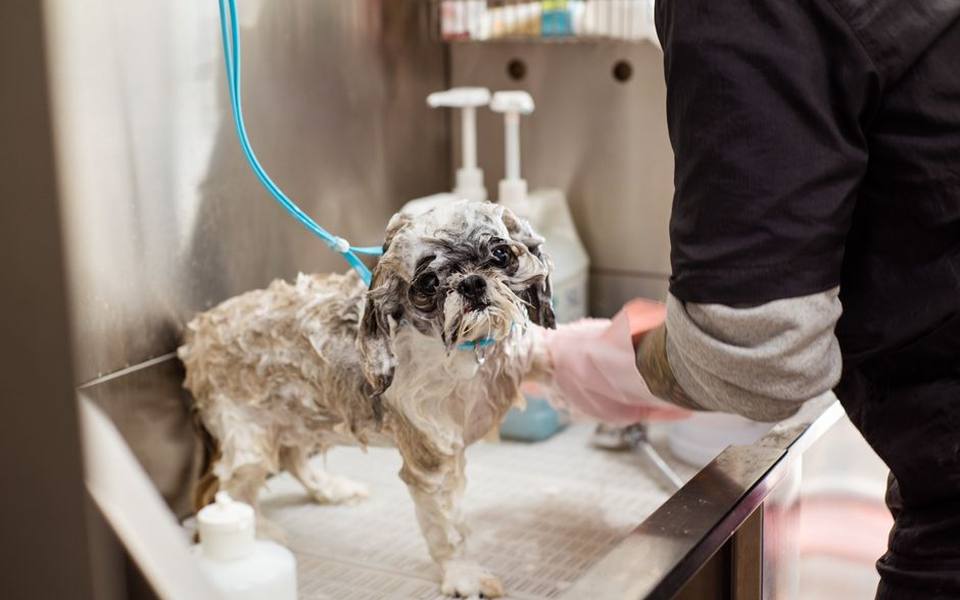
A far safer bathing protocol relies on basic mechanical removal rather than pesticidal action. A gentle wash with warm water and basic moisturizing puppy shampoo loosens flea dirt, suffocates adult fleas, and soothes itchy skin. Combing the wet coat with a fine metal comb while rinsing removes the vast majority of parasites without exposing delicate internal organs to chemical toxins.
Crossing the Eight-Week Milestone for Preventatives
Reaching eight weeks of age marks a major milestone in puppy wellness care, opening the door to conventional veterinary parasite preventatives. At this stage, organ systems have matured enough to metabolize specific active compounds safely. However, age alone is not the only metric that determines treatment safety. Body mass is equally critical, and administering preventative products to an underweight puppy can result in accidental overdosing.
Dosing errors frequently happen when owners estimate a puppy's weight at home instead of using a calibrated scale. A toy breed puppy at eight weeks might weigh under two pounds, placing them below the legal safety threshold of most commercial spot-on products. Conversely, a large breed pup may outgrow the lowest weight band within a couple of weeks. Always obtain an accurate weight measurement before purchasing or applying any parasite medication.
Because eight weeks also coincides with initial core vaccination appointments, this veterinary visit provides the ideal opportunity to establish a parasite prevention schedule. A veterinarian can evaluate local parasite prevalence, verify that the puppy is free of preexisting anemia or intestinal worms, and select an appropriately dosed product tailored to the puppy's precise breed, weight, and lifestyle.
Evaluating Prescription Topicals: Advantage Multi and Advantix
Veterinarians frequently prescribe topical solutions for young dogs, with Advantage Multi being among the most common early choices. This broad-spectrum topical combines imidacloprid and moxidectin to eliminate fleas while protecting against heartworms, hookworms, roundworms, and ear mites. Manufacturer labeling typically clears this formulation for puppies at least seven weeks of age who weigh at least three pounds. Its multi-parasite coverage makes it a popular starting preventative during early puppy development.
Another widely recognized topical option is K9 Advantix II, which uses a combination of imidacloprid, permethrin, and pyriproxyfen to tackle fleas, ticks, and biting mosquitoes. Unlike formulas focused primarily on internal and external worms, this product adds tick repellency, making it useful in regions with high tick density. However, its safety profile typically restricts application to puppies who are at least seven weeks old and weigh a minimum of four pounds.
A vital safety consideration with any permethrin-based topical like Advantix involves other pets living in the household. Permethrin is acutely toxic to felines, causing life-threatening neurological seizures and death if ingested or absorbed. If your puppy shares a home with cats that groom or cuddle the dog, permethrin-free topicals or oral preventatives are essential to keep feline companions safe from accidental exposure.
Selecting between comprehensive heartworm-focused topicals and tick-repelling formulas depends on your geographic region and local parasite pressures. Discussing your puppy's daily routine with a local vet ensures you protect against endemic threats without layering redundant or conflicting chemicals onto an eight-to-ten-week-old puppy.
Oral Versus Topical Flea and Tick Medications
Pet parents often wonder whether chewable oral tablets or topical spot-on liquids are safer for developing puppies. Oral preventatives belonging to the isoxazoline class have revolutionized tick and flea prevention in adult dogs due to their efficacy and cleanliness. However, many oral chewables carry strict minimum age requirements of eight weeks, with some brands requiring twelve or even twenty-four weeks alongside minimum weight thresholds of four to five pounds.
Dividing or splitting chewable tablets to accommodate a smaller puppy is dangerous and strongly discouraged by veterinary pharmacologists. Active ingredients are rarely distributed evenly throughout a chewable tablet or treat. Cutting a tablet in half can deliver an ineffective underdose or a dangerously concentrated overdose to a small puppy. If an oral product does not match your puppy's exact weight bracket, it should not be used.
Topical spot-ons remain popular for puppies under twelve weeks because their weight brackets often start slightly lower than oral options. Spot-ons deposit medication directly into the lipid layer of the skin or hair follicles. When applying a topical liquid, part the puppy's hair between the shoulder blades directly against the skin so the liquid absorbs properly rather than soaking into the fur, where littermates could lick it off.
Identifying and Treating Puppy Lice
While fleas receive the majority of attention, young puppies are also susceptible to canine chewing lice and sucking lice. Unlike fleas, which jump actively across surfaces, canine lice are slow-moving insects that spend their entire life cycle on the host's body. An infested puppy will exhibit intense itching, rough or patchy hair loss, scaly dander, and general agitation. On closer inspection, you may see tiny, pale flat insects moving along the skin or translucent eggs, known as nits, cemented firmly to hair shafts.
Canine lice are strictly species-specific, meaning they cannot live, feed, or reproduce on human skin. However, they transmit rapidly between puppies in crowded conditions, rescues, or neglected litters. Severe sucking lice infestations can worsen existing blood loss and accelerate anemia in fragile young puppies, making prompt diagnosis and treatment essential.
Treating lice on puppies under twelve weeks requires gentle intervention similar to early flea management. Fine nit combs can manually strip glued eggs from the hair shafts, and warm, soapy baths loosen adult lice. For chemical treatment, veterinarians typically prescribe safe spot-on medications containing selamectin or imidacloprid once the puppy reaches the appropriate age and weight threshold. Never use livestock sprays or commercial human head lice products on a puppy, as these chemicals are lethal to canines.
Protecting Puppies in Public and Outdoor Spaces
Balancing early puppy socialization with parasite and disease safety is a common challenge for new owners. Puppies under twelve weeks old have not completed their full vaccination series, nor are they old enough for high-strength tick repellents. Exposing them to tall grass, brushy woods, or untreated outdoor spaces introduces significant exposure risks to ticks, fleas, and wild animal parasites before their immune systems can handle them.
When owners want safe, clean socialization opportunities before outdoor immunity is fully established, controlled facilities like Indoor Dog Parks offer protective environments away from tall weeds and untreated ground. These indoor facilities feature sanitized play surfaces that lower the probability of picking up wandering ticks or fleas from wild wildlife vectors.
As puppies cross the ten-to-twelve-week mark and receive their primary veterinary spot-ons, owners can transition them to cleanly maintained Fenced Dog Parks. Checking directory resources like Dog Parks in Texas or listings in your home state helps locate mowed, well-maintained municipal grounds rather than overgrown rural trails.
Water introduces another variable for young pups. Natural streams and marshy pond banks often harbor dense tick clusters and standing-water parasites. While modern facilities such as Dog Parks with Water Features provide cleaner, regulated splash zones, very young puppies should avoid heavy water play until topical treatments have had at least forty-eight hours to settle into their skin.
Cleaning the Home Environment Without Harsh Chemicals
Treating the puppy is only half the battle, because adult fleas living on the dog represent only about five percent of the total infestation. The remaining ninety-five percent exists throughout your living space as microscopic eggs, crawling larvae, and cocooned pupae tucked into rugs and upholstery. If you do not eradicate the environmental reservoir, freshly hatched fleas will continuously jump onto your puppy, rendering medical treatments far less effective.

Daily vacuuming is the most potent mechanical weapon against environmental flea cycles. Thoroughly vacuum all rugs, hardwood baseboards, crating areas, and upholstered furniture where your puppy rests. The physical vibration from vacuuming stimulates dormant pupae to hatch, pulling them into the canister. Empty your vacuum canister or dispose of the collection bag into an outdoor trash bin immediately so trapped pests cannot crawl back out into your home.
Wash all puppy bedding, crate blankets, and surrounding soft textiles in hot water with laundry detergent weekly, followed by a complete cycle in a high-heat dryer. Heat consistently destroys flea eggs and larvae that manage to survive liquid wash cycles. If your puppy sleeps in a plastic playpen or wire crate, wipe down all floor trays and bars with hot soapy water.
Avoid using broadcast aerosol bug bombs or synthetic indoor foggers in homes housing puppies under twelve weeks old. These products coat floors, baseboards, and toys in chemical residues that young puppies inevitably lick, inhale, or absorb through their paw pads. Rely on diligent vacuuming, hot laundering, and targeted environmental cleaning rather than chemical foggers to protect developing lungs.
Monitoring for Adverse Reactions and When to Call the Vet
Even when using approved medications on older puppies, idiosyncratic drug sensitivities can occur. Following the application of any topical or oral medication, monitor your puppy closely for the next twenty-four to forty-eight hours. Early signs of mild irritation include localized skin redness, temporary hair thinning at the application spot, or head shaking. While mild tingling can happen, persistent scratching or vocalizing warrants closer veterinary evaluation.
Severe adverse reactions require immediate intervention. If your puppy displays systemic symptoms such as heavy salivation, dilated pupils, sudden lethargy, vomiting, diarrhea, or involuntary muscle tremors, contact an emergency veterinary hospital immediately. Insecticide toxicity can escalate rapidly in small animals, making early supportive therapy critical to preventing long-term neurological damage.
If you suspect a topical product is causing an acute reaction, begin decontaminating the coat immediately while preparing to travel to the clinic. Wash the application area repeatedly using lukewarm water and mild grease-cutting dish soap to lift unabsorbed oily medication from the skin. Avoid scrubbing raw skin aggressively, and keep the puppy warm with dry towels to prevent shock while heading for medical evaluation.
Published 2026-09-20 · reviewed with each rebuild, last September 2026.
Find dog parks near you
The directory lists 2,936 dog parks by state and city — pick your state or use the “Near me” button in the header.
More guides
-
 Owning
How to Find and Choose the Best Off-Leash Dog Parks
-
 Owning
What Is a Dog Run? Materials, Design, and Setup Guide
-
 Safety
Taking Your Dog Swimming: Safe Water Spots, Beach Rules, and Health Risks
-
 Service
How Much Does Dog Boarding Cost? A Clear Guide to Kennel Rates
-
 Owning
Dog Training Costs, Obedience Classes, and Essential Health Guidelines
-
 Owning
What Is a Reactive Dog? Signs, Triggers, and Management Guide
-
 Owning
A Practical Guide to Pet Adoption, Surrender Realities, and Essential Daily Care
-
 Safety
How to Safely Exercise and Run with Your Dog: Essential Gear and Conditioning Tips
-
 Safety
Comprehensive Guide to Dog Flea and Tick Treatments: Oral, Topical, and Natural Solutions
-
 Safety
Kennel Cough in Dogs: Symptoms, Home Remedies, and Prescription Treatments
-
 Owning
A Complete Practical Guide to Dog Beaches: Top Coastal Spots and Beach Safety
-
 Owning
Dog Car Seat Covers and Hammocks: Choosing the Best Vehicle Protection
-
 Owning
Understanding the Canine Heat Cycle: Phases, Physical Symptoms, and Female Care
-
 Owning
Essential Dog Hiking Gear: Backpacks, Hands-Free Leashes, and First Aid Kits
-
 Owning
Dog Agility Courses, Private Park Rentals, and Training Facilities: How to Choose the Right Space
-
 Service
Self-Service Dog Wash Stations: Equipment, Costs, and Practical Guide
-
 Buying
Automatic and Manual Dog Ball Launchers: How to Choose the Right Setup for Your Dog
-
 Safety
Complete Guide to Dog Flea and Tick Medications: Chews, Topicals, and Treatments
-
 Safety
Natural Flea and Tick Remedies for Dogs: Practical Home Solutions and Safe Use
-
 Owning
Dog Poop Bags, Dispensers, and Leash Gear for Everyday Walks
-
 Owning
Ultimate Guide to Finding and Visiting Dog Parks and Dog-Friendly Beaches
-
 Safety
Dog Flea and Tick Guide: Comparing Chews, Topicals, Shampoos, and Injections
-
 Owning
A Homeowner's Guide to Backyard Dog Runs, Enclosures, and Exercise Treadmills
-
 Owning
A Complete Guide to Hiking, Camping, and Outdoor Adventures With Dogs
-
 Owning
Dog Health Guide: Giardia Symptoms, Canine Coughs, and Female Heat Cycles
-
 Safety
Understanding Dog Reactivity and Resource Guarding: Training Methods, Daily Management, and Gear
-
 Buying
Dog Car Seat Covers, Hammocks, and Travel Gear: A Practical Buyer's Guide
-
 Buying
Choosing the Right Automatic Ball Launcher and Backyard Play Gear for Active Dogs
-
 Owning
Self-Serve Dog Wash Stations, Towels, and Waste Management
-
 Safety
Complete Dog Flea and Tick Prevention Guide: Chews, Topicals, and Treatments
-
 Owning
Dog Friendly Beaches, Parks, and Travel Destination Guide
-
 Safety
Essential Outdoor Dog Gear: Harnesses, Life Vests, Hot Pavement Boots, and Bags
-
 Safety
Dog Park Safety Guide: Rules, Aggression, First Aid, and Kennel Cough Symptoms
-
 Safety
Comprehensive Guide to Dog and Cat Flea, Tick, and Heartworm Medications
-
 Owning
Designing Home Dog Runs, Agility Courses, and Backyard Play Equipment
-
 Owning
Choosing the Best Car Seat Covers, Hammocks, and Backseat Protectors for Dogs
-
 Buying
Dog Ball Launchers and Automatic Throwers: Selection, Sizing, and Field Guide
-
 Safety
Dog-Safe Yard Care: Pet-Friendly Lawn Fertilizers and Pest Sprays
-
 Owning
Dog Heat Cycles: Symptoms, Duration, and Care During Estrus