Evaluating outdoor gear essentials before your adventure
Venturing outdoors with your dog requires thoughtful preparation that extends far beyond a standard nylon leash and plastic collar. Modern recreational areas present distinct physical challenges ranging from baking asphalt pathways and sharp trail rocks to deep water reservoirs and strong lake currents. Selecting gear designed specifically for your dog's anatomical build and activity level ensures safety while preventing avoidable injuries during routine weekend outings or extended backcountry excursions.
A well-planned outdoor kit focuses on four functional categories: load-bearing control harnesses, buoyant swimming vests, thermal paw protection footwear, and hands-free gear organizers. Investing in specialized outdoor equipment protects joints, prevents heat exhaustion, and minimizes thermal burns from hot surfaces. High-performance gear relies on durable, weather-resistant textiles like ripstop ballistic nylon, breathable air mesh linings, reinforced bar-tack stitching, and corrosion-resistant metal hardware engineered to handle sudden physical strain.
Before making an equipment purchase, you should catalog your primary environments and evaluate how your dog moves through them. A heavy working harness suitable for mountain switchbacks offers too much bulk for open water swimming, while ultralight running booties may wear through quickly on jagged granite trails. Matching specific construction elements to your local terrain ensures equipment functions reliably without impeding natural movement or causing painful skin chafing.
Bulldog body mechanics and buoyancy challenges
Bulldogs present unique biomechanical challenges in the water that make standard commercial life jackets hazardous. Both French bulldogs and English bulldogs possess dense bone density, heavy muscular shoulders, and remarkably compact torsos relative to their body mass. This front-heavy weight distribution causes their rear quarters to sink rapidly, pitching their flat facial profiles downward into the water line. Without specialized buoyancy compensation, brachycephalic dogs struggle to maintain an open airway while swimming.
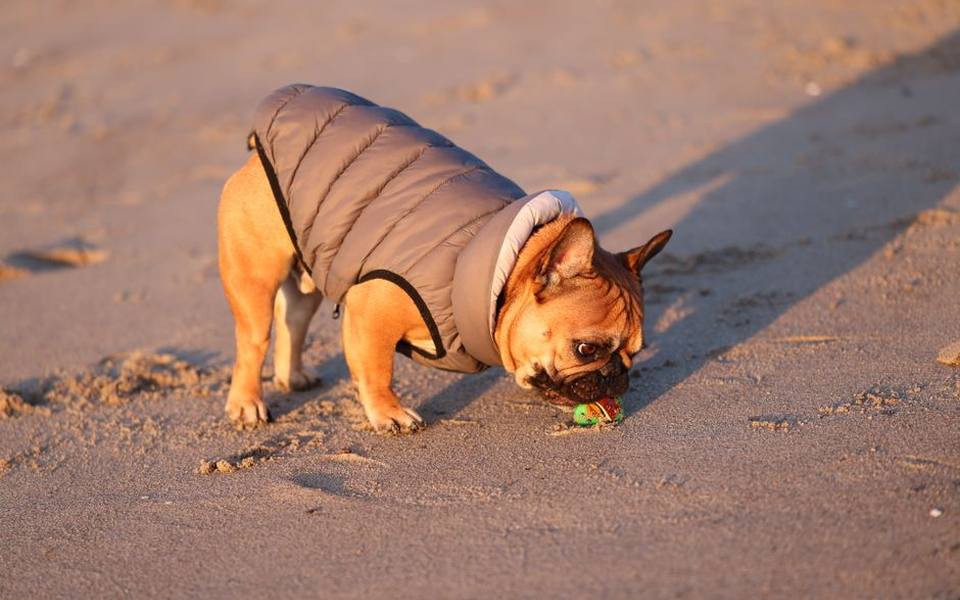
When browsing outdoor swimming gear, pet owners frequently look at dedicated French bulldog life vests or an English bulldog life jacket because generic canine flotation devices distribute foam evenly across the spine. An even distribution of foam fails brachycephalic breeds completely. These dogs require concentrated flotation across the lower abdomen and chest plate to balance their heavy forward mass, alongside an integrated front neck float to prop the chin above splashing waves.
Taking your companion to local lakes or designated dog parks with water features should always involve careful monitoring. Even dogs with natural water drive can exhaust their stamina within two to three minutes when fighting low buoyancy. Investing in a properly configured life vest for bulldogs transforms an otherwise hazardous aquatic environment into a secure recreation area where your pet can exercise safely without panic or respiratory distress.
Selecting the right life jacket for broad-chested dogs
Finding an effective dog life jacket for bulldogs requires focusing on closure integrity, lift rating, and torso dimension ratios. Traditional pet life jackets assume an elongated torso with a deep but narrow rib cage. A French bulldog life jacket, by contrast, must accommodate a wide barrel chest combined with a very short back length. If a vest is cut too long along the belly, it restricts rear leg movement, chafes the groin, and inhibits normal elimination breaks.
Examine the construction of the emergency grab handles placed along the dorsal panel. In broad-chested breeds, these handles must feature heavy box stitching reinforced with industrial webbing extending completely around the dog's rib cage. When you need to retrieve an English bulldog from the water onto a dock or boat deck, single-stitched handles can rip clean off under seventy pounds of wet resistance. Dual-handle designs provide superior leverage and stability when lifting stocky pets.
Material quality determines how well a vest performs over consecutive swimming seasons. High-grade flotation relies on closed-cell foam cores that do not absorb water, rot, or lose buoyancy over time. The exterior shell should feature high-visibility ripstop nylon woven in safety orange, lime yellow, or bright coral, paired with marine-grade reflective bands that remain visible in low-light dawn or dusk conditions along public waterways.
Tactical and no-pull harnesses for challenging terrain
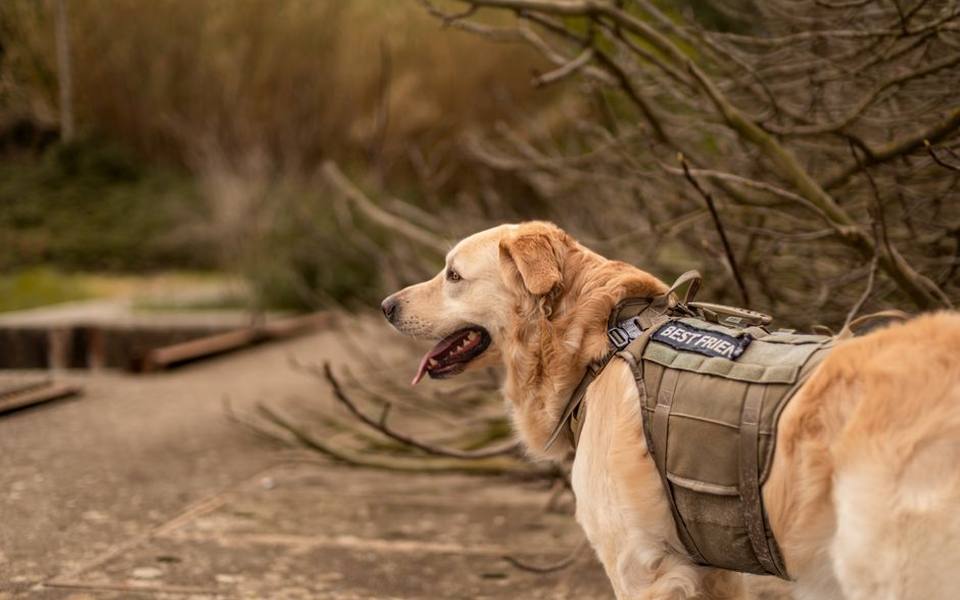
Navigating steep trails or busy trailheads calls for structural gear that maximizes directional control without compressing a dog's windpipe. Tactical harness designs, such as heavy-duty systems popularized by the Auroth dog harness style, feature reinforced nylon shells, heavy metal leash rings, and multi-point adjustment straps. These tactical platforms distribute pulling forces evenly across the chest bone and rib cage, eliminating the throat trauma frequently caused by traditional flat collars during sudden lunges.
Front-clip attachment rings serve as an essential mechanical training tool when managing forward pull on rough pathways. When a dog attempts to surge forward along an unpaved path, a front-mounted chest ring naturally redirects their momentum sideways toward the handler. High-durability harnesses combine this front-steering ring with a secondary heavy-duty back ring for relaxed trail trekking, giving owners operational flexibility depending on environmental distractions and wildlife encounters.
Breathability and padding prevent long-term friction injuries during multi-mile hikes. Look for harnesses equipped with padded chest plates lined with open-cell mesh that wicks away moisture and allows airflow against the underbelly. Padded straps prevent the raw skin abrasions commonly caused by thin nylon webbing cutting into the armpits during repetitive climbing movements, especially for dogs with thin or single-layer coats.
Pavement heat risks and thermal paw protection
Asphalt absorbs solar radiation rapidly, reaching temperatures capable of blistering canine paw pads within sixty seconds of contact. When air temperatures read eighty-five degrees Fahrenheit, direct sun exposure can easily push blacktop pavement temperatures past one hundred and thirty degrees. Urban pet owners walking through paved recreation areas or expansive parking lots must treat ground thermal conditions as a serious physical hazard requiring mechanical foot protection.
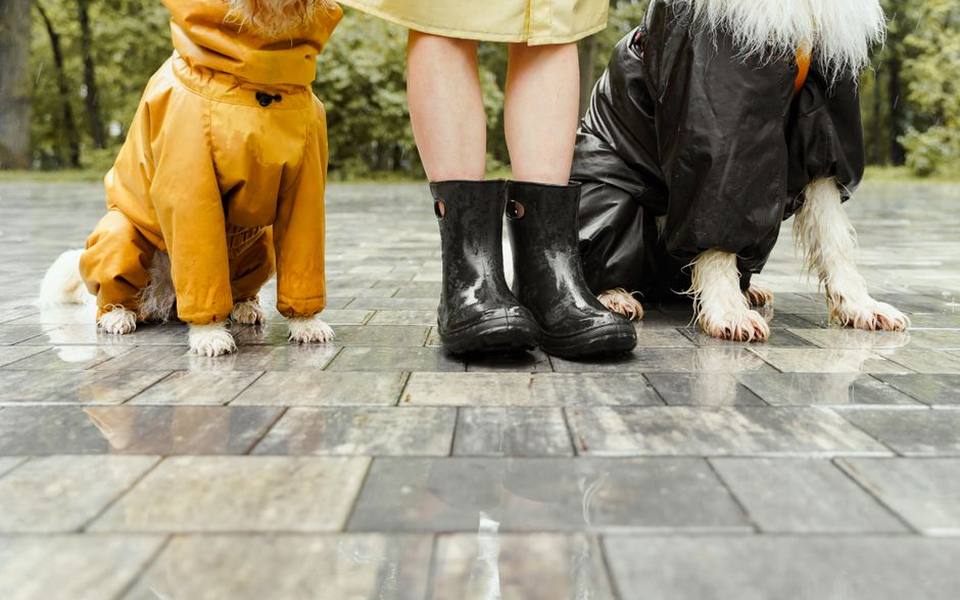
Investing in dog boots for hot pavement shields sensitive foot tissues from severe thermal burns while maintaining natural foot flexibility. Quality thermal boots feature grooved rubber outsoles engineered to dissipate ground heat and prevent puncture injuries from glass shards, sharp gravel, or urban metal debris. Unlike winter snow booties, summer paw wear must prioritize thermal insulation from below while venting heat outward through the upper canopy of the boot.
In warm regions like those found around dog parks in Texas, summer walks without paw insulation carry significant veterinary burn risks. Purpose-built summer models, such as Canada Pooch hot pavement boots, utilize breathable mesh uppers paired with heat-resistant synthetic rubber soles. This open construction allows the dog's feet to vent moisture naturally through their sweat glands while preventing heat transfer from baking concrete surfaces.
Fitting and acclimating your dog to outdoor footwear
Achieving a secure bootie fit demands precise measurement of paw width rather than paw length. Have your dog stand flat on a sheet of paper with their full weight pressing down, then mark the widest points on either side of the paw pad. A boot that matches this exact measurement provides the necessary toe spread during active gait strides without twisting around the ankle joint or flying off mid-stride.
Securing summer boots requires dual-wrap hook-and-loop straps situated above the carpal joint on front legs and above the hock on rear legs. The closure must fit snugly enough to prevent the boot from rotating, but loose enough to avoid cutting off circulation to the foot pads. A practical test is sliding a single fingertip under the fastened strap; if you meet light resistance, the tension is properly adjusted for trail walking.
Acclimating a dog to boots requires patience and gradual positive reinforcement inside the home before tackling outdoor terrain. Most dogs display an exaggerated, high-stepping gait when first wearing boots, which is a normal sensory reaction. Fasten two boots on the front paws first, offer high-value rewards while encouraging continuous forward movement, and transition to all four paws across three to five brief daily training sessions before venturing out.
Hands-free leashes and trail gear organizers
Managing multiple dogs or navigating steep terrain becomes significantly safer when your hands remain free to maintain balance. Hands-free waist leash systems anchor your companion to your core center of gravity, preventing sudden falls caused by an unexpected pull on a handheld strap. These systems incorporate durable bungee dampeners that absorb the sudden shock of forward lunges, protecting both the human spine and the dog's skeletal frame from jarring impacts.
Paired with hands-free leashes, modular trail bags and utility packs streamline waste and supply management. Trail organizers feature dedicated zippered pockets for carrying collapsible silicone water bowls, single-serve hydration packets, pet first-aid supplies, and training treats. Look for packs featuring reinforced waste bag dispensers and odor-sealed waste storage compartments so used bags remain isolated from clean supplies throughout your outdoor excursion.
For owners of medium and large working breeds, canine backpack harnesses allow the dog to carry their own trail provisions. However, veterinary standards dictate that healthy dogs should carry no more than ten to fifteen percent of their body weight, including pack hardware. Distribute weight with absolute symmetry across both saddlebags to prevent gait imbalances, spinal curvature strain, or friction rubbing against the lateral ribs.
Managing thermal loads and hydration in southern states
Outdoor recreation across warm-weather regions presents severe environmental challenges that demand proactive heat management strategies. High ambient temperatures combined with high humidity severely limit a dog's primary cooling mechanism, which relies entirely on moisture evaporating from the tongue during panting. Heavy-coated or short-muzzled dogs can develop dangerous heat exhaustion within twenty minutes of moderate physical exertion under bright midday sun.
Visiting public recreation spaces such as popular dog parks in Florida or open facilities across dog parks in California requires specialized thermal management gear. Evaporative cooling vests utilize layered fabric technology that absorbs cold water and releases it slowly through evaporation, drawing ambient heat away from the dog's chest cavity. These cooling layers help stabilize resting core body temperatures during active park play.
Hydration packs must carry adequate fresh water for both handler and dog, as relying on communal park bowls presents bacterial transmission hazards. Portable squeeze bottles equipped with integrated silicone leaf bowls allow you to offer clean water frequently without waste. If your dog exhibits excessive panting, thick ropy saliva, or bright red gums, seek shaded airflow immediately and apply cool water to their paw pads and belly.
Inspecting, cleaning, and maintaining technical gear
Outdoor dog gear endures intense mechanical wear from sand abrasion, saltwater immersion, mud exposure, and continuous dynamic tension. Establishing a regular post-trip maintenance routine preserves the structural integrity of your investment and prevents unexpected equipment failures on the trail. Check webbing seams, D-ring connection points, and buckle prongs for microscopic stress fractures or frayed threading after every major outing.
Flotation vests and tactical harnesses require thorough rinsing in fresh, cool tap water immediately following exposure to saltwater or chlorinated swimming facilities. Salt crystals dry into sharp mineral edges that cut into nylon fibers, while pool chemicals degrade closed-cell buoyant foam. Wash equipment using mild, scent-free detergent, and hang items to air dry completely in shaded areas away from direct solar UV degradation.
Booties demand specific attention to maintain traction and seam strength. Wash away trapped grit and sand particles that accumulate inside the toe box, as dried grit acts like sandpaper against sensitive paw pads during subsequent walks. Check the rubber sole tread for uneven wear patterns, and condition flexible rubber compounds periodically to prevent premature dry rotting or cracking along flex points.
Safe gear deployment in shared public spaces
Transitioning from wilderness trails to structured municipal dog parks requires situational awareness regarding equipment safety. While tactical harnesses and protective booties provide immense value on the approach trail, certain items pose unexpected hazards within off-leash play enclosures. Straps, handles, and pack pouches can entangle other dogs' jaws or paws during spirited wrestling sessions, turning friendly interactions into stressful situations.
When arriving at secure fenced dog parks, assess whether your dog needs to remain geared up or stripped down to a basic flat breakaway collar. If your dog wears a tactical harness with a heavy-duty back handle, monitor play closely to ensure roughhousing companions do not catch teeth under the handle webbing. If surface temperatures permit, removing boots inside grassy enclosures allows natural paw grip and sensory enrichment.
Maintaining a well-organized vehicle staging area ensures seamless transitions between the road, the trail, and the park. Storing clean towels, secondary hydration reserves, first-aid kits, and spare booties in dedicated vehicle bins keeps dirty trail grime isolated. Taking the time to equip, inspect, and transition your outdoor gear properly guarantees that every excursion remains an enjoyable, safe adventure for both you and your companion.
Published 2026-09-20 · reviewed with each rebuild, last September 2026.
Find dog parks near you
The directory lists 2,936 dog parks by state and city — pick your state or use the “Near me” button in the header.
More guides
-
 Owning
How to Find and Choose the Best Off-Leash Dog Parks
-
 Owning
What Is a Dog Run? Materials, Design, and Setup Guide
-
 Safety
Taking Your Dog Swimming: Safe Water Spots, Beach Rules, and Health Risks
-
 Service
How Much Does Dog Boarding Cost? A Clear Guide to Kennel Rates
-
 Owning
Dog Training Costs, Obedience Classes, and Essential Health Guidelines
-
 Owning
What Is a Reactive Dog? Signs, Triggers, and Management Guide
-
 Owning
A Practical Guide to Pet Adoption, Surrender Realities, and Essential Daily Care
-
 Safety
How to Safely Exercise and Run with Your Dog: Essential Gear and Conditioning Tips
-
 Safety
Comprehensive Guide to Dog Flea and Tick Treatments: Oral, Topical, and Natural Solutions
-
 Safety
Kennel Cough in Dogs: Symptoms, Home Remedies, and Prescription Treatments
-
 Owning
A Complete Practical Guide to Dog Beaches: Top Coastal Spots and Beach Safety
-
 Owning
Dog Car Seat Covers and Hammocks: Choosing the Best Vehicle Protection
-
 Owning
Understanding the Canine Heat Cycle: Phases, Physical Symptoms, and Female Care
-
 Owning
Essential Dog Hiking Gear: Backpacks, Hands-Free Leashes, and First Aid Kits
-
 Owning
Dog Agility Courses, Private Park Rentals, and Training Facilities: How to Choose the Right Space
-
 Service
Self-Service Dog Wash Stations: Equipment, Costs, and Practical Guide
-
 Buying
Automatic and Manual Dog Ball Launchers: How to Choose the Right Setup for Your Dog
-
 Safety
Complete Guide to Dog Flea and Tick Medications: Chews, Topicals, and Treatments
-
 Safety
Natural Flea and Tick Remedies for Dogs: Practical Home Solutions and Safe Use
-
 Safety
Safe Flea and Parasite Treatments for Puppies Under 12 Weeks
-
 Owning
Dog Poop Bags, Dispensers, and Leash Gear for Everyday Walks
-
 Owning
Ultimate Guide to Finding and Visiting Dog Parks and Dog-Friendly Beaches
-
 Safety
Dog Flea and Tick Guide: Comparing Chews, Topicals, Shampoos, and Injections
-
 Owning
A Homeowner's Guide to Backyard Dog Runs, Enclosures, and Exercise Treadmills
-
 Owning
A Complete Guide to Hiking, Camping, and Outdoor Adventures With Dogs
-
 Owning
Dog Health Guide: Giardia Symptoms, Canine Coughs, and Female Heat Cycles
-
 Safety
Understanding Dog Reactivity and Resource Guarding: Training Methods, Daily Management, and Gear
-
 Buying
Dog Car Seat Covers, Hammocks, and Travel Gear: A Practical Buyer's Guide
-
 Buying
Choosing the Right Automatic Ball Launcher and Backyard Play Gear for Active Dogs
-
 Owning
Self-Serve Dog Wash Stations, Towels, and Waste Management
-
 Safety
Complete Dog Flea and Tick Prevention Guide: Chews, Topicals, and Treatments
-
 Owning
Dog Friendly Beaches, Parks, and Travel Destination Guide
-
 Safety
Dog Park Safety Guide: Rules, Aggression, First Aid, and Kennel Cough Symptoms
-
 Safety
Comprehensive Guide to Dog and Cat Flea, Tick, and Heartworm Medications
-
 Owning
Designing Home Dog Runs, Agility Courses, and Backyard Play Equipment
-
 Owning
Choosing the Best Car Seat Covers, Hammocks, and Backseat Protectors for Dogs
-
 Buying
Dog Ball Launchers and Automatic Throwers: Selection, Sizing, and Field Guide
-
 Safety
Dog-Safe Yard Care: Pet-Friendly Lawn Fertilizers and Pest Sprays
-
 Owning
Dog Heat Cycles: Symptoms, Duration, and Care During Estrus