How Canine Heat Differs from Human Menstruation
Dogs do not experience menstruation in the human sense, even though many pet owners casually refer to their bloody discharge as a period. In humans, menstruation marks the shedding of the uterine lining at the conclusion of an infertile reproductive cycle. In dogs, bloody discharge occurs at the beginning of the fertile window during the proestrus phase. The blood originates from engorged vascular walls inside the reproductive tract rather than from a breakdown of the uterine lining.
Because of this biological difference, bleeding signals that a female dog is entering her reproductive cycle rather than completing one. Intact females typically display discharge as estrogen levels surge, preparing the body for ovulation. Understanding this distinction helps owners realize that bleeding indicates imminent fertility rather than the end of a cycle. You should never assume that bleeding means the risk of pregnancy has passed, because ovulation typically happens right as the heaviest bleeding tapers off.
Pet owners who wonder whether their dog has a period usually notice small droplets of reddish fluid on dog bedding, light-colored tile, or outdoor patios. Some dogs groom themselves so thoroughly that owners never see visible spots, while others produce a steady flow. Recognizing that this bleeding is part of the canine estrous cycle rather than human-style menses helps you monitor her health accurately and prevent accidental matings.
When Young Dogs Experience Their First Heat
A young female dog typically experiences her first heat cycle between six and twenty-four months of age, depending heavily on her breed size and individual genetic timeline. Small breeds such as toy poodles, Chihuahuas, and small terriers tend to mature much faster, frequently having their initial season around six or seven months. In contrast, large and giant breeds like Great Danes or Mastiffs often take twelve to eighteen months, or even longer, before their first heat occurs.

Owners often wonder when their dog will get her first period because the timing seems unpredictable during adolescence. It is completely normal for a young puppy's first season to arrive without much advance warning. Some young females experience what veterinarians call a silent heat, where hormonal changes take place internally with minimal external swelling or noticeable bleeding. If you notice subtle shifts in appetite or sudden moodiness in an adolescent dog, her first reproductive cycle may be starting quietly.
Tracking the timing of that first season provides valuable baseline information for her entire reproductive life. Most intact females establish a predictable rhythm of coming into season roughly twice every twelve months, or about every six months on average. Very large breeds might cycle only once a year, while smaller dogs might cycle every four to five months. Keeping a simple calendar record of dates helps you anticipate future cycles and manage her routines well ahead of time.
The Four Distinct Phases of the Canine Estrous Cycle
The complete canine estrous cycle consists of four distinct stages: proestrus, estrus, diestrus, and anestrus. Proestrus is the preliminary stage where outward physical signs begin to appear, typically lasting about nine days on average. During proestrus, estrogen levels peak, causing physical tissue changes, but the female will firmly reject any breeding attempts by male dogs. She may tuck her tail tightly, sit down abruptly, or growl to warn off overly interested suitors.
Estrus follows immediately after proestrus and represents the actual fertile window where conception can take place. Estrogen levels drop sharply while progesterone begins to climb, prompting ovulation. During estrus, the female becomes receptive to males, often deflecting her tail to one side in a behavior known as flagging. This fertile stage typically persists for roughly five to nine days, though individual variations are common across different breeds and age groups.
Diestrus begins when the fertile window closes, regardless of whether mating occurred. Lasting approximately two months, diestrus is dominated by high progesterone levels as the body either supports pregnancy or slowly returns to baseline. Finally, anestrus is the prolonged rest period between reproductive cycles, usually lasting around four months. During anestrus, the reproductive tract remains hormonally quiet, giving the dog's body adequate time to recover before the next cycle starts.
Understanding the Timeline and How Long Heat Lasts
When discussing canine heat cycle length, owners typically focus on the active phase that requires management, which spans both proestrus and estrus. Taken together, this active portion typically lasts between two and four weeks, with three weeks being the standard benchmark for most breeds. During these active weeks, the female produces scent markers, exhibits physical swelling, and poses a significant risk for accidental breeding if not kept strictly separated from intact males.
The duration of active estrus itself can vary from dog to dog, sometimes lasting as short as three days or extending up to twelve days. Because the transition between proestrus and estrus is not always accompanied by an abrupt visual shift, pinpointing the exact day of ovulation at home is difficult. Most owners should assume their dog remains fertile for at least twenty-one full days after the first signs of vulvar swelling or bleeding appear.
Planning around this timeline requires patience and consistent vigilance from everyone in the household. Marking the start date on a calendar allows you to estimate when the high-risk window will safely close. Assuming a cycle is finished prematurely is one of the most common causes of unintended litters. Waiting until all swelling has resolved and male dogs show no lingering curiosity is the safest way to verify that the active cycle has completely concluded.
Recognizing Physical Changes and Swelling
One of the most noticeable early indicators of an approaching cycle is a female dog with a swollen vulva. The external genitalia can swell to two or three times their ordinary size as blood flow to the pelvic region increases under rising estrogen. Owners who have never seen an intact dog enter season are often startled to find their dog's vulva noticeably enlarged and firmer than usual. This enlargement is an entirely natural physiological response that prepares the reproductive tract for potential mating and whelping.
Along with vulvar enlargement, you will notice changes in the color and consistency of vaginal discharge throughout the cycle. In the beginning stages of proestrus, the fluid is typically a deep red or dark pink and looks very much like fresh blood. As the dog shifts into true estrus, the discharge generally lightens to a watery, straw-colored or salmon-tinted fluid. Towards the end of the heat, discharge tapers off completely and the swollen tissues slowly soften and shrink.
Frequent grooming of the hindquarters is another physical telltale sign during this period. Many females spend extended periods licking their vulva to keep themselves clean, which can occasionally mask the presence of discharge from casual observation. Checking her bedding or running a clean white paper towel gently across the area can help you confirm whether active bleeding is occurring if her constant licking makes visual identification difficult.
Behavioral Shifts and Scent Marking
Hormonal fluctuations throughout the heat cycle trigger pronounced behavioral changes that can surprise even experienced pet owners. During proestrus, some females become unusually clingy, seeking constant physical affection and reassurance from their humans, while others turn moody, nervous, or easily startled. Appetite changes are also very common; a dog might leave her regular food untouched for a day or two, only to regain a ravenous appetite once hormone levels level out.
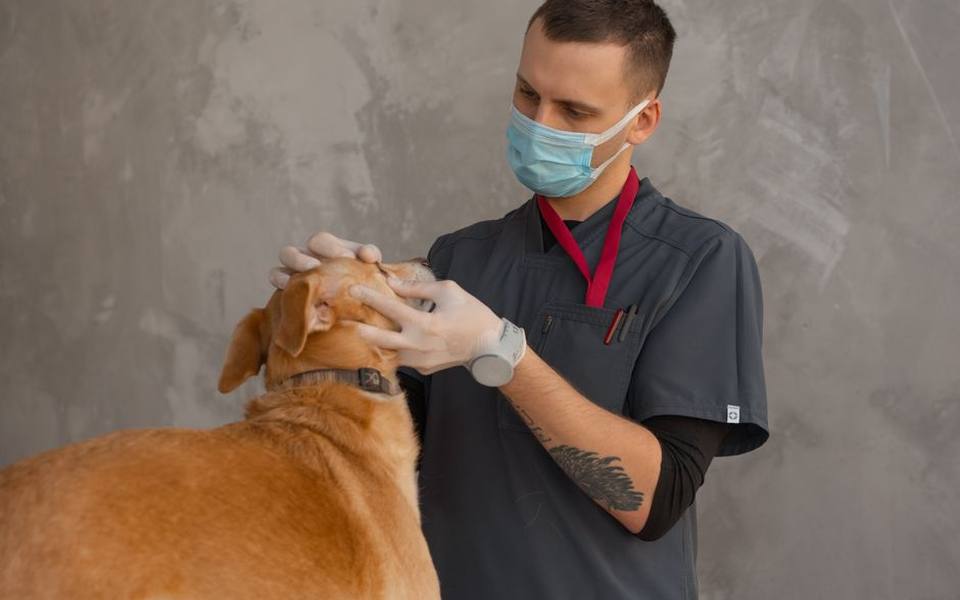
As fertile estrus approaches, instinctual breeding behaviors take center stage. The female may begin scent marking frequently on walks, lifting her hind leg or squatting repeatedly to deposit small amounts of urine containing potent pheromones. Scent marking functions as an open chemical broadcast to any male dog within catching distance. Indoors, she might pace near doors, whine at windows, or attempt to slip through open entryways in response to strong reproductive instincts.
Flagging is the most definitive behavioral hallmark of standing heat. If you touch her lower back near the base of the tail, she will often stiffen her hind legs, raise her rear, and swing her tail completely to one side to expose her swollen vulva. While this posture confirms that she is in peak standing estrus, it also signals that maximum confinement and security measures must be maintained around the house.
Managing Household Cleanliness and Hygiene
Keeping your living space tidy while caring for an intact female in season requires practical preparation and simple household adaptations. Washable or disposable dog diapers, often marketed as hygiene pants, are an effective way to keep blood droplets off carpets, rugs, and furniture. If you choose to use hygiene pants, remember to remove them every few hours so your dog can relieve herself outdoors and groom herself naturally without trapped moisture causing skin irritation.
Designating an easy-to-clean resting area during the heaviest bleeding phase can save significant cleanup time. Tiling, hardwood floors, or designated crates lined with old, washable towels or fleece blankets provide comfortable spots that can be laundered daily. Avoiding carpeted rooms or laying down inexpensive washable runner rugs along her regular walking paths protects your home while keeping your pet relaxed. Gentle pet-safe hygiene wipes can also be used around her rear if discharge accumulates on long fur.
Hygiene pants must never be considered an anti-mating device. While diapers keep blood off upholstery, they offer no genuine physical barrier against a determined male dog. Fabric pants can be pushed aside or shredded in seconds during an unsupervised encounter. Use diapers strictly for keeping floors clean and rely entirely on solid physical barriers and closed doors to prevent unwanted contact with intact neighborhood males.
Why Public Off-Leash Areas Are Off-Limits
Under no circumstances should an intact female in heat be brought to a public dog park, whether it is an outdoor facility or an indoor venue. The potent pheromones carried in her urine and vaginal discharge can be detected by male dogs from more than a mile away. Introducing those reproductive scents into a communal play area immediately disrupts the social balance of the group, frequently sparking intense aggression, resource guarding, and vicious dominance battles among otherwise peaceful male dogs.
Even if a facility features a fully fenced off-leash area, containment fences do not eliminate the hormonal chaos an in-season female creates. Intact males will mount aggressively, jump fences, or fight each other to reach her, putting owners and pets at immediate physical risk. Most municipal park rules across all states explicitly prohibit females in season from entering public dog parks precisely to avoid these dangerous confrontations and prevent unintentional breeding incidents on public grounds.
If you live in an urban or suburban area with high dog density, even walking past park boundaries during peak heat can attract unwanted attention from off-leash pets. Keeping your female strictly at home or in your own secure yard for the full three-to-four-week period protects both your dog and the wider canine community. Once her cycle fully clears and her scent returns to normal, you can safely return to enjoying social spaces together.
Safe Exercise and Mental Stimulation at Home
Just because public parks are off-limits does not mean an in-season female must spend weeks bored and understimulated. Physical exercise can be managed safely through controlled walks on a standard, non-retractable six-foot leash in quiet residential neighborhoods during off-peak hours. Always scan the horizon for roaming or off-leash dogs and avoid heavily trafficked pedestrian greenways. Private fenced yards provide safe outdoor air, provided you never leave her unattended, as stray males can easily jump low fences.

Mental stimulation is often more effective than physical running when it comes to burning excess nervous energy during heat. Food puzzle toys, snuffle mats, frozen lick mats, and indoor scent-tracking games challenge a dog's brain without requiring her to leave the living room. Teaching new obedience cues, trick training, and practicing gentle indoor agility work keep her mind engaged and reduce the restlessness or pacing that often accompanies hormonal surges during her fertile window.
While owners of energetic dogs often look for alternative venues like an indoor, weather-protected play area during bad weather, public indoor parks also prohibit dogs in season. Reserving private rental yards or organizing quiet outdoor sniff sessions in a trusted friend's secure yard can be great alternatives. Once her heat has fully passed, you can explore premier regional spots, including expansive facilities like dog parks in Texas, with complete confidence.
Potential Health Complications and When to Call a Vet
While the canine heat cycle is a normal biological event, it carries specific medical risks that every owner should understand. The most serious condition linked to the post-heat period is pyometra, a life-threatening bacterial infection of the uterus. Pyometra typically develops two to eight weeks after estrus concludes, during the diestrus phase when the uterine lining is thick and progesterone levels remain elevated. Bacteria enter through the open cervix during heat and multiply, creating a severe, toxic infection.
Symptoms of open pyometra include foul-smelling, cloudy, or pus-filled vaginal discharge, while closed pyometra shows no external discharge but causes extreme lethargy, vomiting, fever, increased thirst, and frequent urination. If you notice persistent lethargy, an enlarged abdomen, or abnormal fluid discharge weeks after a heat cycle has ended, veterinary care must be sought immediately. Emergency surgical removal of the infected uterus is typically required to save the dog's life.
Another common post-cycle phenomenon is false pregnancy, or pseudopregnancy, where a non-pregnant female acts as though she is carrying or nursing puppies. She may nest with stuffed toys, display enlarged mammary glands, or even produce milk several weeks after estrus. While false pregnancies typically resolve on their own within a few weeks without medical intervention, consulting your veterinarian helps rule out underlying hormonal or uterine complications.
Published 2026-09-20 · reviewed with each rebuild, last September 2026.
Find dog parks near you
The directory lists 2,936 dog parks by state and city — pick your state or use the “Near me” button in the header.
More guides
-
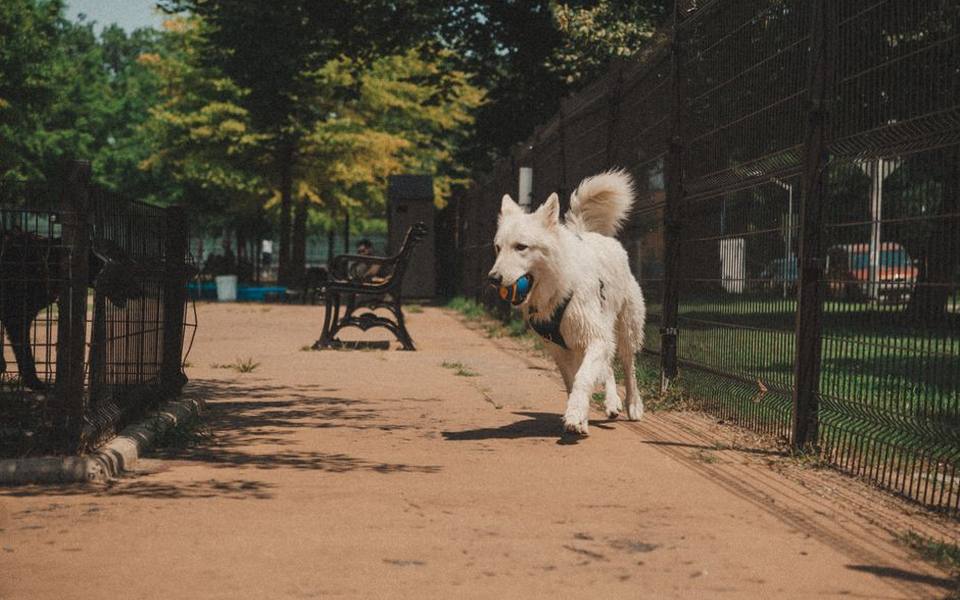 Owning
How to Find and Choose the Best Off-Leash Dog Parks
-
 Owning
What Is a Dog Run? Materials, Design, and Setup Guide
-
 Safety
Taking Your Dog Swimming: Safe Water Spots, Beach Rules, and Health Risks
-
 Service
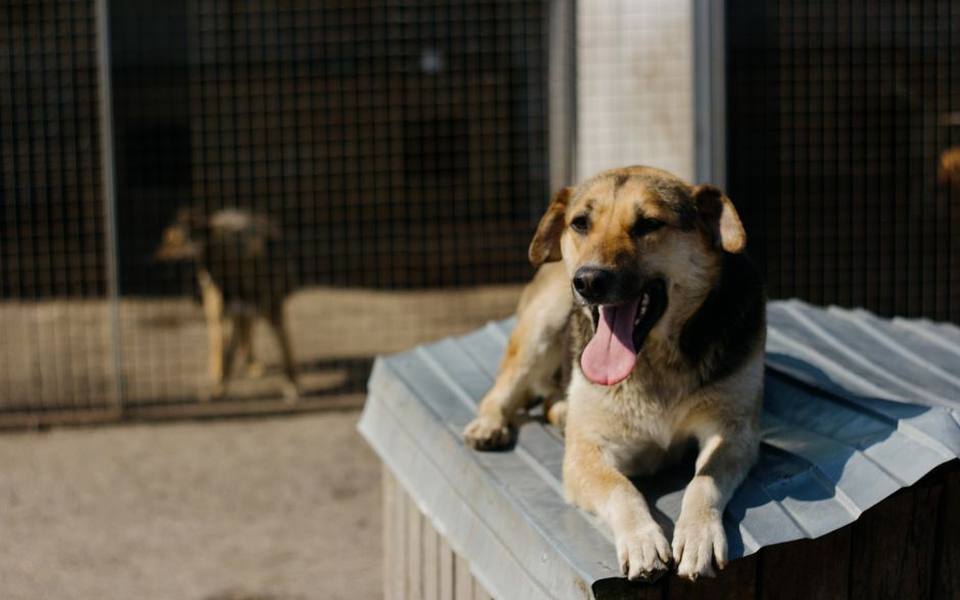
How Much Does Dog Boarding Cost? A Clear Guide to Kennel Rates
-
 Owning
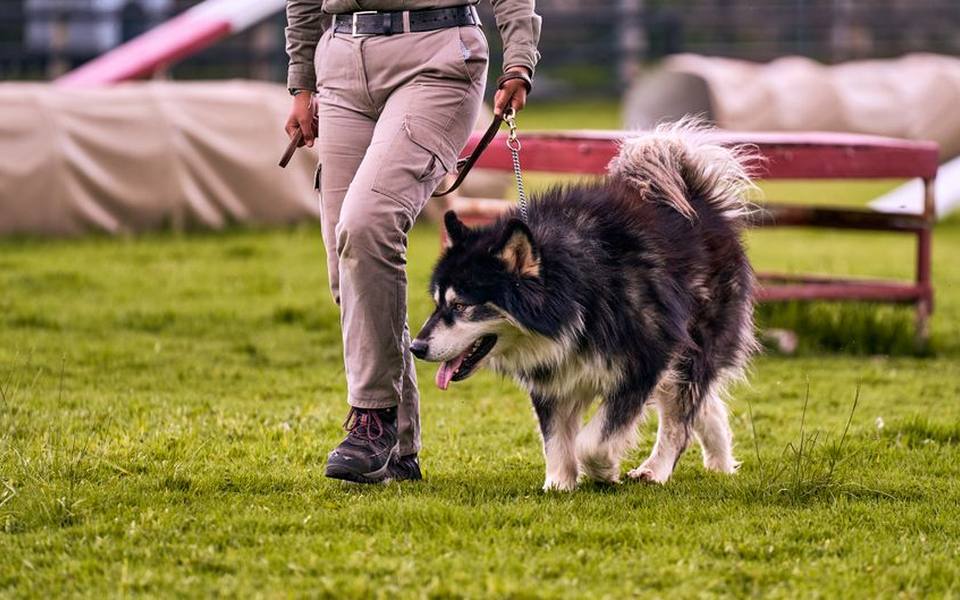
Dog Training Costs, Obedience Classes, and Essential Health Guidelines
-
 Owning
What Is a Reactive Dog? Signs, Triggers, and Management Guide
-
 Owning
A Practical Guide to Pet Adoption, Surrender Realities, and Essential Daily Care
-
 Safety
How to Safely Exercise and Run with Your Dog: Essential Gear and Conditioning Tips
-
 Safety
Comprehensive Guide to Dog Flea and Tick Treatments: Oral, Topical, and Natural Solutions
-
 Safety
Kennel Cough in Dogs: Symptoms, Home Remedies, and Prescription Treatments
-
 Owning
A Complete Practical Guide to Dog Beaches: Top Coastal Spots and Beach Safety
-
 Owning
Dog Car Seat Covers and Hammocks: Choosing the Best Vehicle Protection
-
 Owning
Understanding the Canine Heat Cycle: Phases, Physical Symptoms, and Female Care
-
 Owning
Essential Dog Hiking Gear: Backpacks, Hands-Free Leashes, and First Aid Kits
-
 Owning
Dog Agility Courses, Private Park Rentals, and Training Facilities: How to Choose the Right Space
-
 Service
Self-Service Dog Wash Stations: Equipment, Costs, and Practical Guide
-
 Buying
Automatic and Manual Dog Ball Launchers: How to Choose the Right Setup for Your Dog
-
 Safety
Complete Guide to Dog Flea and Tick Medications: Chews, Topicals, and Treatments
-
 Safety
Natural Flea and Tick Remedies for Dogs: Practical Home Solutions and Safe Use
-
 Safety
Safe Flea and Parasite Treatments for Puppies Under 12 Weeks
-
 Owning
Dog Poop Bags, Dispensers, and Leash Gear for Everyday Walks
-
 Owning
Ultimate Guide to Finding and Visiting Dog Parks and Dog-Friendly Beaches
-
 Safety
Dog Flea and Tick Guide: Comparing Chews, Topicals, Shampoos, and Injections
-
 Owning
A Homeowner's Guide to Backyard Dog Runs, Enclosures, and Exercise Treadmills
-
 Owning
A Complete Guide to Hiking, Camping, and Outdoor Adventures With Dogs
-
 Owning
Dog Health Guide: Giardia Symptoms, Canine Coughs, and Female Heat Cycles
-
 Safety
Understanding Dog Reactivity and Resource Guarding: Training Methods, Daily Management, and Gear
-
 Buying
Dog Car Seat Covers, Hammocks, and Travel Gear: A Practical Buyer's Guide
-
 Buying
Choosing the Right Automatic Ball Launcher and Backyard Play Gear for Active Dogs
-
 Owning
Self-Serve Dog Wash Stations, Towels, and Waste Management
-
 Safety
Complete Dog Flea and Tick Prevention Guide: Chews, Topicals, and Treatments
-
 Owning
Dog Friendly Beaches, Parks, and Travel Destination Guide
-
 Safety
Essential Outdoor Dog Gear: Harnesses, Life Vests, Hot Pavement Boots, and Bags
-
 Safety
Dog Park Safety Guide: Rules, Aggression, First Aid, and Kennel Cough Symptoms
-
 Safety
Comprehensive Guide to Dog and Cat Flea, Tick, and Heartworm Medications
-
 Owning
Designing Home Dog Runs, Agility Courses, and Backyard Play Equipment
-
 Owning
Choosing the Best Car Seat Covers, Hammocks, and Backseat Protectors for Dogs
-
 Buying
Dog Ball Launchers and Automatic Throwers: Selection, Sizing, and Field Guide
-
 Safety
Dog-Safe Yard Care: Pet-Friendly Lawn Fertilizers and Pest Sprays