Mapping out an outdoor vacation with your canine companion
Taking your dog along on an extended trip requires balancing land management rules, trail terrain, and physical endurance. A successful outdoor excursion depends on researching property boundaries beforehand, as regulations shift dramatically between national parks, state forests, and regional recreation areas. Knowing where domestic animals are legally allowed off-pavement ensures you avoid expensive fines while protecting your pet from regional hazards. Starting with manageable distances allows you to evaluate how your pet handles vehicle travel, unpredictable trail noises, and overnight accommodations before committing to remote wilderness itineraries.
Your travel schedule must factor in realistic rest cycles alongside outdoor excursions. Dogs absorb sensory stimulation continuously in new environments, which often leads to mental exhaustion even before strenuous physical exercise begins. Scheduling deliberate downtime between trail outings keeps stress levels manageable and prevents reactive behavior around unfamiliar people or wildlife. Plotting routine rest stops every couple of hours prevents motion sickness and gives working breeds a productive outlet to stretch their legs during long highway drives across interstate corridors.
Accommodations dictate much of your trip structure. Whether you choose backcountry tenting, dispersed public lands, or rustic rental cabins, verify pet guidelines directly with property stewards rather than relying on outdated third-party websites. Deposit fees, breed parameters, and crating rules can shift without notice depending on seasonal staffing and management choices. Planning routes near verified pet recreation directories ensures you always have secure spots to stretch out after extended stretches behind the wheel.
Finding trails that welcome four-legged hikers
Public hiking paths are governed by differing land management agencies, each with distinct standards regarding domestic animals. In general, national forests and Bureau of Land Management tracts welcome leashed pets across vast backcountry networks, whereas national parks generally limit dogs to paved pullouts and developed picnic corridors to protect sensitive wildlife habitats. State parks vary widely by region, with some systems welcoming leashed pets everywhere and others banning them from rugged natural preserves. Checking local ranger district notices before setting off saves hours of detour driving.
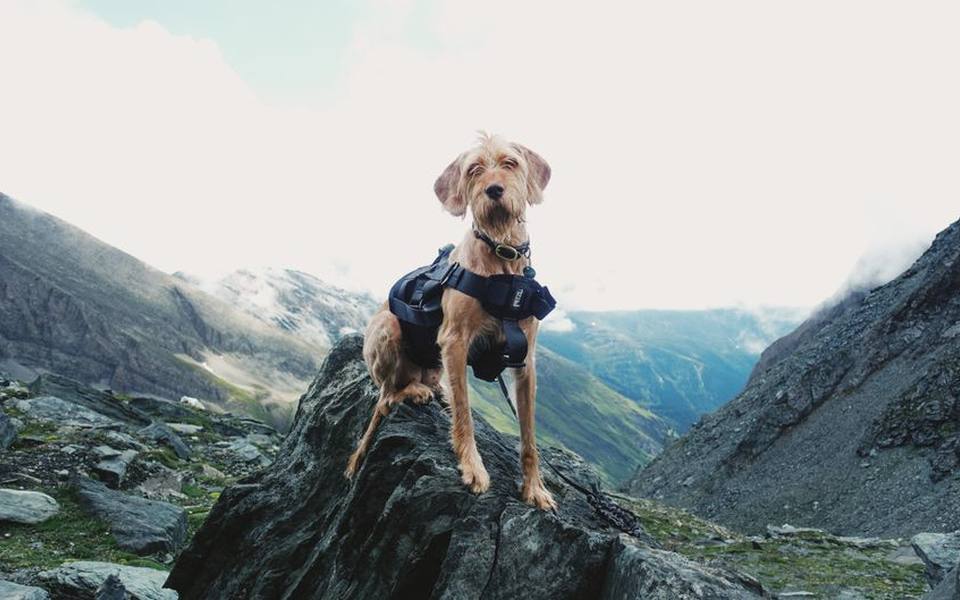
Evaluating trail topography is just as vital as confirming pet access policies. Sharp granite scree, exposed ridgelines with sheer drops, and trails requiring ladder climbs or iron rung ascents present severe hazards for four-legged hikers. Smooth dirt double-tracks, shaded woodland loops, and forest service roads generally offer safer footing, particularly for novice trail dogs. Look for trail profiles that feature gradual elevation changes and ample tree cover, especially during summer months when direct sunlight rapidly elevates ground temperatures.
Water availability along the corridor shapes your daily pack load significantly. Natural streams, alpine ponds, and seasonal springs may look appealing, but stagnant waters often harbor harmful cyanobacteria or waterborne parasites like Giardia. Relying entirely on surface water puts your dog at risk of severe gastrointestinal distress miles from veterinary care. Carrying your own clean water supply and collapsible silicone bowls guarantees consistent hydration without exposing your pet to contaminated backcountry runoffs.
Essential trail gear and choosing the right walking harness
Standard walking gear rarely holds up to the rigors of rocky switchbacks and dense trail brush. Outfitting your companion with a dedicated outdoor harness provides balanced load distribution, preventing neck strain if your pet slips on loose scree or lunges toward sudden wildlife. A quality harness should feature durable ripstop nylon, multi-point chest and torso adjustments, and reinforced stitching along primary leash anchor rings to handle dynamic forces without tearing or shifting uncomfortably out of place.
Look specifically for designs with an integrated, sturdy back handle. A secure lifting handle lets you steady your dog across slippery footbridges, assist them over large fallen timber, or maintain immediate physical control when other trail users pass in tight quarters. The harness must fit snugly without restricting natural shoulder rotation or chafing the sensitive skin behind the front armpits. Testing the harness on familiar neighborhood routes for several weeks ensures all pressure points are identified and adjusted before heading into backcountry terrain.
Your trail kit should also include protective paw wear, an emergency carry sling, and a canine-specific medical kit. Cohesive bandages, tick removal tools, styptic powder, and pet-safe antiseptic wipes handle standard scrapes and insect bites encountered outdoors. Dog booties are invaluable when crossing volcanic rock, sun-baked sand, or icy packed snowpacks that can slice paw pads open. Conditioning your companion to wear boots around the home beforehand eliminates awkward gait hesitations when rough terrain suddenly demands foot protection.
Navigating campground reservations and pet rules
Securing a spot at developed public and private campgrounds requires attention to fine print that casual campers often overlook. Most established campgrounds welcome leashed pets, but they universally enforce strict leash-length rules, typically mandating leads no longer than six feet at all times. Thin retractable cord leashes are commonly banned on park grounds due to tripping hazards and poor control. Additionally, campgrounds routinely prohibit leaving pets unattended at campsites, inside tents, or locked in vehicles while handlers leave for day excursions.
Barking rules are strictly enforced across managed camping areas to preserve natural quiet hours. A dog that vocalizes at passing campers, wildlife rustling in underbrush, or neighboring lantern light can quickly prompt complaints to camp hosts, potentially leading to eviction without refunds. Before booking, consider your pet’s natural reaction to novel sounds and foot traffic. If your companion struggles with barrier frustration or territorial guarding, quieter walk-in tent sites or dispersed camping options are far more sensible than crowded loop sites.
When reserving spaces in popular states, look for locations that offer nearby buffer space and outdoor relief areas. For example, travelers checking out campgrounds across western corridors like dog parks in Washington often combine quiet forest campsites with structured municipal off-leash areas to burn off excess travel excitement before checking into communal facilities. Confirming pet waste disposal receptacles and local leash policies ahead of time prevents arrival friction with host staff.
Setting up your campsite for safety and comfort
Arriving at your campsite requires an immediate safety walk-through before releasing your dog from their travel crate or vehicle. Thoroughly survey the ground for discarded chicken bones, fishing hooks, broken glass, leftover charcoal, or toxic wild mushrooms left behind by previous occupants. Check the campsite perimeter for low-hanging thorny briars, stinging nettles, or active insect nests built into downed deadwood. Taking five minutes to sweep the gravel pad prevents costly emergency clinic visits later in the night.
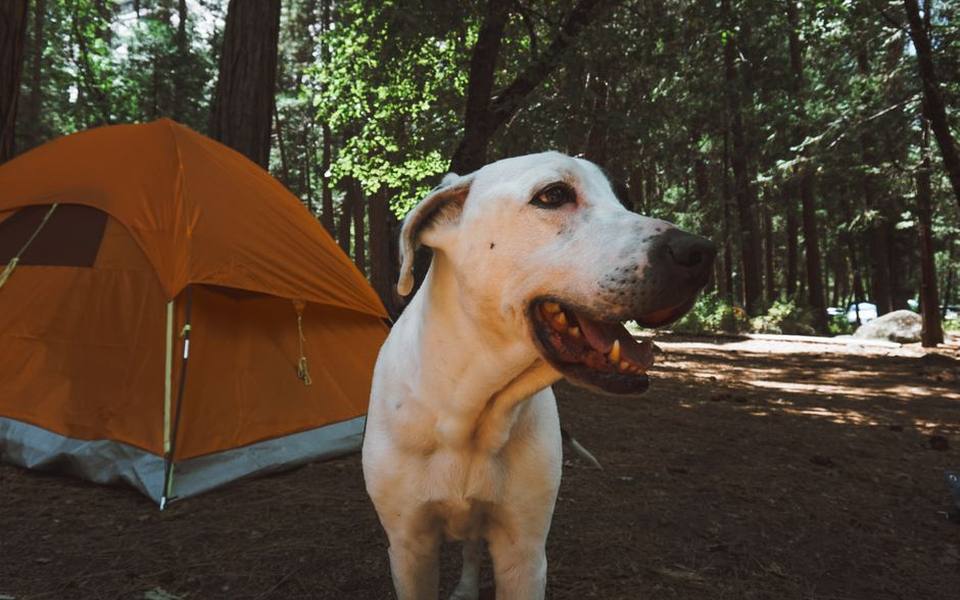
Establishing a designated, secure tethering station keeps your dog within boundaries while leaving your hands free to pitch shelter and manage cooking fires. An elevated runner line strung between two healthy trees using wide nylon webbing protects tree bark while allowing your pet comfortable horizontal movement without tangling in camp chairs or tent stakes. Avoid securing ground stakes in sandy or loose soil, as a sudden burst of adrenaline sparked by a running squirrel can wrench stakes instantly from the dirt.
Tent logistics require pre-planning to avoid torn mesh and sleepless nights. Dogs should sleep inside the primary tent body with you rather than inside an open vestibule where nocturnal predators or wandering raccoons could provoke dangerous confrontations. Placing a closed-cell foam pad or an insulated fleece dog blanket on the tent floor shields your pet from ground chill while forming a protective barrier against sharp toenails piercing delicate tent fabrics. Keeping sleeping quarters familiar reduces camp anxiety noticeably.
Trail etiquette, wild encounters, and hydration
Proper trail etiquette keeps wilderness corridors open to domestic animals by fostering mutual respect among all recreationists. Downhill hikers and pet handlers typically yield the right-of-way to uphill travelers, pack animals, and mountain bikers navigating technical terrain. Always step off to the lower side of the trail when passing pack horses, keeping your dog seated quietly beside your knee on a short lead to prevent startling livestock. Announcing your presence gently when approaching other parties from behind prevents surprise reactions on narrow single-track curves.
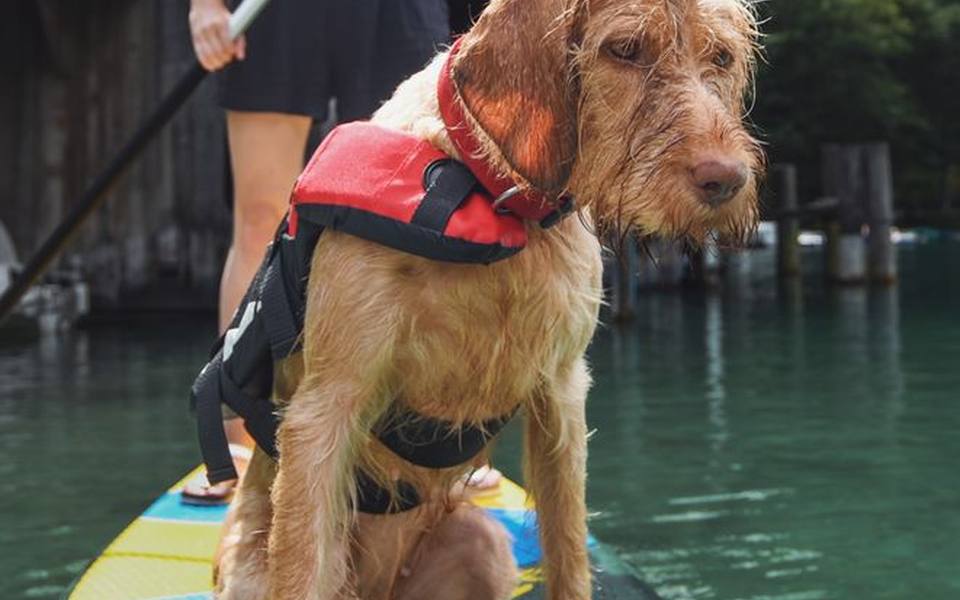
Wildlife encounters require immediate handler focus and reliable voice commands. The wilderness exposes pets to porcupines, venomous snakes, skunks, black bears, and territorial ungulates like moose or elk. Allowing your dog to investigate dense underbrush off-leash dramatically raises the likelihood of bites, quills, or defensive animal charges. Maintaining strict leash control serves as your pet's primary insurance policy against wildlife conflict. If you encounter large mammals, keep your pet calm, avoid running, and slowly back away while speaking in firm, steady tones.
Dehydration and heat exhaustion are stealthy threats on remote routes. Dogs do not cool their bodies through sweating like humans do; they rely on panting and minimal heat dissipation through paw pads. Watch for early indicators of heat strain, including thick ropy saliva, glazed eyes, excessive tongue extension, and uncharacteristic lagging. In warm climates, planning morning hikes near dedicated play spaces like dog parks in California provides controlled morning exercise before daytime sun turns remote dirt trails scorching hot.
Road trip stops and visiting dog-friendly coffee shops
Long-distance road travel between outdoor destinations calls for civilized human pit stops where pets are welcome to unwind beside you. In many cities and trail towns, local cafes and independent roasters feature open-air patios where well-mannered dogs can settle while handlers grab coffee and breakfast. While health codes generally prohibit non-service animals from stepping inside indoor food preparation spaces, outdoor seating areas are increasingly accommodating, often offering fresh water bowls, shade sails, and outdoor leash anchor points.
Successfully navigating patio spaces requires strong baseline manners from your dog. A calm resting posture beneath your chair keeps outdoor walkways clear for servers carrying hot drinks and dining trays. Avoid letting your pet greet neighboring patrons or other dining dogs without explicit consent from both sides, as close-quarters dining can trigger territorial guarding over dropped pastry crumbs. Keeping a small chew toy or an engaging lick mat in your daypack gives your companion a soothing task during patio stops.
Scout your route in advance to identify town centers known for walkable, dog-welcoming atmospheres. Many mountain towns and coastal villages feature entire main street districts lined with pet-tolerant storefronts, water troughs, and shaded benches. Pair your morning coffee run with a brisk perimeter walk around town to satisfy morning bathroom needs, ensuring your pet remains relaxed and settled when you take your seat at an outdoor table.
Seasonal day outings and navigating farm attractions
Outdoor adventuring is not limited to backcountry wilderness; seasonal agri-tourism offers rewarding sensory outings during harvest months. Visiting an open-air autumn farm or an active pumpkin patch allows your companion to experience novel sights, unfamiliar smells, and diverse ground surfaces. However, working agricultural properties present distinct challenges that differ from standard public park paths. You will routinely encounter free-ranging farm poultry, livestock fences, tractor traffic, and crowds of energetic children carrying produce and cider.
Always verify pet entrance rules directly with farm management before loading your dog into the vehicle. While many rural venues welcome leashed pets during daytime festivals, some restrict dogs to parking fields or specific harvest lanes to comply with agricultural food safety standards or protect farm animals. Keep your dog on a non-retractable leash and maintain generous buffers around livestock pens, honeybee boxes, and hay-bale mazes where narrow dead ends can trap skittish dogs in cramped spaces.
Clean up after your dog immediately to help maintain good relationships between farmers and pet owners. Farmland is private property, and unattended waste can spread bacteria to working pastures or damage customer goodwill. Carry durable, thick waste bags and a portable disposal pouch so you do not have to wander across acres of muddy fields searching for trash cans. Respecting farm boundaries guarantees that these delightful seasonal traditions remain open to dogs in future years.
Balancing trail days with secure off-leash play
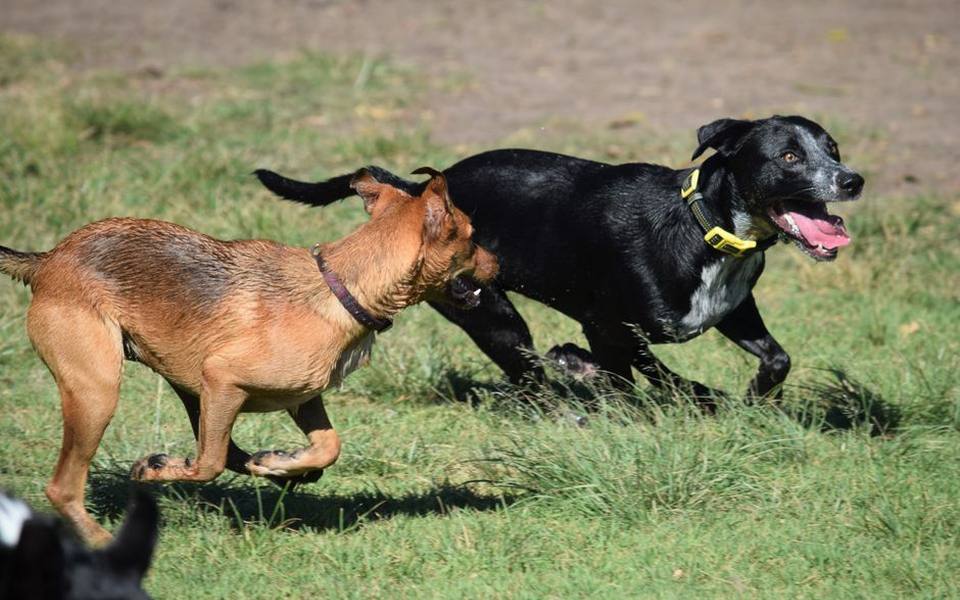
While trail hiking on a six-foot leash provides structured aerobic exercise, it does not always fulfill your dog's desire for full-speed sprinting and natural social interactions. Incorporating visits to secure, purpose-built dog facilities into your road trip helps release pent-up physical drive safely. Utilizing fenced dog parks along your highway route provides a fully fenced off-leash area where your companion can sprint at full stride without the hazards of traffic or fleeing wildlife.
Water-loving breeds particularly benefit from dedicated swimming destinations after dusty forest treks. Visiting specialized dog parks with water features provides your pet with regulated, treated water features or protected lake entry points that are far safer than unmonitored river currents or stagnant swamp pools. Cooling off in a managed water space cleans dirt from coat fibers and relieves joint pressure without exposing your companion to hidden underwater snags or sharp submerged rocks.
The DogParkAtlas directory inventories 1683 listings in top states alone, giving travelers verified access to safe enclosures across every major geographic region. Balancing leashed trail discipline with dedicated off-leash play creates a balanced vacation rhythm. It allows active sporting and herding breeds to blow off steam in controlled settings, making them far calmer companions when evening comes and you need them to relax quietly inside a crowded public campground.
Post-adventure recovery, hygiene, and tick checks
The conclusion of every outdoor excursion calls for a meticulous physical inspection before settling into your vehicle or home. Thoroughly comb through your dog's coat with your fingers, paying special attention to warm, hidden crevices where parasitic ticks congregate, such as inside ears, beneath collar bands, between toe pads, and around the groin and underarms. Catching ticks before they firmly engorge minimizes the transmission risk of regional tick-borne pathogens like Lyme disease or Rocky Mountain spotted fever.
Inspect paw pads for minor lacerations, embedded gravel, thorny burrs, or blistering caused by hot rock surfaces. Clean out accumulated debris between the toes using mild canine wipes or lukewarm water, and apply an all-natural paw balm if pads show signs of drying or superficial cracking. If your dog favors a particular limb or licks repeatedly at a single joint, restrict exercise for a day or two and consult your veterinarian if swelling or stiffness persists after thorough rest.
Allow your companion adequate recovery time after rigorous multi-day adventures. Strenuous uphill hiking and novel sensory environments tax a dog's central nervous system just as heavily as their muscular frame. Provide clean, accessible water, easily digestible meals, and a quiet, draft-free resting zone where they can sleep uninterrupted. Monitoring your dog's physical recovery ensures they remain healthy, enthusiastic, and ready for your next journey into the great outdoors.
Published 2026-09-20 · reviewed with each rebuild, last September 2026.
Find dog parks near you
The directory lists 2,936 dog parks by state and city — pick your state or use the “Near me” button in the header.
More guides
-
 Owning
How to Find and Choose the Best Off-Leash Dog Parks
-
 Owning
What Is a Dog Run? Materials, Design, and Setup Guide
-
 Safety
Taking Your Dog Swimming: Safe Water Spots, Beach Rules, and Health Risks
-
 Service
How Much Does Dog Boarding Cost? A Clear Guide to Kennel Rates
-
 Owning
Dog Training Costs, Obedience Classes, and Essential Health Guidelines
-
 Owning
What Is a Reactive Dog? Signs, Triggers, and Management Guide
-
 Owning
A Practical Guide to Pet Adoption, Surrender Realities, and Essential Daily Care
-
 Safety
How to Safely Exercise and Run with Your Dog: Essential Gear and Conditioning Tips
-
 Safety
Comprehensive Guide to Dog Flea and Tick Treatments: Oral, Topical, and Natural Solutions
-
 Safety
Kennel Cough in Dogs: Symptoms, Home Remedies, and Prescription Treatments
-
 Owning
A Complete Practical Guide to Dog Beaches: Top Coastal Spots and Beach Safety
-
 Owning
Dog Car Seat Covers and Hammocks: Choosing the Best Vehicle Protection
-
 Owning
Understanding the Canine Heat Cycle: Phases, Physical Symptoms, and Female Care
-
 Owning
Essential Dog Hiking Gear: Backpacks, Hands-Free Leashes, and First Aid Kits
-
 Owning
Dog Agility Courses, Private Park Rentals, and Training Facilities: How to Choose the Right Space
-
 Service
Self-Service Dog Wash Stations: Equipment, Costs, and Practical Guide
-
 Buying
Automatic and Manual Dog Ball Launchers: How to Choose the Right Setup for Your Dog
-
 Safety
Complete Guide to Dog Flea and Tick Medications: Chews, Topicals, and Treatments
-
 Safety
Natural Flea and Tick Remedies for Dogs: Practical Home Solutions and Safe Use
-
 Safety
Safe Flea and Parasite Treatments for Puppies Under 12 Weeks
-
 Owning
Dog Poop Bags, Dispensers, and Leash Gear for Everyday Walks
-
 Owning
Ultimate Guide to Finding and Visiting Dog Parks and Dog-Friendly Beaches
-
 Safety
Dog Flea and Tick Guide: Comparing Chews, Topicals, Shampoos, and Injections
-
 Owning
A Homeowner's Guide to Backyard Dog Runs, Enclosures, and Exercise Treadmills
-
 Owning
Dog Health Guide: Giardia Symptoms, Canine Coughs, and Female Heat Cycles
-
 Safety
Understanding Dog Reactivity and Resource Guarding: Training Methods, Daily Management, and Gear
-
 Buying
Dog Car Seat Covers, Hammocks, and Travel Gear: A Practical Buyer's Guide
-
 Buying
Choosing the Right Automatic Ball Launcher and Backyard Play Gear for Active Dogs
-
 Owning
Self-Serve Dog Wash Stations, Towels, and Waste Management
-
 Safety
Complete Dog Flea and Tick Prevention Guide: Chews, Topicals, and Treatments
-
 Owning
Dog Friendly Beaches, Parks, and Travel Destination Guide
-
 Safety
Essential Outdoor Dog Gear: Harnesses, Life Vests, Hot Pavement Boots, and Bags
-
 Safety
Dog Park Safety Guide: Rules, Aggression, First Aid, and Kennel Cough Symptoms
-
 Safety
Comprehensive Guide to Dog and Cat Flea, Tick, and Heartworm Medications
-
 Owning
Designing Home Dog Runs, Agility Courses, and Backyard Play Equipment
-
 Owning
Choosing the Best Car Seat Covers, Hammocks, and Backseat Protectors for Dogs
-
 Buying
Dog Ball Launchers and Automatic Throwers: Selection, Sizing, and Field Guide
-
 Safety
Dog-Safe Yard Care: Pet-Friendly Lawn Fertilizers and Pest Sprays
-
 Owning
Dog Heat Cycles: Symptoms, Duration, and Care During Estrus