How Self-Serve Dog Wash Stations Work
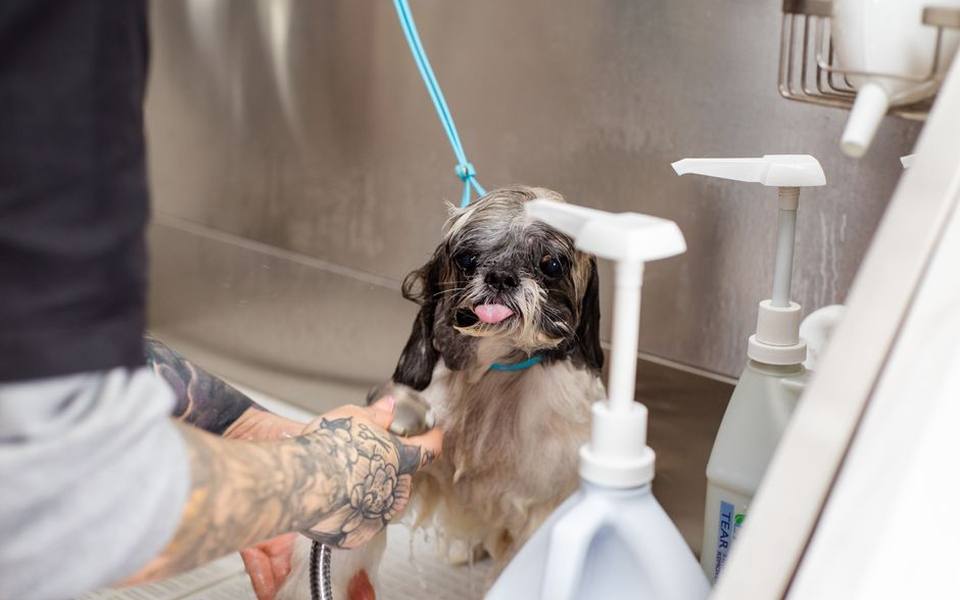
A self-serve dog wash station provides elevated bathing tubs, temperature-controlled water, professional-grade shampoos, and high-velocity dryers without the back strain or bathroom cleanup of bathing a pet at home. Most community wash facilities operate on either a flat-rate timed system or an all-inclusive single-wash fee. When you arrive, you lead your dog up an integrated ramp or set of non-slip stairs directly into a waist-height stainless steel tub. Safety tether hooks inside the basin keep your pet secured while you wash them, which keeps nervous dogs from jumping out onto wet floors.
The wash cycle typically starts with selecting your water temperature and dispensing shampoo directly through an aerated spray nozzle. This mixed-delivery system helps saturate dense coats faster than lathering soap by hand, cutting down the overall wash time significantly. Most commercial stations supply basic formulas such as oatmeal, hypoallergenic, and tearless face cleansers, alongside a deep-cleaning conditioning rinse. You control the flow using a trigger spray wand, allowing you to thoroughly rinse down to the skin without splashing water inside the dog's ear canals.
After rinsing, the station switches to an extraction dryer or low-heat blow dryer designed specifically for animal coats. Unlike human hair dryers that use concentrated heat that can burn canine skin, pet blowers rely on sheer air velocity to strip water droplets off the undercoat. Facilities supply waterproof vinyl aprons for handlers, but experienced owners usually bring an extra shirt and a personal brush to work out loose shedding undercoat before turning on the dryer. The entire process typically takes twenty to thirty minutes depending on coat thickness.
What to Expect at National Retail Pet Wash Bays
Many large national pet specialty retailers and neighborhood supply shops feature dedicated self-service pet wash rooms. These areas are designed for everyday pet parents who want professional grooming equipment without booking an expensive full-service grooming appointment. The wash bays are lined with commercial-grade polymer or stainless steel enclosures, non-skid rubber decking, and commercial drainage systems that handle heavy mud and seasonal shedding. Staff members generally sanitize each tub between customers, ensuring clean surfaces and reducing the risk of transferring fleas or skin pathogens.

Pricing at retail self-wash stations typically ranges from twelve to twenty dollars per visit, which usually covers specialty cleansers, ear cleaner pads, face wipes, and an unlimited supply of house towels. Some retail locations offer monthly subscription packages or punch cards that reduce the per-wash cost for dogs that require weekly rinses. Access is usually walk-in based, though busy weekend mornings often see brief lines. Checking in during off-peak weekday hours gives you more time to work calmly with an anxious dog without sensory distractions.
While retail wash stations supply basic amenities, bringing your own grooming essentials can streamline the visit. If your dog suffers from contact allergies or requires a prescription antifungal wash, store attendants are happy to let you substitute your own shampoo in the tub. You should also carry familiar treats to reward calm behavior throughout the bath. Having a designated treat pouch keeps high-value rewards dry and within arm's reach while you work the sprayer with your free hand.
Timing Your Wash Trip After Outdoor Play
The most practical time to schedule a self-service wash trip is immediately following an energetic outing at an off-leash park. Heading to a wash bay right after visiting dog parks with water features prevents pond sediment, silt, and stagnant water bacteria from drying deep into your pet's fur. Allowing mud to dry against the skin can cause tangles, hot spots, and mats that pull painfully when brushed out later at home. A fast rinse on the way home resolves the problem before dirt settles.
High-energy dogs are also far more cooperative in an elevated wash station when they have already burned off excess excitement. Taking your pet through fully fenced dog parks gives them space to sprint, sniff, and socialize first, which naturally lowers their resting heart rate and reduces stress during bathing. A tired dog is far less likely to fight the restraint tether, panic at the hum of an air dryer, or attempt to leap out of the wash basin onto slippery tile.
When winter or severe weather sets in, outdoor parks may turn into frozen slush or deep sticky clay. Visiting indoor dog parks protects coats from heavy mud, but pets can still pick up community odors and surface grime from padded turf. Incorporating a quick rinse stop afterward keeps living room rugs clean and removes any residual cleaning agents or dust your dog picked up during group play sessions.
Why Microfiber Towels Outperform Standard Cotton
A quality dog towel is one of the most essential pieces of gear you can keep in your vehicle. While old household cotton bath towels are common hand-me-downs for pets, standard cotton loops tend to push water around rather than absorbing it immediately. Standard cotton fibers become heavy, waterlogged, and clammy after drying just one or two legs on a large breed. Once saturated, cotton ceases to pull moisture away from the dense undercoat, leaving the skin damp underneath.
In contrast, synthetic microfiber pet towels rely on split polyester and polyamide threads that are far finer than human hair. These split microfibers create millions of microscopic channels that draw liquid upward through powerful capillary action. A single microfiber drying cloth can absorb several times its dry weight in water, trapping droplets within the woven matrix instead of flattening against the fur. This allows you to squeeze water out of long coats with gentle pressing rather than abrasive rubbing that causes frizz and painful mats.
Beyond superior absorbency, synthetic microfiber dries significantly faster than dense cotton terry cloth. After you finish drying your dog, hanging the towel over a headrest or trunk divider allows it to air-dry rapidly without developing a sour mildew stench. This quick-drying quality is particularly valuable when you take frequent road trips across states like California dog parks, where coastal humidity or mountain dampness would otherwise leave standard towels soaking wet inside your car for hours.
Selecting and Caring for High-Absorbency Pet Towels
When choosing the right towel for your dog, pay attention to the fabric's weight rating, measured in grams per square meter or GSM. Towels designed for pet drying typically range from three hundred to over six hundred GSM. Lower GSM towels are thin, highly pliable, and ideal for cleaning muddy paws and wiping sensitive facial folds. Higher GSM towels feature plush, dense chenille loops or dual-pile weaves that are built to soak up gallons of water from thick double coats, like those found on retrievers and shepherds.
Design features can make a substantial difference in handling convenience. Many purpose-built pet towels include integrated hand pockets on both ends, allowing you to grip the cloth securely while drying the dog's chest, belly, and paws. This prevents the edges of the towel from falling into dirty wash water or dragging across wet floors. Compact waffle-weave microfibers are also available for trail packs, folding down into palm-sized pouches that clip directly onto walking belts.
Caring for microfiber requires a slightly different laundry routine than standard cotton linens. Always wash microfiber towels in warm water using a mild liquid detergent free from artificial scents or fabric softeners. Fabric softeners coat the split fibers in silicone oils, which completely blocks the towel's capillary channels and destroys its absorbency. Tumble dry on low heat or hang dry, as excessive dryer heat can melt synthetic polyester filaments, turning soft drying cloths stiff and scratchy.
Managing Moisture and Temperature During the Blow-Dry
Drying a dog thoroughly involves more than rubbing them down with a cloth; it requires removing hidden moisture trapped next to the skin. If a double-coated dog remains wet beneath their topcoat for several hours, moisture creates an ideal breeding ground for bacterial infections and acute moist dermatitis, commonly known as hot spots. Using high-velocity blow dryers at a wash station blows the water away from the root of the hair follicle, lifting trapped dirt out while straightening the coat.
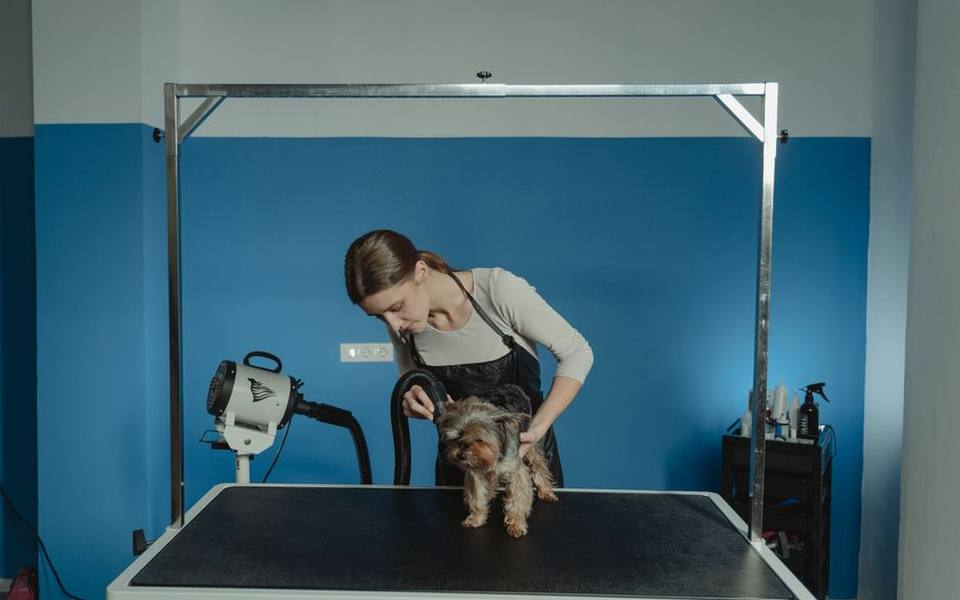
Handling a high-velocity dryer requires patience and proper technique. Always point the nozzle at an angle across the coat rather than directly down against the skin, which can whip hairs into tight friction knots. Keep the nozzle moving continuously across broad muscle groups like the flanks and shoulders before moving toward sensitive areas. Never direct forced air into the ears, eyes, or face; instead, dry facial features gently by hand using an absorbent microfiber cloth.
The noise and air pressure of professional dryers can startle sensitive or newly adopted dogs. If your pet shows signs of anxiety, such as trembling or attempting to pull away from the tether, switch the dryer motor to its lowest speed setting or turn off the narrow condenser cone to broaden the airflow. Applying an elastic fabric headband over the dog's ears can dramatically muffle motor noise, helping them stay relaxed while their coat dries.
The Science of Biodegradable Dog Waste Bags
Every responsible trip to an off-leash park or neighborhood trail requires carrying dependable waste cleanup bags. Over recent years, environmental concerns have pushed many owners toward biodegradable poop bags and plant-based waste options. Traditional plastic bags are made from petroleum-derived polyethylene that can persist in ecosystems and landfills for centuries, slowly breaking down into harmful microplastics. In contrast, genuinely biodegradable dog waste bags are made from renewable materials like non-GMO cornstarch, vegetable oils, and certified compostable polymers.
It is essential to understand the difference between truly compostable materials and oxo-degradable plastics. Oxo-degradable bags are simply standard petroleum plastics mixed with chemical additives that accelerate fragmentation under sunlight and heat. These bags do not truly biodegrade; they merely break apart into invisible plastic fragments that contaminate local soils and waterways. True biodegradable options carry verified certifications such as ASTM D6400 or EN 13432, proving that the material decomposes into water, carbon dioxide, and natural biomass under proper conditions.
Certified plant-based bags have a natural shelf life that pet parents need to keep in mind. Because they are designed to decompose when exposed to moisture and warmth, storing rolls in hot car glove compartments can cause them to become brittle or tear prematurely. Store spare rolls in a cool, dry pantry until you load them into your walking dispenser. When properly manufactured, high-grade cornstarch bags offer equal tensile strength and tear resistance compared to conventional plastic film.
Responsible Waste Disposal in Public Spaces
Using an eco-friendly waste bag is only half the equation; how and where you dispose of canine waste matters just as much. Many dog owners assume that throwing a certified biodegradable bag into a municipal park trash bin allows it to rot away naturally. However, standard landfills are sealed, anaerobic environments starved of oxygen, sunlight, and moisture. Without adequate oxygen, even the highest-quality plant-based bags degrade very slowly, releasing methane gas in the process instead of returning nutrients to the soil.
The optimal way to handle biodegradable waste bags depends on local municipal services and dedicated park infrastructure. Some communities provide specialized pet waste digesters or commercial composting bins that collect animal waste separately from regular municipal trash. Industrial composting facilities generate the sustained internal heat—typically exceeding 130 degrees Fahrenheit—required to eliminate dangerous pathogens like roundworms, giardia, and salmonella present in canine feces, converting the waste into non-food agricultural compost.
Under no circumstances should pet waste bags be deposited in domestic home compost piles intended for vegetable gardens or fruit trees. Common pathogens found in carnivore and omnivore waste can easily survive domestic backyard composting temperatures and contaminate homegrown produce. If your municipality lacks industrial composting options, using plant-based bags still reduces net petroleum demand, but the sealed bag must go into designated park collection receptacles to protect shared recreational trails.
Managing Multi-Pet Households and Litter Disposal
Many pet parents care for both dogs and cats, which creates a broader challenge when managing daily household animal waste. Traditional clay cat litters are typically scooped into small petroleum grocery bags and thrown into the trash, creating a substantial volume of unrecyclable plastic waste over the course of a pet's life. Transitioning to biodegradable kitty litter bags offers a cleaner, more sustainable method for maintaining litter boxes alongside daily canine cleanup routines.

Plant-based litter disposal sacks are formulated with dense vegetable starches that provide exceptional odor-barrier protection. Cat urine contains concentrated ammonia compounds, meaning litter disposal bags must feature strong airtight seals to prevent offensive odors from escaping before trash collection day. High-grade biodegradable cat litter bags feature thick, puncture-resistant walls that prevent sharp clumping litter grains from piercing the film when you carry the waste outside.
For multi-pet homes, standardizing on one type of heavy-duty compostable bag streamlines supply storage. The same certified plant-based sacks used for litter tray maintenance can double as reliable waste bags for large-breed dogs during park excursions. Storing a central supply of biodegradable bags in your utility cabinet makes daily chores simple, ensures you never run out unexpectedly, and reduces your household's overall dependency on single-use convenience plastics.
Assembling an On-the-Go Vehicle Clean-Up Kit
Keeping your vehicle clean after messy outdoor adventures requires a well-planned travel kit kept ready in the cargo area. A basic clean-up kit should include two or three clean microfiber dog towels, a dedicated roll of certified compostable waste bags, a silicone paw cleaner cup, and a jug of clean rinse water. Having water on hand lets you rinse away heavy beach sand or trailhead mud before lifting your pet onto the car seat or into their travel crate.
Store clean microfiber cloths in a breathable mesh bag or a clear plastic tub so they stay dry and dust-free until needed. Keeping wet, soiled towels separate is just as critical; pack a heavy-duty waterproof dry sack to isolate damp cloths after use. This prevents damp smells from soaking into your vehicle's fabric upholstery during the drive home. Throwing the dry sack directly into the laundry room when you return keeps post-trip maintenance fast and organized.
Taking five minutes to wipe down your dog's paws, underbelly, and muzzle before loading them into the car preserves your vehicle's interior and keeps your dog comfortable. Sand and burrs left between paw pads cause irritation and licking during long drives. With dependable microfiber towels and leak-proof waste disposal bags in your trunk, spontaneous park visits remain relaxing, enjoyable, and completely stress-free for both you and your pet.
Published 2026-09-20 · reviewed with each rebuild, last September 2026.
Find dog parks near you
The directory lists 2,936 dog parks by state and city — pick your state or use the “Near me” button in the header.
More guides
-
 Owning
How to Find and Choose the Best Off-Leash Dog Parks
-
 Owning
What Is a Dog Run? Materials, Design, and Setup Guide
-
 Safety
Taking Your Dog Swimming: Safe Water Spots, Beach Rules, and Health Risks
-
 Service
How Much Does Dog Boarding Cost? A Clear Guide to Kennel Rates
-
 Owning
Dog Training Costs, Obedience Classes, and Essential Health Guidelines
-
 Owning
What Is a Reactive Dog? Signs, Triggers, and Management Guide
-
 Owning
A Practical Guide to Pet Adoption, Surrender Realities, and Essential Daily Care
-
 Safety
How to Safely Exercise and Run with Your Dog: Essential Gear and Conditioning Tips
-
 Safety
Comprehensive Guide to Dog Flea and Tick Treatments: Oral, Topical, and Natural Solutions
-
 Safety
Kennel Cough in Dogs: Symptoms, Home Remedies, and Prescription Treatments
-
 Owning
A Complete Practical Guide to Dog Beaches: Top Coastal Spots and Beach Safety
-
 Owning
Dog Car Seat Covers and Hammocks: Choosing the Best Vehicle Protection
-
 Owning
Understanding the Canine Heat Cycle: Phases, Physical Symptoms, and Female Care
-
 Owning
Essential Dog Hiking Gear: Backpacks, Hands-Free Leashes, and First Aid Kits
-
 Owning
Dog Agility Courses, Private Park Rentals, and Training Facilities: How to Choose the Right Space
-
 Service
Self-Service Dog Wash Stations: Equipment, Costs, and Practical Guide
-
 Buying
Automatic and Manual Dog Ball Launchers: How to Choose the Right Setup for Your Dog
-
 Safety
Complete Guide to Dog Flea and Tick Medications: Chews, Topicals, and Treatments
-
 Safety
Natural Flea and Tick Remedies for Dogs: Practical Home Solutions and Safe Use
-
 Safety
Safe Flea and Parasite Treatments for Puppies Under 12 Weeks
-
 Owning
Dog Poop Bags, Dispensers, and Leash Gear for Everyday Walks
-
 Owning
Ultimate Guide to Finding and Visiting Dog Parks and Dog-Friendly Beaches
-
 Safety
Dog Flea and Tick Guide: Comparing Chews, Topicals, Shampoos, and Injections
-
 Owning
A Homeowner's Guide to Backyard Dog Runs, Enclosures, and Exercise Treadmills
-
 Owning
A Complete Guide to Hiking, Camping, and Outdoor Adventures With Dogs
-
 Owning
Dog Health Guide: Giardia Symptoms, Canine Coughs, and Female Heat Cycles
-
 Safety
Understanding Dog Reactivity and Resource Guarding: Training Methods, Daily Management, and Gear
-
 Buying
Dog Car Seat Covers, Hammocks, and Travel Gear: A Practical Buyer's Guide
-
 Buying
Choosing the Right Automatic Ball Launcher and Backyard Play Gear for Active Dogs
-
 Safety
Complete Dog Flea and Tick Prevention Guide: Chews, Topicals, and Treatments
-
 Owning
Dog Friendly Beaches, Parks, and Travel Destination Guide
-
 Safety
Essential Outdoor Dog Gear: Harnesses, Life Vests, Hot Pavement Boots, and Bags
-
 Safety
Dog Park Safety Guide: Rules, Aggression, First Aid, and Kennel Cough Symptoms
-
 Safety
Comprehensive Guide to Dog and Cat Flea, Tick, and Heartworm Medications
-
 Owning
Designing Home Dog Runs, Agility Courses, and Backyard Play Equipment
-
 Owning
Choosing the Best Car Seat Covers, Hammocks, and Backseat Protectors for Dogs
-
 Buying
Dog Ball Launchers and Automatic Throwers: Selection, Sizing, and Field Guide
-
 Safety
Dog-Safe Yard Care: Pet-Friendly Lawn Fertilizers and Pest Sprays
-
 Owning
Dog Heat Cycles: Symptoms, Duration, and Care During Estrus