Matching Your Dog to the Right Training and Exercise Environment
Finding an appropriate off-leash venue depends heavily on your dog's temperament, training goals, and physical condition. A standard municipal dog run can work well for confident, highly social adult dogs, but reactive animals, young pups, and those working on canine agility training often need a controlled environment. The modern canine landscape offers everything from hourly private acreage rentals to dedicated obstacle arenas and indoor canine training courses. Knowing what each setting offers ensures you do not place your dog in a situation that triggers stress or leads to physical injury.
When evaluating a location, start by defining the primary goal of the outing. If your goal is high-intensity conditioning or learning contact obstacles, you need level ground, shock-absorbing footing, and certified equipment. If your dog gets overwhelmed by unpredictable canine interactions, an enclosed private yard rental offers stress-free exploration without fence-fighting or unwanted intrusions. Across our directory of 1,683 listings in top states, handlers consistently report that choosing an environment matching their dog's arousal threshold is the single most effective way to prevent behavioral setbacks.
Accessibility and seasonal weather also dictate the best choice of venue. Summer heat or winter freezes can turn hard-packed dirt or asphalt into safety hazards, driving owners toward climate-controlled facilities. Exploring dedicated indoor dog parks allows you to maintain consistent routines regardless of temperature spikes or pouring rain. Taking time to assess your local options before loading your dog into the car saves time, money, and emotional frustration.
Private Yard Rentals and Hourly Land Bookings
Private yard rentals, often found through land-sharing apps like Sniffspot or local farm listings, have transformed off-leash exercise for dogs that struggle in community parks. These venues are typically private residential yards, fenced pastures, or wooded parcels rented by the hour for exclusive use. Because no unfamiliar dogs or people share the space during your reservation window, these spots eliminate the chaos of typical public runs. They are especially valuable for dogs recovering from surgery, reactive dogs undergoing behavioral modification, or owners practicing recall without distractions.
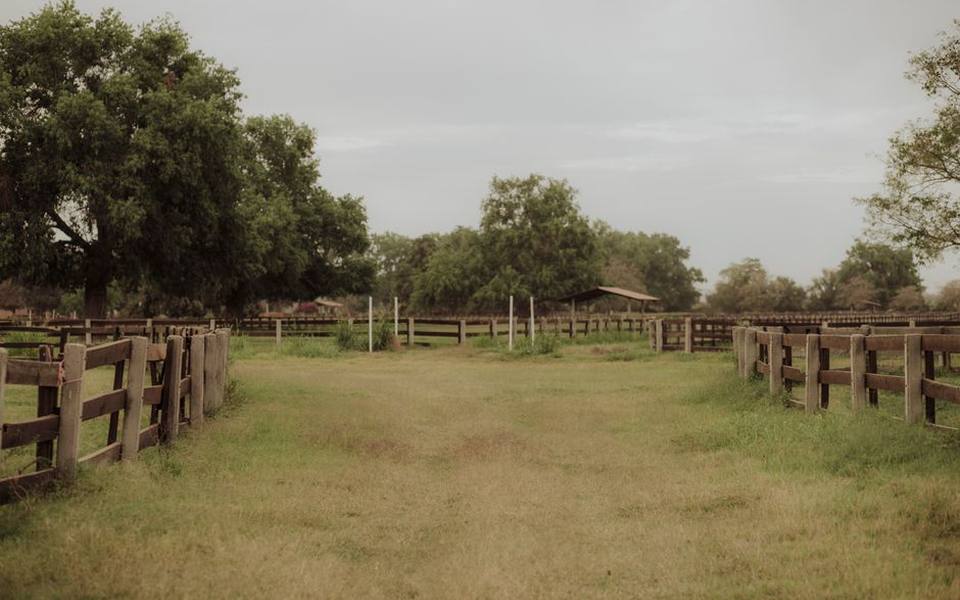
Before booking a private property, inspect the host's description of fencing style, perimeter security, and boundary visibility. A standard four-foot chain link fence might hold an older retriever, but an athletic working breed or escape-prone sighthound typically requires five- to six-foot secure fencing with buried wire or ground stakes. Check whether livestock, chickens, or neighboring dogs are visible through or adjacent to the fence line. Even in a private field, a neighboring dog fence-running on an adjacent property can disrupt your session.
Pay attention to the transition protocols required by private hosts. Responsible properties incorporate a buffer window between bookings, typically ten to fifteen minutes, preventing arriving and departing dogs from crossing paths in narrow driveways. Always carry your own fresh water, waste bags, and pet first-aid essentials, as amenities at rural private spots can vary significantly compared to municipal facilities.
Evaluating Agility Equipment and Obstacle Courses
Stepping onto a canine agility course requires a sharp eye for structural integrity, correct sizing, and surface safety. A legitimate canine obstacle course should feature stable, non-slip surfaces on elevated elements like the A-frame, dog walk, and teeter-totter. In competition-style venues, rubberized coatings with granulated textures provide paws with reliable traction even when damp. If an obstacle has weathered wood, flaking paint, or exposed metal fasteners, bypass that apparatus immediately to avoid torn pads or structural failure during a run.
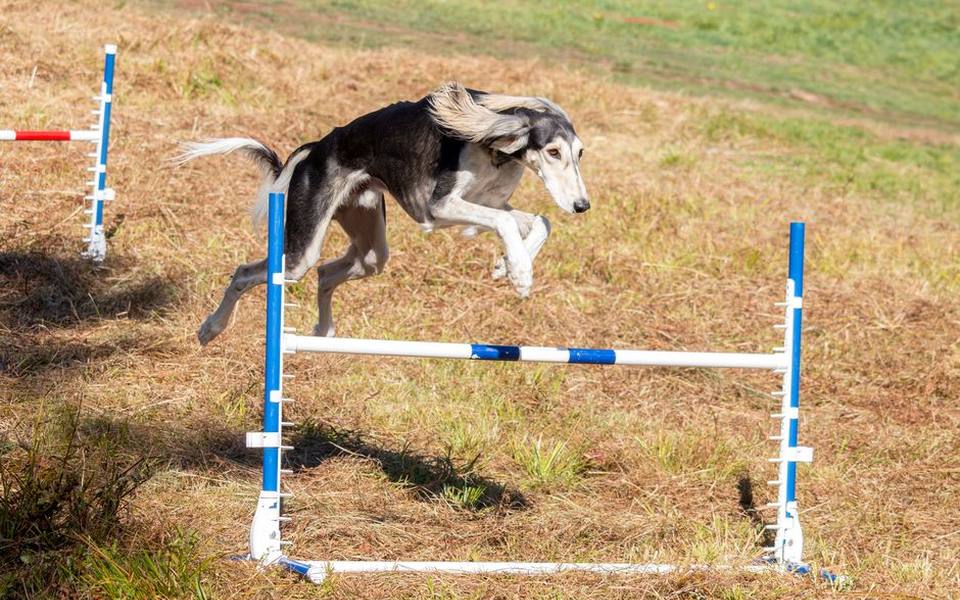
Weave poles and jumps present their own mechanical considerations during agility training for dogs. Practice jumps should always have displaceable cups and lightweight PVC or composite bars that dislodge effortlessly when clipped by a paw. Fixed crossbars, sometimes seen in poorly designed homemade parks, can cause severe blunt-force trauma to shoulders and hocks. Similarly, weave poles should feature flexible bases or specialized training guides that prevent abrupt twisting forces while a dog develops proper footwork and rhythmic bending.
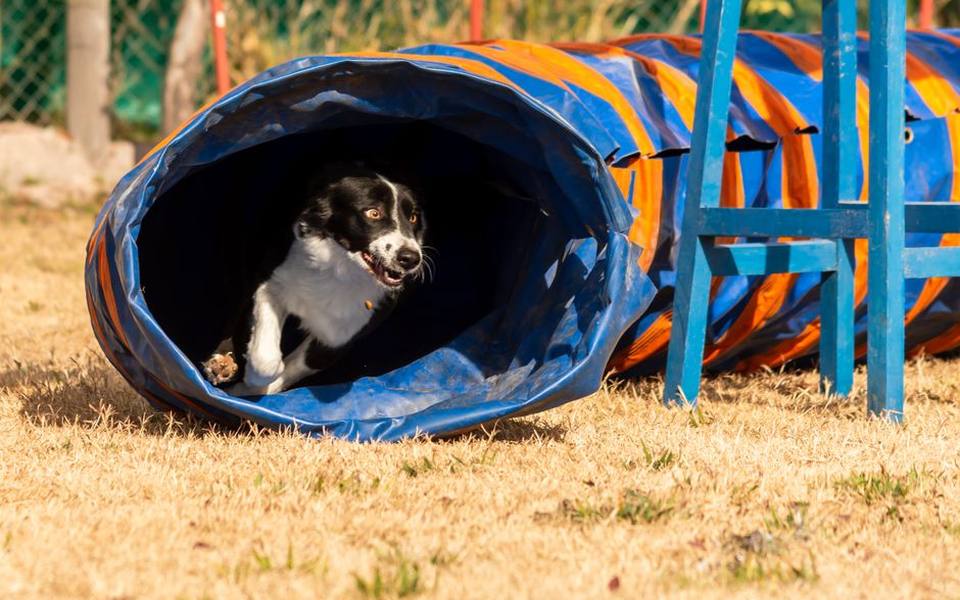
Tunnels deserve careful scrutiny regarding anchoring and ventilation. Heavy-duty agility tunnels must be anchored with specialized saddlebag sandbags to keep them from rolling or collapsing while a dog charges through at speed. Fabric tunnels must be free of interior tears where toenails can snag. If you are training during warmer months, choose outdoor facilities with shade or seek open-air layouts with good airflow to prevent rapid heat exhaustion inside enclosed obstacles.
Foundational Work on a Puppy Agility Course
Introducing young dogs to obstacles requires a fundamentally different philosophy than training adult competitors. A proper puppy agility course emphasizes spatial awareness, confidence building, and environmental neutrality rather than speed or height. Puppies under twelve to fourteen months old have open growth plates in their limbs, making repetitive jumping or high-impact landings dangerous for their developing skeletal systems. Reputable trainers insist that jump bars remain resting flat on the turf or set no higher than wrist height during early development.
Safe puppy training courses prioritize low-impact, tactile balance experiences. Common elements include wobble boards, low balance beams positioned only a few inches above the turf, tunnels of varying lengths, and broad, stable platforms. Navigating these obstacles teaches young dogs how to place their rear feet independently, build core stability, and handle strange vibrations underfoot. The mental stimulation gained from solving physical movement puzzles tires out a lively pup far more constructively than mindless games of fetch.
Socialization during these early obstacle sessions should center on quiet focus rather than frantic play with other dogs. Training alongside calm adult dogs in structured group settings teaches puppies to ignore environmental excitement and look to their handlers for guidance. When scouting puppy-safe venues across states with deep canine recreational scenes, like dog parks in California, check whether the site offers segregated areas specifically designated for smaller or younger dogs to ensure physical safety.
Public Park Dog Obstacles Versus Professional Facilities
An increasing number of municipal parks feature permanent dog obstacle courses installed alongside open run spaces. While these community installations provide casual enrichment, handlers should understand their design limitations. Public agility elements are typically constructed from heavy, vandal-resistant materials like powder-coated steel, marine-grade plywood, or molded polyethylene. While durable against harsh weather and heavy foot traffic, these rigid materials lack the forgiving flexibility and high-traction finishes found at dedicated sport training centers.
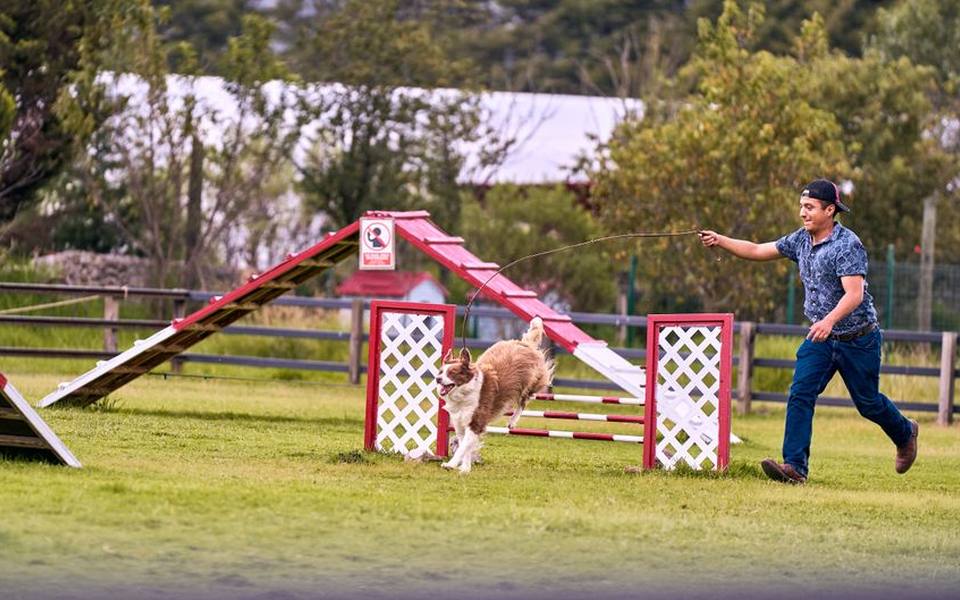
Maintenance frequency also distinguishes public equipment from professional setups. In a public run, jump bars are often welded in place or suspended from steel cables to prevent theft, making them hazardous for off-leash dogs running at full sprint. High contact ramps can become dangerously slick when wet or scorched under direct midday sun. If you choose to use public obstacles, always test the surface temperature with your bare palm and check all connecting brackets for structural play before encouraging your dog to climb.
Professional facilities, by comparison, maintain their courses under strict sport association regulations. Ground crews regularly rake sand rings, repair damaged turf, and adjust obstacle heights to accommodate different dog sizes. Choosing secure, fully fenced dog parks that separate open play from dedicated training obstacles ensures your dog will not be blindsided by a sprinting dog while attempting a precision maneuver on an elevated ramp.
Social Clubs, Membership Parks, and Private Canine Lounges
A growing trend in canine recreation is the private membership social club, often operating under names like a barks park, communal dog lounge, or concepts like the dog daze social club. These facilities merge off-leash dog exercise with human hospitality, offering coffee bars, seating lounges, craft beverages, and monitored play yards. Unlike open municipal parks, these hybrid spaces typically require a recurring membership or day-pass fee alongside proof of current vaccinations and behavioral evaluations.
The primary advantage of a managed social club is staff supervision. Most commercial canine lounges employ trained yard attendants—often referred to as 'rufferees'—who actively monitor body language, break up unhealthy pack dynamics, and redirect overstimulated dogs before squabbles break out. For owners who want productive social time for their pets without the unpredictability of unmonitored city runs, these private establishments offer a reliable middle ground.
However, handlers must remain attentive even in staffed clubs. Food, beverage service, and human alcohol consumption can create unexpected distractions, drop risks, and resource-guarding behaviors in opportunistic dogs. Before signing up for an expensive monthly membership, tour the facility during peak evening or weekend hours. Confirm that staff members proactively enforce rules, check that play zones are separated by play style or size, and verify that sanitation standards remain spotless throughout high-volume operating shifts.
Choosing Structured Training Facilities and Group Classes
Enrolling in formal canine training courses offers structural advantages that solo practice cannot replicate. Professional canine training centers employ experienced instructors who spot minor handling mistakes—such as late cueing, poor body positioning, or improper reward timing—before they become ingrained habits. Whether your interest lies in competition agility, rally obedience, scent work, or basic impulse control, a structured curriculum keeps training progressive and measurable.
When touring potential training facilities, examine the flooring material closely. High-performance agility and obedience training demands specialized high-density rubber matting, cushioned sport turf, or thick, dirt-sand arena mixes. Bare concrete floors or cheap commercial vinyl tile cause micro-slips that erode a dog's confidence and stress their cruciate ligaments and spinal joints. A quality facility prioritizes orthopedic support just as much as obstacle quality.
Class size and spatial separation are equally critical. A standard indoor ring should host no more than six to eight handler teams at one time, allowing sufficient buffer zones between dogs working on leash. Look for centers that utilize visual barriers, like folding screens or solid ring gates, to help reactive or easily overstimulated dogs stay under threshold while other teams execute their sequences.
Ground Surfaces, Drainage, and Perimeter Fencing
The physical foundation of any off-leash exercise space directly impacts your dog's long-term joint health and paw safety. Natural grass is ideal for traction and joint shock absorption, but it degrades quickly into mud and exposed tree roots under sustained traffic. Artificial canine turf has become the industry standard in high-traffic urban areas, but handlers should confirm whether it utilizes antimicrobial infill and an active under-turf drainage system to prevent lingering bacterial buildup and foul odors.
Sand and crushed gravel arenas are frequently used for outdoor agility rings, offering excellent cushioning and natural drainage. However, fine gravel can wedge into pad webbing, while deep sand places substantial strain on Achilles tendons if a dog is out of shape. In regions subject to heavy precipitation, proper grading is essential. Low-lying parks that accumulate standing water become breeding grounds for mosquitoes and waterborne pathogens like *Giardia* and *Leptospira*.
Perimeter security requires equal diligence. High-quality training grounds and private parks utilize double-gated airlock entries, preventing dogs from darting into traffic when handlers enter or exit. Look for fencing that sits flush against the ground, anchored with tension wires or buried skirts to defeat diggers. If your dog enjoys swimming, finding dedicated dog parks with water features that maintain clean, circulating water is vastly safer than allowing them to splash in stagnant drainage retention ponds.
Combining Training with Camping and Outdoor Stays
Taking your training skills into the wild requires finding campsites that take dogs while offering suitable space for physical activity. Public and private campgrounds have widely differing rules regarding four-legged guests. While many state parks and national forests welcome pets, nearly all maintain strict six-foot leash rules at all times. If you intend to work on off-leash recall or obedience in open fields, you must verify whether the grounds permit long-line training or feature enclosed on-site exercise pastures.
When researching campsites that accept dogs, examine the physical campsite layout. Look for shaded sites set well back from main loop roads, heavy foot traffic, and communal bathhouses to prevent constant territorial alert-barking. Packing a secure overhead tie-out cable with a shock-absorbing spring allows your dog hands-free freedom within your campsite perimeter without tangling around picnic tables, tent stakes, or campfire rings.
Wilderness camping exposes dogs to unique environmental hazards, including foxtails, ticks, venomous snakes, and blue-green algae blooms in natural waterways. Carry a dedicated canine first-aid kit containing tick-removal keys, non-adherent bandages, antiseptic wash, and vet-approved antihistamines. Prioritize prompt clean-up of waste around your site, as pet scent can attract wild scavengers like raccoons, bears, or coyotes into your living space overnight.
Booking Etiquette, Health Verification, and Session Prep
Whether you are booking a private yard rental, signing up for an agility ring time slot, or reserving a spot at a private social park, arriving prepared ensures a smooth outing. Always complete vaccination verifications, liability waivers, and account registrations online ahead of time. Most professional venues require proof of rabies, DHPP (distemper, hepatitis, parvo, parainfluenza), and Bordetella vaccines to safeguard the community.
Before your allotted time, give your dog a five-minute on-leash walk in a designated perimeter relief area to empty their bladder and bowels before entering the main training turf. Accidents on artificial grass or competition agility flooring often incur substantial cleaning fees and interrupt sessions. Keep high-value, non-crumbly treats on hand that do not leave messy debris across the training surface, which could distract subsequent dogs.
Respect your departure window strictly. Packing up five minutes before your session ends gives you ample time to collect your gear, sweep the area for dropped treats or toys, and return any displaced equipment to its proper storage rack. Exiting promptly ensures you do not overlap with the next handler, maintaining the private, low-stress environment that makes specialized training venues so valuable.
Published 2026-09-20 · reviewed with each rebuild, last September 2026.
Find dog parks near you
The directory lists 2,936 dog parks by state and city — pick your state or use the “Near me” button in the header.
More guides
-
 Owning
How to Find and Choose the Best Off-Leash Dog Parks
-
 Owning
What Is a Dog Run? Materials, Design, and Setup Guide
-
 Safety
Taking Your Dog Swimming: Safe Water Spots, Beach Rules, and Health Risks
-
 Service
How Much Does Dog Boarding Cost? A Clear Guide to Kennel Rates
-
 Owning
Dog Training Costs, Obedience Classes, and Essential Health Guidelines
-
 Owning
What Is a Reactive Dog? Signs, Triggers, and Management Guide
-
 Owning
A Practical Guide to Pet Adoption, Surrender Realities, and Essential Daily Care
-
 Safety
How to Safely Exercise and Run with Your Dog: Essential Gear and Conditioning Tips
-
 Safety
Comprehensive Guide to Dog Flea and Tick Treatments: Oral, Topical, and Natural Solutions
-
 Safety
Kennel Cough in Dogs: Symptoms, Home Remedies, and Prescription Treatments
-
 Owning
A Complete Practical Guide to Dog Beaches: Top Coastal Spots and Beach Safety
-
 Owning
Dog Car Seat Covers and Hammocks: Choosing the Best Vehicle Protection
-
 Owning
Understanding the Canine Heat Cycle: Phases, Physical Symptoms, and Female Care
-
 Owning
Essential Dog Hiking Gear: Backpacks, Hands-Free Leashes, and First Aid Kits
-
 Service
Self-Service Dog Wash Stations: Equipment, Costs, and Practical Guide
-
 Buying
Automatic and Manual Dog Ball Launchers: How to Choose the Right Setup for Your Dog
-
 Safety
Complete Guide to Dog Flea and Tick Medications: Chews, Topicals, and Treatments
-
 Safety
Natural Flea and Tick Remedies for Dogs: Practical Home Solutions and Safe Use
-
 Safety
Safe Flea and Parasite Treatments for Puppies Under 12 Weeks
-
 Owning
Dog Poop Bags, Dispensers, and Leash Gear for Everyday Walks
-
 Owning
Ultimate Guide to Finding and Visiting Dog Parks and Dog-Friendly Beaches
-
 Safety
Dog Flea and Tick Guide: Comparing Chews, Topicals, Shampoos, and Injections
-
 Owning
A Homeowner's Guide to Backyard Dog Runs, Enclosures, and Exercise Treadmills
-
 Owning
A Complete Guide to Hiking, Camping, and Outdoor Adventures With Dogs
-
 Owning
Dog Health Guide: Giardia Symptoms, Canine Coughs, and Female Heat Cycles
-
 Safety
Understanding Dog Reactivity and Resource Guarding: Training Methods, Daily Management, and Gear
-
 Buying
Dog Car Seat Covers, Hammocks, and Travel Gear: A Practical Buyer's Guide
-
 Buying
Choosing the Right Automatic Ball Launcher and Backyard Play Gear for Active Dogs
-
 Owning
Self-Serve Dog Wash Stations, Towels, and Waste Management
-
 Safety
Complete Dog Flea and Tick Prevention Guide: Chews, Topicals, and Treatments
-
 Owning
Dog Friendly Beaches, Parks, and Travel Destination Guide
-
 Safety
Essential Outdoor Dog Gear: Harnesses, Life Vests, Hot Pavement Boots, and Bags
-
 Safety
Dog Park Safety Guide: Rules, Aggression, First Aid, and Kennel Cough Symptoms
-
 Safety
Comprehensive Guide to Dog and Cat Flea, Tick, and Heartworm Medications
-
 Owning
Designing Home Dog Runs, Agility Courses, and Backyard Play Equipment
-
 Owning
Choosing the Best Car Seat Covers, Hammocks, and Backseat Protectors for Dogs
-
 Buying
Dog Ball Launchers and Automatic Throwers: Selection, Sizing, and Field Guide
-
 Safety
Dog-Safe Yard Care: Pet-Friendly Lawn Fertilizers and Pest Sprays
-
 Owning
Dog Heat Cycles: Symptoms, Duration, and Care During Estrus