Understanding How Modern Pet Parasite Treatments Work
Choosing parasite prevention usually comes down to deciding how the active compound enters your pet's system and how quickly it disrupts pest biology. Modern veterinary pharmacology categorizes these remedies into systemic oral chewables, transdermal topicals, surface knockdowns, and environmental premise treatments. Each form attacks fleas, ticks, or internal worms through distinct biological pathways, ranging from neurotoxins targeted specifically at invertebrate nerve channels to insect growth regulators that disrupt egg hatching.
Systemic options circulate directly through the bloodstream or bind within the subcutaneous sebaceous glands across the skin. When a parasite bites, it ingests the compound and suffers rapid paralysis before it can reproduce or transmit dangerous blood-borne pathogens. In contrast, environmental sprays and shampoos focus on contact-kill mechanisms, destroying the protective lipid shell of adult insects or halting larval molting on carpets, bedding, and furniture.
Matching the correct product to your household requires balancing animal species, lifestyle, and local parasite burdens. Pets that frequently visit communal outdoor areas or swim in lakes have different exposure levels than quiet indoor companions. Selecting an effective regimen ensures your animal companion stays protected without burdening their organs with unnecessary or incompatible chemical exposures.
Topical Spot-On Treatments for Dogs
Canine topical spot-on treatments remain one of the most widely used methods for repelling and killing external parasites. These liquid solutions are applied directly to the skin along the back of the neck or between the shoulder blades, where the dog cannot easily lick the chemical away. Over the course of twenty-four to forty-eight hours, the active carrier oil migrates through the animal's natural skin lipids to form a protective barrier across the entire coat.

High-performing canine topicals often combine an adulticide, such as fipronil or permethrin, with an insect growth regulator like pyriproxyfen or s-methoprene. This dual-action approach ensures that live biting adults die quickly while any eggs falling into the grass or household rugs fail to develop into mature larvae. Many formulas also carry tick-repellent properties, discouraging arachnids from latching on when your pet explores dense underbrush or grassy meadows.
Water resistance is a major consideration when choosing spot-on protection for active canines. While most formulations bond tightly with skin oils after drying, frequent swimming or heavy lathering with clarifying soaps can degrade the barrier prematurely. If you take your dog to open spaces or explore dog parks with water features, waiting at least two full days after application before allowing water immersion helps maintain consistent, month-long defense.
Owners must always weigh their dog's skin sensitivity before committing to topical spot-on regimens. Occasionally, dogs with existing dermatological allergies develop localized hair loss, redness, or mild itching at the application site. Monitoring the application spot for the first few days gives you clear insight into whether a topical product suits your dog or whether an oral tablet would be a gentler alternative.
Feline Safety and the Danger of Canine Formulas
Selecting a vet-approved flea treatment for cats demands extreme caution because feline physiology handles foreign chemicals very differently than canine physiology. Cats lack crucial liver enzymes, specifically glucuronyl transferase, which are responsible for detoxifying many synthetic compounds. Because cats groom themselves obsessively, any chemical applied to their skin or fur inevitably ends up being ingested, multiplying the risk of severe toxicity if the wrong product is used.
A critical warning involves canine flea treatments containing concentrated permethrin, such as popular Advantix formulas made exclusively for dogs. Pet owners occasionally wonder about using canine spot-on products on cats to save money or simplify purchases, but applying permethrin-based dog formulas to a cat can induce life-threatening neurological distress, seizures, and organ failure. Even a cat rubbing against a treated dog within the first twelve hours can absorb enough residue to trigger an emergency veterinary visit.
Safe feline treatments rely on species-specific active ingredients like imidacloprid, selamectin, or fipronil formulated at precise feline body weights. Dedicated feline products undergo rigorous safety testing to account for daily grooming habits. Always check packaging labels thoroughly to ensure a cat silhouette appears prominently, and never divide larger canine pipettes among household cats, as micro-dosing concentrated canine liquids is exceptionally hazardous.
If you share a household with both species, separate your dog from your cats until any canine topical treatment has completely dried and absorbed into the dog's coat. This simple precaution prevents mutual grooming accidents and ensures each pet benefits from its designated preventative without putting the feline family members at risk.
Long-Lasting Feline Spot-Ons and Oral Systems
In recent years, extended-duration medications have transformed parasite management for cat owners who struggle with monthly topical routines. Feline formulations using modern isoxazoline compounds, such as topical Bravecto containing fluralaner, offer broad-spectrum control against fleas and multiple tick species for up to twelve weeks from a single application. This prolonged protection reduces handling stress for pets that resist handling.
These systemic feline topicals absorb through the dermal barrier and distribute steadily throughout body tissues, remaining active just under the skin. When fleas or black-legged ticks bite, they absorb the compound, which selectively binds to their nervous system receptors. Because the medication targets invertebrate pathways, it provides potent parasite termination while remaining gentle on the cat's vital systems.
Veterinarians frequently favor these extended-interval treatments for outdoor-access cats or felines living in high-risk rural areas where parasite reinfestation occurs continuously. By breaking the flea reproductive cycle over several consecutive months, a single dose can eliminate existing household egg reservoirs without requiring repeated monthly reminders.
Prior to applying any long-acting transdermal solution, ensure your cat is free from underlying skin lesions or open scratches around the neck. Applying concentrated spot-on chemicals onto raw or broken skin can cause stinging, chemical dermatitis, or sudden systemic absorption spikes that could make sensitive cats lethargic or unsettled.
Rapid Oral Knockdown Tablets for Immediate Relief
When an animal is visibly suffering from an acute flea infestation, waiting days for standard monthly topicals to wipe out the colony can lead to severe distress and secondary dermatitis. Fast-acting oral chewable tablets, such as Capstar or PetArmor Capaction containing nitenpyram, serve as specialized rescue medications designed to kill live adult fleas within thirty minutes of ingestion. They provide immediate relief during overwhelming outbreaks.
Nitenpyram works by hyper-stimulating the central nervous system of adult fleas feeding on the pet's blood, causing the insects to drop off and die rapidly. As thousands of dying fleas scramble and bite during their terminal spasms, dogs and cats often scratch or groom frantically for the first hour after the dose. This temporary restlessness is a normal reaction to the dying parasites rather than an allergic response to the medication.
It is essential to understand that nitenpyram is purely a rapid knockdown remedy, not an ongoing preventative shield. The drug typically clears the pet's bloodstream within twenty-four to forty-eight hours, meaning it provides zero residual repellent properties and will not prevent newly hatched fleas from latching on two days later. Many owners order these tablets through pet pharmacies like Chewy for fast relief before initiating a regular monthly prevention plan.
Because nitenpyram carries a wide margin of safety, it can be administered safely to puppies, kittens, and nursing animals over designated age minimums. It can also be paired directly with monthly insect growth regulators, collars, or topical drops without fear of negative drug interactions, making it an indispensable first step when bringing an infested rescue animal home.
The Crucial Role of Year-Round Heartworm Prevention
While fleas and ticks cause noticeable skin irritation, heartworms pose a silent, internal threat that can prove fatal if left unaddressed. Transmitted exclusively through the bite of infected mosquitoes, microscopic Dirofilaria immitis larvae migrate through the animal's subcutaneous tissues over several months, eventually lodging in the pulmonary arteries and right side of the heart. Once adult worms establish in the heart, treating the infestation becomes physically grueling, costly, and dangerous.

Heartworm medications, administered as monthly flavored chews or spot-on drops, do not prevent mosquitoes from biting; instead, they function retroactively. A dose kills any microscopic microfilariae acquired within the previous thirty to forty-five days before they can mature into damaging adult worms. Because microscopic larvae can develop quickly, missing a single monthly dose during warm months can leave an unprotected window for persistent infection.
In warmer parts of the country, such as properties near lakes or dog runs in southern regions, mosquito populations remain active almost year-round. Pet owners traveling across regions with high mosquito concentrations, including visitors exploring dog parks in Florida or humid river valleys, should maintain uninterrupted preventive schedules regardless of seasonal drops in outdoor temperatures.
Veterinarians uniformly advise annual blood screenings prior to renewing heartworm prescriptions for dogs. Administering certain macrocyclic lactone heartworm preventatives to a dog with an active, high-count adult heartworm infestation can trigger a severe anaphylactic shock response as thousands of microfilariae die simultaneously in the bloodstream. A quick clinic blood test ensures safe administration every single year.
Treating the Household Environment with Premise Sprays
Treating only the pet during a flea outbreak leaves ninety-five percent of the parasite population completely untouched. In any active home infestation, adult fleas on your animal account for only a tiny fraction of the total population, while the remainder exists as microscopic eggs, larvae, and pupae buried deep within carpet fibers, baseboards, and couch cushions. Breaking this biological loop requires a targeted environmental premise treatment.
Specialized premise sprays, such as Knockout flea and tick spray or veterinary-grade home sprays, combine synthetic adulticides like permethrin or phenothrin with powerful insect growth regulators like pyriproxyfen. When sprayed along baseboards, under furniture, and over pet resting areas, these sprays stop larvae from spinning cocoons and render laid eggs sterile, effectively suffocating the replenishment pipeline for up to seven months.
Correct application requires thorough preparation of the living space. Owners should vacuum all carpets, rugs, and upholstered furniture thoroughly before spraying, as the vibration from the vacuum roller induces dormant pupae to emerge from their protective silk cocoons, making them susceptible to the chemical mist. Empty the vacuum canister or bag into an outside trash bin immediately after cleaning to prevent insects from crawling back out.
Safety during room treatment is paramount, especially in homes with felines, birds, or aquatic aquariums. Evacuate all pets from the room while spraying, cover fish tanks, and allow the treated surfaces to air-dry completely for two to four hours before permitting animals back inside. Once dry, the active chemical residue bonds tightly with fabric fibers, offering long-term pest deterrence without posing dermal risks to walking paws.
Medicated and Botanical Shampoos for Contact Eradication
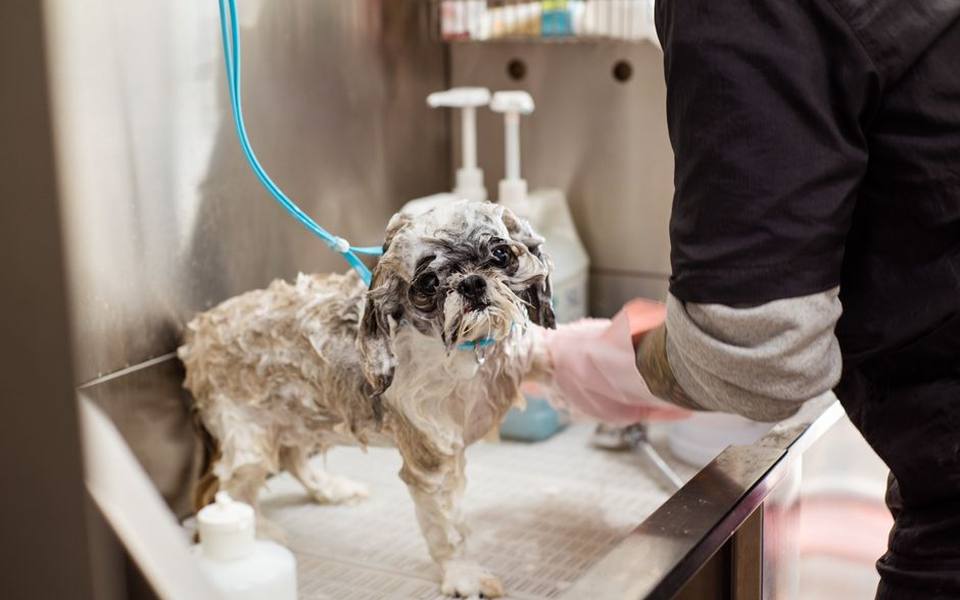
Bathing your pet with an antiparasitic shampoo provides immediate, physical removal of biting insects, dirt, and dried flea waste. Medicated insecticidal washes contain mild pyrethrins designed to stun and suffocate parasites on contact while lathering. Meanwhile, popular natural alternatives like Vet's Best flea and tick shampoo rely on concentrated plant oils—most notably peppermint oil and clove extract—to melt through the waxy outer cuticle of adult fleas and ticks on contact.
When using any parasite-cleansing wash, technique matters just as much as the formulation. Fleas naturally flee moisture and will quickly rush toward the pet's dry head, ears, and face as soon as water hits the back. To counteract this defense, apply a thick ring of lather around the animal's neck before soaking the rest of the body. This soapy perimeter acts as an impassable barrier, trapping the insects along the torso where they can be scrubbed away.
Allow the lathered shampoo to sit on your pet's skin for a full five to ten minutes before rinsing thoroughly with lukewarm water. Rushing through the rinse cycle diminishes the effectiveness of both botanical and synthetic active ingredients. After washing, run a fine-toothed metal flea comb through the damp fur to pull out dead and immobilized parasites caught near the skin surface.
Keep in mind that shampoos offer virtually zero lasting residual protection once rinsed down the drain. While an aromatic bath cleans the coat and calms inflamed skin, it should serve as a preparatory hygiene step before applying a long-term topical or oral preventative. Relying solely on intermittent bathing will not protect your dog if they spend time socializing in community spaces or playing in large fenced dog parks.
Botanical Sprays and Homemade Deterrents for Dogs
Many pet owners seek plant-derived alternatives to commercial chemical treatments, hoping to minimize pharmaceutical exposure for dogs with chronic sensitivities. Natural dog flea and tick sprays utilize botanical essential oils, including rosemary, cedarwood, peppermint, and lemongrass, which naturally emit terpenes that mask the animal's scent and repel opportunistic parasites trying to hitch a ride.

Homemade deterrent sprays frequently employ everyday pantry staples such as raw apple cider vinegar diluted equally with distilled water, occasionally boosted with a small splash of lemon juice or witch hazel. While an acidic vinegar spritz does not kill adult ticks or eradicate active flea colonies, it creates an unfavorable, bitter environment across the canine coat that discourages wandering insects from staying attached after light brush contact.
Caution is required when formulating homemade mixtures, as natural ingredients can still cause irritation or toxicity if prepared improperly. Highly concentrated essential oils, particularly tea tree, pennyroyal, wintergreen, and citrus oils, can be toxic to dogs when absorbed transdermally or licked from the fur. Cats are even more vulnerable to aromatic compounds, meaning a homemade essential-oil spray formulated for a canine companion should never be misted near a resident cat.
Botanical and homemade repellents evaporate relatively quickly, often requiring reapplication before every woodland outing or park visit. If you rely on plant-based mixtures as an adjunct repellent, be sure to conduct thorough manual tick checks along your dog's ears, groin, and toes after outdoor excursions to ensure no stubborn pests bypassed the light herbal barrier.
Designing an Integrated Year-Round Defense Strategy
Maintaining complete parasite protection rarely relies on a single silver-bullet product; instead, it demands an integrated routine that adapts to seasonal shifts and your pet's lifestyle. In colder winter months, indoor heating keeps flea pupae cozy within floorboards, while early spring thaws promptly revive dormant tick populations in leaf litter. Sustaining consistent protection year-round shields your household from unpredictable seasonal spikes.
Your pet's routine activities directly dictate their risk exposure. Dogs that spend afternoons exercising in climate-controlled indoor dog parks may face lower tick exposure than trail companions, but they can still encounter fleas shed by other visiting pets. Conversely, animals exploring tall meadows or rural property require robust tick-killing coverage capable of neutralizing Lyme-carrying deer ticks before pathogen transmission occurs.
Establish an organized schedule by pairing parasite applications with simple recurring household routines. Marking a calendar for the first of every month or logging reminders in your phone prevents the dosing lapses that allow infestations to take root. When changing brands or delivery methods, always consult your veterinarian to verify dosage adjustments based on your pet's current weight and health profile.
Published 2026-09-20 · reviewed with each rebuild, last September 2026.
Find dog parks near you
The directory lists 2,936 dog parks by state and city — pick your state or use the “Near me” button in the header.
More guides
-
 Owning
How to Find and Choose the Best Off-Leash Dog Parks
-
 Owning
What Is a Dog Run? Materials, Design, and Setup Guide
-
 Safety
Taking Your Dog Swimming: Safe Water Spots, Beach Rules, and Health Risks
-
 Service
How Much Does Dog Boarding Cost? A Clear Guide to Kennel Rates
-
 Owning
Dog Training Costs, Obedience Classes, and Essential Health Guidelines
-
 Owning
What Is a Reactive Dog? Signs, Triggers, and Management Guide
-
 Owning
A Practical Guide to Pet Adoption, Surrender Realities, and Essential Daily Care
-
 Safety
How to Safely Exercise and Run with Your Dog: Essential Gear and Conditioning Tips
-
 Safety
Comprehensive Guide to Dog Flea and Tick Treatments: Oral, Topical, and Natural Solutions
-
 Safety
Kennel Cough in Dogs: Symptoms, Home Remedies, and Prescription Treatments
-
 Owning
A Complete Practical Guide to Dog Beaches: Top Coastal Spots and Beach Safety
-
 Owning
Dog Car Seat Covers and Hammocks: Choosing the Best Vehicle Protection
-
 Owning
Understanding the Canine Heat Cycle: Phases, Physical Symptoms, and Female Care
-
 Owning
Essential Dog Hiking Gear: Backpacks, Hands-Free Leashes, and First Aid Kits
-
 Owning
Dog Agility Courses, Private Park Rentals, and Training Facilities: How to Choose the Right Space
-
 Service
Self-Service Dog Wash Stations: Equipment, Costs, and Practical Guide
-
 Buying
Automatic and Manual Dog Ball Launchers: How to Choose the Right Setup for Your Dog
-
 Safety
Complete Guide to Dog Flea and Tick Medications: Chews, Topicals, and Treatments
-
 Safety
Natural Flea and Tick Remedies for Dogs: Practical Home Solutions and Safe Use
-
 Safety
Safe Flea and Parasite Treatments for Puppies Under 12 Weeks
-
 Owning
Dog Poop Bags, Dispensers, and Leash Gear for Everyday Walks
-
 Owning
Ultimate Guide to Finding and Visiting Dog Parks and Dog-Friendly Beaches
-
 Safety
Dog Flea and Tick Guide: Comparing Chews, Topicals, Shampoos, and Injections
-
 Owning
A Homeowner's Guide to Backyard Dog Runs, Enclosures, and Exercise Treadmills
-
 Owning
A Complete Guide to Hiking, Camping, and Outdoor Adventures With Dogs
-
 Owning
Dog Health Guide: Giardia Symptoms, Canine Coughs, and Female Heat Cycles
-
 Safety
Understanding Dog Reactivity and Resource Guarding: Training Methods, Daily Management, and Gear
-
 Buying
Dog Car Seat Covers, Hammocks, and Travel Gear: A Practical Buyer's Guide
-
 Buying
Choosing the Right Automatic Ball Launcher and Backyard Play Gear for Active Dogs
-
 Owning
Self-Serve Dog Wash Stations, Towels, and Waste Management
-
 Safety
Complete Dog Flea and Tick Prevention Guide: Chews, Topicals, and Treatments
-
 Owning
Dog Friendly Beaches, Parks, and Travel Destination Guide
-
 Safety
Essential Outdoor Dog Gear: Harnesses, Life Vests, Hot Pavement Boots, and Bags
-
 Safety
Dog Park Safety Guide: Rules, Aggression, First Aid, and Kennel Cough Symptoms
-
 Owning
Designing Home Dog Runs, Agility Courses, and Backyard Play Equipment
-
 Owning
Choosing the Best Car Seat Covers, Hammocks, and Backseat Protectors for Dogs
-
 Buying
Dog Ball Launchers and Automatic Throwers: Selection, Sizing, and Field Guide
-
 Safety
Dog-Safe Yard Care: Pet-Friendly Lawn Fertilizers and Pest Sprays
-
 Owning
Dog Heat Cycles: Symptoms, Duration, and Care During Estrus