Understanding What a Dog Run Is and Why You Might Need One
A dog run is a dedicated, fully enclosed outdoor or semi-sheltered enclosure designed to give your dog a secure space to exercise, relieve themselves, and enjoy fresh air without roaming unsupervised. Unlike letting a dog wander through an entire open yard where landscaping can be trampled or hidden hazards might lurk, a designated run confines pet activity to a managed footprint. Property owners frequently install them along side yards, behind garages, or within fenced garden zones to establish practical physical boundaries.
The best dog run setups balance reliable containment with everyday physical comfort and mental stimulation. For busy households, having a purpose-built enclosure means you can let your pet step outside for a bathroom break without worrying about fence gaps, neighbor disputes, or wildlife encounters. It keeps muddy paws contained during rainy seasons and prevents destructive digging across decorative lawn areas. Dogs quickly adapt to the routine of using the run for their business, simplifying house training and overall yard upkeep.
While an at-home run offers immense convenience, it serves a distinctly different role than an open community green space. In a private run, your dog enjoys solitude and controlled exposure, whereas public facilities allow wider galloping and social play. If you regularly travel or explore regional off-leash zones like popular dog parks in California, an at-home run acts as your everyday baseline for routine turnout between larger weekend outings.
Selecting the Most Durable Ground Materials for Your Run
Choosing the best dog run material determines how easy the space is to clean, how comfortable it feels on your dog's foot pads, and how much odor lingers over time. Traditional dirt or natural lawn sod rarely survives sustained traffic from an active canine. Within a few weeks, daily pacing typically turns ordinary grass into bare dirt, which quickly converts into standing mud after rainfall. Homeowners therefore look toward non-organic substrates like gravel, concrete slabs, wood mulch, or synthetic grass.
Smooth pea gravel remains a favorite choice because it allows urine to drain naturally into the ground sub-base while offering decent cushioning underfoot. Crushed gravel with sharp, jagged edges should be avoided because small stones can lodge between sensitive paw pads and cause painful abrasions. Rounded river stone or washed pea gravel provides excellent drainage, but solid waste must be scooped promptly to prevent debris from packing into the gaps. Periodically hosing down the gravel layer keeps urine odors from building up during warm weather.
For maximum sanitation and long-term durability, poured concrete slabs are exceptionally effective. Commercial boarding kennels favor concrete because it can be scrubbed, sanitized, and squeegeed dry within minutes without holding moisture. However, unshaded concrete absorbs intense solar heat during summer months and can be uncomfortably hard on canine joints over long stretches. If you pour a masonry base, providing raised cots or thick rubber resting mats gives your dog a comfortable, shock-absorbing surface when resting between movements.
Evaluating Artificial Turf for Safety, Heat, and Drainage
When asking is turf good for dogs, the answer depends heavily on the specific turf construction, drainage backing, and prevailing climate in your region. Modern pet-specific artificial grass features antimicrobial blade coatings and perforated backing designed specifically to channel liquid waste into an aggregate sub-base below. It eliminates muddy paws entirely, stops compulsive digging in its tracks, and keeps the enclosure looking neat year-round without requiring mowing, re-seeding, or chemical fertilizers.
The primary drawback of synthetic turf is solar heat retention. In direct summer sun, untreated artificial turf fibers can reach temperatures that are uncomfortable or potentially hazardous for canine paw pads. If your enclosure sits in an unshaded southern exposure, you will need to incorporate shade sails, install a misting line, or hose the turf down before turnout. Specialized infills like coated silica or zeolite can also noticeably reduce surface temperatures compared to conventional crumb rubber infill.
Maintenance is straightforward but requires steady attention. While rain washes down through the porous backing, concentrated urine salts will gradually produce persistent ammonia smells if neglected during dry spells. Applying an enzymatic pet turf cleaner or a mild outdoor disinfectant every week or two breaks down waste proteins effectively. Combined with routine picking up of solid waste, high-grade pet turf creates an attractive, durable, and clean footing for virtually any run.
Enclosure Dimensions, Fencing Types, and Containment Safety
The footprint of your dog run must reflect your dog's size, athletic ability, and daily routine. A small terrier might do well in an eight-foot by twelve-foot space, whereas a working retriever or shepherd benefits from a narrower, longer channel—such as six feet wide by thirty feet long—that encourages short sprints. The goal is to provide enough length for linear movement rather than forcing the dog to spin in tight circles, which stresses joints and breeds frustration.
Heavy-gauge galvanized chain link remains the standard fencing material for durability, airflow, and weather resistance. Chain link stands up to clawing and chewing much better than lightweight wire mesh or soft wooden pickets. If your dog reacts defensively to visual triggers like passing postal workers or neighborhood cats, you can weave privacy slats into the chain link or install solid vinyl panels along the exterior perimeter to block sightlines and minimize territorial barking.
Escape prevention requires planning for both diggers and jumpers. Fences should typically stand at least five to six feet high for medium to large breeds, with athletic jumpers sometimes requiring an angled inward top barrier. To deter excavation along borders, bury heavy wire mesh at least twelve inches beneath the fence line or pour a concrete footer around the perimeter. Ensuring secure, lockable latches brings the same peace of mind you expect from a fully fenced off-leash area in a public park.
Weather Protection, Shade, and Drainage Infrastructure
An open run leaves your pet vulnerable to changing seasonal elements, from blistering afternoon sun to soaking rainstorms. A proper setup always includes a weather-resistant dog house or an overhead canopy covering at least one-third of the total enclosure. Heavy-duty canvas tarps, metal roofing panels, or pergola-style lattice with UV-blocking fabric provide essential shade, keeping ambient ground temperatures noticeably cooler inside the run during peak heat hours.
Standing water ruins ground materials and fosters bacterial growth, so grading the sub-base is critical prior to final surface installation. The run should slope slightly—typically one to two inches per ten feet—away from your home's foundation toward a designated drainage trench. Digging a shallow gravel swale along the low edge prevents runoff from creating stagnant puddles, ensuring paw pads remain dry and minimizing mud accumulation during prolonged seasonal downpours.
In regions with freezing winters, ice accumulation on concrete or packed gravel can cause painful slipping injuries. Providing insulated resting platforms keeps your pet elevated off frozen ground. When extreme winter weather or persistent blizzards make outdoor runs impractical, pet owners often turn to protected indoor play facilities like dedicated indoor dog parks to give their companions exercise without exposure to biting winds or heavy snowdrifts.
Flea Prevention and Treatment Strategies for Run Environments
An outdoor dog run exposes your pet to outdoor soil, wildlife wanderings, and humidity, creating favorable conditions for external parasites. Fleas reproduce rapidly in shaded, moist ground materials like organic mulch or tall perimeter grass. When managing an active outdoor run, establishing reliable chemical and physical defenses prevents minor pest introductions from escalating into full-blown household infestations.
Finding the best over the counter flea treatment for dogs involves understanding the distinction between topical spot-on medications, oral chews, and specialized collars. Over-the-counter spot-on liquids containing active ingredients like fipronil, imidacloprid, or permethrin (formulated strictly for dogs) kill adult fleas on contact before they can lay eggs. For many pet parents, these topical applications offer an accessible, fast-acting line of defense against backyard flea populations without requiring an immediate clinic visit.
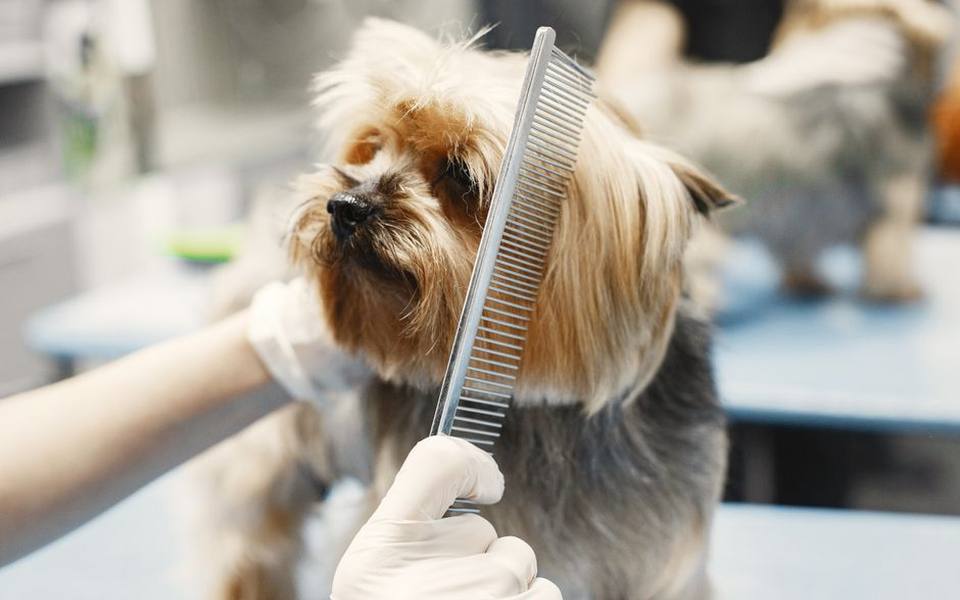
The best over the counter flea prevention for dogs works best when administered consistently on a monthly schedule rather than waiting until scratching begins. If you are shopping for the best over the counter flea medicine for dogs, pair preventative medications with physical grooming tools like fine-toothed flea combs. In addition, treating the soil around the exterior perimeter of the dog run with pet-safe yard sprays or beneficial nematodes reduces environmental flea larvae hiding in damp corners.
Shielding Your Dog from Ticks Around Yard Enclosures
Ticks thrive along suburban property edges where mowed lawns meet brush, tall ornamental grasses, or wooded tree lines. Because dog runs are often tucked into private side yards or rear property corners, dogs spending time outdoors can easily encounter questing ticks. These parasites cling to vegetation tips, transferring onto your pet's coat as they brush against fence lines, carrying serious risks of Lyme disease, ehrlichiosis, and anaplasmosis.
Identifying the best canine tick prevention starts with a multi-layered approach combining medicinal protection and environmental landscape control. Modern preventative collars containing flumethrin, as well as monthly spot-on applications with tick-repelling formulations, prevent ticks from attaching firmly and transmitting pathogens. While systemic prescription chewables remain popular through veterinary clinics, top-tier over-the-counter topicals provide dependable repellent action that keeps ticks from hitching a ride indoors.
Beyond topical protectants, maintaining a physical buffer zone around your dog run weakens tick survival. Keep wild grass clipped short within several feet of the enclosure fence, remove fallen leaf piles promptly, and apply dry cedar mulch bands along borders where ticks hesitate to cross. Thoroughly running your fingers over your dog's ears, groin, neck, and between their paw pads after outdoor sessions ensures early manual removal before ticks can engorge.
Managing Heat Cycles and Containment in Outdoor Enclosures
If you care for an intact female dog, using an outdoor run requires heightened caution and strict awareness of reproductive cycles. Pet parents frequently wonder how often is a dog on heat and what that means for outdoor confinement. On average, how often are dogs in heat comes down to roughly once every six months, meaning twice a year, though smaller breeds might cycle three times annually while giant breeds may only cycle once every twelve to eighteen months.
Knowing how long is a dogs heat cycle helps you plan safe outdoor access without risking accidental breeding. The full estrus cycle typically lasts between two to four weeks, averaging around twenty-one days from initial swelling and spotting to the conclusion of the receptive window. During the active standing heat phase—usually the middle ten days—the female releases potent pheromones that travel remarkable distances on the wind, attracting unaltered male dogs from across the neighborhood.
An outdoor run must be extraordinarily secure if housing a female in season. Intact male dogs will dig beneath fences, scale five-foot barriers, or chew through lightweight wire to reach a receptive female. Never leave a female in heat unattended in an outdoor run, even for brief intervals. Covered runs with concrete foundations and locked latches provide essential physical barriers, keeping roaming suitors out and preventing your dog from attempting escape during hormonal spikes.
Hydration, Mental Enrichment, and Daily Run Activities
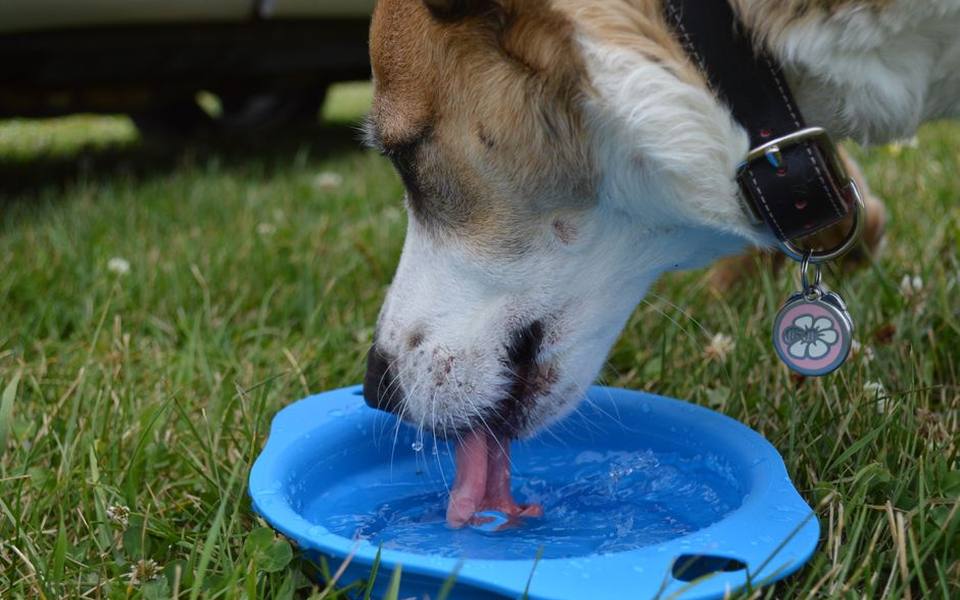
Access to clean, cool drinking water is essential in any dog run, particularly during warm afternoons. Evaporation, knocked-over bowls, and dirt contamination are common outdoor issues that can leave a dog dehydrated. Installing automatic refillable bowl attachments connected directly to an outdoor spigot ensures a continuous water supply. Alternatively, heavy non-tip stainless steel basins mounted securely off the ground prevent spills and keep drinking water clear of gravel dust or loose turf fibers.
A bare enclosure quickly leads to boredom, which breeds unwanted habits such as continuous barking, digging, or fence pacing. Adding safe enrichment tools transforms a plain holding pen into an engaging space. Tough rubber toys stuffed with frozen treats, durable chew logs, and puzzle mats encourage quiet mental focus. Many dogs also appreciate sensory agility props like low climbing platforms or step-over ramps that stimulate natural coordination.
On hot summer days, some owners add shallow splash tubs or drip nozzles to the enclosure to help pets cool off naturally. If your dog loves cooling down in deeper swimming zones, visiting public dog parks with water features provides vigorous aquatic exercise that complements the practical, low-key routine of your at-home run.
Sanitation Schedules, Odor Control, and Long-Term Maintenance
Even the best-designed enclosure becomes unpleasant without a disciplined cleaning routine. Solid waste should ideally be scooped daily, especially in compact runs where footing is concentrated. Allowing waste to sit degrades gravel beds, stains concrete, and creates hospitable breeding grounds for flies and intestinal parasites like roundworms and coccidia, which can reinfect your dog through contaminated paws.
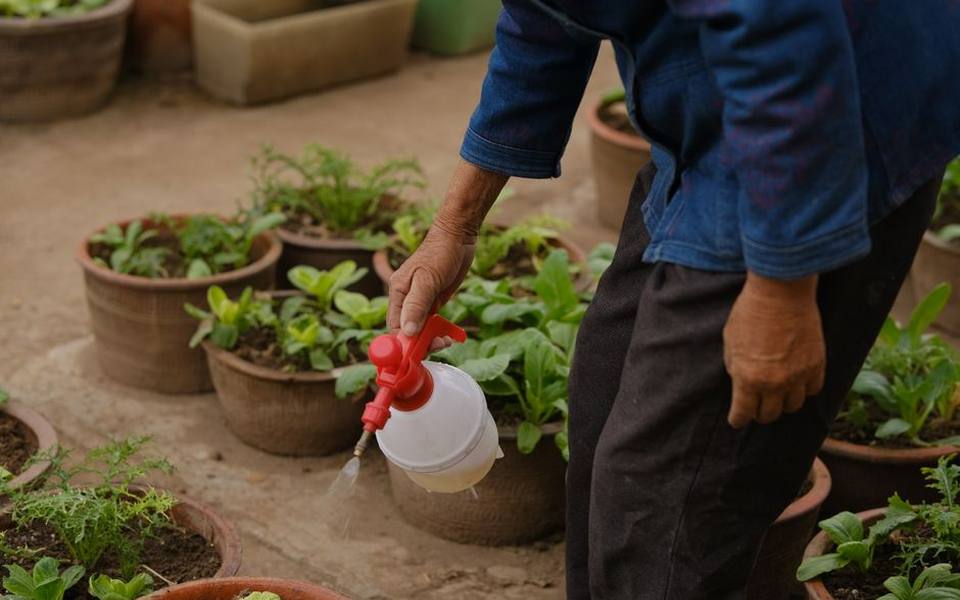
Weekly maintenance involves thoroughly hosing down hard surfaces and treating drainage layers to dissolve residual waste salts. Avoid harsh undiluted bleach solutions, which can irritate canine respiratory systems and paw pads; instead, choose specialized kennel disinfectants, diluted white vinegar, or veterinary-grade quaternary ammonium cleaners. Allow treated surfaces to air dry thoroughly before returning your dog to the enclosure to prevent chemical ingestion or paw irritation.
Regular structural inspections prevent accidental containment escapes over time. Check fence tension monthly, tighten loose hinge hardware on gates, and inspect ground perimeters for newly dug depressions or shifted gravel displacement. Maintaining your dog run with consistent sanitation and structural checks ensures a sanitary, secure, and stress-free haven for your companion across years of daily use.
Published 2026-09-20 · reviewed with each rebuild, last September 2026.
Find dog parks near you
The directory lists 2,936 dog parks by state and city — pick your state or use the “Near me” button in the header.
More guides
-
 Owning
How to Find and Choose the Best Off-Leash Dog Parks
-
 Safety
Taking Your Dog Swimming: Safe Water Spots, Beach Rules, and Health Risks
-
 Service
How Much Does Dog Boarding Cost? A Clear Guide to Kennel Rates
-
 Owning
Dog Training Costs, Obedience Classes, and Essential Health Guidelines
-
 Owning
What Is a Reactive Dog? Signs, Triggers, and Management Guide
-
 Owning
A Practical Guide to Pet Adoption, Surrender Realities, and Essential Daily Care
-
 Safety
How to Safely Exercise and Run with Your Dog: Essential Gear and Conditioning Tips
-
 Safety
Comprehensive Guide to Dog Flea and Tick Treatments: Oral, Topical, and Natural Solutions
-
 Safety
Kennel Cough in Dogs: Symptoms, Home Remedies, and Prescription Treatments
-
 Owning
A Complete Practical Guide to Dog Beaches: Top Coastal Spots and Beach Safety
-
 Owning
Dog Car Seat Covers and Hammocks: Choosing the Best Vehicle Protection
-
 Owning
Understanding the Canine Heat Cycle: Phases, Physical Symptoms, and Female Care
-
 Owning
Essential Dog Hiking Gear: Backpacks, Hands-Free Leashes, and First Aid Kits
-
 Owning
Dog Agility Courses, Private Park Rentals, and Training Facilities: How to Choose the Right Space
-
 Service
Self-Service Dog Wash Stations: Equipment, Costs, and Practical Guide
-
 Buying
Automatic and Manual Dog Ball Launchers: How to Choose the Right Setup for Your Dog
-
 Safety
Complete Guide to Dog Flea and Tick Medications: Chews, Topicals, and Treatments
-
 Safety
Natural Flea and Tick Remedies for Dogs: Practical Home Solutions and Safe Use
-
 Safety
Safe Flea and Parasite Treatments for Puppies Under 12 Weeks
-
 Owning
Dog Poop Bags, Dispensers, and Leash Gear for Everyday Walks
-
 Owning
Ultimate Guide to Finding and Visiting Dog Parks and Dog-Friendly Beaches
-
 Safety
Dog Flea and Tick Guide: Comparing Chews, Topicals, Shampoos, and Injections
-
 Owning
A Homeowner's Guide to Backyard Dog Runs, Enclosures, and Exercise Treadmills
-
 Owning
A Complete Guide to Hiking, Camping, and Outdoor Adventures With Dogs
-
 Owning
Dog Health Guide: Giardia Symptoms, Canine Coughs, and Female Heat Cycles
-
 Safety
Understanding Dog Reactivity and Resource Guarding: Training Methods, Daily Management, and Gear
-
 Buying
Dog Car Seat Covers, Hammocks, and Travel Gear: A Practical Buyer's Guide
-
 Buying
Choosing the Right Automatic Ball Launcher and Backyard Play Gear for Active Dogs
-
 Owning
Self-Serve Dog Wash Stations, Towels, and Waste Management
-
 Safety
Complete Dog Flea and Tick Prevention Guide: Chews, Topicals, and Treatments
-
 Owning
Dog Friendly Beaches, Parks, and Travel Destination Guide
-
 Safety
Essential Outdoor Dog Gear: Harnesses, Life Vests, Hot Pavement Boots, and Bags
-
 Safety
Dog Park Safety Guide: Rules, Aggression, First Aid, and Kennel Cough Symptoms
-
 Safety
Comprehensive Guide to Dog and Cat Flea, Tick, and Heartworm Medications
-
 Owning
Designing Home Dog Runs, Agility Courses, and Backyard Play Equipment
-
 Owning
Choosing the Best Car Seat Covers, Hammocks, and Backseat Protectors for Dogs
-
 Buying
Dog Ball Launchers and Automatic Throwers: Selection, Sizing, and Field Guide
-
 Safety
Dog-Safe Yard Care: Pet-Friendly Lawn Fertilizers and Pest Sprays
-
 Owning
Dog Heat Cycles: Symptoms, Duration, and Care During Estrus