Choosing the Right Waste Bags for Daily Outings
Reliable waste collection starts with matching bag durability to your dog's size and walking routine. Standard bags vary widely in thickness, tensile strength, and seam construction, which means a thin roll can easily puncture on gravel or tear along the perforated line. When selecting everyday doggy waste bags, owners generally look for leak-proof seams and opaque material to make handling cleaner and more sanitary. Evaluating these basic physical traits before buying in bulk saves frustration on chilly morning walks.
Thickness is typically measured in microns or mils, with heavy-duty options offering noticeably more protection against sharp twigs, rough pavement, and long claws. Cheaper rolls often cut costs by reducing film density, which leads to split bottoms or torn handles during tiedown. If you walk on natural terrain or paved sidewalks, choosing a slightly thicker film provides peace of mind against accidental leaks. Reliable rolls also feature distinct perforation lines that separate smoothly without snagging or ripping the neighboring sleeve.
Texture and ease of opening also separate good options from frustrating ones. Static cling can make separating the plastic opening nearly impossible when wearing winter gloves or dealing with dry hands. Look for rolls with lightly textured surfaces or marked opening tabs that peel apart quickly. While a standard roll fits neatly into common leash capsules, flat-pack varieties with tie handles suit neighborhood strolls where you want quick, single-sheet access without unspooling an entire cylinder.
Deciphering Degradable and Biodegradable Claims
Environmental labeling on pet waste packaging can be confusing because terms like degradable and biodegradable describe distinctly different breakdown processes. Traditional degradable dog poop bags typically contain chemical additives that accelerate plastic fragmentation into tiny fragments under sunlight or heat, but they do not necessarily return organic matter to the soil. In contrast, certified biodegradable dog poop bags break down into natural components like water, carbon dioxide, and biomass when exposed to specific microorganisms and moisture levels over time.
Many owners specifically look for plant-based poo bags made from renewable cornstarch or vegetable oils to reduce their petroleum footprint. However, the environmental benefit depends heavily on how the waste is discarded after your walk. In a modern municipal landfill, compacted waste rarely receives the oxygen, sunlight, and heat required to break down biological matter efficiently. Even certified plant-based products can remain preserved for decades in anaerobic landfill cells, meaning material choice alone does not eliminate long-term waste footprints.
Before purchasing, verify whether the packaging cites formal compostability certifications, such as standards for industrial or home composting facilities. Most commercial municipal compost facilities explicitly forbid pet waste due to pathogens like roundworms and bacteria that survive standard composting temperatures. Unless you operate an isolated, dedicated pet-waste digestion system away from edible gardens, municipal solid waste bins remain the primary disposal route. Understanding these nuances helps you invest in eco-conscious products without expecting miraculous landfill disintegration.
Dispensers and Secure Leash Attachments
A secure dog poop bag dispenser eliminates the hassle of stuffing loose plastic rolls into jacket pockets where they unravel or get lost. Common dispensers come in rigid plastic capsules, silicone pouches, or rugged fabric sleeves with zippered enclosures. The best designs secure tightly to the leash handle without bouncing, swinging, or clipping against your knuckles as your dog pulls forward. Stability matters just as much as capacity when selecting a practical holder.
Rigid capsule dispensers are popular because they protect the roll from rain and offer a central spindle that feeds bags smoothly through an oval opening. However, cheap plastic clips frequently snap if dropped onto concrete or pulled against a fence post. Fabric or nylon pouches with dual hook-and-loop straps tend to stay flush against the leash webbing, eliminating swinging motion entirely. Many fabric holders also feature an exterior slot for a house key or spare cash, streamlining your walking essentials.
When pairing dog poop bags and holder setups, check the inner spindle clearance to make sure standard multi-brand refills fit without binding. Some holders are engineered exclusively for slim rolls and will jam if you insert extra-thick or extra-long rolls. A rubberized grommet around the exit hole prevents the roll from retracting inside after tearing off a sheet, ensuring the next bag is immediately ready when needed.
Hands-Free Used Bag Carriers and Grippers
Carrying a full, tied waste bag for miles along a scenic trail is awkward and keeps one hand completely occupied. A dedicated poop bag carrier solves this problem by holding the knotted end of a used bag directly on your leash or belt clip. These compact accessories range from silicone tabs with notched cutouts to lightweight aluminum clips that grasp the knot firmly, allowing you to walk comfortably until you reach a public trash bin.
Investing in a reliable dog poop bag carrier is especially helpful when walking multiple dogs or managing energetic pets that require two hands on the lead. Knot grippers withstand vigorous walking and sudden pulls without dropping the payload along the sidewalk. Simple silicone tabs attach directly to leash handles with sliding loops, while structured carabiners can anchor multiple used bags simultaneously during longer outings where trash receptacles are sparse.
Proper placement of your used bag carrier prevents awkward swinging against your legs. Attaching the knot clamp midway down the leash or just beneath the handle keeps the load balanced and away from your dog's face. Regularly inspect silicone grippers for micro-tears or stretched notches, as repeated insertion of thick knots can widen the slot over several months of daily use, eventually leading to accidental drops.
Managing Waste at Communal Dog Parks
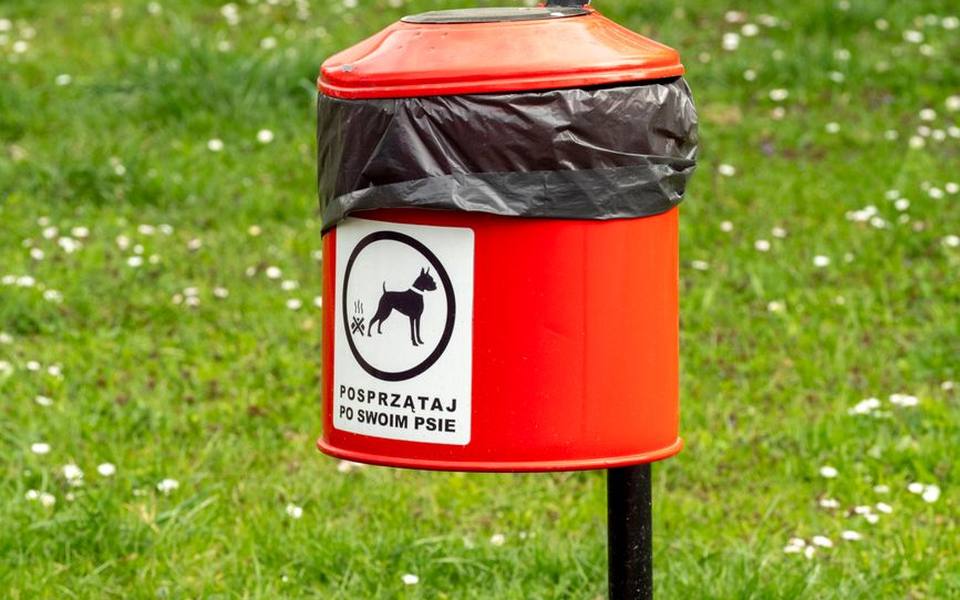
Visiting shared recreation areas requires attentive waste management to keep turf clean, hygienic, and free of transmissible parasites. In well-maintained fenced dog parks, property managers usually provide communal bag stations and waste bins near the entrance gates. However, relying solely on public dispensers is risky, as communal rolls frequently run dry during busy holiday weekends or midday rushes. Carrying your own dog poop bags and dispenser ensures you are never caught unprepared.
When your dog eliminates inside a large off-leash perimeter, retrieve the waste immediately rather than waiting until the end of your visit. Other dogs running at high speeds can easily step in fresh waste, tracking bacteria across the facility and into vehicles. If your pet relieves themselves in deep turf or tall woodchips, using an oversized bag helps you grasp underneath the ground level to capture all material without spreading it through the grass blades.
After securing the tied bag, deposit it directly into designated municipal bins rather than ordinary landscape containers. If public bins are overflowing, common courtesy dictates carrying your sealed bag back to your vehicle or home bin rather than piling it on top of a saturated receptacle. Responsible disposal keeps public parks welcoming, prevents rodent issues, and maintains neighbor goodwill toward community off-leash zones.
Handling Waste in Wet Weather and Water Features
Rainy walks and muddy turf present distinct challenges for waste collection gear. Standard thin plastics become slippery when wet, making it difficult to find the opening seam or tie a secure knot without tearing the film. When visiting dog parks with water features, water-resistant dispensers and heavy-duty bags become essential gear for keeping your spare rolls dry and ready for immediate use.
Fabric dispensers without sealed zippers or water-resistant liners absorb puddle splashes and heavy downpours, causing the paper inner cores of spare rolls to swell and lock up on the spindle. Rigid silicone or gasket-sealed plastic holders perform significantly better in wet conditions by keeping moisture out of the spool chamber. If you regularly hike through marshy areas or rainy climates, keep an extra roll sealed in an airtight pouch inside your walking pack.
Freezing temperatures introduce another set of challenges, as certain plant-based materials and thin plastics become brittle when cold. When the thermometer drops, tearing along perforations can accidentally slice the main bag body if you yank too quickly. Pre-separating a couple of bags before leaving your warm home prevents frustrating tears and avoids the need to peel stubborn plastic seams while wearing heavy winter gloves.
Indoor Facility Rules and Odor Containment
Cleanliness standards are especially strict at modern indoor dog parks and canine agility centers where artificial turf and climate-controlled air require immediate odor containment. In these enclosed spaces, minor spills or untied bags quickly create unpleasant conditions for every visitor. Understanding facility-specific rules ensures you comply with sanitary mandates and avoid penalty fees charged by private clubs.
Indoor locations typically require owners to carry thick, scent-barrier bags and immediately alert staff if an accident occurs on specialized flooring or synthetic turf. Many facilities provide dedicated sanitizing spray and absorbent paper alongside waste bins to neutralize residual moisture. Using an extra-thick bag or double-bagging solid waste helps seal in volatile odors until the bag reaches a sealed, outdoor disposal drum.
Fabric waste bag carriers should be sanitized regularly if you frequent indoor venues, as lingering odors on leash accessories can transfer into indoor spaces. Checking your shoes and your dog's paws before transitioning from the parking lot into an indoor play arena ensures no outdoor waste particles enter the sanitized indoor environment, maintaining a safe space for dogs with delicate immune systems.
Regional Regulations and Landfill Realities
Local waste management ordinances dictate how pet waste must be handled across different regions. In coastal communities, such as municipal recreation corridors near dog parks in California, storm drain runoff protections are strictly enforced, and failing to pick up waste carries steep local fines. Dog waste left on sidewalks washes directly into waterways, contributing dangerous coliform bacteria and nutrient pollution to sensitive coastal habitats.
Disposal options also vary depending on regional infrastructure. While some progressive municipalities are piloting commercial pet-waste composting systems, most jurisdictions, including urban hubs around dog parks in Texas, mandate that all domestic animal feces be sealed and discarded in standard solid-waste municipal trash. Tossing pet waste into yard trimmings or green-waste bins is strictly prohibited in most cities because standard green-waste compost is sold for agricultural and residential gardening use.
Before traveling with your dog to new states or national recreation areas, review local trailhead rules. Many wilderness preserves prohibit burying dog waste or using backcountry catholes because domestic animal pathogens disrupt wild carnivore populations. In fragile ecosystems, pack-it-out mandates require carrying all used bags back to trailhead dumpsters, making durable, scent-locking carriers and puncture-resistant bags an indispensable part of your travel kit.
Bag Sizing, Thickness, and Seam Construction
Matching your bag dimensions to your dog's breed size is essential for clean handling. Small dogs produce modest waste that easily fits into standard compact sleeves, but large and giant breeds require extended lengths with expandable side gussets. A bag that is too small forces your fingers dangerously close to the knot line, increasing the likelihood of contact or messy spills when tying off the opening.

Look closely at how the bottom seam is bonded. Star-seal bottoms, which pinch and fuse the plastic into a circular center, distribute weight more evenly than simple flat heat-welds. Flat-welded bags are prone to splitting along the edges when carrying heavy loads or when scraped against rough asphalt. High-density polyethylene or multi-layered cornstarch blends provide tensile resistance that prevents the material from stretching thin under weight.
Handles are another design factor worth evaluating. Standard rolls feature straight openings that must be knotted around themselves, which slightly reduces the usable internal volume of the bag. Tie-handle bags feature extended tabs that knot together easily, leaving maximum space inside the sleeve. While tie-handle options rarely fit inside compact cylindrical dispensers, they are exceptionally convenient to carry in a jacket pocket or dedicated pouch.
Cleaning and Sanitizing Leash Accessories
Because waste accessories live on your dog's leash, they regularly come into contact with mud, street dust, and dirty hands. Over several months, dispensers, knot clips, and leash straps accumulate dirt and bacterial buildup. Establishing a quick monthly sanitizing routine keeps your walking gear fresh, odor-free, and structurally sound for daily duty.
Rigid plastic and silicone dispensers can be dismantled, emptied of bags, and soaked in warm, soapy water with a splash of mild disinfectant. Ensure the interior spindle and rubber feeding grommet are completely dry before inserting a fresh roll, as trapped moisture will rot paper roll cores and degrade plant-based films. Fabric pouches can usually be hand-washed or tossed into a mesh laundry bag on a gentle cycle, then air-dried thoroughly.
Inspect carabiners, metal split rings, and hook-and-loop fasteners for wear during cleaning. Sand and debris can jam spring-loaded clip gates, causing dispensers to detach and fall off mid-stride. Replacing a worn five-cent clip prevents losing your favorite dispenser on the trail. Keeping your gear clean and functional ensures that daily walks remain pleasant, hygienic, and organized for both you and your pet.
Published 2026-09-20 · reviewed with each rebuild, last September 2026.
Find dog parks near you
The directory lists 2,936 dog parks by state and city — pick your state or use the “Near me” button in the header.
More guides
-
 Owning
How to Find and Choose the Best Off-Leash Dog Parks
-
 Owning
What Is a Dog Run? Materials, Design, and Setup Guide
-
 Safety
Taking Your Dog Swimming: Safe Water Spots, Beach Rules, and Health Risks
-
 Service
How Much Does Dog Boarding Cost? A Clear Guide to Kennel Rates
-
 Owning
Dog Training Costs, Obedience Classes, and Essential Health Guidelines
-
 Owning
What Is a Reactive Dog? Signs, Triggers, and Management Guide
-
 Owning
A Practical Guide to Pet Adoption, Surrender Realities, and Essential Daily Care
-
 Safety
How to Safely Exercise and Run with Your Dog: Essential Gear and Conditioning Tips
-
 Safety
Comprehensive Guide to Dog Flea and Tick Treatments: Oral, Topical, and Natural Solutions
-
 Safety
Kennel Cough in Dogs: Symptoms, Home Remedies, and Prescription Treatments
-
 Owning
A Complete Practical Guide to Dog Beaches: Top Coastal Spots and Beach Safety
-
 Owning
Dog Car Seat Covers and Hammocks: Choosing the Best Vehicle Protection
-
 Owning
Understanding the Canine Heat Cycle: Phases, Physical Symptoms, and Female Care
-
 Owning
Essential Dog Hiking Gear: Backpacks, Hands-Free Leashes, and First Aid Kits
-
 Owning
Dog Agility Courses, Private Park Rentals, and Training Facilities: How to Choose the Right Space
-
 Service
Self-Service Dog Wash Stations: Equipment, Costs, and Practical Guide
-
 Buying
Automatic and Manual Dog Ball Launchers: How to Choose the Right Setup for Your Dog
-
 Safety
Complete Guide to Dog Flea and Tick Medications: Chews, Topicals, and Treatments
-
 Safety
Natural Flea and Tick Remedies for Dogs: Practical Home Solutions and Safe Use
-
 Safety
Safe Flea and Parasite Treatments for Puppies Under 12 Weeks
-
 Owning
Ultimate Guide to Finding and Visiting Dog Parks and Dog-Friendly Beaches
-
 Safety
Dog Flea and Tick Guide: Comparing Chews, Topicals, Shampoos, and Injections
-
 Owning
A Homeowner's Guide to Backyard Dog Runs, Enclosures, and Exercise Treadmills
-
 Owning
A Complete Guide to Hiking, Camping, and Outdoor Adventures With Dogs
-
 Owning
Dog Health Guide: Giardia Symptoms, Canine Coughs, and Female Heat Cycles
-
 Safety
Understanding Dog Reactivity and Resource Guarding: Training Methods, Daily Management, and Gear
-
 Buying
Dog Car Seat Covers, Hammocks, and Travel Gear: A Practical Buyer's Guide
-
 Buying
Choosing the Right Automatic Ball Launcher and Backyard Play Gear for Active Dogs
-
 Owning
Self-Serve Dog Wash Stations, Towels, and Waste Management
-
 Safety
Complete Dog Flea and Tick Prevention Guide: Chews, Topicals, and Treatments
-
 Owning
Dog Friendly Beaches, Parks, and Travel Destination Guide
-
 Safety
Essential Outdoor Dog Gear: Harnesses, Life Vests, Hot Pavement Boots, and Bags
-
 Safety
Dog Park Safety Guide: Rules, Aggression, First Aid, and Kennel Cough Symptoms
-
 Safety
Comprehensive Guide to Dog and Cat Flea, Tick, and Heartworm Medications
-
 Owning
Designing Home Dog Runs, Agility Courses, and Backyard Play Equipment
-
 Owning
Choosing the Best Car Seat Covers, Hammocks, and Backseat Protectors for Dogs
-
 Buying
Dog Ball Launchers and Automatic Throwers: Selection, Sizing, and Field Guide
-
 Safety
Dog-Safe Yard Care: Pet-Friendly Lawn Fertilizers and Pest Sprays
-
 Owning
Dog Heat Cycles: Symptoms, Duration, and Care During Estrus