What to Expect Before Heading to the Coast With Your Dog
Finding an open shoreline where your pet can romp freely is one of the most rewarding outdoor experiences available, but coastal dog areas follow very different principles than landlocked neighborhood recreation areas. Unlike standard municipal enclosures that rely on chain-link perimeters, most oceanfront stretches rely entirely on natural boundaries like bluffs, jetties, or simply the water line itself. Before packing up your vehicle, you need to understand whether your destination is genuinely off-leash or strictly an on-leash coastal trail, as local enforcement typically issues citations without prior warnings.
Shorelines introduce unique natural variables that you will not encounter in traditional green spaces. Crashing breakers, swift undertows, burning-hot sand during peak afternoon hours, and sharp shell beds require active vigilance from pet parents. While an inland run allows you to sit back on a bench, coastal outings demand continuous attention to keep your pet from swallowing saltwater, wandering beyond invisible boundary markers, or disturbing protected shorebird nesting sanctuaries.
Municipal jurisdictions often change beach regulations depending on seasonal wildlife patterns or peak tourist volumes. In many coastal counties, summer restrictions prohibit animals between mid-morning and late afternoon, opening the sand exclusively around sunrise and sunset. In contrast, designated year-round zones welcome canine visitors all day, provided handlers clean up immediately and retain immediate voice command at all times.
If you are used to contained neighborhood runs, transitioning to wide-open shore territory takes some preparation. Evaluating your dog's temperament around crowded shorelines, heavy wave wash, and unfamiliar off-leash packs helps prevent stressful confrontations and ensures everyone leaves the sand happy and safe.
Locating Waterfront Access and the Nearest Dog-Friendly Shoreline
If you are looking for coastal access nearby, start by checking city and county coastal commission ordinances rather than generic map pins. Regional park departments and coastal stewardship agencies frequently update shoreline policies to safeguard local ecosystems, meaning what was accessible last year might now carry strict on-leash rules. Cross-referencing current park registries and community directories saves you a wasted drive to an empty or heavily restricted boardwalk.
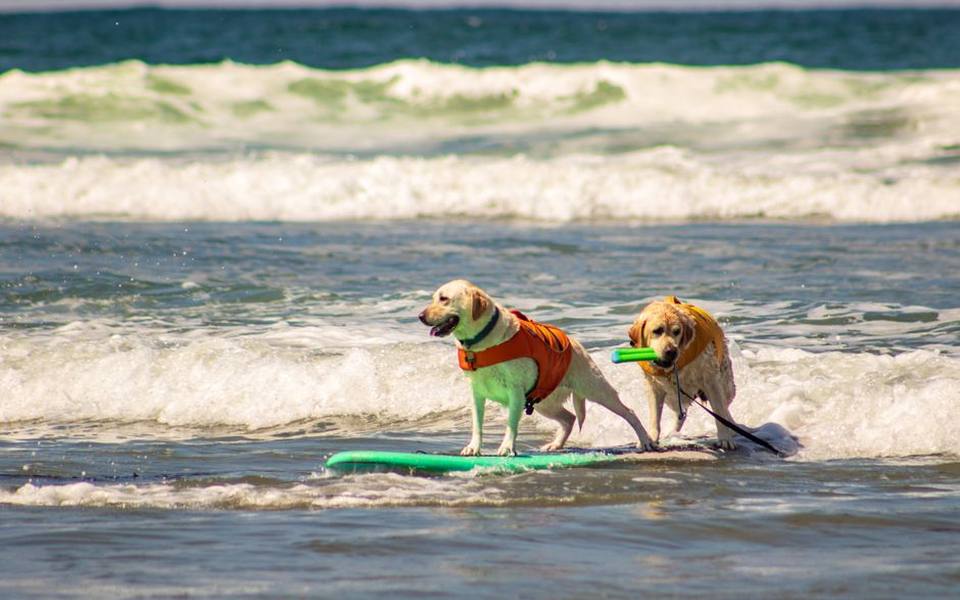
Travelers venturing across regions will find substantial variation in how coastal access is distributed across the country. Our national directory features thousands of recreational options across regional directories, including dog parks in California with 323 listings, as well as dog parks in Florida with 205 listings. Each state maintains distinct coastal management acts that govern whether animals can step foot on wet sand.
When coastal access is too distant or ocean conditions are too rough, alternative play spaces offer great substitutes. Visiting designated dog parks with water features provides controlled splash zones, fountains, or freshwater swimming ponds without the hazards of marine wildlife, rip currents, and salt ingestion. These facilities give water-loving dogs their swim time under much safer environmental conditions.
Always confirm parking fees, boardwalk leash mandates, and access stairways before arriving. Some of the most pristine beach pockets require navigating steep bluffs or narrow cliffside stairwells that might prove challenging for older dogs with joint stiffness or young puppies unaccustomed to open-grate steps.
Iconic Southern California Destinations: Rosie's and Huntington
Southern California remains the heart of coastal beach culture, hosting several of the most famous dedicated dog oceanfronts in the United States. In Long Beach, Rosie's Dog Beach stands as a celebrated community milestone along Ocean Boulevard. Created within a designated zone on the sand, this open stretch allows pets to swim in calm harbor waters shielded by breakwaters. The flat layout and gentle surf make it exceptionally approachable for smaller breeds and cautious swimmers.
A short drive south along the Pacific Coast Highway leads to the expansive Huntington Dog Beach, spanning over a mile of golden sand. Here, active dogs dash through pounding Pacific breakers alongside surfers. The environment is vibrant and high-energy, with expansive territory that gives energetic dogs plenty of room to run full tilt without running into private sunbathers.
Both locations operate under specific municipal guidelines that require dogs to remain leashed between your vehicle and the designated sand zone. While Huntington features open breakers that demand solid swimming capabilities, Rosie's features calmer tidal action. Picking between them depends heavily on your dog's size, wave confidence, and comfort level around high-density crowds.
Parking along these premier Pacific strips is typically managed through automated pay kiosks or regional meter passes. Arriving early on weekend mornings guarantees parking spots before public beachgoers fill adjacent lots, while offering cooler sand temperatures that protect sensitive paw pads from midday heat.
San Diego County Highlights: Ocean Beach and Del Mar
Further south along the coast, San Diego County boasts two world-renowned shores that set the standard for seaside freedom. The historic Ocean Beach Dog Beach, situated at the mouth of the San Diego River, has welcomed untethered canines for decades. Its expansive sand flats, calm river channel access, and ocean-facing surf break provide varied terrain where energetic retrievers and gentle paddlers can choose their preferred water depth.
North in Del Mar, the area colloquially known as North Beach offers a dramatic scenic backdrop framed by coastal bluffs and railroad bridges. Del Mar operates under a seasonal schedule where off-leash access opens completely during autumn and winter months, shifting to restricted or on-leash rules through the peak summer vacation window. Understanding these seasonal dates prevents costly citations from local beach patrols.
Both San Diego destinations feature energetic canine social scenes where clear boundary manners are essential. Because these beaches connect directly to surrounding coastal neighborhoods and estuaries, your pet must possess reliable recall to keep them away from nearby bicycle pathways, public picnic tables, and delicate natural sand dunes.
Rinsing facilities are positioned near the street entrances at Ocean Beach, allowing owners to wash off gritty sand and drying brine before loading up for the drive home. Planning fifteen minutes for an exit rinse keeps your vehicle cleaner and prevents post-swim skin irritation.
Florida Gulf Coast Gems: Pensacola and Surrounding Shores
On the Gulf Coast, the emerald waters and white quartz sand of the Florida Panhandle provide breathtaking destinations for swimming pets. Pensacola Beach maintains two distinct, marked canine zones along its barrier island, designated as Pensacola Dog Beach West and its eastern counterpart. The western site, located along Fort Pickens Road, provides ample open coastline where dogs can wade into tranquil Gulf shallows.
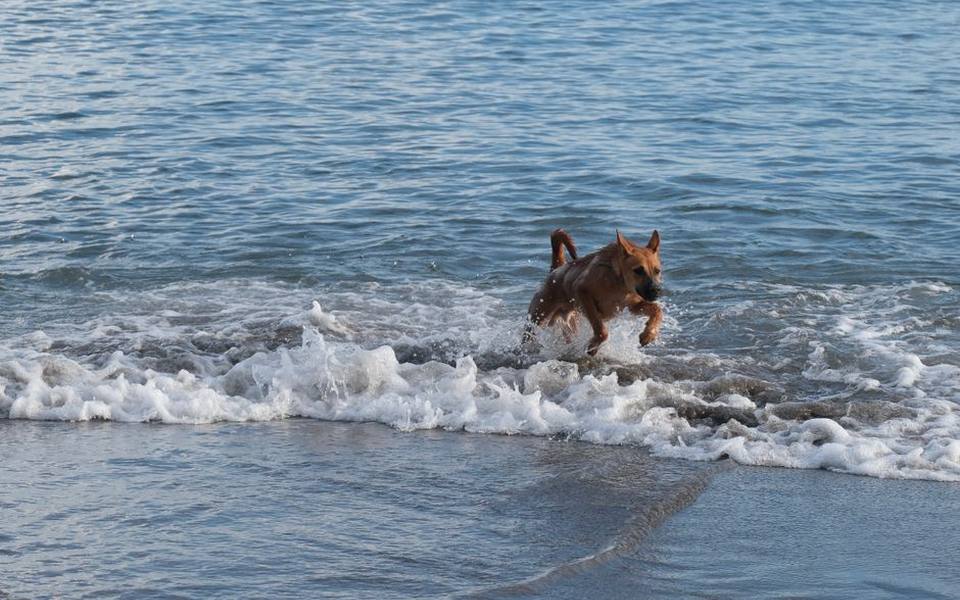
Gulf waters are typically much calmer and warmer than Pacific surf, creating an ideal playground for dogs that feel intimidated by rolling ocean breakers. The fine quartz sand stays noticeably cooler underfoot than darker mineral sands, although midday sun still requires plenty of shade and hydration support to prevent rapid exhaustion.
Rules along the Gulf islands are strictly enforced to protect sensitive barrier dunes and nesting sea turtles. Dogs are required to remain within designated signpost markers and off the elevated dune ridges, with handlers keeping waste cleanup bags visibly in hand. Local authorities patrol these pristine shorelines consistently throughout peak season.
Because these Gulf locations sit on narrow barrier strips, afternoon weather changes can roll in with little warning. Summer thunderstorms accompanied by offshore lightning are common, making early morning visits the safest and most enjoyable window for Gulf swimming.
Atlantic Coastal Hotspots: Walton Rocks and Hollywood Beach
Moving across to Florida's Atlantic shoreline, St. Lucie County features Walton Rocks Dog Beach, one of the premier off-leash beach destinations on the eastern seaboard. Spanning multiple acres of natural coastal terrain, Walton Rocks offers expansive shoreline punctuated by natural coquina rock reefs. Dogs have unrestricted off-leash freedom on the sand and in the surf, making it a beloved regional hub for active coastal dogs.
Further south in Broward County, the Dog Beach of Hollywood provides a structured weekend escape along coastal dunes. Situated between Custer and Pershing streets, this permitted area operates during designated late-afternoon and evening time slots on select days. Visitors typically purchase daily passes or annual permits, ensuring controlled crowds and well-monitored grounds.
Atlantic surf conditions can shift dramatically based on seasonal trade winds and offshore storm systems. While Walton Rocks gives dogs plenty of acreage to roam free, crashing swells require handlers to assess water safety before letting less confident swimmers dive into the surf.
Amenities at these Atlantic spots vary considerably. Walton Rocks provides rustic open space with rinse showers and waste receptacles, whereas Hollywood's regulated permit system ensures strict health documentation and controlled visitor densities along the shoreline.
Understanding Ocean Hazards, Currents, and Ingestion Risks
While coastal outings are exhilarating, the ocean presents genuine environmental hazards that every owner must actively manage. Saltwater toxicity is a primary concern; excited dogs chasing floating balls or biting at crashing waves inevitably ingest seawater. Consuming significant quantities of ocean brine draws moisture directly into the intestines, causing rapid dehydration, vomiting, and severe diarrhea that can escalate into a clinical emergency.
Physical wave dynamics pose another quiet risk. Undertows, rip currents, and shore breaks can quickly sweep an exhausted pet away from the shallows. Even strong natural swimmers tire much faster battling rolling swell and tidal pull than they do paddling across a still freshwater lake, making fitted canine life vests a smart investment for ocean play.
Marine life encounters require cautious distance. Depending on geography and season, beaches harbor jellyfish washed into the surf line, stingrays resting under shallow sand beds, and decomposing fish carcasses rich in harmful bacteria. Teaching a reliable drop-it command prevents your dog from mouthing dead marine creatures or stepping on barbed sea life.
Sun exposure on open sand is amplified by water reflection. Pale-nosed, light-furred, and short-haired breeds can develop painful sunburns across their muzzles, ear tips, and bellies, requiring pet-safe sun protection creams and portable shade canopies during extended beach days.
Comparing Open Shorelines With Fenced and Indoor Dog Parks
Choosing between an open coastal trip and a secure inland facility comes down to your dog's training, recall reliability, and energy requirements. Open shorelines lack boundaries, which means an easily distracted pet can bolt after gulls or run toward distant crowds before you can react. For dogs that lack rock-solid voice recall, visiting fenced dog parks that offer a fully fenced off-leash area eliminates the anxiety of sudden escapes.
Weather also dictates whether the beach is your best option. Coastal winds, blistering summer heat, and winter rains can make the shoreline miserable or physically dangerous for sensitive pets. During extreme seasonal weather, choosing climate-controlled indoor dog parks ensures your companion burns off energy in an indoor, weather-protected play area without exposure to temperature extremes or rough surf.
Water lovers do not necessarily require the ocean to satisfy their swimming drive. Regional facilities featuring dedicated freshwater swimming lagoons, chlorinated canine pools, or dock-diving setups provide aquatic fun without the complications of stinging salt spray, sand ingestion, and unpredictable tidal currents.
Ultimately, matching the setting to your pet's personality produces the best outing. If your dog is confident, responsive off-leash, and unbothered by unpredictable natural surroundings, the open beach provides unmatched exercise; otherwise, enclosed regional parks deliver a calmer, more controlled experience.
Beach Etiquette and Protecting Sensitive Coastal Habitats
Preserving public coastal access for dogs relies entirely on individual owner accountability and responsible land stewardship. Sand dunes are fragile natural defense barriers that protect mainland infrastructure from storm surges, while sheltering critical bird species and coastal plants. Allowing dogs to dig out dune grasses or chase nesting plovers creates conflicts that frequently prompt coastal authorities to ban pets entirely.
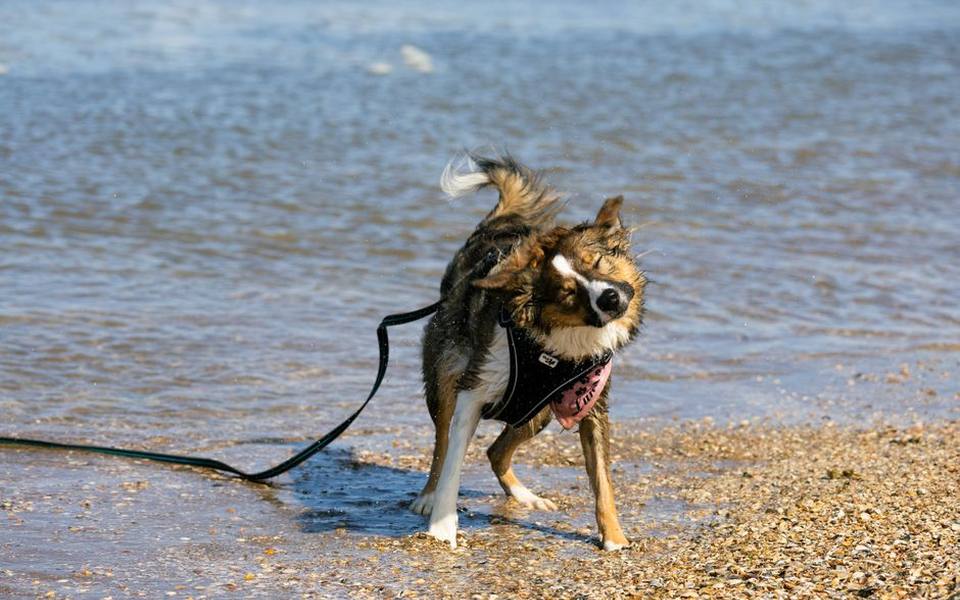
Picking up waste on sand requires diligent attention. Canine waste contains harmful coliform bacteria and nitrogen compounds that contaminate sensitive intertidal pools and wash directly into local recreational swimming zones. Always bring biodegradable collection bags, pick up immediately, and carry the waste to designated trash bins rather than burying it under sand.
Respecting fellow beachgoers ensures harmonious shared recreation. Even in official off-leash zones, maintain situational awareness around families with small children, sunbathers, and working service animals. A wet, shaking dog running across an unfamiliar family's beach towel creates unnecessary friction and hurts the community reputation of beach-going pet owners.
Keep your pet on-leash until you cross past boundary markers into designated free-play territory. Many tickets are issued not on the sand itself, but along the walkways, parking lots, and coastal access paths leading directly down to the water.
Post-Beach Care: Rinsing, Paw Health, and Dehydration Recovery
The beach day does not end when your dog steps off the sand; proper post-outing care is critical for long-term comfort and health. Salt crystals dry rapidly against canine skin, creating itchy deposits that cause constant scratching, hot spots, and painful dermal inflammation. Giving your pet a thorough fresh-water rinse down to the undercoat washes away drying brine, micro-algae, and gritty sand particles.
Examine your dog's paws closely before leaving the area. Coarse wet sand acts like natural sandpaper, rubbing against tender webbing between toes and wearing down calluses. Inspect paw pads for micro-abrasions, embedded shell fragments, or tiny burrs picked up along dunes, applying a soothing paw balm if pads feel rough or raw.
Offer clean, fresh drinking water in small, controlled portions once you return to your vehicle. Thirsty dogs that run hard on the coast often attempt to gulp entire bowls at once, which can trigger immediate vomiting if their stomachs are sensitive from trace saltwater ingestion. Allow them to hydrate gradually over an hour.
Watch your companion for delayed fatigue or saltwater sickness during the evening following a coastal trip. Lethargy, persistent watery diarrhea, or refusal to eat should be monitored carefully, as these signs indicate potential heat exhaustion or internal electrolyte imbalance requiring veterinary guidance.
Published 2026-09-20 · reviewed with each rebuild, last September 2026.
Find dog parks near you
The directory lists 2,936 dog parks by state and city — pick your state or use the “Near me” button in the header.
More guides
-
 Owning
How to Find and Choose the Best Off-Leash Dog Parks
-
 Owning
What Is a Dog Run? Materials, Design, and Setup Guide
-
 Safety
Taking Your Dog Swimming: Safe Water Spots, Beach Rules, and Health Risks
-
 Service
How Much Does Dog Boarding Cost? A Clear Guide to Kennel Rates
-
 Owning
Dog Training Costs, Obedience Classes, and Essential Health Guidelines
-
 Owning
What Is a Reactive Dog? Signs, Triggers, and Management Guide
-
 Owning
A Practical Guide to Pet Adoption, Surrender Realities, and Essential Daily Care
-
 Safety
How to Safely Exercise and Run with Your Dog: Essential Gear and Conditioning Tips
-
 Safety
Comprehensive Guide to Dog Flea and Tick Treatments: Oral, Topical, and Natural Solutions
-
 Safety
Kennel Cough in Dogs: Symptoms, Home Remedies, and Prescription Treatments
-
 Owning
Dog Car Seat Covers and Hammocks: Choosing the Best Vehicle Protection
-
 Owning
Understanding the Canine Heat Cycle: Phases, Physical Symptoms, and Female Care
-
 Owning
Essential Dog Hiking Gear: Backpacks, Hands-Free Leashes, and First Aid Kits
-
 Owning
Dog Agility Courses, Private Park Rentals, and Training Facilities: How to Choose the Right Space
-
 Service
Self-Service Dog Wash Stations: Equipment, Costs, and Practical Guide
-
 Buying
Automatic and Manual Dog Ball Launchers: How to Choose the Right Setup for Your Dog
-
 Safety
Complete Guide to Dog Flea and Tick Medications: Chews, Topicals, and Treatments
-
 Safety
Natural Flea and Tick Remedies for Dogs: Practical Home Solutions and Safe Use
-
 Safety
Safe Flea and Parasite Treatments for Puppies Under 12 Weeks
-
 Owning
Dog Poop Bags, Dispensers, and Leash Gear for Everyday Walks
-
 Owning
Ultimate Guide to Finding and Visiting Dog Parks and Dog-Friendly Beaches
-
 Safety
Dog Flea and Tick Guide: Comparing Chews, Topicals, Shampoos, and Injections
-
 Owning
A Homeowner's Guide to Backyard Dog Runs, Enclosures, and Exercise Treadmills
-
 Owning
A Complete Guide to Hiking, Camping, and Outdoor Adventures With Dogs
-
 Owning
Dog Health Guide: Giardia Symptoms, Canine Coughs, and Female Heat Cycles
-
 Safety
Understanding Dog Reactivity and Resource Guarding: Training Methods, Daily Management, and Gear
-
 Buying
Dog Car Seat Covers, Hammocks, and Travel Gear: A Practical Buyer's Guide
-
 Buying
Choosing the Right Automatic Ball Launcher and Backyard Play Gear for Active Dogs
-
 Owning
Self-Serve Dog Wash Stations, Towels, and Waste Management
-
 Safety
Complete Dog Flea and Tick Prevention Guide: Chews, Topicals, and Treatments
-
 Owning
Dog Friendly Beaches, Parks, and Travel Destination Guide
-
 Safety
Essential Outdoor Dog Gear: Harnesses, Life Vests, Hot Pavement Boots, and Bags
-
 Safety
Dog Park Safety Guide: Rules, Aggression, First Aid, and Kennel Cough Symptoms
-
 Safety
Comprehensive Guide to Dog and Cat Flea, Tick, and Heartworm Medications
-
 Owning
Designing Home Dog Runs, Agility Courses, and Backyard Play Equipment
-
 Owning
Choosing the Best Car Seat Covers, Hammocks, and Backseat Protectors for Dogs
-
 Buying
Dog Ball Launchers and Automatic Throwers: Selection, Sizing, and Field Guide
-
 Safety
Dog-Safe Yard Care: Pet-Friendly Lawn Fertilizers and Pest Sprays
-
 Owning
Dog Heat Cycles: Symptoms, Duration, and Care During Estrus