What separates a great dog run from an average one
Finding an exceptional off-leash space comes down to evaluating safety architecture, ground surfacing, and visitor culture before ever unhooking your dog's leash. While any grassy clearing may seem inviting at first glance, true community dog runs are engineered to manage canine pack dynamics. A top-tier park provides clear visibility across the entire perimeter, sensible boundary separation between large and small breeds, and reliable sanitation resources. When you start your search for a dependable open play area nearby, looking past simple acreage into how the footprint is maintained makes all the difference.
Ground maintenance plays a tremendous role in park health and cleanliness. Natural grass often turns into heavy mud pits after moderate rainfall, which creates breeding grounds for bacteria and parasites that spread quickly among social dogs. The premier facilities across the country frequently rely on decomposed granite, clean pea gravel, or specialized antimicrobial synthetic turf designed specifically for high-traffic canine facilities. These materials drain moisture rapidly, prevent standing puddles, and allow park crews to disinfect surfaces regularly without destroying local greenery.
The surrounding atmosphere and visitor etiquette also distinguish an outstanding destination from a chaotic one. A great off-leash environment features engaged handlers who monitor canine body language rather than staring at handheld screens from distant benches. Thoughtfully placed shade trees, benches positioned away from crowded entrance gates, and clean perimeter sightlines encourage handlers to stay mobile alongside their companions. Paying attention to these physical details on your first walkthrough will help you decide whether a neighborhood spot is truly worth regular visits.
Assessing physical security and double-gate airlocks
The foundational requirement of any secure park is its perimeter boundary. Reliable facilities almost always feature a fully fenced off-leash area standing at least five to six feet high to discourage high-jumping breeds from clearing the boundary. Chain link remains the standard choice because it allows clear sightlines inside and outside the run, reducing territorial aggression along fence lines. Secure fencing should also extend flush to the dirt or concrete footing to stop determined diggers from squeezing beneath the perimeter.

A proper entrance vestibule, commonly known as a double-gate airlock, is non-negotiable for busy community spaces. This enclosed buffer zone allows an arriving dog to enter the transition space, have the exterior gate fully latched behind them, and then have their leash removed before stepping through the inner gate into the pack. When parks lack this dual-barrier design, sudden door openings routinely lead to accidental bolt escapes, frantic perimeter chases, and heightened gate-greeting reactivity between newly arriving dogs and resting packs.
Latching mechanisms inside these transition areas require regular inspection by visitors and municipal workers alike. Gravity latches, spring-loaded self-closing hinges, and magnetic locks must operate smoothly without sticking or resting half-cocked. When checking out a new facility, test whether gates swing shut on their own without human intervention. If latches show heavy corrosion, sag from worn posts, or require complex balancing to catch properly, treat the facility with extreme caution during peak hours.
Off-leash play versus structured trail walking
Not every energetic dog thrives in an open, high-intensity play field where dozens of unfamiliar animals run freely. For many handlers, dedicated walking corridors, multi-use urban greenways, and nature trails provide far healthier exercise than chaotic group wrestling. Structured trail walking promotes sustained forward movement, mental focus through varied scents, and closer handler engagement. If your pet tends to become overstimulated, defensive, or anxious when approached by groups of strange dogs, searching for scenic neighborhood trails is often much safer than visiting enclosed fields.
On multi-use trails, strict leash regulations usually apply in most jurisdictions, and for good reason. Shared paths accommodate runners, cyclists, small children, and wildlife alongside dogs of varying temperaments. Keeping your dog on a standard six-foot non-retractable lead ensures immediate control whenever trail conditions narrow or blind corners approach. Retractable long lines present significant tripping hazards on busy paths and can easily snap or cause rope burns if an energetic dog lunges toward wildlife.
Mixing open play runs with leashed exploration creates a balanced weekly exercise regimen. High-intensity sprinting inside enclosed grounds drains physical energy quickly, while leisurely walks along wooded greenways provide deep mental stimulation through scent exploration. Observing your pet after each type of outing will reveal their natural preference. A dog that returns from group play exhausted but tense may show far happier demeanor following an hour of uninterrupted, steady trail walking.
Regional highlights across premier American cities
Across the United States, municipal recreation departments take wildly different approaches to off-leash design based on climate, topography, and municipal budgets. In the Rocky Mountain region, the sprawling mountain settings found around Denver set a national benchmark for sheer acreage and natural beauty. Several high-profile parks in that region span over sixty to one hundred acres of prairie and foothills, complete with natural creeks, native grasses, and unpaved perimeter hiking loops where dogs can roam under voice command within massive fenced boundaries.
These destination-scale Western runs require exceptional recall skills from visiting dogs. When an off-leash perimeter covers dozens of acres, handlers cannot physically reach an animal that refuses to return or begins chasing indigenous prairie wildlife. Handlers visiting expansive regional open spaces should always test recall in controlled, smaller environments first. High altitudes also demand carrying extra hydration supplies, as thin mountain air and dry conditions accelerate dehydration in athletic dogs far faster than coastal environments.
What unites the finest destinations across the country is thoughtful integration with local geography. While expansive open spaces dominate Western states, coastal regions frequently offer tidal flats, and northern states prioritize sheltered tree canopies to block wind. Exploring regional differences allows travelers and local owners alike to discover creative park architecture that matches their pet's natural athletic drives.
Navigating urban runs in dense metros like New York
Designing off-leash recreation in high-density environments presents unique challenges that city planners must overcome through clever design. The world-renowned network of pocket parks and dog runs throughout New York illustrates how small spaces can serve thousands of daily visitors successfully. In Manhattan and Brooklyn, spaces are rarely larger than a standard basketball court, requiring heavy reliance on crushed granite, textured concrete pads, and industrial drainage systems that city volunteers wash down multiple times per week.
High population density requires stricter owner etiquette and hyper-vigilance. With little room for dogs to break into long-distance sprints, social interactions in compact urban pens happen at close quarters. Pack tensions can build rapidly near gates, hydration troughs, or around handlers who carry high-value food treats into the enclosure. Experienced urban handlers know to keep personal belongings zipped up, leave toys at home to avoid resource guarding, and step in immediately if body postures stiffen.
Neighborhood associations frequently oversee maintenance at these pocket facilities through dedicated volunteer programs. Because municipal sanitation crews face immense workloads across large cities, park cleanliness depends heavily on individual responsibility. Picking up waste immediately, preventing dogs from digging through surfacing, and reporting broken latches promptly helps preserve these vital green spaces for surrounding apartment dwellers who depend on them every morning.
Midwestern destinations and lakefront spaces in Chicago
In the Midwest, recreation planning reflects harsh winter freezes, hot summers, and access to massive freshwater coastlines. The designated dog-friendly areas throughout Chicago represent an outstanding model of seasonal versatility and community organization. From specialized gravel squares in historic neighborhoods to sweeping public beach zones along the Lake Michigan shoreline, off-leash recreation is woven into the municipal park district's daily infrastructure through clear permitting systems and veterinary verification.

The lakefront runs in Illinois provide dogs with unique aquatic recreation opportunities, allowing them to swim in shallow shoreline waters while safely bounded by breakwaters and seasonal perimeter barriers. Navigating these aquatic spaces requires handlers to pay close attention to wave conditions, water temperatures, and water quality advisories issued after heavy rainfall. In many urban lakefront environments, sand and shoreline gravel can conceal fishing hooks, zebra mussels, or seasonal debris washed ashore.
Midwestern community parks found in municipal spaces in Illinois often implement dedicated small-dog sections alongside main runs to protect smaller breeds from unintended prey-drive triggers. These segregated areas allow toy breeds and senior animals to socialize safely at their own pace without being overwhelmed by adolescent hunting breeds. Checking park rules regarding dog-friendly area registration permits helps ensure you stay fully compliant with local ordinances when visiting.
Subtropical amenities and Florida community parks
Subtropical climates demand a very distinct architectural focus centered on sun protection, aggressive hydration, and heat illness prevention. Visiting off-leash facilities across Florida reveals park infrastructure designed around the reality of nine months of intense heat and daily afternoon thunderstorms. Exceptional Southern facilities incorporate extensive shade sail structures, covered pavilions with industrial ceiling fans, and continuously draining water troughs that prevent mosquito larvae from establishing stagnant breeding colonies.
A prime example of well-planned subtropical recreation can be found in coastal communities like Lake Worth, where local parks integrate shaded woodland canopies, separated agility courses, and double-entry airlocks with dedicated wash stations. In places like Lake Worth and surrounding Palm Beach County, turf maintenance requires specialized sand-draining bases and regular aeration to handle torrential summer downpours without turning into standing swampland. Handlers visiting southern coastal runs must also watch for native fire ant mounds that can appear overnight after heavy rains.
Timing visits to southern off-leash zones requires adjusting your daily schedule. Midday play sessions can quickly turn dangerous due to hot surface temperatures and high humidity, which significantly reduces a dog's panting efficiency. Local handlers typically frequent facilities during early morning hours before ten o'clock or after sundown when ambient temperatures drop and shade covers the run entirely. Always check ground temperature with the back of your hand before letting your dog run across exposed concrete or synthetic turf.
Water features and seasonal temperature control
During warm summer months, facilities equipped with interactive aquatic features become the most sought-after recreation destinations. Selecting parks with dedicated water features, such as zero-depth splash spray pads, recirculating agility fountains, or fenced swimming ponds, provides exceptional cardiovascular exercise while keeping canine core temperatures regulated. Unlike stagnant retention ponds, purpose-built aquatic dog play zones rely on continuous filtration and mechanical chlorination systems to keep pathogens at bay.
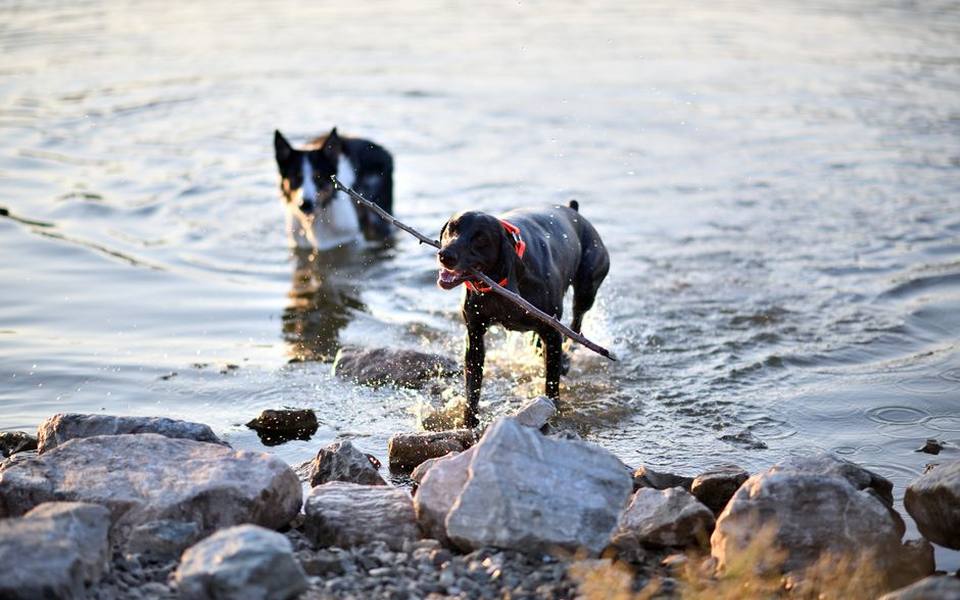
When visiting natural water runs like river edges or designated shoreline bays, handlers must remain vigilant about waterborne hazards. Warm, stagnant freshwater bodies during mid-to-late summer frequently harbor toxic blue-green algae blooms, which produce cyanotoxins that can prove fatal to dogs within hours of ingestion. Before allowing your pet to enter natural ponds, examine the surface for pea-soup scums, unusual discoloration, or dead vegetation, and heed any municipal posted warnings.
Ear infections and skin irritations also increase substantially when dogs play in wet park environments. Damp moisture trapped inside folded ear canals creates an ideal environment for yeast and bacterial blooms. Following a swim session at a public facility, thoroughly towel-dry your pet's coat and apply a veterinarian-approved ear drying solution. Taking these simple post-play hygiene steps ensures that seasonal water fun remains refreshing rather than resulting in uncomfortable medical issues.
Female heat cycles and park safety rules
One of the most critical safety rules across all public off-leash facilities is the absolute prohibition of female dogs in heat. Understanding how long a canine estrus cycle lasts is essential for every pet owner, regardless of whether their dog is spayed. In most breeds, a female dog's heat cycle typically lasts between two to four weeks, with three weeks being the common average. The entire cycle involves several distinct stages, beginning with visible vulvar swelling and light discharge before progressing to the fertile estrus phase.

Bringing a female dog who is currently in heat or nearing the end of her cycle into an off-leash dog park creates immediate danger for the entire enclosure. The hormonal scent markers and pheromones released by an estrus female carry immense distances on the breeze and can instantly trigger violent territorial and breeding competition among male dogs, including neutered males. Normal pack communication breaks down as multiple dogs attempt to mount, guard, or fight over the female, often sparking multi-dog scuffles within seconds of entering.
Even after bloody discharge stops, a female dog may still be in the height of her fertile window, which typically lasts several days after color shifts to a clear or straw hue. To ensure complete safety for your pet and other visitors, keep an unspayed female strictly at home or on private leashed walks for at least a full thirty days from the first sign of bleeding. Responsible timing protects your pet from unwanted pregnancy, prevents severe behavioral fights, and keeps community dog runs peaceful.
First-visit checklist before opening the gate
Before stepping through the outer gate of a new off-leash park, conduct a brief five-minute perimeter scan from the outside. Watch the dogs already playing inside to assess general energy levels, play styles, and pack harmony. If you spot dogs cornering newcomers, showing stiff tails, or barking aggressively without owner intervention, consider walking the exterior perimeter on a leash until the crowd disperses or returning at a quieter time of day.
Verify that your dog's preventative health measures and vaccinations are fully up to date before mingling with unfamiliar packs. Core immunizations typically include rabies, distemper-parvovirus, and bordetella to protect against kennel cough, alongside consistent parasite treatments for fleas, ticks, and internal worms. Bringing an unvaccinated or under-vaccinated puppy younger than four months into an off-leash facility is never recommended due to their vulnerable, developing immune system.
Finally, ensure your pet has a solid, reliable recall response established in distracting home or training settings. Off-leash freedom is a privilege built upon reliable communication between handler and dog. Once inside, keep moving, stay aware of surrounding play groups, and leave personal toys or edible chews in your vehicle to prevent resource disputes. Maintaining calm, proactive oversight guarantees that every dog park outing remains a positive, enriching experience for your pet.
Published 2026-09-20 · reviewed with each rebuild, last September 2026.
Find dog parks near you
The directory lists 2,936 dog parks by state and city — pick your state or use the “Near me” button in the header.
More guides
-
 Owning
What Is a Dog Run? Materials, Design, and Setup Guide
-
 Safety
Taking Your Dog Swimming: Safe Water Spots, Beach Rules, and Health Risks
-
 Service
How Much Does Dog Boarding Cost? A Clear Guide to Kennel Rates
-
 Owning
Dog Training Costs, Obedience Classes, and Essential Health Guidelines
-
 Owning
What Is a Reactive Dog? Signs, Triggers, and Management Guide
-
 Owning
A Practical Guide to Pet Adoption, Surrender Realities, and Essential Daily Care
-
 Safety
How to Safely Exercise and Run with Your Dog: Essential Gear and Conditioning Tips
-
 Safety
Comprehensive Guide to Dog Flea and Tick Treatments: Oral, Topical, and Natural Solutions
-
 Safety
Kennel Cough in Dogs: Symptoms, Home Remedies, and Prescription Treatments
-
 Owning
A Complete Practical Guide to Dog Beaches: Top Coastal Spots and Beach Safety
-
 Owning
Dog Car Seat Covers and Hammocks: Choosing the Best Vehicle Protection
-
 Owning
Understanding the Canine Heat Cycle: Phases, Physical Symptoms, and Female Care
-
 Owning
Essential Dog Hiking Gear: Backpacks, Hands-Free Leashes, and First Aid Kits
-
 Owning
Dog Agility Courses, Private Park Rentals, and Training Facilities: How to Choose the Right Space
-
 Service
Self-Service Dog Wash Stations: Equipment, Costs, and Practical Guide
-
 Buying
Automatic and Manual Dog Ball Launchers: How to Choose the Right Setup for Your Dog
-
 Safety
Complete Guide to Dog Flea and Tick Medications: Chews, Topicals, and Treatments
-
 Safety
Natural Flea and Tick Remedies for Dogs: Practical Home Solutions and Safe Use
-
 Safety
Safe Flea and Parasite Treatments for Puppies Under 12 Weeks
-
 Owning
Dog Poop Bags, Dispensers, and Leash Gear for Everyday Walks
-
 Owning
Ultimate Guide to Finding and Visiting Dog Parks and Dog-Friendly Beaches
-
 Safety
Dog Flea and Tick Guide: Comparing Chews, Topicals, Shampoos, and Injections
-
 Owning
A Homeowner's Guide to Backyard Dog Runs, Enclosures, and Exercise Treadmills
-
 Owning
A Complete Guide to Hiking, Camping, and Outdoor Adventures With Dogs
-
 Owning
Dog Health Guide: Giardia Symptoms, Canine Coughs, and Female Heat Cycles
-
 Safety
Understanding Dog Reactivity and Resource Guarding: Training Methods, Daily Management, and Gear
-
 Buying
Dog Car Seat Covers, Hammocks, and Travel Gear: A Practical Buyer's Guide
-
 Buying
Choosing the Right Automatic Ball Launcher and Backyard Play Gear for Active Dogs
-
 Owning
Self-Serve Dog Wash Stations, Towels, and Waste Management
-
 Safety
Complete Dog Flea and Tick Prevention Guide: Chews, Topicals, and Treatments
-
 Owning
Dog Friendly Beaches, Parks, and Travel Destination Guide
-
 Safety
Essential Outdoor Dog Gear: Harnesses, Life Vests, Hot Pavement Boots, and Bags
-
 Safety
Dog Park Safety Guide: Rules, Aggression, First Aid, and Kennel Cough Symptoms
-
 Safety
Comprehensive Guide to Dog and Cat Flea, Tick, and Heartworm Medications
-
 Owning
Designing Home Dog Runs, Agility Courses, and Backyard Play Equipment
-
 Owning
Choosing the Best Car Seat Covers, Hammocks, and Backseat Protectors for Dogs
-
 Buying
Dog Ball Launchers and Automatic Throwers: Selection, Sizing, and Field Guide
-
 Safety
Dog-Safe Yard Care: Pet-Friendly Lawn Fertilizers and Pest Sprays
-
 Owning
Dog Heat Cycles: Symptoms, Duration, and Care During Estrus