Finding safe swimming spots in your local area
Finding a safe place for your dog to swim starts with understanding which public waterways permit animal access. While many municipalities allow leashed pets on trails adjacent to water, swimming is often regulated separately under local health and wildlife conservation codes. Natural lakes, slow-moving rivers, reservoir recreation zones, and designated municipal shorelines are the most common spots where pets can safely paddle. Checking county parks department websites or municipal recreation maps will usually clarify whether a specific shoreline allows domestic animals in the water.
Private swimming options have also grown considerably for owners who prefer controlled environments. Many canine training facilities, boarding kennels, and specialized hydrotherapy centers offer private pool rentals or open swim sessions with dock diving setups. Additionally, property rental platforms now allow homeowners with securely fenced backyards and private pools to rent their facilities by the hour, offering a distraction-free environment for dogs learning to swim or those with reactivity concerns.
Before loading your dog into the car, investigate the physical layout of any prospective water access point. Ideal locations feature gradual, gently sloping entries with firm sand or gravel underfoot rather than deep mud, jagged rocks, or slippery concrete launch ramps. Entrances that drop off sharply can panic inexperienced swimmers, while soft silt can trap paws and exhaust older dogs trying to climb back onto dry land.
Navigating public ocean beaches and coastal shorelines
Determining which ocean beaches welcome dogs requires reviewing municipal codes that vary dramatically from one coastal county to the next. In popular coastal destinations throughout dog parks in California, certain stretches of coast are dedicated entirely to off-leash recreation, while neighboring municipal beaches ban dogs completely to protect marine mammals and nesting shorebirds. Knowing the exact boundary markers of a dog-friendly beach prevents accidental trespass into protected shorebird habitats where fines can be substantial.
Similarly, along the Atlantic and Gulf coasts, regulations often shift based on seasonal tourist density. Communities with dog parks in Florida frequently restrict dog access during peak summer daytime hours, permitting pets on coastal sands only before nine in the morning or after five in the evening. Some barrier island preserves allow leashed pets year-round along inland tidal bays, while keeping ocean-facing beaches strictly off-limits.
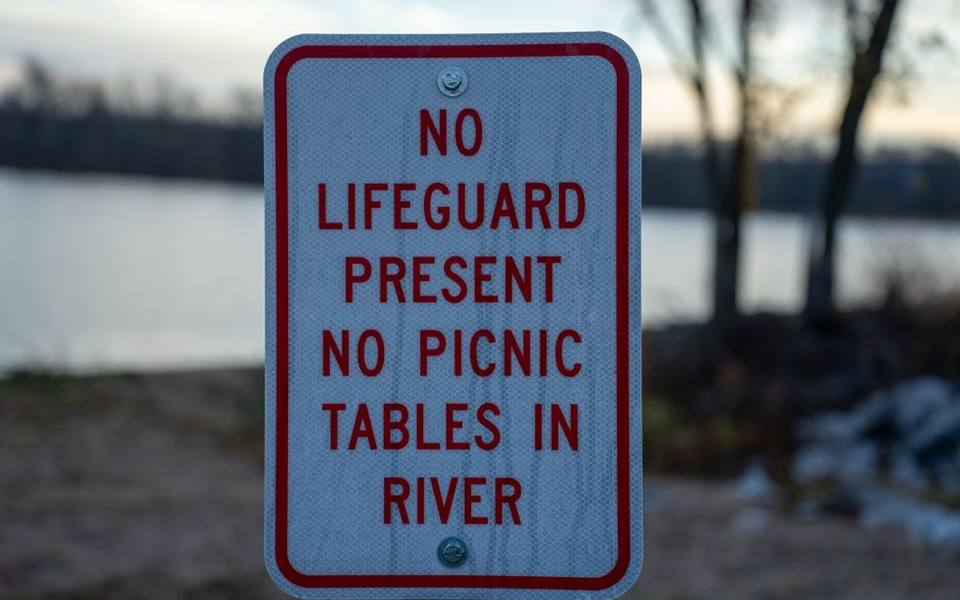
When visiting any coastal stretch, look for official regulatory signage posted at boardwalk entrances and dune crossovers. These signs clearly outline leash rules, required permits, and designated boundary posts. If online directories or map apps suggest an ocean beach is pet-friendly, verify the listing directly against current city or state park department bulletins before traveling, as seasonal closures and wildlife protection mandates change throughout the year.
Exploring dedicated dog parks with water access
Public dog parks equipped with natural or artificial water features provide an organized alternative to wild coastlines and rivers. Exploring dog parks with water features allows pets to cool down in an environment managed specifically for social canine activity. These venues range from fully enclosed lakefront fields where dogs can retrieve floating toys to modern urban parks equipped with ground-level splash pads and recirculating fountains.
Enclosed swim parks offer significant peace of mind for owners whose dogs lack an immediate, reliable off-leash recall. Choosing fenced dog parks that border a shoreline ensures your dog cannot bolt into nearby parking lots, traffic, or heavy maritime channels when chasing waterfowl. These perimeter barriers keep play contained while giving dogs room to sprint, plunge, and shake off excess water safely.
Before letting your dog charge into a communal park pond, inspect the water clarity and turnover rate. High-traffic canine swimming ponds accumulate dirt, organic debris, and pet waste quickly if they lack aeration systems or consistent freshwater inflow. Facilities that actively filter their splash pads or benefit from natural stream exchange provide a much healthier environment than small, stagnant retention ponds located at the lowest elevation of an off-leash field.
Understanding beach regulations and seasonal leash rules
Beach regulations for pets typically fall into three distinct classifications: off-leash designated zones, strictly on-leash coastal paths, and conditional time-share areas. In conditional zones, municipalities often enforce seasonal dates—most commonly spanning Memorial Day through Labor Day—during which dogs are prohibited during daytime hours to prevent conflicts with sunbathers. During shoulder seasons and winter months, these same shores often open up to pets without hourly restrictions.
Leash requirements on beaches are strictly enforced by local animal control and coastal rangers. Even on shores where dogs are allowed on the sand, a standard six-foot non-retractable leash is frequently mandated right up to the water's edge. Allowing a dog to run loose on an on-leash beach can result in hefty municipal citations, especially if the dog disturbs sunbathers, approaches unfamiliar leashed pets, or chases native shorebirds like plovers.
Responsible beach etiquette also requires meticulous waste cleanup and consideration for non-dog visitors. Bring abundant waste bags, as sand makes pet waste difficult to scoop if left to settle, and carry all waste back to formal trash receptacles rather than burying it. Giving other beachgoers a wide berth and preventing your wet dog from shaking off next to unfamiliar towels maintains public goodwill and preserves access for the broader pet-owning community.
Natural freshwater hazards and hidden swimming perils
Freshwater lakes, reservoirs, and slow rivers harbor hidden hazards that differ significantly from open ocean shores. Submerged trees, tangled roots, discarded fishing monofilament, and submerged rusted metal represent severe puncture and entanglement risks for an eager dog leaping into unknown shallows. Always scout a new freshwater location from the bank, checking for underwater debris and sudden drop-offs before allowing your dog to plunge into deep water.
River currents present another formidable danger, particularly during late spring and early summer when mountain runoff swells natural waterways. A surface current that appears gentle from the riverbank may conceal powerful undercurrents or sweep a swimming dog toward downstream logjams, low-head dams, or boulder strainers. If the water moves faster than a relaxed walking pace, it is generally unsafe for an unleashed dog to swim.
Stagnant freshwater bodies during hot, late-summer stretches pose an acute toxic hazard in the form of harmful cyanobacteria, commonly known as blue-green algae. These micro-organisms thrive in warm, nutrient-rich, calm water, forming paint-like surface scums, bright green pea-soup layers, or brownish crusts along the water line. Ingesting even tiny quantities of cyanotoxins by drinking pond water or licking wet fur can cause rapid neurotoxicity or acute liver failure within hours.
Why creek and stream water poses health hazards
Allowing your dog to drink creek, stream, or brook water is unsafe regardless of how pristine the forest setting appears. Mountain streams and rural brooks routinely carry biological contaminants from upstream wildlife, livestock pastures, and agricultural runoff. Water that looks completely transparent to the human eye can harbor heavy concentrations of microscopic parasites, pathogenic bacteria, and environmental chemical runoff that cause severe gastrointestinal and organ illness.
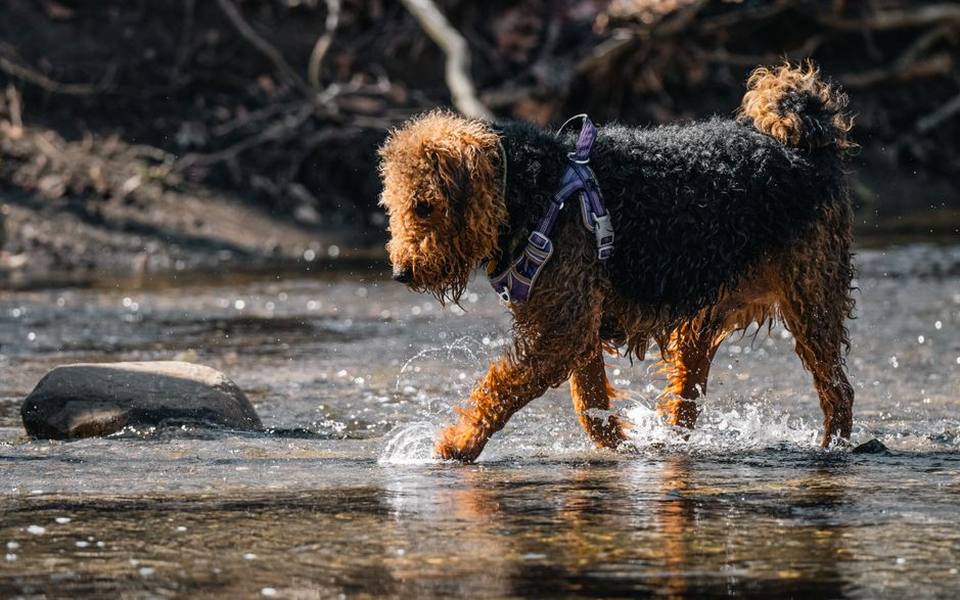
Two of the most common waterborne pathogens found in flowing creeks are Giardia and Cryptosporidium. These microscopic protozoa are shed in the feces of wild mammals such as deer, beavers, and rodents. When a dog laps up contaminated creek water, the cysts infect the intestinal lining, resulting in persistent foul-smelling watery diarrhea, vomiting, severe dehydration, and progressive weight loss that typically requires targeted prescription antimicrobial treatment to resolve.
Leptospirosis is another grave bacterial threat endemic to moist soil, slow streams, and woodland creeks. Spread through the urine of infected wildlife such as raccoons, opossums, and rodents, Leptospira bacteria penetrate mucous membranes or minor paw abrasions, migrating directly into the bloodstream. This infection can precipitate catastrophic acute kidney and liver failure, and because Leptospirosis is zoonotic, an infected dog can potentially transmit the severe illness to human family members.
Saltwater ingestion and physical exhaustion risks
Ocean swimming introduces the distinct risk of saltwater toxicity, often referred to by veterinarians as hypernatremia. Dogs playing in the surf inadvertently swallow sea water when fetching floating bumpers, biting at incoming waves, or panting heavily while swimming. High sodium intake disrupts the delicate osmotic balance in the body, drawing moisture out of internal tissues and pulling water directly into the bowel tract.
Initial symptoms of mild saltwater ingestion include loose, watery beach diarrhea and occasional vomiting, sometimes termed saltwater sickness. However, consuming significant volumes of sea water causes severe hypernatremia, characterized by extreme unquenchable thirst, neurological confusion, muscle tremors, seizures, and potentially fatal cerebral edema. If your dog exhibits unsteadiness or excessive lethargy after ocean play, seek emergency veterinary medical care immediately for monitored intravenous fluid therapy.
Physical exhaustion is equally treacherous in open water, where fighting waves and riptides demands far more exertion than running on flat turf. Dogs driven by intense toy drive often fail to gauge their own fatigue, swimming well past safe limits until their hind legs drop and they struggle to keep their snouts above the surface. Equipping your dog with a properly fitted canine life jacket featuring a durable back handle ensures positive buoyancy and allows rapid retrieval if exhaustion strikes.
Contagious illnesses at crowded dog-friendly beaches
Crowded dog beaches and community water parks represent major focal points for contagious respiratory and gastrointestinal pathogens. High concentrations of excited pets interacting closely, sharing communal fetch balls, and drinking from public community water bowls create ideal transmission conditions for infectious disease. While open-air settings offer better ventilation than indoor venues, close muzzle-to-muzzle greetings and communal toy sharing bypass natural environmental dispersion.
Infectious tracheobronchitis, widely recognized by dog owners as kennel cough, spreads with remarkable efficiency across busy shorelines. This illness is caused by an array of airborne viral and bacterial agents, primarily Bordetella bronchiseptica, canine parainfluenza virus, and canine adenovirus. When an infected dog barks, pants, or sneezes along a crowded shoreline, microscopic respiratory droplets float through the air, easily inhaled by nearby susceptible dogs.
Community water bowls set out at beach entrances and park gates are notorious vectors for multiple contagious organisms. Saliva deposited by an infected carrier can transmit kennel cough bacteria, papillomaviruses, and enteric parasites to every dog that laps from the communal trough afterward. Bringing your own clean water supply and preventing your pet from drinking from public dishes drastically minimizes these common casual transmission pathways.
Whether household cats can catch kennel cough from dogs
Pet owners living in multi-pet households often wonder if household cats can contract kennel cough from a canine companion returning from a busy beach or dog park. The answer is yes, cats can contract components of the kennel cough complex, specifically the bacterium Bordetella bronchiseptica. While viral agents like canine parainfluenza are generally species-specific, Bordetella is a versatile pathogen that infects multiple domestic mammal species, including felines.
In domestic cats, Bordetella infection primarily manifests as an acute upper respiratory infection characterized by sneezing, nasal discharge, ocular crusting, lethargy, and a mild to severe cough. While adult cats with robust immune systems might show only minor transient sniffles, young kittens and elderly cats are vulnerable to severe bronchopneumonia and respiratory distress that requires swift intervention from a veterinary practitioner with appropriate feline-safe antibiotics.
If your dog develops a persistent dry hacking cough after visiting a public dog beach or swimming facility, immediate isolation from resident cats is a sensible precaution. Keep the coughing dog in a separate room with dedicated food dishes and litter-free zones, wash your hands thoroughly after handling the dog, and monitor your cats closely for sneezing, wheezing, or decreased appetite over the subsequent two weeks.
Human susceptibility to kennel cough pathogens
A frequent question among owners nursing an infected pet is whether human family members can catch kennel cough from their dogs. In virtually all situations involving healthy adults and children, the answer is no; human immune systems routinely clear casual exposure to canine respiratory pathogens without developing any clinical symptoms. Most of the viruses involved in the canine infectious respiratory disease complex simply cannot replicate effectively within human cellular receptors.

However, the primary bacterial organism behind kennel cough, Bordetella bronchiseptica, is classified as a rare opportunistic zoonosis. In severely immunocompromised individuals—such as patients undergoing intensive cancer chemotherapy, organ transplant recipients on immunosuppressive medications, or individuals with advanced respiratory diseases like cystic fibrosis—the bacterium can occasionally colonize human airways, causing persistent bronchitis or respiratory complications.
For standard households with typical immune health, basic hygiene provides complete protection against any theoretical transmission risk. Avoid letting a coughing, congested dog lick your face or sleep directly against your pillows during active illness, and wash your hands with warm soap and water after administering oral medications or wiping nasal discharge. If someone in your home has a compromised immune system, consult both your physician and your veterinarian for tailored isolation guidance.
Post-swim care routines to prevent infections
A thorough post-swim cleanup routine is vital to protect your dog's skin, coat, and ears from post-outing infections. River silt, lake weeds, and ocean salt dry into skin irritants that trap moisture against the epidermal layer, setting off bacterial hot spots and allergic dermatitis. Rinse your dog down with fresh, clean water as soon as you exit the beach, paying special attention to the belly, armpits, paw pads, and groin where abrasive sand gathers.

Canine ear canals require deliberate attention immediately following any swimming session, particularly for breeds with drop ears like retrievers, spaniels, and hounds. Water trapped deep inside the warm, dark horizontal ear canal creates an ideal breeding ground for opportunistic yeast and bacterial colonies. Use a veterinarian-formulated drying ear cleanser with a gentle astringent to flush the canal, massage the base of the ear, and swab the outer ear flap dry with clean cotton pads.
Finally, monitor your dog over the forty-eight hours following a swimming trip for signs of acute physical strain, such as limping or an immobile, painful tail base. Known colloquially as limber tail or swimmer's tail, this acute caudal myopathy results from overexertion of the steering muscles at the base of the tail in cold water. Providing a warm resting space, gentle towel drying, and resting muscles ensures your dog recovers comfortably and stays enthusiastic for future aquatic outings.
Published 2026-09-20 · reviewed with each rebuild, last September 2026.
Find dog parks near you
The directory lists 2,936 dog parks by state and city — pick your state or use the “Near me” button in the header.
More guides
-
 Owning
How to Find and Choose the Best Off-Leash Dog Parks
-
 Owning
What Is a Dog Run? Materials, Design, and Setup Guide
-
 Service
How Much Does Dog Boarding Cost? A Clear Guide to Kennel Rates
-
 Owning
Dog Training Costs, Obedience Classes, and Essential Health Guidelines
-
 Owning
What Is a Reactive Dog? Signs, Triggers, and Management Guide
-
 Owning
A Practical Guide to Pet Adoption, Surrender Realities, and Essential Daily Care
-
 Safety
How to Safely Exercise and Run with Your Dog: Essential Gear and Conditioning Tips
-
 Safety
Comprehensive Guide to Dog Flea and Tick Treatments: Oral, Topical, and Natural Solutions
-
 Safety
Kennel Cough in Dogs: Symptoms, Home Remedies, and Prescription Treatments
-
 Owning
A Complete Practical Guide to Dog Beaches: Top Coastal Spots and Beach Safety
-
 Owning
Dog Car Seat Covers and Hammocks: Choosing the Best Vehicle Protection
-
 Owning
Understanding the Canine Heat Cycle: Phases, Physical Symptoms, and Female Care
-
 Owning
Essential Dog Hiking Gear: Backpacks, Hands-Free Leashes, and First Aid Kits
-
 Owning
Dog Agility Courses, Private Park Rentals, and Training Facilities: How to Choose the Right Space
-
 Service
Self-Service Dog Wash Stations: Equipment, Costs, and Practical Guide
-
 Buying
Automatic and Manual Dog Ball Launchers: How to Choose the Right Setup for Your Dog
-
 Safety
Complete Guide to Dog Flea and Tick Medications: Chews, Topicals, and Treatments
-
 Safety
Natural Flea and Tick Remedies for Dogs: Practical Home Solutions and Safe Use
-
 Safety
Safe Flea and Parasite Treatments for Puppies Under 12 Weeks
-
 Owning
Dog Poop Bags, Dispensers, and Leash Gear for Everyday Walks
-
 Owning
Ultimate Guide to Finding and Visiting Dog Parks and Dog-Friendly Beaches
-
 Safety
Dog Flea and Tick Guide: Comparing Chews, Topicals, Shampoos, and Injections
-
 Owning
A Homeowner's Guide to Backyard Dog Runs, Enclosures, and Exercise Treadmills
-
 Owning
A Complete Guide to Hiking, Camping, and Outdoor Adventures With Dogs
-
 Owning
Dog Health Guide: Giardia Symptoms, Canine Coughs, and Female Heat Cycles
-
 Safety
Understanding Dog Reactivity and Resource Guarding: Training Methods, Daily Management, and Gear
-
 Buying
Dog Car Seat Covers, Hammocks, and Travel Gear: A Practical Buyer's Guide
-
 Buying
Choosing the Right Automatic Ball Launcher and Backyard Play Gear for Active Dogs
-
 Owning
Self-Serve Dog Wash Stations, Towels, and Waste Management
-
 Safety
Complete Dog Flea and Tick Prevention Guide: Chews, Topicals, and Treatments
-
 Owning
Dog Friendly Beaches, Parks, and Travel Destination Guide
-
 Safety
Essential Outdoor Dog Gear: Harnesses, Life Vests, Hot Pavement Boots, and Bags
-
 Safety
Dog Park Safety Guide: Rules, Aggression, First Aid, and Kennel Cough Symptoms
-
 Safety
Comprehensive Guide to Dog and Cat Flea, Tick, and Heartworm Medications
-
 Owning
Designing Home Dog Runs, Agility Courses, and Backyard Play Equipment
-
 Owning
Choosing the Best Car Seat Covers, Hammocks, and Backseat Protectors for Dogs
-
 Buying
Dog Ball Launchers and Automatic Throwers: Selection, Sizing, and Field Guide
-
 Safety
Dog-Safe Yard Care: Pet-Friendly Lawn Fertilizers and Pest Sprays
-
 Owning
Dog Heat Cycles: Symptoms, Duration, and Care During Estrus