Assessing Your Yard and Containment Options
A well-planned backyard dog setup provides safe outdoor time, containment, and exercise without sacrificing your entire lawn or compromising canine safety. Depending on lot size, breed energy, and budget, homeowners typically choose between overhead cable trolleys, standalone welded-wire runs, integrated covered kennels, or indoor exercise treadmills. Each option serves a distinct purpose, from giving a high-drive dog a straight sprint lane to preventing escape artists from digging beneath boundary fences.
Before installing hardware, you must inspect the layout of your property for natural obstacles, shade patterns, and elevation changes. Low-lying corners that collect standing water after rain will turn an exercise run into a muddy pit, creating sanitation headaches and potential skin infections. Similarly, placing containment in direct sun without tree cover or an overhead canopy exposes dogs to dangerous heat buildup during peak afternoon hours in most regions.
Local municipal codes and homeowner association rules also dictate setback distances, maximum fence heights, and visible kennel structures. In most jurisdictions, an outdoor enclosure set too close to a property line can trigger neighbor disputes or zoning violations. Evaluating your boundary lines, underground utility paths, and prevailing wind directions early will save substantial time and expense when anchoring posts or establishing permanent runs.
Overhead Trolley Cables and Aerial Lead Systems
Aerial cable systems, often called trolley runs, offer an economical way to grant dogs significant linear movement without building permanent perimeter walls. A high-tensile galvanized aircraft cable is suspended between two solid anchors, such as mature hardwood trees or securely set wooden posts, at roughly seven to eight feet off the ground. A specialized pulley rides along this line, attached to a downward tether that moves freely with your pet across thirty to one hundred feet of yard.
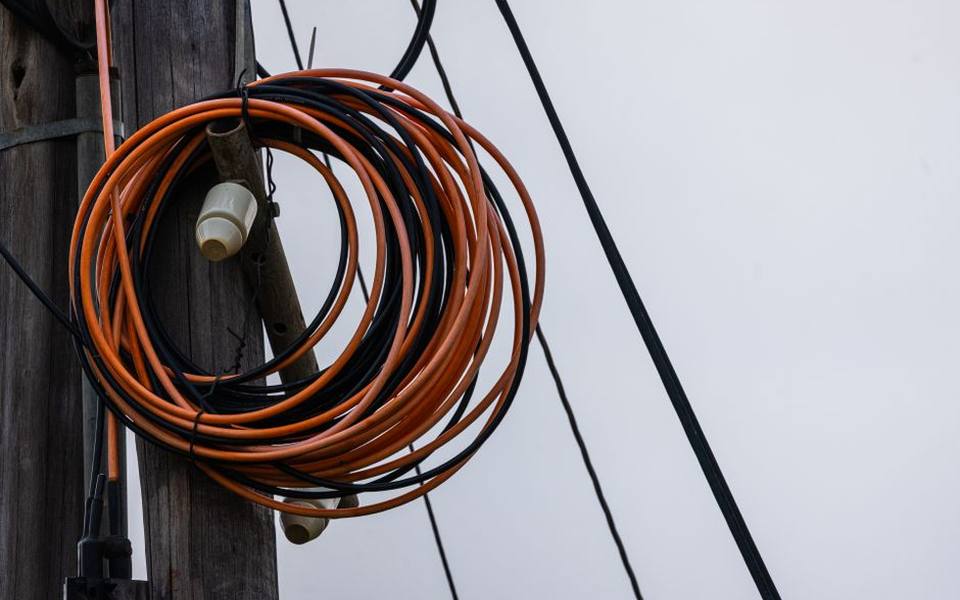
Installing an overhead cable requires heavy-duty turnbuckles, cable clamps, and eye bolts rated well above your dog's adult weight. The line must be tensioned properly so that the pulley glides smoothly without sagging into head-height territory, which could cause entanglement hazards. Stopper springs or rubber bumpers should be clamped at each end of the main run to prevent the pulley from crashing violently into anchor points when a dog reaches full stride.
The downward lead line connecting the pulley to your pet must be measured with precision. It needs to be short enough to keep the animal from wrapping around surrounding trees, deck posts, or garden furniture, yet long enough to permit natural lying down and bathroom habits. Vinyl-coated steel cables are standard for the runner lead, as traditional rope or nylon webbing can quickly fray from ground friction or be chewed through in minutes.
Essential Harness Gear and Tether Safety Rules
Attaching any outdoor tether or trolley system directly to a dog's regular neck collar poses severe safety risks, including tracheomalacia and fatal spinal trauma. When a dog accelerates after a squirrel and hits the end of a cable line, the sudden deceleration concentrates all kinetic energy onto the throat. For this reason, a properly fitted, heavy-duty back-clip harness is non-negotiable whenever an animal is secured to an aerial runner or stationary ground lead.
A suitable harness for running setups features broad, padded chest and back plates that distribute impact forces evenly across the ribcage and shoulders. Look for reinforced metal D-rings sewn with box-stitching on the upper back, along with commercial-grade buckles that will not pop open under high tension. Step-in nylon styles or delicate walking harnesses frequently stretch, slip off, or snap when subjected to sudden lateral bursts from determined, muscular breeds.
Supervision remains the cornerstone of tether safety, regardless of how robust your hardware seems. A dog on a cable lead should never be left unattended for extended stretches or while homeowners are away from the property. Weather shifts, wildlife intrusions, and unexpected hardware binding can turn a functional backyard setup into a dangerous trap if an owner is not nearby to intervene and inspect the rig regularly.
Building a Dedicated Fenced Exercise Run
For yards where cable lines are impractical or aesthetic concerns rule out long tethers, a dedicated fenced run provides freestanding freedom within a controlled footprint. Unlike broad perimeter boundaries found at dedicated fenced dog parks, a private backyard run is typically configured as a rectangular corridor, such as ten feet wide by thirty or forty feet long. This elongated shape naturally encourages sprinting back and forth rather than aimless pacing.
Modular chain-link panels and welded-wire steel enclosures are the most popular choices for building these runs because they assemble rapidly with heavy-duty panel clamps. Commercial kennel panels usually stand between five and six feet tall, which discourages fence-leaping in most medium to large dogs. For breeds known for athletic jumping or fence climbing, adding an inward-facing top overhang or a complete wire mesh roof provides necessary containment security.
Base security is just as critical as height when configuring an outdoor fenced perimeter. Dogs naturally explore fence edges with their paws, and digging beneath chain link is a common escape route. Burying hardware cloth horizontally beneath the turf line, securing tension wire along the bottom edge, or setting the modular panels on a poured concrete curb will effectively stop escape-oriented diggers from burrowing underneath.
Integrated Run and Kennel Combinations for All-Weather Use
Combining a sheltered dog house with an attached outdoor run provides an ideal environment for dogs that spend several daytime hours in the yard. This layout allows the animal to choose freely between resting in a dry, draft-free insulated compartment and stretching out on the open run. Complete units often feature a covered porch area where the dog can sit in the shade during afternoon heat while still observing yard activity.
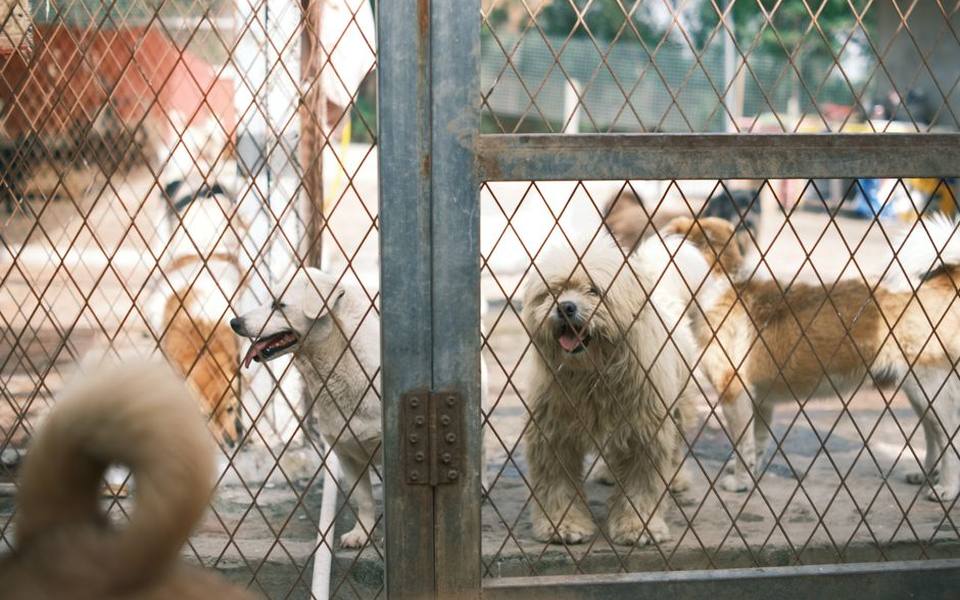
Proper ventilation and thermal insulation make all the difference in these combined setups. The enclosed kennel box should have double-walled construction, preferably with foam insulation or dense composite wood, to moderate seasonal temperature swings. A heavy-duty swinging flap or strip curtain at the entryway prevents winter winds and driving rain from blowing into the sleeping quarters, keeping bedding dry and clean throughout damp weather cycles.
Structural roofs over the attached run section provide vital protection from intense UV rays, snow accumulation, and avian predators. Corrugated metal, heavy UV-treated polyethylene tarps, or polycarbonate panels can be secured directly to the top frame of the run with weather-resistant fasteners. Ensuring the roof has an intentional slope directs rainwater away from the sleeping quarters and prevents pooled water from collapsing the overhead covering.
Enclosure Sizing for Extra-Large and Giant Breeds
Giant breeds such as Mastiffs, Great Danes, and Saint Bernards demand significantly more structural integrity and square footage than typical backyard pets. Standard commercial enclosures often utilize twelve-gauge or thinner chain link, which an energetic hundred-and-forty-pound dog can easily bend, dislodge, or warp simply by leaning against the wall. Enclosures for extra-large and giant breeds require heavy eight-gauge or nine-gauge welded steel frames anchored firmly into the earth.
Sizing an outdoor enclosure for giant breeds involves balancing floor space with structural stability. While a small terrier might thrive in a four-by-eight-foot pen, giant dogs generally need enclosures measuring at least ten feet wide by twenty feet long to allow natural turning, stretching, and trotting. If keeping multiple large dogs together, the footprint typically doubles to prevent territorial crowding and provide separate resting spots where each dog feels secure.
Latching mechanisms and gate hinges also require heavy-duty consideration when housing massive dogs. Spring-loaded drop rods and padlocked heavy-duty farm latches prevent intelligent, heavy breeds from nudging or pawing the gate open during playtime. Hinges must be greased and bolted with grade-five steel hardware rather than light sheet-metal screws, ensuring the gate can withstand years of enthusiastic greeting impacts without sagging out of alignment.
Budget-Friendly Containment Options and Cost Trade-Offs
Outfitting a functional backyard run does not require spending thousands of dollars on custom steel fabrications. Homeowners working within modest budgets can assemble safe, effective enclosures using prefabricated modular kennel kits purchased from agricultural supply stores or home centers. These kits typically package galvanized steel tubing and rolled chain-link fabric together, allowing two people to assemble a sturdy ten-by-ten-foot pen in a single afternoon using basic socket wrenches.
Another cost-effective alternative involves installing wooden posts with heavy farm-grade welded wire or cattle panels instead of manufactured kennel walls. Cattle panels offer exceptional rigidity, will not sag over time, and cost substantially less per linear foot than commercial chain link. When secured to treated cedar or pressure-treated four-by-four posts set into post spikes, they form a rugged, attractive exercise corridor that withstands energetic dogs without breaking the bank.
When choosing budget materials, however, you must recognize the trade-offs in longevity and maintenance. Lower-priced wire often features thinner galvanization coats, which can develop surface rust within a few rainy seasons depending on regional humidity. Inspecting cheap hardware regularly for sharp wire edges, failing weld spots, and corroded latches ensures that your savings do not come at the expense of canine safety or escape vulnerability.
Indoor Exercise Machines and Dog Treadmills
When extreme weather, limited yard acreage, or medical confinement restricts outdoor activity, indoor exercise equipment offers a controlled physical outlet. Canines have remarkably high endurance needs, and on days when freezing cold makes backyard play impossible or visiting indoor dog parks is not an option, specialized treadmills bridge the energy gap. These machines are engineered specifically to accommodate canine biomechanics, stride lengths, and natural cadence.

Mechanical slat-mills and motorized canine treadmills represent the two primary categories available for residential use. Slat-mills operate completely without electricity, moving purely by the dog's own propulsion and momentum; this gives the animal full control over acceleration, cruising speed, and stopping. Motorized models, on the other hand, provide consistent pacing regulated by an electronic console, which can be beneficial for structured cardiovascular rehabilitation or steady-state endurance conditioning.
Operating a dog treadmill safely requires systematic positive conditioning and attentive handling. A dog should never be harnessed to a treadmill without constant human supervision, nor should the belt speed ever exceed what the animal can maintain comfortably with an open, relaxed gait. Starting with brief two-minute sessions rewarded with high-value treats builds positive association, eventually progressing to fifteen or twenty-minute workouts that bleed off excess nervous energy safely indoors.
Ground Cover, Drainage, and Sanitation Management
The surface material lining your backyard run directly impacts cleanliness, odor control, and canine joint health. Leaving native soil or natural grass intact in a high-traffic dog run inevitably leads to worn bare paths, mud wallows, and deep ruts. In wet conditions, bare dirt clings to fur and tracks inside, while stagnant moisture harbors bacterial buildup and intestinal parasites that thrive in warm, damp ground.

Smooth pea gravel and washed river rock are widely favored ground covers because they offer rapid drainage and easy waste collection. Solid stool can be scooped cleanly from gravel without tearing up grass, and urine washes away deep into the sub-base with routine hose rinsing. To install gravel properly, dig out three to four inches of topsoil, roll out commercial-grade permeable geotextile weed fabric to prevent stones from sinking, and backfill with rounded stone that is gentle on sensitive paw pads.
Poured concrete slabs or sealed paver systems offer maximum sanitization efficiency, making them common in high-use multi-dog facilities. While concrete can be disinfected and power-washed thoroughly, it provides zero natural cushioning, which can strain hocks and elbows over time if dogs jump repeatedly. Adding elevated kuranda beds or rubber drainage mats provides comfortable lounging spots, while occasional hose downs mimic the refreshment dogs enjoy at public dog parks with water features.
Balancing Private Enclosures with Real-World Socialization
While a secure backyard run or indoor exercise machine provides tremendous convenience and physical stimulation, it cannot fully replace the mental engagement that dogs need. Dogs are cognitive creatures driven by scent tracking, environmental exploration, and social communication. Spending excessive hours confined within the identical perimeter day after day can lead to barrier frustration, persistent barking, and repetitive boredom habits such as pacing or flank sucking.
Integrating your backyard containment strategy with scheduled outings outside the home keeps your companion mentally sharp and emotionally balanced. Leashed neighborhood sniffari walks, trail hikes, and visits to community off-leash areas introduce novel stimuli, varied footing, and essential canine body-language practice. Discovering well-maintained community amenities across dog parks across the United States offers expansive grounds where your pet can run at top speed and socialize in open fields.
Ultimately, backyard runs, aerial trolley lines, and indoor exercise treadmills are best viewed as supportive tools within a comprehensive care routine. When combined with positive training, interactive play, and dedicated daily human companionship, a properly engineered home enclosure provides safe, stress-free outdoor relaxation while keeping your dog secure, healthy, and fulfilled year-round.
Published 2026-09-20 · reviewed with each rebuild, last September 2026.
Find dog parks near you
The directory lists 2,936 dog parks by state and city — pick your state or use the “Near me” button in the header.
More guides
-
 Owning
How to Find and Choose the Best Off-Leash Dog Parks
-
 Owning
What Is a Dog Run? Materials, Design, and Setup Guide
-
 Safety
Taking Your Dog Swimming: Safe Water Spots, Beach Rules, and Health Risks
-
 Service
How Much Does Dog Boarding Cost? A Clear Guide to Kennel Rates
-
 Owning
Dog Training Costs, Obedience Classes, and Essential Health Guidelines
-
 Owning
What Is a Reactive Dog? Signs, Triggers, and Management Guide
-
 Owning
A Practical Guide to Pet Adoption, Surrender Realities, and Essential Daily Care
-
 Safety
How to Safely Exercise and Run with Your Dog: Essential Gear and Conditioning Tips
-
 Safety
Comprehensive Guide to Dog Flea and Tick Treatments: Oral, Topical, and Natural Solutions
-
 Safety
Kennel Cough in Dogs: Symptoms, Home Remedies, and Prescription Treatments
-
 Owning
A Complete Practical Guide to Dog Beaches: Top Coastal Spots and Beach Safety
-
 Owning
Dog Car Seat Covers and Hammocks: Choosing the Best Vehicle Protection
-
 Owning
Understanding the Canine Heat Cycle: Phases, Physical Symptoms, and Female Care
-
 Owning
Essential Dog Hiking Gear: Backpacks, Hands-Free Leashes, and First Aid Kits
-
 Owning
Dog Agility Courses, Private Park Rentals, and Training Facilities: How to Choose the Right Space
-
 Service
Self-Service Dog Wash Stations: Equipment, Costs, and Practical Guide
-
 Buying
Automatic and Manual Dog Ball Launchers: How to Choose the Right Setup for Your Dog
-
 Safety
Complete Guide to Dog Flea and Tick Medications: Chews, Topicals, and Treatments
-
 Safety
Natural Flea and Tick Remedies for Dogs: Practical Home Solutions and Safe Use
-
 Safety
Safe Flea and Parasite Treatments for Puppies Under 12 Weeks
-
 Owning
Dog Poop Bags, Dispensers, and Leash Gear for Everyday Walks
-
 Owning
Ultimate Guide to Finding and Visiting Dog Parks and Dog-Friendly Beaches
-
 Safety
Dog Flea and Tick Guide: Comparing Chews, Topicals, Shampoos, and Injections
-
 Owning
A Complete Guide to Hiking, Camping, and Outdoor Adventures With Dogs
-
 Owning
Dog Health Guide: Giardia Symptoms, Canine Coughs, and Female Heat Cycles
-
 Safety
Understanding Dog Reactivity and Resource Guarding: Training Methods, Daily Management, and Gear
-
 Buying
Dog Car Seat Covers, Hammocks, and Travel Gear: A Practical Buyer's Guide
-
 Buying
Choosing the Right Automatic Ball Launcher and Backyard Play Gear for Active Dogs
-
 Owning
Self-Serve Dog Wash Stations, Towels, and Waste Management
-
 Safety
Complete Dog Flea and Tick Prevention Guide: Chews, Topicals, and Treatments
-
 Owning
Dog Friendly Beaches, Parks, and Travel Destination Guide
-
 Safety
Essential Outdoor Dog Gear: Harnesses, Life Vests, Hot Pavement Boots, and Bags
-
 Safety
Dog Park Safety Guide: Rules, Aggression, First Aid, and Kennel Cough Symptoms
-
 Safety
Comprehensive Guide to Dog and Cat Flea, Tick, and Heartworm Medications
-
 Owning
Designing Home Dog Runs, Agility Courses, and Backyard Play Equipment
-
 Owning
Choosing the Best Car Seat Covers, Hammocks, and Backseat Protectors for Dogs
-
 Buying
Dog Ball Launchers and Automatic Throwers: Selection, Sizing, and Field Guide
-
 Safety
Dog-Safe Yard Care: Pet-Friendly Lawn Fertilizers and Pest Sprays
-
 Owning
Dog Heat Cycles: Symptoms, Duration, and Care During Estrus