The Fundamentals of Dog-Safe Lawn Maintenance
Keeping a vibrant green lawn while protecting your dog requires replacing aggressive synthetic chemicals with slow-release organic nutrients, targeted mechanical weed suppression, and patient curing windows. Dogs experience outdoor turf far differently than humans do. They walk barefoot across damp grass, absorb surface residues through delicate paw pads, roll on the lawn, and constantly groom their paws and coats with their tongues. What stays on the grass blades invariably ends up inside their digestive systems.
Traditional lawn care often prioritizes rapid cosmetic results through concentrated mineral salts, chemical pre-emergents, and systemic insecticides. While these treatments produce a quick burst of growth, they create a persistent toxicity hazard for household pets. Accidental ingestion or dermal absorption of industrial turf chemicals can cause skin burns, gastrointestinal distress, and long-term organ strain. Switching to pet-friendly alternatives eliminates these hazards while building healthier soil that resists pests naturally.
Establishing a pet-friendly routine does not mean abandoning your lawn to weeds and muddy patches. By understanding how organic nutrient sources work, which biological pest repellents actually deter parasites, and how long treated grass must rest before play resumes, you can build a resilient yard that handles canine traffic safely. A healthy lawn can easily coexist with an energetic dog when safety guides your seasonal maintenance choices.
Evaluating Fertilizer Labels and Nutrient Ingredients
Finding an outdoor lawn fertilizer that poses minimal risk to dogs starts with reading the guaranteed analysis label on the bag rather than trusting front-panel marketing. Commercial fertilizers rely on nitrogen, phosphorus, and potassium, but the source of these macronutrients makes all the difference for animal safety. Highly concentrated synthetic fertilizers typically utilize urea or ammonium nitrate salts, which can cause chemical burns to paw pads and trigger severe stomach upset if a curious dog licks the granules.

Natural, slow-release fertilizers derived from compost, kelp meal, alfalfa meal, or feather meal break down gently through soil microbial activity rather than dissolving into caustic chemical solutions. These organic ingredients feed the soil over several weeks, creating deep root systems without leaving burning residues on the grass blades. However, pet owners should be cautious with fertilizers containing high concentrations of blood meal or bone meal, as the rich aroma frequently tempts dogs to dig up the soil and ingest large, dangerous quantities.
Iron supplements also demand close scrutiny. Turf managers often apply iron to generate a deep emerald color, but concentrated iron compounds are extremely toxic to canines if swallowed in volume. When shopping for plant nutrients, look for products certified organic by accredited review panels, check that heavy metal concentrations remain minimal, and ensure the nitrogen source is derived from plant or composted materials that will not attract hungry foraging pets.
Why Traditional Weed and Feed Combos Threaten Dogs
Homeowners frequently look for an all-in-one weed and feed mixture to fertilize grass while eradicating dandelions and clover in a single weekend pass. Unfortunately, these combination products pose some of the greatest toxicological hazards to household pets found in residential yard care. Traditional formulations blend fast-acting granular plant food with synthetic post-emergent herbicides such as 2,4-D, dicamba, and mecoprop, which cling to grass blades and take an extended period to degrade safely.
Veterinary research has repeatedly linked routine canine exposure to synthetic phenoxy herbicides with elevated rates of serious health conditions, including canine malignant lymphoma and chronic bladder complications. Granular combination products are especially problematic because the herbicide-coated granules stick easily between a dog's toes. When your dog steps back inside the home and grooms their feet, they ingest concentrated chemical active ingredients directly into their digestive tract.
A truly safe approach to weed management decouples feeding from weed eradication. Instead of scattering broad-spectrum poisons across the entire turf, focus on cultivating thick turf that outcompetes broadleaf weeds naturally. If stubborn patches require treatment, spot-treat individual weeds by hand pulling or applying targeted natural contact sprays like concentrated horticultural vinegar, rather than blanketing the entire outdoor play space with persistent agricultural herbicides.
Managing Fleas and Ticks in the Yard Without Heavy Toxins
Controlling fleas and ticks across your property is critical for preventing vector-borne diseases like Lyme disease, ehrlichiosis, and tapeworms. However, drenching your entire outdoor space with broad-spectrum synthetic neurotoxins creates unnecessary chemical hazards for your pets and wipes out beneficial pollinators like honeybees and ladybugs. Effective, pet-conscious parasite control relies on altering the physical environment where external pests breed and shelter.
Fleas and ticks thrive in humid, dark, undisturbed environments rather than out in the middle of a sun-baked lawn. Ticks typically gather in tall brush, overgrown fence lines, moist leaf litter, and woodpiles, waiting to cling to passing hosts. Fleas flourish in damp, shaded soil beneath patio decks and low-hanging shrubbery where pets love to nap on hot afternoons. By keeping grass cut to a moderate height and eliminating damp debris, you remove their primary habitat.
Creating a simple physical buffer between your turf and surrounding wooded areas provides exceptional protection against migrating ticks. A narrow three-foot strip of dry cedar woodchips or crushed gravel creates an arid, abrasive barrier that ticks generally refuse to cross. Raking away fallen leaves before they decompose against foundation walls and trimming low branches to let sunlight reach shaded dirt will dramatically reduce parasite populations without requiring chemical treatments.
Selecting Pet-Friendly Flea and Tick Yard Sprays
When pest numbers require an outdoor liquid application, selecting the right yard tick spray safe for dogs ensures parasites are controlled without endangering family pets. Conventional exterminators typically rely on synthetic pyrethroids like bifenthrin or permethrin. While these compounds knock down insects rapidly, wet residues can provoke neurological distress in pets, and they remain intensely hazardous to household cats and aquatic wildlife until completely bonded to the soil.
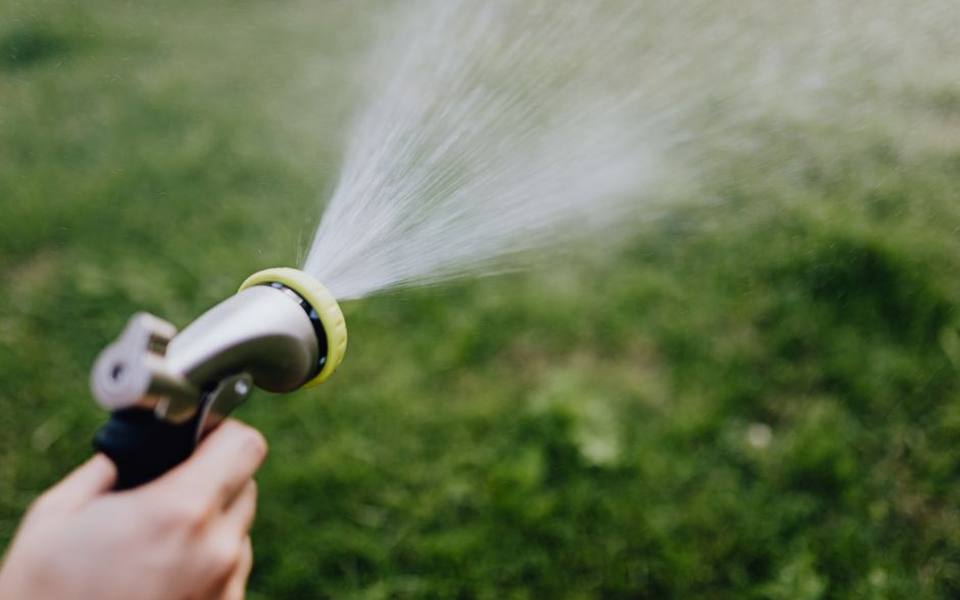
Plant-derived repellent sprays based on cedarwood oil, peppermint oil, or lemongrass oil offer an effective alternative for outdoor flea and tick reduction. Cedarwood oil works by disrupting the octopamine receptors in insects, which suffocates and repels fleas, ticks, and mosquitoes while posing no harm to mammals. These botanical sprays can be attached directly to a garden hose and applied around lawn perimeters, under foundation plantings, and along shaded fences where dogs spend outdoor time.
Another powerful biological control involves applying beneficial microscopic nematodes to the turf. These naturally occurring organisms are mixed with water and sprayed over moist soil using a standard garden sprayer. Once in the dirt, beneficial nematodes actively hunt and consume flea larvae, tick pupae, and root-eating grubs beneath the turf surface. They are completely harmless to dogs, humans, and earthworms, providing invisible biological security that lasts for months.
Choosing Dog-Safe Grass Seed for High-Traffic Lawns
Maintaining dense grass is your best natural defense against both broadleaf weeds and muddy running ruts, but you must select a dog-safe grass seed blend suited to heavy physical stress. Dogs sprint, turn sharply, and repeatedly patrol the same boundary fence paths, which quickly tears apart delicate turf varieties. In addition, female and male canine urine contains concentrated nitrogen salts that easily burn fragile grass blades if the underlying variety lacks natural resilience.
Tall fescue varieties are generally the best choice for pet owners across transition and northern zones due to their deep, fibrous root structures and exceptional wear resistance. Deep roots allow fescue to tolerate physical wear and recover faster from urine spots than shallow-rooted turf like Kentucky bluegrass. For southern climates, hybrid bermudagrass and zoysia provide durable, self-healing warm-season turf that spreads via stolons to fill in claw gouges and bare dirt patches automatically.
Pay careful attention to seed coatings when purchasing grass seed bags at agricultural supply outlets. Commercial lawn seed often comes treated with synthetic antifungal coatings, chemical dyes, or moisture-retention gels containing synthetic polymers. To protect dogs that occasionally graze on fresh sprouts, choose raw, uncoated seed or varieties treated strictly with certified organic moisture enhancers like natural starch coatings and beneficial mycorrhizal fungi.
Application Timing and the Essential Drying Window
Even when using the cleanest dog-friendly fertilizer or biological pest spray, applying the product properly is vital to prevent digestive irritation. Regardless of whether a formula claims absolute pet safety, concentrated products are never intended for direct consumption by animals. Establishing a disciplined application protocol ensures treatments soak into the root zone or dry on foliage before paws make contact.
Granular plant foods should always be applied right before an irrigation cycle or a steady, moderate rainfall. The goal is to drive the granules down past the grass canopy and into the topsoil where microbes can begin digestion. Dogs should stay entirely off the lawn until the granules have fully broken down and the turf has dried completely. If small pellets remain visible on the soil surface, keep pets indoors or walk them on leashes away from the treated zone.
For liquid pest repellents and liquid organic feeds, the general rule is to keep pets inside until the liquid has dried entirely onto the foliage. Under typical atmospheric conditions, this takes roughly two to four hours, though high humidity or shade can lengthen the timeframe. Testing the blades with a clean paper towel before releasing your dog offers simple peace of mind; if moisture transfers to the paper, give the yard another hour to cure.
Exercising Your Dog While the Yard Cures
Restricting access to your yard for twenty-four to forty-eight hours during seasonal lawn treatment is essential, but high-energy dogs still need daily exercise and stimulation. Keeping a working breed or active puppy confined indoors while waiting for fertilizers to settle can lead to frustration and destructive indoor habits. Planning alternative excursions during maintenance days makes the process seamless for both you and your pet.
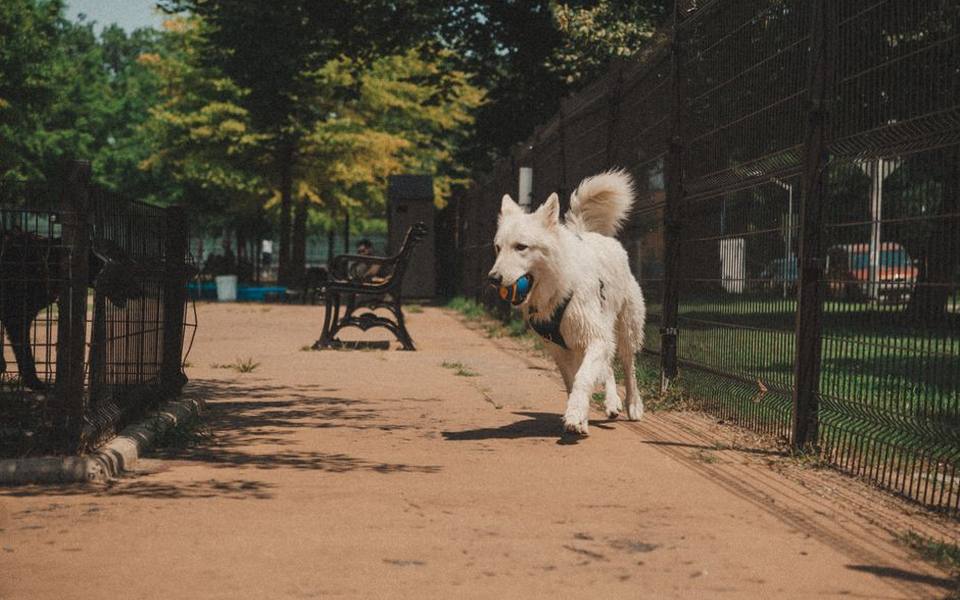
Visiting dedicated public spaces is the easiest way to give your dog physical freedom while your lawn rests. You can locate secure off-leash spaces like fenced dog parks that provide a fully fenced off-leash area for running and playing safely without chemical exposure. If inclement weather hits on the exact weekend you treat the yard, heading to indoor dog parks gives your pet an indoor, weather-protected play area to burn off energy cleanly.
During warm summer months when parasite treatments dry outside, exploring regional spaces like dog parks with water features keeps pets cool and active. Across our catalog of 1683 in top states at the dog park directory, you can find verified local parks across the country where your dog can socialize off-leash while your home property cures into a healthy, pet-safe haven.
Identifying Symptoms of Yard Chemical Exposure
Despite careful planning, accidental chemical exposures can occur, particularly if a neighbor's commercial lawn crew sprays near property lines or a dog breaks through an exclusion barrier. Knowing the warning signs of chemical toxicity allows you to intervene before simple dermal irritation escalates into an acute medical emergency. Symptoms can appear within minutes of direct contact or develop several hours after the dog finishes self-grooming.
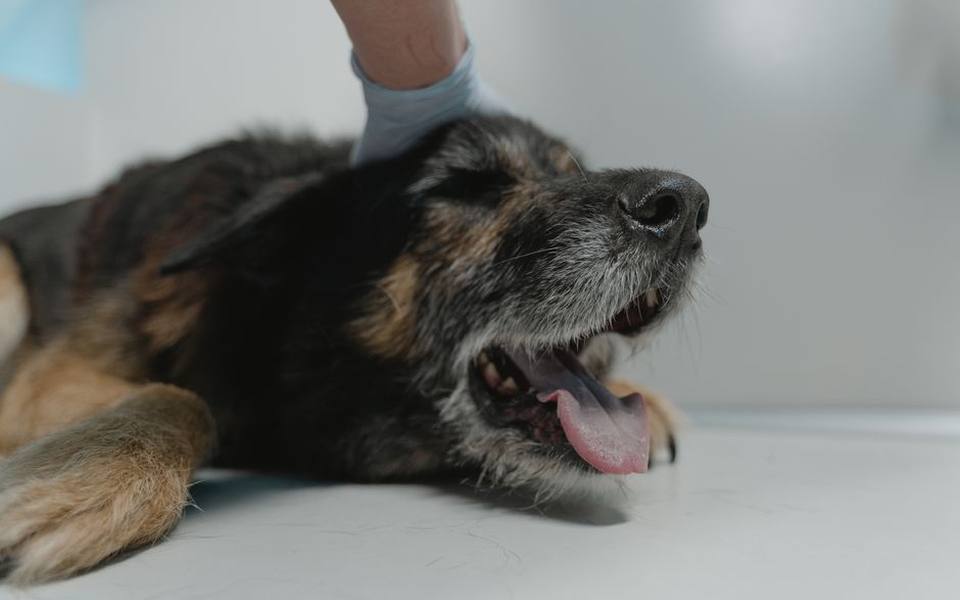
Early physical signs of exposure often center around the paws, muzzle, and digestive system. Dogs may obsessively lick their pads, develop red, inflamed skin on their belly, salivate excessively, or rub their faces against furniture to relieve burning sensations. If chemical residues are swallowed, acute symptoms typically include sudden vomiting, watery diarrhea, abdominal guarding, lethargy, dilated pupils, and in severe cases involving synthetic organophosphates or pyrethroids, muscle twitches and tremors.
If you suspect your pet has walked through wet lawn treatments or ingested granular products, act promptly. Immediately wash their paws and underbelly with lukewarm water and a mild, pet-safe shampoo to remove residual surface chemicals before they can groom themselves. Check the packaging of the product used, note the primary active ingredients, and contact your veterinarian or a dedicated animal poison control hotline for tailored medical guidance.
Sustainable Habits That Reduce Yard Chemical Reliance
The most effective way to protect your pet from yard chemicals is to cultivate a durable lawn ecosystem that naturally resists weeds and parasites without heavy interventions. Healthy turf begins with the soil beneath it. Aerating your lawn annually relieves the soil compaction caused by heavy dog traffic, allowing water, oxygen, and organic nutrients to penetrate deeply into the root zone where grass plants thrive.
Adjusting your lawnmower deck to a taller cutting height makes a dramatic difference in weed suppression. Maintaining turf at three to four inches shades the soil surface, which prevents airborne weed seeds from receiving the sunlight they need to germinate. Taller grass blades also support deeper, drought-resistant root structures that tolerate heavy running and recover rapidly from regular canine wear and tear without synthetic boosters.
Finally, embrace a diverse lawn rather than pursuing an artificial, fragile monoculture. Overseeding your turf with microclover creates a resilient, pet-friendly ground cover that stays naturally green and does not yellow from dog urine. Clover draws nitrogen directly from the atmosphere and transfers it into the surrounding soil, feeding companion grasses continuously. Shifting your yard care mindset toward natural durability ensures your outdoor space remains green, vibrant, and completely safe for your pets.
Published 2026-09-20 · reviewed with each rebuild, last September 2026.
Find dog parks near you
The directory lists 2,936 dog parks by state and city — pick your state or use the “Near me” button in the header.
More guides
-
 Owning
How to Find and Choose the Best Off-Leash Dog Parks
-
 Owning
What Is a Dog Run? Materials, Design, and Setup Guide
-
 Safety
Taking Your Dog Swimming: Safe Water Spots, Beach Rules, and Health Risks
-
 Service
How Much Does Dog Boarding Cost? A Clear Guide to Kennel Rates
-
 Owning
Dog Training Costs, Obedience Classes, and Essential Health Guidelines
-
 Owning
What Is a Reactive Dog? Signs, Triggers, and Management Guide
-
 Owning
A Practical Guide to Pet Adoption, Surrender Realities, and Essential Daily Care
-
 Safety
How to Safely Exercise and Run with Your Dog: Essential Gear and Conditioning Tips
-
 Safety
Comprehensive Guide to Dog Flea and Tick Treatments: Oral, Topical, and Natural Solutions
-
 Safety
Kennel Cough in Dogs: Symptoms, Home Remedies, and Prescription Treatments
-
 Owning
A Complete Practical Guide to Dog Beaches: Top Coastal Spots and Beach Safety
-
 Owning
Dog Car Seat Covers and Hammocks: Choosing the Best Vehicle Protection
-
 Owning
Understanding the Canine Heat Cycle: Phases, Physical Symptoms, and Female Care
-
 Owning
Essential Dog Hiking Gear: Backpacks, Hands-Free Leashes, and First Aid Kits
-
 Owning
Dog Agility Courses, Private Park Rentals, and Training Facilities: How to Choose the Right Space
-
 Service
Self-Service Dog Wash Stations: Equipment, Costs, and Practical Guide
-
 Buying
Automatic and Manual Dog Ball Launchers: How to Choose the Right Setup for Your Dog
-
 Safety
Complete Guide to Dog Flea and Tick Medications: Chews, Topicals, and Treatments
-
 Safety
Natural Flea and Tick Remedies for Dogs: Practical Home Solutions and Safe Use
-
 Safety
Safe Flea and Parasite Treatments for Puppies Under 12 Weeks
-
 Owning
Dog Poop Bags, Dispensers, and Leash Gear for Everyday Walks
-
 Owning
Ultimate Guide to Finding and Visiting Dog Parks and Dog-Friendly Beaches
-
 Safety
Dog Flea and Tick Guide: Comparing Chews, Topicals, Shampoos, and Injections
-
 Owning
A Homeowner's Guide to Backyard Dog Runs, Enclosures, and Exercise Treadmills
-
 Owning
A Complete Guide to Hiking, Camping, and Outdoor Adventures With Dogs
-
 Owning
Dog Health Guide: Giardia Symptoms, Canine Coughs, and Female Heat Cycles
-
 Safety
Understanding Dog Reactivity and Resource Guarding: Training Methods, Daily Management, and Gear
-
 Buying
Dog Car Seat Covers, Hammocks, and Travel Gear: A Practical Buyer's Guide
-
 Buying
Choosing the Right Automatic Ball Launcher and Backyard Play Gear for Active Dogs
-
 Owning
Self-Serve Dog Wash Stations, Towels, and Waste Management
-
 Safety
Complete Dog Flea and Tick Prevention Guide: Chews, Topicals, and Treatments
-
 Owning
Dog Friendly Beaches, Parks, and Travel Destination Guide
-
 Safety
Essential Outdoor Dog Gear: Harnesses, Life Vests, Hot Pavement Boots, and Bags
-
 Safety
Dog Park Safety Guide: Rules, Aggression, First Aid, and Kennel Cough Symptoms
-
 Safety
Comprehensive Guide to Dog and Cat Flea, Tick, and Heartworm Medications
-
 Owning
Designing Home Dog Runs, Agility Courses, and Backyard Play Equipment
-
 Owning
Choosing the Best Car Seat Covers, Hammocks, and Backseat Protectors for Dogs
-
 Buying
Dog Ball Launchers and Automatic Throwers: Selection, Sizing, and Field Guide
-
 Owning
Dog Heat Cycles: Symptoms, Duration, and Care During Estrus