Evaluating physical maturity and vet clearance before running
Running alongside a dog requires far more physical preparation than a casual stroll around the block. Sustained trotting on firm ground places repetitive stress on developing joints, tendons, and cardiovascular systems. Before introducing a structured running program, take your dog to a veterinarian for an orthopedic and cardiac evaluation. A veterinarian can verify whether growth plates have closed, check for signs of hip or elbow dysplasia, and confirm that your companion is sound enough for endurance work.
Age serves as the primary guideline for high-impact activities. In medium to large breeds, growth plates typically do not fully fuse until somewhere between twelve and eighteen months of age, depending on the specific breed and individual genetics. Running long distances on hard pavement before joint maturity can cause permanent cartilage damage and early-onset osteoarthritis. Puppies need short bursts of self-directed play rather than forced, repetitive trotting at a human's pace.
Breed confirmation also dictates realistic athletic capabilities. Long-backed dogs like Dachshunds face severe spinal risks from high-impact jogging, while brachycephalic breeds such as Bulldogs or Pugs frequently struggle with airway resistance and rapid heat accumulation. Lean, athletic breeds with long muzzles and deep chests generally excel at running, yet every individual dog requires a tailored assessment based on weight, joint health, and overall stamina.
Selecting an ergonomic running harness for your companion
Attaching a running leash directly to a flat neck collar poses significant injury risks. If a dog darts toward a squirrel or suddenly stops, sudden leash tension concentrates all force onto the sensitive trachea, cervical vertebrae, and thyroid gland. A dedicated running harness distributes pressure evenly across the sternum and ribcage, keeping the airway completely open while allowing the handler to maintain control without causing physical trauma.
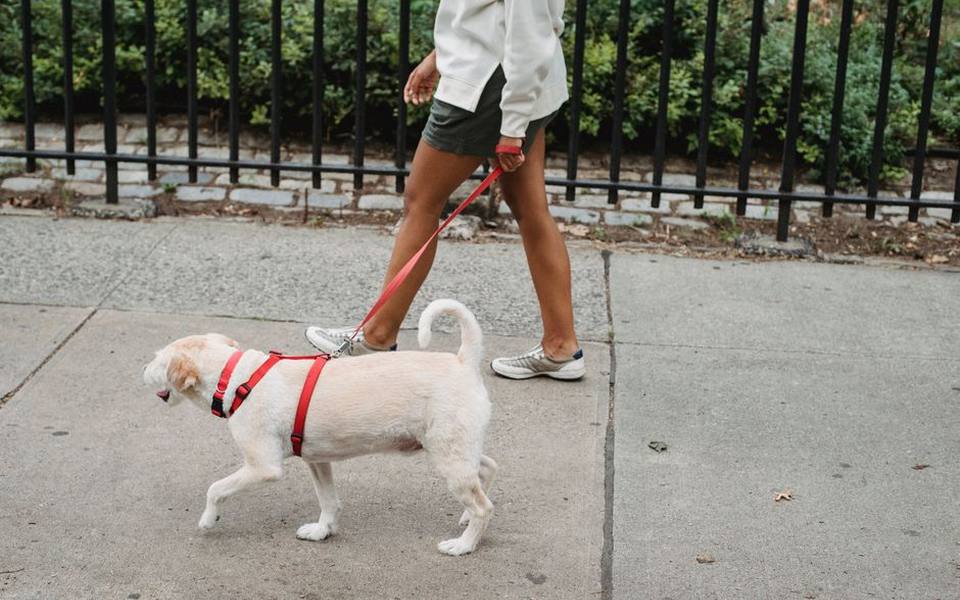
The most ergonomic designs feature a distinct Y-shaped chest plate rather than a horizontal front strap. Horizontal chest bands, often found on standard walking or anti-pull harnesses, sit directly across the dog's shoulder blades. Over miles of running, these restrictive straps prevent full forward extension of the front limbs, altering gait mechanics and leading to chronic shoulder strain. A properly fitted Y-harness leaves the shoulder blades entirely unrestricted during natural strides.
Padding and material choice also influence long-term comfort on the trail. Look for lightweight, breathable mesh or padded ripstop nylon that resists absorbing sweat and moisture. Narrow straps or stiff edges can chafe thin skin in the armpits and chest, particularly over runs lasting more than twenty minutes. The harness should fit snugly enough that it does not shift side-to-side, yet remain loose enough to slip two fingers easily beneath every strap.
Choosing hands-free leashes and shock-absorbing hardware
Holding a standard six-foot nylon lead while jogging disrupts your natural arm swing and throws your running posture out of alignment. Over long distances, this asymmetry creates muscle imbalances in your shoulders, back, and hips. A hands-free waist system transfers the dog's pull directly to your center of mass, enabling an upright running stride while leaving your hands available for balance or trail navigation.
An effective running leash integrates an internal bungee section that absorbs sudden jolts. If your dog accelerates unexpectedly or stops to investigate an odor, the elastic core gradually dampens the impact instead of transferring a sharp snap to your lower spine and the dog's harness. A good system typically features a quick-release buckle on the waist belt, allowing you to disconnect instantly in an emergency, such as an aggressive animal encounter.
Dual-handle configurations offer substantial tactical control when traversing crowded paths or road crossings. These leashes incorporate a primary handle near the waist and a secondary 'traffic handle' positioned close to the harness clip. When passing other trail users, cyclists, or reactive dogs, grasping the lower handle lets you guide your dog tightly to your side without wrapping excess webbing around your fingers.
Protecting canine paws with boots and conditioning balms
Dog paw pads are naturally resilient, but they are not impervious to abrasion, chemical burns, or thermal trauma. When transitioning from soft grass to concrete, asphalt, or jagged mountain trails, pad tissue requires time to develop a thick, protective stratum corneum. Running regularly on abrasive surfaces without adequate preparation can cause painful pad blisters, tears, and severe wear down to the sensitive sub-epidermal layers.
Canine running shoes provide essential protection in extreme environments. In hot climates, summer pavement temperatures often exceed safe limits, causing second-degree burns within minutes. In winter, sharp ice crystals, chemical deicers, and salted walkways can quickly crack paw skin. High-performance running booties feature flexible rubber treads that offer traction while allowing the dog's toes to splay naturally for balance and shock absorption.
Acclimating a dog to footwear demands patience and positive association. Fasten the boots securely around the narrowest part of the lower leg, ensuring dewclaws are cushioned and not pinched by velcro straps. If your running routes stay on shaded dirt trails and temperate surfaces, dedicated shoes may be unnecessary; applying an all-natural paw balm after workouts can prevent drying and cracking while maintaining healthy pad suppleness.
Building endurance through structured interval training
Human runners do not begin their training with a marathon, and dogs should not be subjected to prolonged runs without progressive conditioning. Start with a foundational walking base, gradually incorporating short jogging intervals. A common beginner schedule pairs three minutes of brisk walking with one minute of easy trotting, repeated over twenty minutes, two to three days per week. This gradual ramp-up allows tendons, paw pads, and cardiovascular capacity to strengthen in unison.
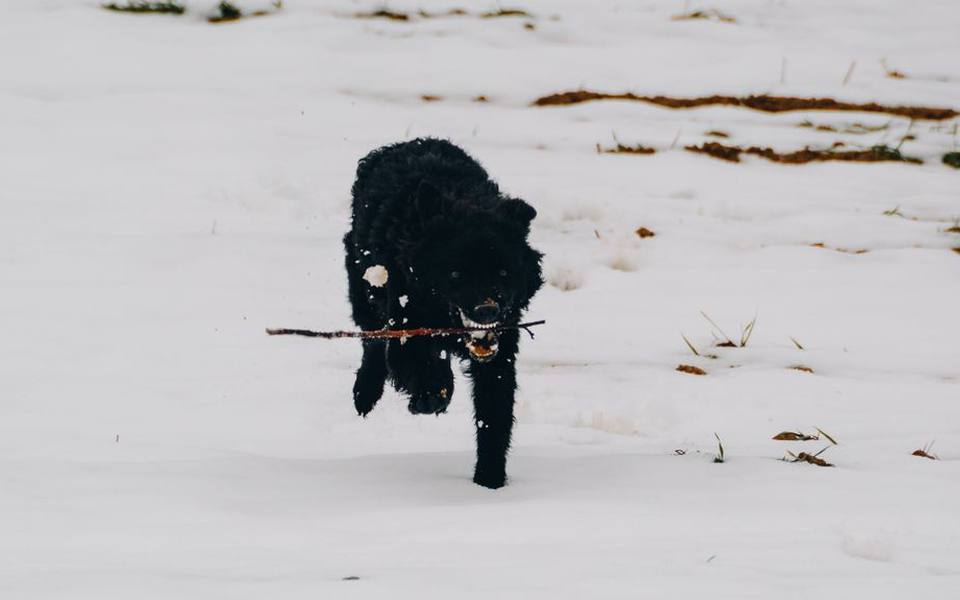
Monitor your companion closely for subtle signs of fatigue throughout the workout. Dogs possess a strong desire to stay with their handlers and will often push through exhaustion to avoid falling behind. Heavy panting with a wide, curled tongue, lagging several paces behind your heels, glazed eyes, or stiff leg movements indicate that the dog has exceeded its aerobic threshold. When these signs appear, drop to a slow walk immediately, seek shade, and offer water.
Surface selection plays a major role in injury prevention during conditioning phases. Whenever possible, run on natural dirt paths, gravel trails, or packed grass instead of concrete sidewalks. Dirt trails provide natural micro-cushioning that lowers joint impact on each foot strike. If your neighborhood only has paved routes, keep mileage moderate and alternate running days with low-impact recovery activities.
Teaching adult dogs the mechanics of retrieving
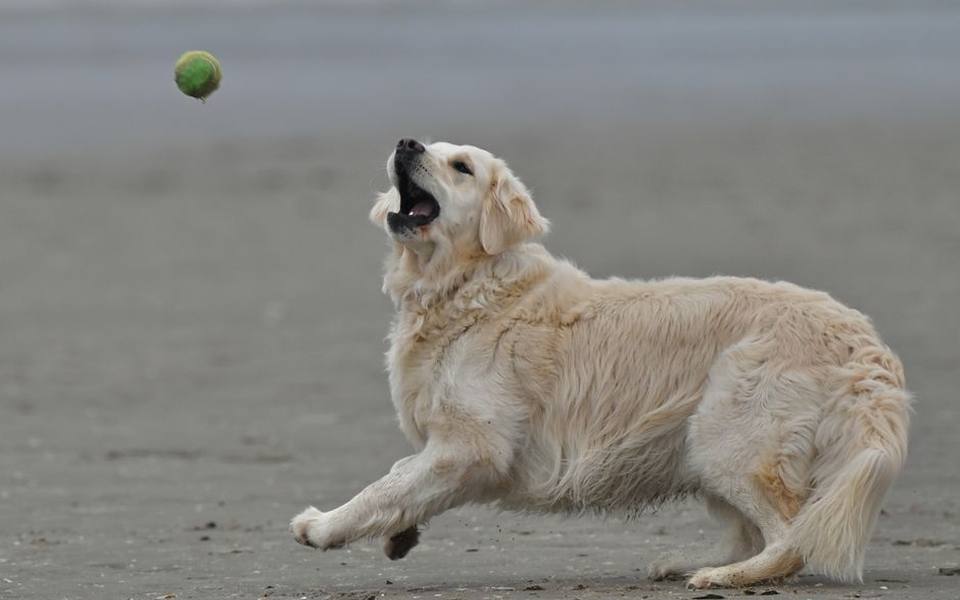
Fetch represents one of the most effective aerobic exercises for high-energy dogs, but many adult dogs do not naturally understand the concept of returning an item to hand. The game consists of four distinct behavioral components: chasing, picking up, returning, and releasing. Breaking the behavior down into these individual steps prevents the frustrating habit where a dog chases an object, grabs it, and immediately runs away to chew it alone.
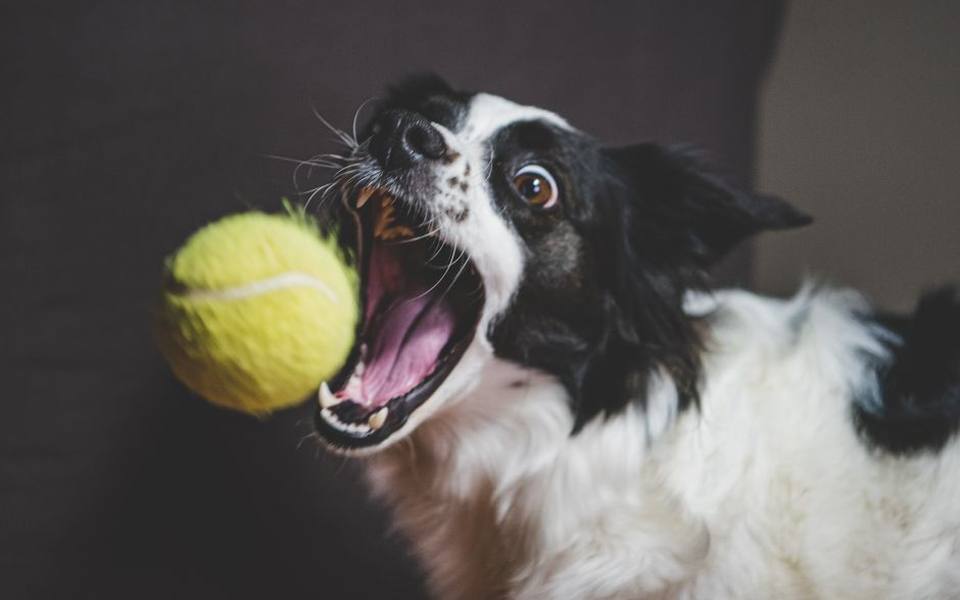
Begin training indoors or in a low-distraction hallway where the dog has limited room to wander. Sit on the floor with a high-value toy, wiggle it to build prey drive, and toss it only two or three feet away. The moment your dog mouths the toy, mark the action with a verbal cue like 'yes' or a clicker, and immediately offer an irresistible treat from your hand. Adult dogs quickly realize that putting their mouth on the toy yields a food reward.
To encourage the return phase, hold the dog on a long training line in a fully fenced off-leash area. Toss the dummy a short distance, let the dog pick it up, and enthusiastically back away while calling their name. Backing up triggers the dog's natural chasing instinct toward you. As they reach your legs, gently cup the toy, present a high-value reward near their nose, and reward them the instant they open their jaw to release the item.
Introducing puppies to fetch without straining joints
Puppies possess innate curiosity, making early retrieve training a playful, relationship-building exercise. However, developing skeletal systems are fragile, meaning puppy fetch should focus entirely on cognitive understanding rather than strenuous physical exertion. Avoid throwing heavy balls long distances or encouraging high-flying leaps, as landing awkwardly on immature front shoulders can cause growth plate fractures and long-term joint instability.
Use soft, lightweight items that fit comfortably in a puppy's mouth, such as a plush squeaky bumper or a pliable rubber ball. Hard plastic frisbees or oversized tennis balls can damage milk teeth or strain jaw muscles. Sit on the floor inside a carpeted room where traction is solid, and roll the toy gently along the ground. Rolling keeps the puppy's head low, eliminates erratic jumping, and simulates the scurrying motion of small prey.
Keep retrieve sessions brief, stopping after three to five successful repetitions. Young puppies possess short attention spans and easily tire, which can cause them to lose interest or become overtired and mouthy. Always end the session while the puppy is still actively engaged and eager for more, storing the designated fetch toy out of reach until the next structured play session to maintain its novelty and high value.
Overcoming the keep-away habit and teaching clean drops
The most common breakdown in retrieve games occurs when the dog learns that returning the toy ends their fun, transforming the game into an unintended round of keep-away. If you chase your dog to retrieve a dropped ball, you unintentionally reward the evasive behavior by making yourself the pursuer. Dogs find human pursuit intensely reinforcing, leading them to dance just out of arm's reach while clutching the prize.
The two-toy method resolves this problem efficiently by shifting value back to the handler. Equip yourself with two identical balls or bumpers. Toss the first ball; once your dog collects it and turns toward you, reveal the second ball, bounce it excitedly, and invite them back. Because the second toy is active and moving in your hand, the dog naturally drops the dead object in their mouth to engage with the new target, teaching them that releasing an item restarts the game.
Pair the release with a clear verbal cue such as 'drop' or 'give.' Avoid prying the dog's jaws open or wrestling the toy away, as physical force creates defensive possession and resource guarding. Instead, place a tasty treat right at the dog's nostrils; dogs cannot easily hold a ball while sniffing and chewing meat. The millisecond the jaw opens, praise, reward with the treat, and promptly throw the toy again as secondary reinforcement.
Diversifying workouts with cross-training and alternative sports
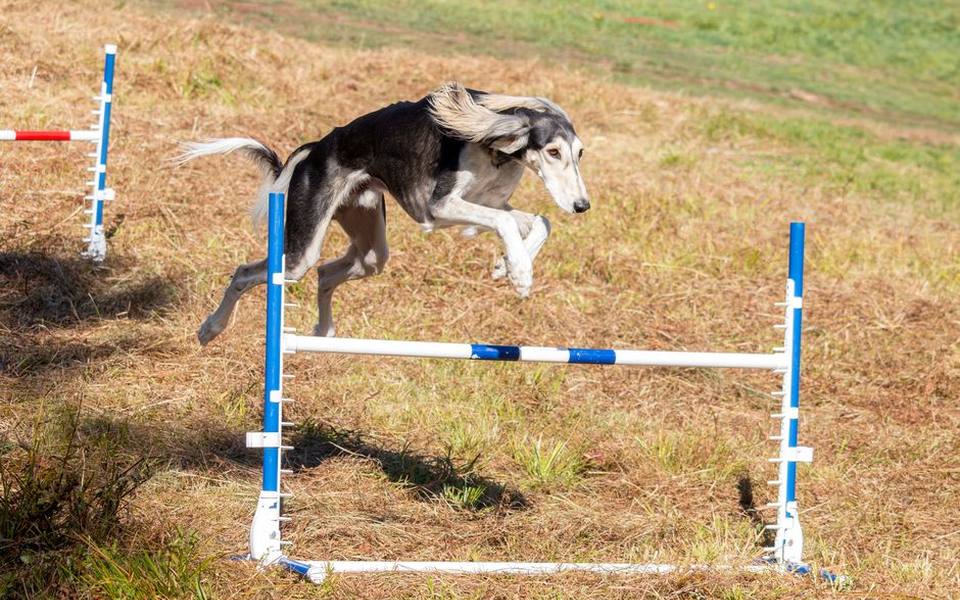
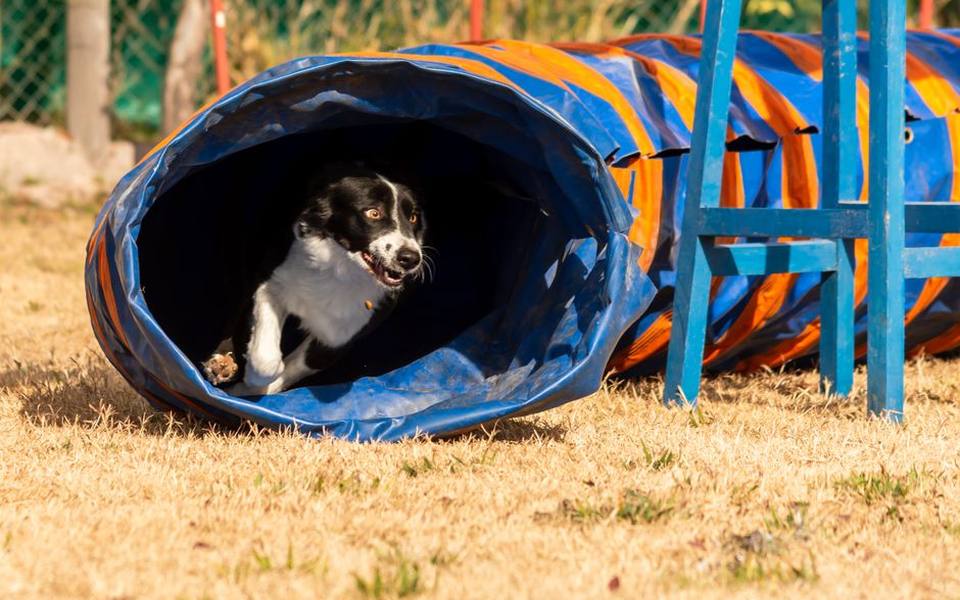
Running in a straight line provides consistent cardiovascular stimulation, but relying exclusively on straight-line trotting neglects lateral muscle groups and mental engagement. Cross-training prevents overuse injuries and builds balanced core strength. Incorporating agility obstacles, balance pads, nose work, and low-impact swimming into weekly routines keeps a high-drive dog calm, physically balanced, and mentally satisfied without wearing down joint cartilage.
Swimming offers an exceptional non-impact cardiovascular workout that builds shoulder and hip strength while eliminating all concussive stress on bones and joints. Many handlers frequent dog parks with water features or shallow lakes to let their dogs retrieve floating bumpers safely. Ten minutes of continuous swimming typically burns as much energy as thirty minutes of running on land, making it ideal for conditioning during warmer months.
When adverse weather makes outdoor exercise impossible, indoor physical enrichment bridges the gap. You can set up nosework scent games, practice balance training on canine fitness inflatables, or visit an indoor, weather-protected play area where your dog can sprint on padded turf. Flirt poles—long wands equipped with an elastic cord and a fleece lure—also provide intensive interval conditioning in small spaces when used with controlled, ground-level motions.
Managing thermal risks, hydration, and safe recovery
Dogs cannot regulate their internal body temperature through cutaneous sweating the way humans do; they dissipate heat almost exclusively through panting and slight evaporation through paw pads. Because panting becomes inefficient in high humidity or elevated ambient temperatures, dogs overheat far faster than their human running partners. In sunny states, such as when visiting dog parks in California, early morning runs before radiant ground heat peaks are essential.
Always carry dedicated hydration and a collapsible bowl on runs exceeding fifteen to twenty minutes. Offer small laps of room-temperature water periodically rather than letting your dog gulp a massive volume at the end of the run, which can increase the risk of gastric dilatation-volvulus (bloat) in deep-chested breeds. If your dog exhibits dark red gums, thick sticky saliva, uncoordinated stumbling, or vomiting, stop instantly, apply cool (not ice-cold) water to the groin, neck, and paw pads, and seek emergency veterinary care.
Post-workout recovery is just as vital as the run itself. Conclude every outing with a five-minute walking cool-down to clear lactic acid from muscles and allow heart rates to return to resting baseline. Once home, perform a quick physical sweep: inspect paw pads for cuts or embedded seeds, check ears and toes for ticks, and gently palpate leg muscles to detect any localized stiffness or swelling before your dog settles down for rest.
Published 2026-09-20 · reviewed with each rebuild, last September 2026.
Find dog parks near you
The directory lists 2,936 dog parks by state and city — pick your state or use the “Near me” button in the header.
More guides
-
 Owning
How to Find and Choose the Best Off-Leash Dog Parks
-
 Owning
What Is a Dog Run? Materials, Design, and Setup Guide
-
 Safety
Taking Your Dog Swimming: Safe Water Spots, Beach Rules, and Health Risks
-
 Service
How Much Does Dog Boarding Cost? A Clear Guide to Kennel Rates
-
 Owning
Dog Training Costs, Obedience Classes, and Essential Health Guidelines
-
 Owning
What Is a Reactive Dog? Signs, Triggers, and Management Guide
-
 Owning
A Practical Guide to Pet Adoption, Surrender Realities, and Essential Daily Care
-
 Safety
Comprehensive Guide to Dog Flea and Tick Treatments: Oral, Topical, and Natural Solutions
-
 Safety
Kennel Cough in Dogs: Symptoms, Home Remedies, and Prescription Treatments
-
 Owning
A Complete Practical Guide to Dog Beaches: Top Coastal Spots and Beach Safety
-
 Owning
Dog Car Seat Covers and Hammocks: Choosing the Best Vehicle Protection
-
 Owning
Understanding the Canine Heat Cycle: Phases, Physical Symptoms, and Female Care
-
 Owning
Essential Dog Hiking Gear: Backpacks, Hands-Free Leashes, and First Aid Kits
-
 Owning
Dog Agility Courses, Private Park Rentals, and Training Facilities: How to Choose the Right Space
-
 Service
Self-Service Dog Wash Stations: Equipment, Costs, and Practical Guide
-
 Buying
Automatic and Manual Dog Ball Launchers: How to Choose the Right Setup for Your Dog
-
 Safety
Complete Guide to Dog Flea and Tick Medications: Chews, Topicals, and Treatments
-
 Safety
Natural Flea and Tick Remedies for Dogs: Practical Home Solutions and Safe Use
-
 Safety
Safe Flea and Parasite Treatments for Puppies Under 12 Weeks
-
 Owning
Dog Poop Bags, Dispensers, and Leash Gear for Everyday Walks
-
 Owning
Ultimate Guide to Finding and Visiting Dog Parks and Dog-Friendly Beaches
-
 Safety
Dog Flea and Tick Guide: Comparing Chews, Topicals, Shampoos, and Injections
-
 Owning
A Homeowner's Guide to Backyard Dog Runs, Enclosures, and Exercise Treadmills
-
 Owning
A Complete Guide to Hiking, Camping, and Outdoor Adventures With Dogs
-
 Owning
Dog Health Guide: Giardia Symptoms, Canine Coughs, and Female Heat Cycles
-
 Safety
Understanding Dog Reactivity and Resource Guarding: Training Methods, Daily Management, and Gear
-
 Buying
Dog Car Seat Covers, Hammocks, and Travel Gear: A Practical Buyer's Guide
-
 Buying
Choosing the Right Automatic Ball Launcher and Backyard Play Gear for Active Dogs
-
 Owning
Self-Serve Dog Wash Stations, Towels, and Waste Management
-
 Safety
Complete Dog Flea and Tick Prevention Guide: Chews, Topicals, and Treatments
-
 Owning
Dog Friendly Beaches, Parks, and Travel Destination Guide
-
 Safety
Essential Outdoor Dog Gear: Harnesses, Life Vests, Hot Pavement Boots, and Bags
-
 Safety
Dog Park Safety Guide: Rules, Aggression, First Aid, and Kennel Cough Symptoms
-
 Safety
Comprehensive Guide to Dog and Cat Flea, Tick, and Heartworm Medications
-
 Owning
Designing Home Dog Runs, Agility Courses, and Backyard Play Equipment
-
 Owning
Choosing the Best Car Seat Covers, Hammocks, and Backseat Protectors for Dogs
-
 Buying
Dog Ball Launchers and Automatic Throwers: Selection, Sizing, and Field Guide
-
 Safety
Dog-Safe Yard Care: Pet-Friendly Lawn Fertilizers and Pest Sprays
-
 Owning
Dog Heat Cycles: Symptoms, Duration, and Care During Estrus