Standard Daily Boarding Rates Across the Country
Dog boarding rates typically range anywhere from thirty to eighty dollars per day for a standard kennel run, though luxury suites and high-demand metropolitan areas frequently push daily fees past one hundred dollars. The baseline rate usually covers shelter, standard bedding, fresh water, and a set schedule of brief relief outings throughout the day. Facilities price their services around twenty-four-hour cycles, meaning your arrival and pickup times directly determine whether you pay for a partial day, a full day, or an extended daycare fee upon departure.
When calculating daily kennel charges, pet owners should understand that single-dog occupancy sets the benchmark rate. Families boarding two compatible dogs in the same shared enclosure often receive a modest multi-pet discount on the second dog, typically saving ten to twenty percent off the secondary daily fee. Conversely, larger breeds that require reinforced suites or extra-large enclosures may command higher baseline prices because they occupy more physical square footage within the facility.
Pricing structures also vary depending on whether the business operates as a traditional commercial kennel or a boutique boarding hotel. Traditional setups with indoor-outdoor runs tend to sit at the more affordable end of the spectrum, while boutique facilities that feature climate-controlled rooms, raised orthopedic beds, and webcams operate at premium rates. Understanding these baseline distinctions helps you establish a realistic budget before you start touring local facilities.
How Location and Peak Seasons Alter Kennel Pricing
Geographic location plays an enormous role in what facilities charge per day, primarily driven by regional commercial rent, utility overhead, and staff labor costs. For instance, pet owners booking care in busy coastal hubs or major metropolitan centers such as those near Dog Parks in California generally encounter substantially higher rates than owners living in suburban or rural towns. In densely populated urban areas, high demand combined with limited physical real estate naturally drives boarding prices toward the upper end of the national spectrum.
Holiday calendars and school vacation periods trigger predictable surge pricing across almost all professional boarding operations. Stays booked during Thanksgiving, Christmas, New Year's weekend, and the peak summer travel months often incur mandatory holiday surcharges, typically ranging from an extra five to twenty dollars per night. Some facilities also establish mandatory multi-night minimums during peak travel windows, requiring customers to pay for three or four consecutive nights even if their trip only lasts forty-eight hours.
Advance reservation rules become critical during high-traffic seasons as popular boarding centers fill their spaces weeks or months ahead of time. Facilities often require non-refundable deposits during peak dates to prevent last-minute cancellations from leaving empty suites. If your schedule requires boarding during a major holiday, checking deposit policies and cancellation deadlines beforehand prevents unexpected charges if your travel plans suddenly change.
Evaluating Add-On Services and Hidden Boarding Fees
Base boarding rates rarely reflect the entire invoice once your dog completes a stay, because many daily necessities are categorized as optional extras. While some kennels include group play sessions in their standard daily fee, others charge ten to twenty dollars extra for each supervised thirty-minute group socialization period. If your pet prefers human companionship over group play, solo enrichment sessions such as fetch, puzzle toys, or individual leash walks are commonly billed at similar standalone rates.
Special dietary management and medical administration represent another category where costs can accumulate quickly. While most kennels encourage owners to bring pre-portioned bags of their dog's regular food to prevent digestive upset, feeding house kibble often incurs an extra daily charge. Administering oral pills, joint supplements, or ear drops typically costs between two and five dollars per dose, whereas handling injectable medications like insulin usually commands a higher technical handling fee.
Post-stay grooming services provide convenience but will expand your overall bill if requested or mandated by the facility. Many kennels require a mandatory exit bath for dogs staying longer than five to seven days to ensure clean returns, charging standard grooming rates based on coat length and body weight. Reviewing the facility's itemized fee sheet before signing the boarding contract ensures you are not surprised by optional services that were automatically selected during intake.
Selecting Quality Care Near Your Home
Finding an exceptional boarding provider in your immediate neighborhood requires looking beyond glossy marketing photos to evaluate daily care standards. A trustworthy facility should maintain transparent visitor policies, allowing prospective clients to inspect the sleeping suites, indoor playrooms, and outdoor yards during normal business hours. Pay close attention to ambient odor and ventilation; a clean kennel smells fresh and climate-controlled, without heavy masking scents or overwhelming ammonia traces.
Staffing ratios and overnight supervision protocols are crucial indicators of safety and attentive care. Inquire about how many trained handlers manage group play yards, as industry best practices generally recommend one handler for every ten to fifteen dogs depending on size and play style. You should also verify whether staff members remain physically present in the building overnight, or if the facility relies solely on remote camera monitoring and automated fire suppression systems after closing hours.
Prior to committing to a week-long stay, schedule a trial daycare half-day so staff can assess your dog's temperament in their specific environment. This trial visit reveals how your dog handles kennel separation, interacts with staff handlers, and settles in new surroundings. It also gives you firsthand experience with the provider's communication, pickup procedures, and administrative transparency before leaving your pet for an extended trip.
Boarding Intact Females and Heat Cycle Timing
Pet owners with intact female dogs face unique boarding considerations and strict facility regulations centered around estrus cycles. Female dogs generally experience their first heat cycle between six and twenty-four months of age, depending largely on their mature adult size. Smaller companion breeds tend to mature much earlier, often entering season around six to nine months, whereas large and giant breeds might not experience their initial cycle until eighteen to twenty-four months.
Kennel policies regarding intact females vary dramatically from complete refusal to strict isolation protocols. Because an intact female in season emits powerful pheromones that trigger intense arousal, vocalization, and potential aggression among male dogs, most group-play facilities strictly prohibit females currently in heat. Facilities that do accept them typically require isolation suites away from main kennel corridors, accompanied by dedicated private exercise times that incur substantial daily surcharges.
Understanding your dog's individual cycle patterns helps prevent booking conflicts during anticipated heat windows. Most intact females come into season roughly twice per year, meaning approximately every six months, although irregular intervals are completely normal during the first two years of life. If you notice early indicators like increased self-grooming or behavioral clinginess close to your reservation date, notify the kennel immediately to check their isolation capabilities.
Recognizing How Long a Female Dog Remains in Heat
Knowing how long an intact female remains in heat is critical when planning boarding dates around travel schedules. A complete estrus cycle typically lasts between two and four weeks, with three weeks serving as the standard average across most breeds. The cycle is divided into distinct stages, beginning with proestrus, advancing into estrus when the female is fertile, and winding down through diestrus as hormone levels gradually normalize.
During the initial proestrus stage, which typically spans seven to ten days, pet owners will observe noticeable swelling of the vulva accompanied by a bloody discharge. Although the female is not yet receptive to male dogs during this phase, male dogs will already detect hormonal shifts from substantial distances. The subsequent estrus stage also averages five to nine days, during which the discharge softens to a lighter straw color and the female becomes receptive to mating.
Because microscopic pheromone traces remain potent even as physical discharge ceases, commercial kennels usually demand a buffer period before welcoming a female back into social settings. Most boarding facilities require at least twenty-one to thirty days to pass from the first sign of bleeding before allowing an intact female on site. Planning boarding reservations well outside these vulnerable weeks protects your pet from unintended stress and prevents facility conflicts.
Kennel Cough Identification and Containment Standards
Canine infectious respiratory disease complex, commonly known as kennel cough, represents one of the most frequent health concerns in communal pet settings. The primary symptom is an unmistakable, dry, hacking cough that sounds remarkably like a goose honking. This persistent sound often appears in sudden, repetitive paroxysms, frequently followed by gagging or retching as if the dog is attempting to dislodge a foreign object from its throat.
In addition to the characteristic honking noise, infected dogs may exhibit mild nasal discharge, slight eye watering, and occasional sneezing, though most remain otherwise bright and alert with normal appetites. Symptoms typically manifest two to ten days following exposure to an airborne pathogen in crowded environments. Because the illness spreads easily through respiratory droplets, shared water bowls, and direct nose-to-nose contact, early recognition is essential for containing outbreaks.
Professional boarding centers manage respiratory risk by mandating proof of Bordetella vaccination alongside core DHPP and rabies shots. Many reputable kennels also suggest or require the canine influenza vaccine series depending on local regional disease prevalence. High-grade facilities pair these vaccination mandates with medical-grade air exchange systems, ultraviolet sanitizing lights, and strict isolation protocols for any pet exhibiting coughing or throat irritation on site.
Burn Off Energy Before Overnight Confinement
Transitioning from an active home routine into a structured kennel environment can cause stress and restless pacing if a dog arrives with pent-up physical energy. Establishing a calming pre-boarding routine helps smooth this adjustment significantly. Dedicating time to thorough aerobic exercise in the days and hours leading up to drop-off allows your dog to enter the facility in a relaxed, receptive physical state rather than an overstimulated one.
Visiting safe off-leash spaces gives your companion an outlet for high-energy running, exploratory sniffing, and natural play behavior before confinement. Utilizing secure locations like Fenced Dog Parks allows energetic breeds to sprint at full stride without leash restrictions, effectively draining physical reserves. Sniffing and navigating open perimeter lines also provides valuable mental stimulation that promotes deep, restorative sleep later that evening.
If winter weather or scorching summer temperatures make outdoor workouts difficult, climate-controlled alternatives offer great relief. Seeking out local Indoor Dog Parks provides sheltered exercise space away from extreme elements. For pet owners residing in hot climates like those exploring Dog Parks in Texas, morning exercise sessions or protected venues keep dogs active without risking heat exhaustion before their scheduled kennel check-in.
Preparation Checklist for a Smooth Drop-Off
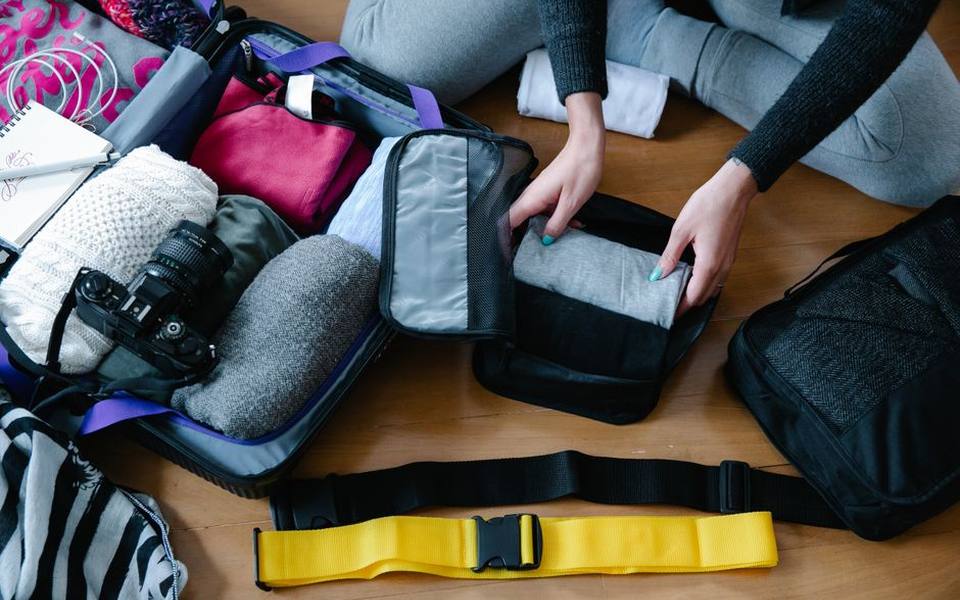
Thorough preparation before arrival ensures a seamless intake process and reduces stress for both you and your pet on travel day. Begin by assembling updated veterinary records showing current vaccination dates, including Bordetella, rabies, and distemper, at least two weeks before your stay. Having your veterinarian email electronic copies directly to the kennel management prevents intake delays or last-minute entry denials at the front desk.
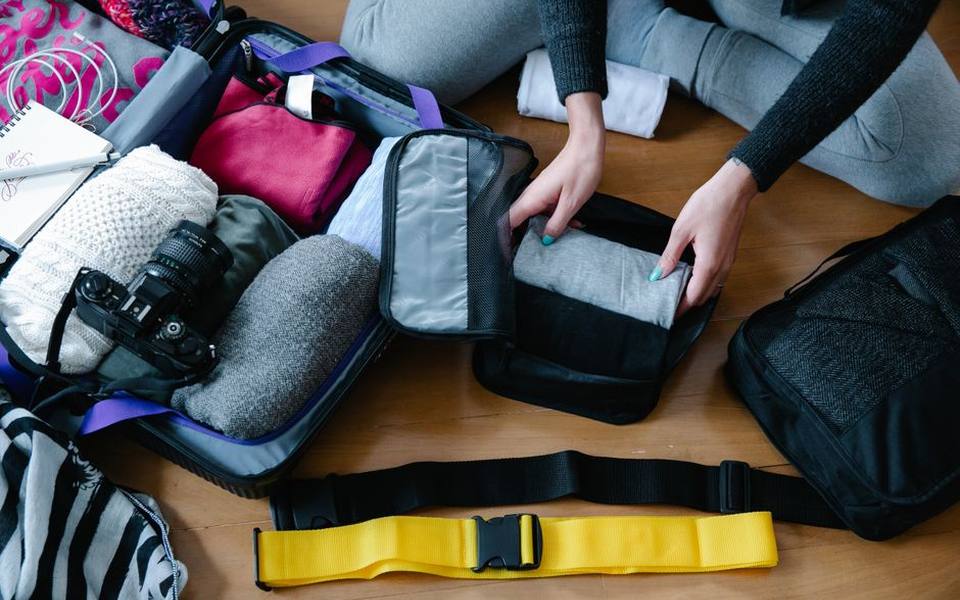
Pack meals in pre-portioned, sealed plastic bags labeled with your dog's name, daily feeding times, and exact measurements for each serving. Packing two extra days of food beyond your scheduled return date protects your dog against dietary changes should flight delays or transit issues postpone your arrival. Bring familiar bedding or an unwashed t-shirt carrying your scent, provided the facility permits personal items inside individual sleeping quarters.
Write out concise, clear instructions regarding medication dosages, emergency veterinary contacts, and approved emergency spending limits. Keeping drop-off goodbyes short, calm, and matter-of-fact prevents sending anxious cues down the leash to your companion. Handing the leash to the facility staff with a cheerful, confident attitude signals to your dog that the environment is secure and trusted.
Final Invoicing, Cancellation Rules, and Gratuity
Understanding how boarding charges are tallied protects your travel budget from surprising checkout totals. Most facilities implement clear checkout windows, often requiring pickup before midday to avoid incurring an additional afternoon daycare fee. If your return flight lands late in the afternoon, expect the kennel to bill a half-day or full-day charge for holding and caring for your dog past the standard morning checkout cutoff.
Cancellation policies range widely depending on facility demand, seasonality, and advance notice windows. During standard non-holiday periods, many kennels permit cancellations without penalty up to forty-eight or seventy-two hours before the scheduled check-in time. However, late cancellations or missed check-ins will typically forfeit your initial booking deposit or incur a flat fee equal to the cost of one night's stay.
Tipping kennel attendants is not strictly required, but it has become increasingly common for exceptional, attentive pet care. If kennel staff provided daily photo updates, administered complex medications, or gave your dog extra individualized TLC, a tip of ten to fifteen percent of the total bill—or a flat cash tip distributed among the kennel attendants—is warmly appreciated. Reviewing your final itemized receipt upon pickup ensures all billing lines accurately match the services your dog received.
Published 2026-09-20 · reviewed with each rebuild, last September 2026.
Find dog parks near you
The directory lists 2,936 dog parks by state and city — pick your state or use the “Near me” button in the header.
More guides
-
 Owning
How to Find and Choose the Best Off-Leash Dog Parks
-
 Owning
What Is a Dog Run? Materials, Design, and Setup Guide
-
 Safety
Taking Your Dog Swimming: Safe Water Spots, Beach Rules, and Health Risks
-
 Owning
Dog Training Costs, Obedience Classes, and Essential Health Guidelines
-
 Owning
What Is a Reactive Dog? Signs, Triggers, and Management Guide
-
 Owning
A Practical Guide to Pet Adoption, Surrender Realities, and Essential Daily Care
-
 Safety
How to Safely Exercise and Run with Your Dog: Essential Gear and Conditioning Tips
-
 Safety
Comprehensive Guide to Dog Flea and Tick Treatments: Oral, Topical, and Natural Solutions
-
 Safety
Kennel Cough in Dogs: Symptoms, Home Remedies, and Prescription Treatments
-
 Owning
A Complete Practical Guide to Dog Beaches: Top Coastal Spots and Beach Safety
-
 Owning
Dog Car Seat Covers and Hammocks: Choosing the Best Vehicle Protection
-
 Owning
Understanding the Canine Heat Cycle: Phases, Physical Symptoms, and Female Care
-
 Owning
Essential Dog Hiking Gear: Backpacks, Hands-Free Leashes, and First Aid Kits
-
 Owning
Dog Agility Courses, Private Park Rentals, and Training Facilities: How to Choose the Right Space
-
 Service
Self-Service Dog Wash Stations: Equipment, Costs, and Practical Guide
-
 Buying
Automatic and Manual Dog Ball Launchers: How to Choose the Right Setup for Your Dog
-
 Safety
Complete Guide to Dog Flea and Tick Medications: Chews, Topicals, and Treatments
-
 Safety
Natural Flea and Tick Remedies for Dogs: Practical Home Solutions and Safe Use
-
 Safety
Safe Flea and Parasite Treatments for Puppies Under 12 Weeks
-
 Owning
Dog Poop Bags, Dispensers, and Leash Gear for Everyday Walks
-
 Owning
Ultimate Guide to Finding and Visiting Dog Parks and Dog-Friendly Beaches
-
 Safety
Dog Flea and Tick Guide: Comparing Chews, Topicals, Shampoos, and Injections
-
 Owning
A Homeowner's Guide to Backyard Dog Runs, Enclosures, and Exercise Treadmills
-
 Owning
A Complete Guide to Hiking, Camping, and Outdoor Adventures With Dogs
-
 Owning
Dog Health Guide: Giardia Symptoms, Canine Coughs, and Female Heat Cycles
-
 Safety
Understanding Dog Reactivity and Resource Guarding: Training Methods, Daily Management, and Gear
-
 Buying
Dog Car Seat Covers, Hammocks, and Travel Gear: A Practical Buyer's Guide
-
 Buying
Choosing the Right Automatic Ball Launcher and Backyard Play Gear for Active Dogs
-
 Owning
Self-Serve Dog Wash Stations, Towels, and Waste Management
-
 Safety
Complete Dog Flea and Tick Prevention Guide: Chews, Topicals, and Treatments
-
 Owning
Dog Friendly Beaches, Parks, and Travel Destination Guide
-
 Safety
Essential Outdoor Dog Gear: Harnesses, Life Vests, Hot Pavement Boots, and Bags
-
 Safety
Dog Park Safety Guide: Rules, Aggression, First Aid, and Kennel Cough Symptoms
-
 Safety
Comprehensive Guide to Dog and Cat Flea, Tick, and Heartworm Medications
-
 Owning
Designing Home Dog Runs, Agility Courses, and Backyard Play Equipment
-
 Owning
Choosing the Best Car Seat Covers, Hammocks, and Backseat Protectors for Dogs
-
 Buying
Dog Ball Launchers and Automatic Throwers: Selection, Sizing, and Field Guide
-
 Safety
Dog-Safe Yard Care: Pet-Friendly Lawn Fertilizers and Pest Sprays
-
 Owning
Dog Heat Cycles: Symptoms, Duration, and Care During Estrus