Matching Vehicle Protection to Your Dog and Cabin Layout
The most effective vehicle seat protector depends directly on your dog's size, temperament, and your vehicle's physical seat architecture. A standard passenger sedan requires a very different layout than a full-size crew-cab pickup truck or a compact hatchback with folding rear seats. If your dog prefers pacing between windows or pacing near the center console, a full bridge hammock provides a continuous barrier that physically discourages wandering while protecting footwells from falling debris. Conversely, calm dogs that lie down immediately may only require a fitted bench cover or a low-profile travel mat.
Choosing between synthetic waterproof fabrics, padded microfiber, and heavy-duty quilted canvas often comes down to how often your dog encounters wet terrain and mud. Active dogs that swim or hike require impenetrable TPU or PVC waterproof backings paired with leak-proof taped seams so moisture never reaches factory upholstery. Less adventurous city travel might prioritize breathable, soft-touch quilted cotton or microsuede that prevents sliding on leather seats while blending neatly with luxury interior trim. Taking exact measurements of your rear bench width before shopping prevents loose, bunching fabric.
Beyond fabric coverage, safety systems must function smoothly together. Any protector you install must allow unobstructed access to standard vehicle seat belt receptacles or dedicated child-latch anchor points. If you secure your dog using a certified travel harness, the protector requires generous, hook-and-loop access slits positioned precisely where your vehicle's seat belts click into place. A seat cover that covers safety anchors without accessible pass-through ports creates a dangerous hazard by forcing you to choose between interior cleanliness and your dog's physical safety during sudden braking.
Standard Bench Covers Versus Enclosed Hammock Designs
A traditional bench protector drapes smoothly across the rear seat cushion and vertical backrest, hanging down toward the floorboards while leaving the footwells completely open. This configuration works wonderfully if human passengers regularly share the back seat with your pet, or if you transport child safety seats alongside your dog. High-rated bench covers incorporate heavy non-slip rubber mesh across their underside and insertable seat anchors that wedge firmly between cushion cushions to prevent shifting when your pet stands or repositions during turns.

Hammock-style covers attach to both the rear headrests and front seat headrests, effectively suspending a protective bridge across the entire rear passenger footwell. This configuration prevents medium and large dogs from tumbling forward into the center console or floor during sudden deceleration, creating a secure nest-like space. Hammocks also keep loose gravel, shedding hair, and dried mud suspended above your vehicle carpets, making post-trip cleanup as simple as unhooking the straps and shaking the debris straight into the yard after an energetic day at a fully fenced off-leash area.
When evaluating top-rated hammock options, look for models featuring a breathable mesh visual window between the two front seats. This central mesh panel serves two essential purposes: it allows conditioned air from the front dash vents to circulate freely through the back seat, and it gives your dog a direct line of sight to you, which substantially reduces anxiety on highway drives. High-end variations often include split-zipper designs, which let you drop half of the hammock down so a human passenger can ride comfortably beside your secured pet.
Selecting Heavy-Duty Protection for Full-Size Pickup Trucks
Pickup trucks present unique dimensions that standard passenger car seat covers rarely fit properly without significant stretching or sagging. Modern half-ton and heavy-duty crew-cab pickups feature rear benches that span roughly fifty-six to sixty-four inches wide, which is noticeably broader than a mid-size crossover or family sedan. Buying a standard universal pet back seat cover for a full-size truck usually leaves several inches of exposed upholstery on either flank, right where dogs step to look out the rear side windows.
Truck owners must also decide whether they plan to transport their dog with the rear seats folded down in the vertical storage position or flipped down as a standard seating bench. If you regularly fold the rear bench upward to expose the flat floorboard, a flat truck floor mat or a specialized under-seat cargo barrier protects the floor carpet while keeping metal seat brackets covered. If your dog rides up high on the rear cushions, look specifically for extra-wide, heavy-duty truck covers equipped with reinforced side flaps and heavy webbed straps.
Cab materials in modern trucks often include sensitive perforated leather or durable vinyl that can scratch when exposed to grit lodged under your dog's paws. Heavy-gauge Oxford canvas with reinforced corner box-stitching holds up best against the substantial weight of large hunting, working, or sporting breeds. Ensure the straps anchoring the protector around the rear headrests are broad and double-stitched, because the tall, vertical backrests found in pickup cabins put continuous leverage on top mounting hardware during bumpy off-pavement travel.
Shielding Interior Door Panels from Scratches and Moisture
Even the most comprehensive backseat bench cover leaves interior door panels exposed to aggressive dog nails, wet noses, and heavy drool. Dogs instinctively rest their paws on door armrests to look out the side windows, driving sharp claws directly into soft-touch plastic, stitched leatherette, or delicate window switch bezels. Over time, recurring paw pressure can cause permanent leather indentations, puncture armrest padding, and force fine sand deep into electric window switches, potentially leading to costly interior repairs.
Dedicated car door dog protectors install independently along the interior door card to create a durable, scratch-proof vertical shield. Most designs utilize thin, semi-rigid plastic tabs that slide neatly down between the window glass and the rubber weatherstripping channel. This method secures the fabric smoothly against the interior door panel without requiring permanent adhesives or screws that could mar your vehicle trim. Quality guards remain firmly in place even when you roll the windows down to give your companion fresh air.
When shopping for door protectors, verify whether they incorporate soft microfiber backing to prevent the protector itself from rubbing micro-scratches into glossy interior clear coats. Some models also provide supplemental suction cups or small hook-and-loop tabs along the bottom hem to stop curious dogs from nosing underneath the fabric edge. Having easily removable, washable door panels ensures you can thoroughly rinse away slobber and muddy paw prints without wiping chemical leather cleaners over your vehicle interior every weekend.
Front Passenger Seat Covers for Solo Travel Companions
While canine travel experts strongly recommend transporting dogs in the rear cabin for safety, many pet owners occasionally transport a small or calm dog in the front bucket seat. A front seat dog cover features a fitted, tailored design resembling a hooded apron that slips securely over the headrest and contours down the bucket cushion. These protectors typically include deep skirted elastic edges around the base to prevent the fabric from twisting or sliding off when your dog shifts weight around turns.
Securing a pet in the front passenger area requires extra awareness regarding vehicle safety systems and dashboard airbag deployment zones. Modern passenger seats contain sensitive weight sensors that automatically activate high-velocity front airbags when sufficient weight rests on the seat base. In a sudden collision, an expanding front airbag can strike a dog with immense, potentially fatal force. For this reason, if you use a front seat protector, you should verify that the vehicle seat is pushed as far back on its tracks as possible.
Front seat protectors should always be constructed with high-traction bottom surfaces to counteract the aggressive bolstering common on modern front bucket seats. Smooth nylon backings tend to skate across leather bolsters, causing your pet to lose balance during ordinary cornering. Look for designs featuring thick silicone micro-dots along the underside and a substantial foam anchor pipe that jams deep into the seat bight, keeping the pad firmly centered beneath your dog.
Low-Profile Travel Mats and Lightweight Cargo Pads
A full hammock or multi-strap bench cover can feel cumbersome if you frequently switch between hauling human passengers, groceries, and your dog. In these situations, a portable dog mat for car use offers a lightweight, flexible alternative that requires zero complicated strap adjustments. These flat, padded mats simply lay across any flat surface—whether that is a rear bench, a lowered cargo floor, or the footwell of an SUV—and pack away into a trunk organizer in seconds.
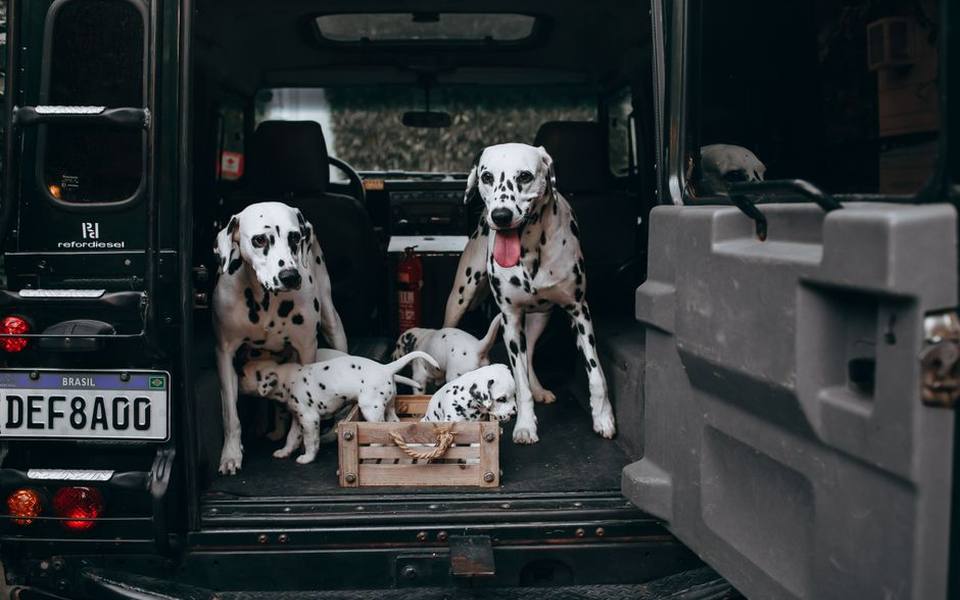
Quality travel mats typically combine a rugged, dirt-resistant exterior fabric with an internal layer of supportive foam or polyfill fleece. This built-in cushioning insulates your dog from rigid vehicle floor pans and vibration during long highway transit, making road trips far more comfortable for older dogs suffering from stiff hips or joint sensitivity. Because they are not physically tethered to the vehicle's headrests, high-performance travel mats rely on dense silicone grip patterns across the entire base to prevent movement.
These versatile mats also serve as seamless transitional beds during outdoor adventures or road trips across regions like dog parks in Texas. You can pull the mat out of your vehicle cargo bay and place it directly on grass, gravel, or campsite dirt to provide your dog with a familiar, clean resting spot. Once your outing concludes, shake the mat out thoroughly, lay it back over your vehicle carpeting, and your interior remains fully protected from damp ground moisture and clinging trail burs.
Evaluating Premium Quilted Canvas Versus Standard Synthetic Weaves
Automotive pet covers fall broadly into two material categories: utility synthetic blends and premium heavy-gauge quilted textiles. Standard budget protectors typically utilize 600D polyester with a plasticized PVC backing. While these covers offer reliable immediate water resistance at an accessible price point, the synthetic plastic coating can feel cold and slippery to dog paws. Over time, repeated sun exposure and folding cycles can cause rigid PVC backings to crack, flake off, and drop white plastic debris onto your carpets.
In contrast, premium heritage-style covers—frequently modeled after rugged outdoor sporting brands like Orvis—rely on heavy-duty cotton canvas, tightly woven twill, or rich microfiber quilted over soft structural batting. These luxury covers emphasize long-term durability, quiet comfort, and aesthetic harmony with high-end vehicle upholstery. Rather than relying on a stiff plastic laminate, premium canvas protectors typically sandwich an internal water-resistant membrane between breathable outer textiles, keeping liquids contained without creating a slick, noisy plastic sensation.
Choosing between synthetic and heavy canvas depends on your climate and cleaning preferences. Heavy quilted twill covers offer superior claw puncture resistance and absorb surface moisture nicely, preventing puddles from pooling under your dog during long drives home from wet trailheads. However, synthetic polyester covers dry much faster after a rinse and shed stubborn pet hair more easily with a handheld vacuum. Consider how your pet responds to unfamiliar textures; anxious dogs often relax faster on quiet, matte canvas than on crinkly synthetic nylon.
Integrating Crash-Tested Restraints and Harness Systems
A durable seat cover protects your vehicle interior, but it does not physically protect your dog during an emergency evasive maneuver or traffic collision. An unrestrained sixty-pound dog becomes a dangerous projectile in a thirty-mile-per-hour stop, risking severe injury to both the pet and front-seat occupants. For complete travel safety, any pet back seat cover must work harmoniously with a dedicated dog car seat harness that secures your pet directly to the vehicle structural safety belt system.
Do not confuse an ordinary walking harness with a motor vehicle restraint harness. Walking harnesses use lightweight plastic buckles and thin webbing designed solely for leash pulling, which instantly shatter under the immense kinetic forces of a vehicular collision. A certified travel harness features wide ballistic nylon webbing, solid steel nesting buckles, and reinforced stitching engineered to disperse impact energy evenly across your dog's chest and ribcage, mirroring the mechanics of human safety belts.
When installing your rear seat cover, carefully inspect the hook-and-loop openings designed for seat belt access. Poorly designed covers feature small, misaligned slits that pull tight when your dog shifts, placing sideways strain on safety tethers or popping seat belt latches open. High-quality protectors use wide, dual-zipper or overlapping Velcro openings that permit your restraint tether to click straight into the factory buckle without bunching the surrounding waterproof fabric or letting dirt fall through into your seat cushions.
Managing Mud, Sand, and Wet Fur After Outdoor Adventures
A weekend trip to natural off-leash zones or dog parks with water features inevitably results in wet underbellies, caked mud, and deep fine sand hitching a ride home in your car. Without adequate containment, moisture seeps deep into seat foam cushions, breeding persistent mildew odors that standard auto detailers struggle to eradicate. An effective pet seat cover acts as an impenetrable physical tub, catching dripping lake water and falling trail grit before it reaches your factory upholstery.
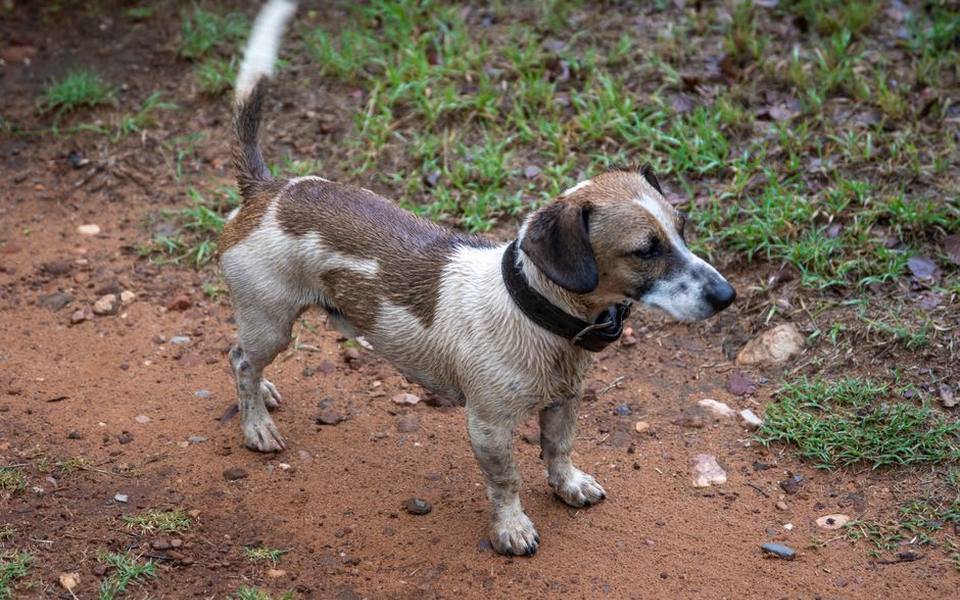
To manage heavy debris, pay close attention to the side flaps on your hammock or bench cover. Raised side flaps zip upward along the door openings to form a three-dimensional protective basin. When your dog jumps into the car covered in wet sand, the flaps prevent gritty particles from spilling into the gap between the seat cushion edge and the door sill. When it is time to exit, simply unhook the side flap and let it drape over the vehicle door sill, shielding your exterior painted sills from scratching claws as your dog leaps to the ground.
For cold or rainy months, when trail walks mean saturated fur, keeping an ultra-absorbent microfiber towel or shammy under your rear seat protector provides a quick barrier to dry sensitive paws before loading up. Alternatively, when extreme weather makes outdoor exercise impractical, visiting an indoor, weather-protected play area allows your dog to burn energy without bringing gallons of road grime and muddy runoff back into your freshly detailed cabin.
Routine Washing, Fabric Maintenance, and Odor Prevention
Proper maintenance determines how long your car seat protector retains its waterproof integrity and structural shape. Many owners make the mistake of tossing their heavy-duty covers into high-heat washing machines and commercial tumble dryers. Excessive heat quickly ruins non-slip silicone backing dots, warps plastic internal stiffeners, and melts the thin polyurethane waterproofing membrane fused between fabric layers. Once that internal membrane delaminates, the cover will permanently leak moisture straight through to your seats.
For weekly upkeep after routine park visits, leave the cover installed in your vehicle and run a rubber pet-hair squeegee or stiff-bristle upholstery brush firmly across the fabric. Synthetic Oxford cloth releases hair easily when brushed toward the center footwell, where a standard automotive vacuum can lift it out in seconds. If the cover has accumulated dried trail mud, allow the dirt to dry completely, brush off the crusty residue, and wipe down the surface using a damp microfiber cloth dipped in mild dish soap and warm water.
When a deep machine wash becomes unavoidable due to stubborn odors or liquid accidents, always consult the manufacturer's care label first. Use gentle, fragrance-free liquid detergent in cold water on a delicate cycle, avoiding fabric softeners or bleach that degrade water-repellent chemical coatings. After the cycle finishes, never place the protector in an electric dryer. Hang the cover outdoors over a sturdy clothesline or railing in a shaded, well-ventilated breeze, allowing both the face fabric and non-slip backing to air-dry completely before reinstallation.
Published 2026-09-20 · reviewed with each rebuild, last September 2026.
Find dog parks near you
The directory lists 2,936 dog parks by state and city — pick your state or use the “Near me” button in the header.
More guides
-
 Owning
How to Find and Choose the Best Off-Leash Dog Parks
-
 Owning
What Is a Dog Run? Materials, Design, and Setup Guide
-
 Safety
Taking Your Dog Swimming: Safe Water Spots, Beach Rules, and Health Risks
-
 Service
How Much Does Dog Boarding Cost? A Clear Guide to Kennel Rates
-
 Owning
Dog Training Costs, Obedience Classes, and Essential Health Guidelines
-
 Owning
What Is a Reactive Dog? Signs, Triggers, and Management Guide
-
 Owning
A Practical Guide to Pet Adoption, Surrender Realities, and Essential Daily Care
-
 Safety
How to Safely Exercise and Run with Your Dog: Essential Gear and Conditioning Tips
-
 Safety
Comprehensive Guide to Dog Flea and Tick Treatments: Oral, Topical, and Natural Solutions
-
 Safety
Kennel Cough in Dogs: Symptoms, Home Remedies, and Prescription Treatments
-
 Owning
A Complete Practical Guide to Dog Beaches: Top Coastal Spots and Beach Safety
-
 Owning
Dog Car Seat Covers and Hammocks: Choosing the Best Vehicle Protection
-
 Owning
Understanding the Canine Heat Cycle: Phases, Physical Symptoms, and Female Care
-
 Owning
Essential Dog Hiking Gear: Backpacks, Hands-Free Leashes, and First Aid Kits
-
 Owning
Dog Agility Courses, Private Park Rentals, and Training Facilities: How to Choose the Right Space
-
 Service
Self-Service Dog Wash Stations: Equipment, Costs, and Practical Guide
-
 Buying
Automatic and Manual Dog Ball Launchers: How to Choose the Right Setup for Your Dog
-
 Safety
Complete Guide to Dog Flea and Tick Medications: Chews, Topicals, and Treatments
-
 Safety
Natural Flea and Tick Remedies for Dogs: Practical Home Solutions and Safe Use
-
 Safety
Safe Flea and Parasite Treatments for Puppies Under 12 Weeks
-
 Owning
Dog Poop Bags, Dispensers, and Leash Gear for Everyday Walks
-
 Owning
Ultimate Guide to Finding and Visiting Dog Parks and Dog-Friendly Beaches
-
 Safety
Dog Flea and Tick Guide: Comparing Chews, Topicals, Shampoos, and Injections
-
 Owning
A Homeowner's Guide to Backyard Dog Runs, Enclosures, and Exercise Treadmills
-
 Owning
A Complete Guide to Hiking, Camping, and Outdoor Adventures With Dogs
-
 Owning
Dog Health Guide: Giardia Symptoms, Canine Coughs, and Female Heat Cycles
-
 Safety
Understanding Dog Reactivity and Resource Guarding: Training Methods, Daily Management, and Gear
-
 Buying
Dog Car Seat Covers, Hammocks, and Travel Gear: A Practical Buyer's Guide
-
 Buying
Choosing the Right Automatic Ball Launcher and Backyard Play Gear for Active Dogs
-
 Owning
Self-Serve Dog Wash Stations, Towels, and Waste Management
-
 Safety
Complete Dog Flea and Tick Prevention Guide: Chews, Topicals, and Treatments
-
 Owning
Dog Friendly Beaches, Parks, and Travel Destination Guide
-
 Safety
Essential Outdoor Dog Gear: Harnesses, Life Vests, Hot Pavement Boots, and Bags
-
 Safety
Dog Park Safety Guide: Rules, Aggression, First Aid, and Kennel Cough Symptoms
-
 Safety
Comprehensive Guide to Dog and Cat Flea, Tick, and Heartworm Medications
-
 Owning
Designing Home Dog Runs, Agility Courses, and Backyard Play Equipment
-
 Buying
Dog Ball Launchers and Automatic Throwers: Selection, Sizing, and Field Guide
-
 Safety
Dog-Safe Yard Care: Pet-Friendly Lawn Fertilizers and Pest Sprays
-
 Owning
Dog Heat Cycles: Symptoms, Duration, and Care During Estrus