Recognizing the Distinctive Sound and Immediate Action
Kennel cough is an infectious respiratory syndrome characterized by a sudden, harsh, dry hacking sound that often resembles a honking goose. If your dog suddenly begins coughing as if something is stuck in their throat, the very first step is to keep them calm, remove any restrictive neck collar, and isolate them from other dogs immediately. Most uncomplicated episodes stem from canine infectious tracheobronchitis, an umbrella term for respiratory infections involving pathogens such as Bordetella bronchiseptica and canine parainfluenza virus.
The sound frequently catches owners off guard because it tends to escalate rapidly following physical exertion, excitement, or light pressure against the windpipe. A dog might hack repeatedly, gag at the end of the spasm, and bring up a small puddle of foamy white phlegm that looks deceptively like vomit. While that retching appearance can lead people to suspect digestive distress or an obstructed airway, a persistent dry spasm after outdoor exercise usually points toward irritated, inflamed upper respiratory tissues.
Taking quick action during the first twelve hours helps limit airway inflammation and stops the cycle of irritation before it deepens. Transition your dog immediately from a standard neck collar to a chest harness so that walks exert zero direct pressure on the trachea. Keep the indoor environment quiet and temperate, as running, barking, or inhaling cold air can trigger coughing fits that further inflame the delicate lining of the respiratory tract.
Isolation is crucial from the moment you hear that first unmistakable honk. Because airborne pathogens disperse through microscopic droplets when an infected dog barks or exhales, keeping your dog at home prevents transmission to neighborhood pets. Evaluating your dog's general energy level, appetite, and breathing rhythm during this initial period will give you the baseline information your veterinarian needs to decide whether a clinic visit is urgently required.
Why Names Like Crate Cough and Canal Cough Persist
Dog owners often encounter unfamiliar terms when researching sudden respiratory symptoms, hearing friends or groomers mention crate cough or even canal cough. In reality, these colloquial labels all refer to the same underlying problem: acute canine infectious tracheobronchitis. The informal term crate cough emerged because dogs kept in close proximity at boarding kennels, daycares, or rescue crates share air spaces where respiratory droplets circulate freely between enclosures.
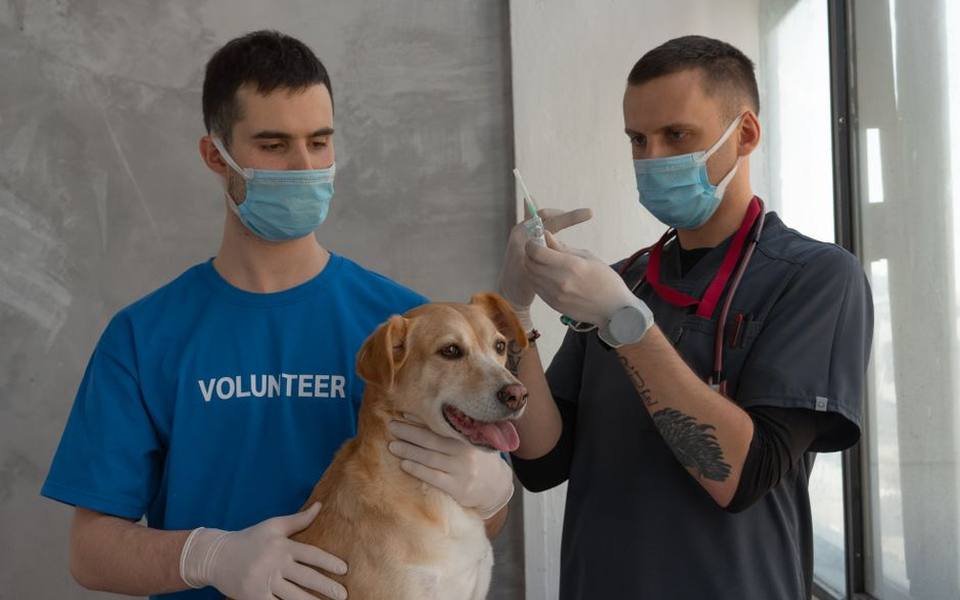
The phrase canal cough is simply an auditory misunderstanding of kennel cough that has circulated among pet parents for generations. Because the words sound nearly identical in casual conversation, many owners search for canal-related hazards, wondering if stagnant ditch water or outdoor canals caused their dog's sudden respiratory distress. While damp environments can harbor bacteria, the illness itself is transmitted directly through airborne droplets or shared bowls rather than swimming in waterways.
Understanding how the condition spreads clarifies why confined social settings present the highest exposure risk. When multiple dogs share an enclosed room, such as during grooming sessions or while boarding over holidays, circulating ventilation systems can carry viral and bacterial particles from one kennel run to another. Even an asymptomatic dog shedding the pathogen can leave viral particles on shared water bowls, toys, or kennel gates that a healthy dog investigates moments later.
This shared air dynamic explains why dogs that spend time in communal spaces need proactive monitoring. Facilities with high turnover experience higher baseline exposure rates, especially when outdoor air exchange is limited. Knowing that crate cough, kennel cough, and misheard phrases all describe the identical upper airway inflammation helps owners focus on proper symptom management rather than searching for exotic or waterborne explanations.
Key Signs and Symptoms to Monitor at Home
The primary symptom of an uncomplicated upper airway infection is a persistent, non-productive hack that sounds forceful, hollow, and dry. Dogs typically exhibit this spasm every few minutes when active, though it may subside while they are resting quietly. Between coughing bouts, a dog with a mild infection generally retains normal energy levels, drinks water consistently, and shows eager interest in their usual meals and treats.

Secondary signs often include mild watery eye discharge, occasional sneezing, and slight clear nasal drippage that resembles a human head cold. As the throat becomes raw from repetitive coughing fits, dogs frequently swallow repeatedly or lick their lips as if attempting to clear an itch in the pharynx. Terminal retching, where the cough ends in a gag that produces clear or slightly white bubbly saliva, remains extremely common throughout the initial week.
Differentiating mild irritation from systemic illness requires watching for subtle behavioral shifts. If a dog becomes reluctant to stand, refuses food for more than twenty-four hours, or develops thick yellow or green discharge from the nostrils, the condition is no longer a simple upper airway issue. Elevated resting respiratory rates above thirty breaths per minute while sleeping soundly also indicate that the infection may have traveled downward into pulmonary structures.
Tracking daily symptoms in a simple notebook helps owners recognize whether the trajectory is improving or worsening. Note how many coughing episodes occur per hour, whether excitement triggers them, and how quickly the dog settles afterward. Providing this timeline to your veterinary team allows them to determine whether outpatient monitoring remains safe or if diagnostic imaging and targeted medications are needed.
Gentle Home Remedies for Mild Throat Irritation
For mild cases where a dog remains bright, alert, and active, supportive home care can soothe inflamed tracheal tissues and ease coughing spasms. Running a cool-mist humidifier near your dog's primary sleeping area adds moisture to dry indoor air, which keeps mucous membranes hydrated and less reactive. Alternatively, bringing your dog into a closed bathroom while you run a hot shower creates a steam room effect that loosens stubborn secretions.
A small spoonful of pure honey can provide a temporary coating action for an irritated throat, helping calm tickling sensations that trigger coughing fits. In most situations, half a teaspoon for small dogs or a full teaspoon for larger breeds, offered two to three times daily, provides gentle comfort. Never administer honey to puppies under one year old due to risks associated with developing immune systems, and ensure the product contains zero additives or artificial sweeteners.
Hydration plays a massive role in thinning respiratory secretions so the canine immune system can clear them efficiently. If your dog seems hesitant to drink cold water, offering warm, low-sodium chicken or beef broth without onions or garlic can encourage fluid intake. Soaking dry kibble in warm water creates a softer texture that slides past a tender, swollen pharynx without scraping the sensitive tissue.
Enforced rest remains the most potent natural remedy available for upper airway healing. Even if your companion feels energetic enough to play fetch, heavy panting pulls dry air rapidly over raw vocal cords and tracheal rings, re-igniting inflammation. Limiting activity to short, slow potty breaks on a loose leash gives the tracheal epithelium uninterrupted time to repair its delicate microscopic cilia.
Veterinary Assessment and Prescription Interventions
A professional veterinary exam becomes essential whenever coughing persists beyond several days, worsens in frequency, or appears alongside lethargy and fever. During an evaluation, the clinician will gently palpate the trachea to gauge sensitivity, listen to lung fields with a stethoscope to check for wheezing or crackles, and take a rectal temperature. If secondary bacterial involvement is suspected, diagnostic chest radiographs may be recommended to verify that lung tissue remains clear.
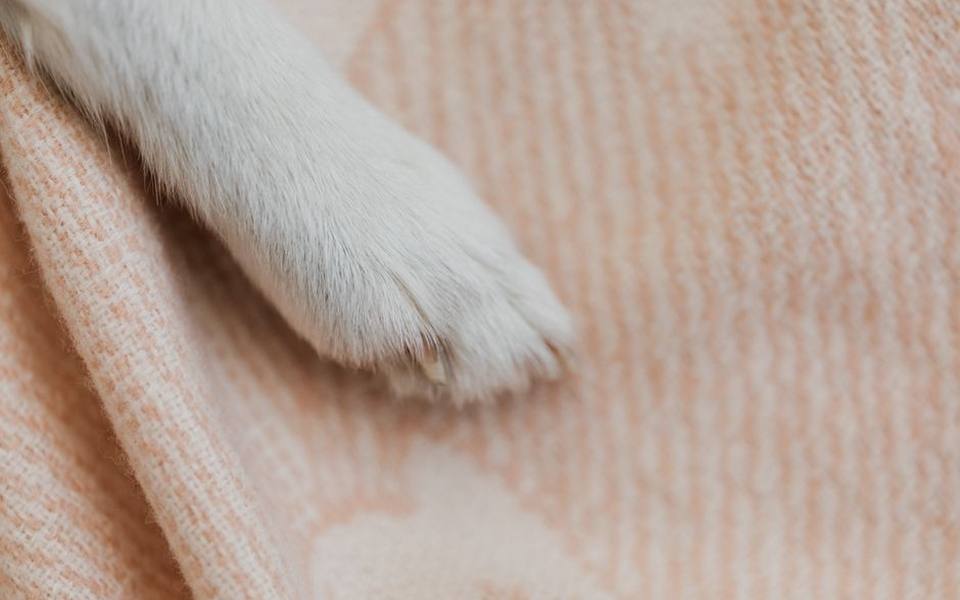
Prescription antimicrobial therapy is not universally required for every coughing dog, as many uncomplicated infections are predominantly viral in nature. However, when Bordetella or secondary bacterial invaders cause substantial purulent discharge or fever, veterinarians typically prescribe broad-spectrum oral antibiotics such as doxycycline, azithromycin, or amoxicillin-clavulanate. Completing the entire prescribed course remains vital, even if the cough diminishes after only three or four days of treatment.
Anti-inflammatory medications, including short courses of corticosteroids or targeted non-steroidal anti-inflammatory drugs, are sometimes used to break intense inflammatory cycles in the upper airway. By bringing down localized swelling in the larynx and tracheal mucosa, these prescription options provide rapid relief from the agonizing urge to hack. These potent pharmaceuticals require precise veterinary dosing based on exact weight and health history.
Owners should never attempt to repurpose leftover antibiotics from a previous illness or another household pet without direct veterinary instruction. Giving an improper antibiotic class can fail to address the specific respiratory pathogen while unnecessarily altering your dog's beneficial gut microbiome. A formal prescription tailored to the dog's clinical presentation ensures the safest, most direct path toward complete recovery.
Understanding Dog Cough Suppressants and Syrups
When persistent coughing prevents a dog from sleeping or causes physical exhaustion, veterinarians often prescribe targeted canine cough medication to suppress the airway reflex. These medications generally fall into two primary categories: prescription antitussives designed for veterinary use and specific over-the-counter options administered strictly under medical supervision. The goal of a cough suppressant is not to eliminate coughing entirely, but to reduce the frequency of spasms so the animal can rest.

Prescription canine antitussives typically contain active ingredients such as butorphanol tartrate or hydrocodone bitartrate combined with homatropine. These controlled pharmaceuticals act directly on the brainstem's cough center to dampen the tickle sensation and relax airway muscles. Because these medications are potent and can cause drowsiness or mild constipation, they are calibrated carefully to each dog's weight and reserved for severe, dry, non-productive coughing episodes.
Over-the-counter human cough syrups present significant hazards and must never be administered without explicit veterinary dosage calculations and ingredient verification. Many commercial cough syrups formulated for people contain acetaminophen, decongestants like pseudoephedrine or phenylephrine, or the artificial sweetener xylitol, all of which are highly toxic to dogs. Even plain dextromethorphan formulations can cause dangerous side effects if combined with other medications or dosed improperly.
If your veterinarian approves an over-the-counter syrup, they will specify the exact pediatric or single-ingredient formulation and provide a milligram-per-kilogram dose. Administering liquids via an oral syringe aimed into the side pouch of the dog's cheek, rather than down the center of the throat, prevents accidental aspiration into the lungs. If a dog coughs up greenish phlegm, suppressants are typically avoided so the airway can naturally expel infectious fluids.
Creating a Low-Stress Recovery Space at Home
Environmental triggers inside the home can prolong airway irritation even when medical treatment is underway. Airborne particulates such as cigarette smoke, wood stove ash, chemical cleaning sprays, scented candles, and essential oil diffusers irritate sensitive bronchial tissues. Keeping the living area well-ventilated with clean, filtered air protects healing tracheal cells from constant re-injury and helps coughing spells taper off more quickly.
Physical temperature shifts can also spark sudden fits in dogs recovering from respiratory illness. Stepping from a heated living room into freezing winter air causes rapid bronchospasm in raw airways, leading to immediate gagging and coughing. During cold weather, keep outdoor elimination breaks brief and consider warming the dog's chest with a light sweater if they must venture outside during severe temperature drops.
Separating the patient from other pets in the home protects both the sick dog and their companions. Cohabitating dogs should sleep in separate rooms, use distinct food and water stations, and avoid sharing chew toys until full recovery is confirmed. This physical barrier not only prevents disease transmission to healthy animals but also stops high-energy wrestling and greeting behaviors that leave recovering dogs breathless.
Bedding should be laundered frequently in hot water using unscented detergents to remove accumulated nasal secretions and saliva. Wash stainless steel or ceramic feeding dishes daily in high-temperature cycles or sanitized soapy water. Providing a plush, supportive dog bed in a low-traffic corner of the house encourages extended periods of deep, restorative sleep, which remains the cornerstone of immune recovery.
Complications, Pneumonia Risks, and Warning Flags
While the majority of healthy adult dogs clear uncomplicated tracheobronchitis within two to three weeks, complications can arise when opportunistic pathogens spread deeper into the lungs. Secondary bacterial pneumonia occurs when bacteria overwhelm compromised cilia in the bronchial tree, leading to fluid accumulation in the alveoli. Young puppies, geriatric dogs, and brachycephalic breeds with flattened facial structures face significantly higher risks of rapid deterioration.
Recognizing early warning flags of lower respiratory disease can save a dog's life. A shift from a dry, hacking honk to a moist, rattling, or muffled cough indicates fluid buildup within pulmonary spaces. If this sound is accompanied by high fever, pale or bluish gums, profound lethargy, or flared nostrils during inhalation, the dog requires immediate emergency veterinary intervention and oxygen support.
Loss of appetite that persists beyond twenty-four hours is another critical metric that demands clinical re-evaluation. While a sore throat may make hard kibble unappealing, a dog with simple tracheobronchitis will usually eat wet food, plain boiled chicken, or savory broths. A total refusal of all food, especially when combined with listlessness or an inability to stand comfortably, points to systemic illness rather than localized tracheal inflammation.
Veterinarians diagnose pulmonary complications using multi-view thoracic radiographs, complete blood cell counts, and sometimes transtracheal washes to culture specific bacterial colonies. Treatment for pneumonia involves intensive care, aggressive intravenous fluid therapy, nebulization, and targeted systemic antibiotics. Catching the transition from upper airway irritation to lung involvement early keeps hospital stays shorter and outcomes more favorable.
Safe Isolation Periods and Clearing the Airway
Determining how long an infected dog remains contagious is essential for preventing neighborhood outbreaks. Pathogens responsible for tracheobronchitis can shed in respiratory secretions for days before symptoms appear and continue shedding long after the audible coughing has stopped. In most cases, dogs shed Bordetella bacteria and parainfluenza virus for anywhere from ten to fourteen days after active symptoms resolve completely.

Certain pathogens, particularly canine respiratory coronavirus or Mycoplasma species, can shed for several weeks depending on the individual animal's immune response. Because owners cannot determine which specific combination of viral and bacterial agents caused their dog's illness without expensive PCR testing, adopting a conservative isolation timeline is the most responsible approach. Plan on keeping your dog strictly at home for at least two full weeks following their final cough.
During this quarantine phase, neighborhood walks should be limited to your own yard or deserted pavement where your dog will not encounter other animals. Avoid communal areas, pet store aisles, grooming salons, and residential elevator rides where airborne droplets linger in enclosed air. If you live in an apartment complex, carry smaller dogs through shared hallways and choose off-peak hours for brief bathroom breaks outside.
Sanitizing your home environment prior to lifting quarantine ensures lingering microorganisms do not reinfect household surfaces. Disinfect leashes, harnesses, hard toys, and crate pans using veterinary-safe sanitizers or diluted bleach solutions rinsed thoroughly with clean water. Throw out soft chew items that cannot be washed, and replace toothbrushes used during oral hygiene routines to start the post-recovery period with clean gear.
Reintroducing Your Dog to Parks and Social Playgrounds
Returning to social play requires complete symptom resolution, veterinary clearance, and an honest assessment of your dog's physical stamina. After spending weeks resting in low-stimulus environments, jumping directly into vigorous off-leash chasing can cause residual tracheal hypersensitivity to flare up. Begin with controlled, leashed strolls around quiet parks to evaluate how your dog handles increased breathing rates without hacking before rejoining group activities.
When choosing the right environment for your dog's return to public recreation, outdoor ventilation makes a tremendous difference in minimizing pathogen transmission. Spacious open grounds such as Fenced Dog Parks provide ample air circulation and allow pets to interact without sharing the confined airspace common to smaller venues. In popular regions with dense pet populations, exploring well-maintained open spaces across Dog Parks in California or expansive grounds among Dog Parks in Texas offers wide-open terrain where dogs can exercise while keeping safe physical distances.
Conversely, enclosed play facilities demand greater caution during peak respiratory illness seasons. While Indoor Dog Parks offer wonderful climate-controlled exercise during bad weather, shared indoor ventilation and high dog turnover can elevate transmission risks for recovering or vulnerable pets. Ensure any indoor facility you visit maintains rigorous air exchange protocols and enforces strict vaccination requirements before taking your dog inside.
Finally, ensure your dog's core vaccinations and lifestyle-specific boosters are fully up to date before frequenting communal dog runs. While the Bordetella vaccine does not cover every possible respiratory virus, it substantially blunts symptom severity and protects against the primary bacterial agent of kennel cough. By combining responsible quarantine periods, thoughtful park selection, and consistent preventive veterinary care, you can safely enjoy group play while keeping the broader canine community healthy.
Published 2026-09-20 · reviewed with each rebuild, last September 2026.
Find dog parks near you
The directory lists 2,936 dog parks by state and city — pick your state or use the “Near me” button in the header.
More guides
-
 Owning
How to Find and Choose the Best Off-Leash Dog Parks
-
 Owning
What Is a Dog Run? Materials, Design, and Setup Guide
-
 Safety
Taking Your Dog Swimming: Safe Water Spots, Beach Rules, and Health Risks
-
 Service
How Much Does Dog Boarding Cost? A Clear Guide to Kennel Rates
-
 Owning
Dog Training Costs, Obedience Classes, and Essential Health Guidelines
-
 Owning
What Is a Reactive Dog? Signs, Triggers, and Management Guide
-
 Owning
A Practical Guide to Pet Adoption, Surrender Realities, and Essential Daily Care
-
 Safety
How to Safely Exercise and Run with Your Dog: Essential Gear and Conditioning Tips
-
 Safety
Comprehensive Guide to Dog Flea and Tick Treatments: Oral, Topical, and Natural Solutions
-
 Owning
A Complete Practical Guide to Dog Beaches: Top Coastal Spots and Beach Safety
-
 Owning
Dog Car Seat Covers and Hammocks: Choosing the Best Vehicle Protection
-
 Owning
Understanding the Canine Heat Cycle: Phases, Physical Symptoms, and Female Care
-
 Owning
Essential Dog Hiking Gear: Backpacks, Hands-Free Leashes, and First Aid Kits
-
 Owning
Dog Agility Courses, Private Park Rentals, and Training Facilities: How to Choose the Right Space
-
 Service
Self-Service Dog Wash Stations: Equipment, Costs, and Practical Guide
-
 Buying
Automatic and Manual Dog Ball Launchers: How to Choose the Right Setup for Your Dog
-
 Safety
Complete Guide to Dog Flea and Tick Medications: Chews, Topicals, and Treatments
-
 Safety
Natural Flea and Tick Remedies for Dogs: Practical Home Solutions and Safe Use
-
 Safety
Safe Flea and Parasite Treatments for Puppies Under 12 Weeks
-
 Owning
Dog Poop Bags, Dispensers, and Leash Gear for Everyday Walks
-
 Owning
Ultimate Guide to Finding and Visiting Dog Parks and Dog-Friendly Beaches
-
 Safety
Dog Flea and Tick Guide: Comparing Chews, Topicals, Shampoos, and Injections
-
 Owning
A Homeowner's Guide to Backyard Dog Runs, Enclosures, and Exercise Treadmills
-
 Owning
A Complete Guide to Hiking, Camping, and Outdoor Adventures With Dogs
-
 Owning
Dog Health Guide: Giardia Symptoms, Canine Coughs, and Female Heat Cycles
-
 Safety
Understanding Dog Reactivity and Resource Guarding: Training Methods, Daily Management, and Gear
-
 Buying
Dog Car Seat Covers, Hammocks, and Travel Gear: A Practical Buyer's Guide
-
 Buying
Choosing the Right Automatic Ball Launcher and Backyard Play Gear for Active Dogs
-
 Owning
Self-Serve Dog Wash Stations, Towels, and Waste Management
-
 Safety
Complete Dog Flea and Tick Prevention Guide: Chews, Topicals, and Treatments
-
 Owning
Dog Friendly Beaches, Parks, and Travel Destination Guide
-
 Safety
Essential Outdoor Dog Gear: Harnesses, Life Vests, Hot Pavement Boots, and Bags
-
 Safety
Dog Park Safety Guide: Rules, Aggression, First Aid, and Kennel Cough Symptoms
-
 Safety
Comprehensive Guide to Dog and Cat Flea, Tick, and Heartworm Medications
-
 Owning
Designing Home Dog Runs, Agility Courses, and Backyard Play Equipment
-
 Owning
Choosing the Best Car Seat Covers, Hammocks, and Backseat Protectors for Dogs
-
 Buying
Dog Ball Launchers and Automatic Throwers: Selection, Sizing, and Field Guide
-
 Safety
Dog-Safe Yard Care: Pet-Friendly Lawn Fertilizers and Pest Sprays
-
 Owning
Dog Heat Cycles: Symptoms, Duration, and Care During Estrus