How Ball Launchers and Throwers Fit Modern Exercise Needs
Choosing between a handheld ball thrower and an automated motorized launcher depends primarily on your dog's energy level, your physical stamina, and where you play. While traditional handheld plastic tossing arms rely entirely on your shoulder mechanics, modern battery-operated and mechanical units propel balls mechanically to achieve consistent distances. High-drive working breeds and retriever lines often require hundreds of yards of running before they reach mental satisfaction, which can quickly exhaust an owner's arm. Mechanical and automatic devices standardize that effort, providing steady exercise cycles without strain.
Manual throwers, trigger-operated spring blasters, and motorized dual-wheel machines serve distinct roles depending on the play setting. A manual curved tosser excels across expansive grass fields where human aim directs the trajectory away from hazards. In contrast, an automatic tennis ball launcher for dogs operates from a stationary base, making it suitable for backyard repetition or self-directed fetch once a dog learns how to reload the hopper. Recognizing these mechanical differences prevents owners from purchasing an over-powered machine for a small patio or a fragile toy for a powerful adult retriever.
Safety and dog mechanics should always guide equipment choices before aesthetics or automated novelty. A dog chasing a ball launched at high velocity subjects its carpal joints, hocks, and spinal column to rapid deceleration and abrupt rotational torque. Whether you use a manual stick or an auto tennis ball launcher, understanding how ball trajectory, ground surface texture, and launch velocity interact is essential. Matching the right tool to your dog's size, jaw strength, and endurance level ensures intense fetch sessions remain physically constructive rather than hazardous.
Manual Curved Tossers Versus Handheld Spring Blasters
Manual curved-arm wands remain the benchmark for simplicity, long-range throwing, and zero mechanical failure. Constructed from flexible polymer, a standard ball thrower acts as an extension of the human arm, utilizing leverage and centripetal force to fling standard tennis balls sixty to eighty feet with minimal shoulder torque. These tools require no batteries, withstand rain and mud, and allow the user to scoop up wet, saliva-coated balls hands-free straight from the turf. For broad fields and straightforward cardio sessions, their reliability across all weather conditions remains unmatched.
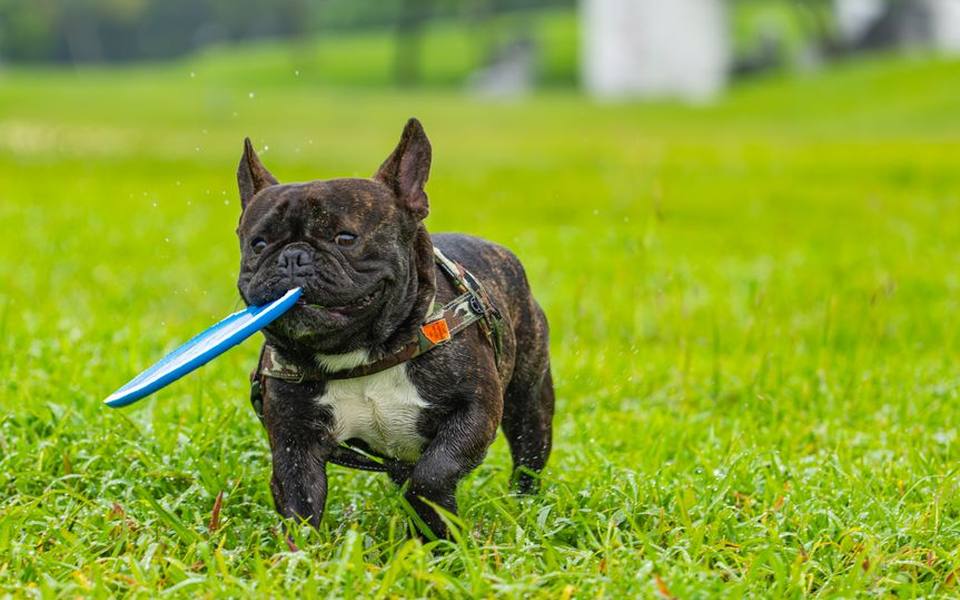
Spring-loaded and elastic-powered handheld units, frequently modeled after the style of a nerf ball blaster or trigger shooter, introduce a mechanical launch without electrical components. An operator pulls back a cocking slide or internal spring lever, seats the ball into the barrel muzzle, and depresses a trigger to propel the ball forward. These trigger units offer predictable linear velocity and a tactile shooting dynamic that appeals to owners who struggle with the wrist-snapping motion needed for curved plastic sticks. They also allow precise horizontal aim across flat terrain.
However, mechanical spring blasters feature internal springs and release catches that can gather dirt, sand, and fine debris over time. While an arm-style tennis ball thrower for dogs can be rinsed off with a garden hose or wiped clean instantly, handheld blasters require periodic maintenance to prevent trigger jams and spring rust. They also tend to be bulkier to carry on walking trails. Choosing between them usually comes down to whether you prefer an ergonomic swing motion or a seated, trigger-activated launch stroke during outdoor play.
Motorized Automatic Launchers and Internal Mechanics
An automatic tennis ball launcher operates using either high-speed counter-rotating elastomer wheels or a mechanical spring-driven kicker arm housed inside a protective plastic chassis. Counter-rotating wheel units are the most prevalent in modern pet gear; as a ball rolls down the intake chute, it contacts two motorized spinning wheels that compress the rubber core and accelerate it out the discharge barrel. These units typically feature multiple distance dials and angle adjustments, allowing owners to customize the trajectory between eight feet for indoor hallways and over thirty feet for open ground.
The primary appeal of an auto tennis ball thrower for dogs is continuous play and independent mental stimulation. Once a dog learns to drop the ball directly into the intake funnel, the unit sounds an audible alert tone, spins the propulsion flywheels up to operating speed, and fires automatically after a brief pause. This cycle transforms fetch from an owner-dependent task into a stimulating puzzle where the animal manages its own retrieve-and-reload rhythm. The mechanical consistency helps high-drive dogs establish predictable pacing during their workout.
Despite their convenience, automated systems require adequate open space and strict supervision during early introduction. The internal motors generate high rotational torque, meaning foreign objects, rocks, or damaged balls dropped into the chute can damage internal axles or jam the drive belt. Higher-end automatic tennis ball launcher for dogs designs incorporate optical sensor arrays near the hopper and barrel throat, halting motor rotation if a dog's muzzle hovers too close to the firing portal. Investing in models with comprehensive safety cutoffs prevents accidental facial impacts during rapid returns.
Sizing Differences for Small Breeds and Miniature Balls
Small canine breeds require specialized equipment calibrated to their physiological limitations, jaw measurements, and running strides. Standard two-and-a-half-inch tennis balls present an immediate choking and jaw fatigue hazard for toy breeds such as Chihuahuas, Pomeranians, and miniature Dachshunds. Compact launchers designed specifically for small dogs employ scaled-down felt or synthetic balls measuring roughly 1.5 to 2 inches in diameter. These reduced dimensions permit proper oral capture without hyperextending the dog's temporomandibular joint or obstructing its airway while running.
Propulsion velocity in miniature throwers is tuned specifically for lower body mass and shorter sightlines. Firing a ball at thirty miles per hour toward an eight-pound dog can cause blunt trauma or induce severe noise aversion. Compact auto tennis ball launcher units engineered for small breeds usually top out around ten to fifteen feet of travel, making them well-suited for living rooms, finished basements, or climate-controlled indoor dog parks during harsh winter conditions. The internal motors run significantly quieter, reducing the auditory startle response common in smaller dogs.
When shopping for small-dog throwers, verify whether the loading chute accommodates third-party miniature balls or demands proprietary manufacturer cartridges. Certain mini blasters and shooters require exact outer-diameter tolerances to seat properly against internal flywheels. If the loading hopper cannot clear slightly irregular compressed rubber balls, jams occur frequently. Opting for machines that accept standardized mini tennis balls ensures you can replace lost ammunition easily without having to discard the entire unit.
High-Output Launchers for Large, High-Drive Dogs
Large breeds such as Belgian Malinois, German Shepherds, and Labrador Retrievers possess substantial lung capacity and extended muscle power, requiring wide operating ranges. A dog ball launcher large setup must reliably propel standard or oversized regulation balls between thirty and fifty feet to provide meaningful cardiovascular exertion. Standard lightweight blasters designed for casual backyards often fail to challenge these powerful dogs, who can close a twenty-foot gap in a single second. Large-capacity throwers provide the vertical arc and flight duration needed for high-speed tracking.
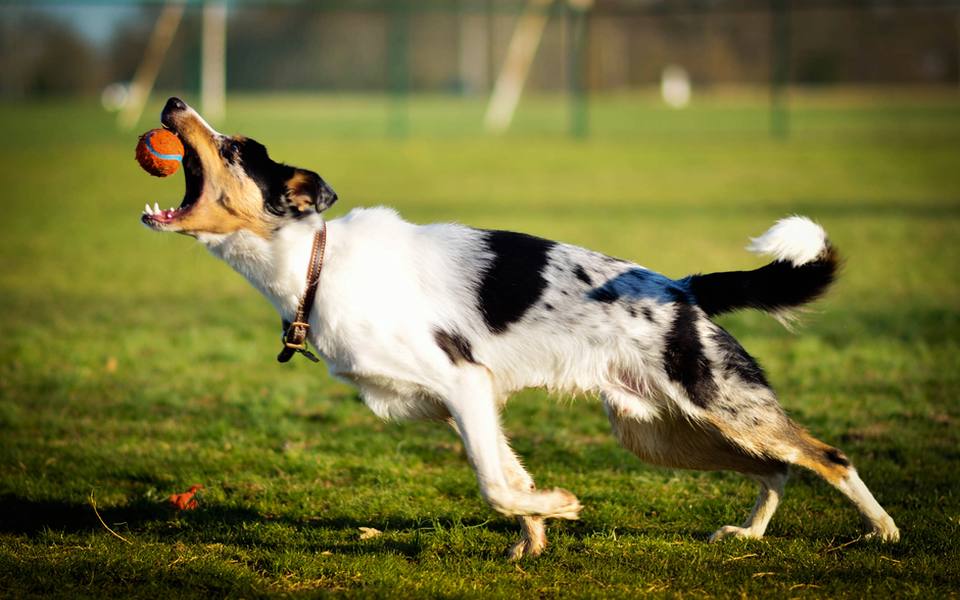
Structural durability is a paramount consideration when selecting gear for large working breeds. Powerful dogs routinely bite down on tennis balls with immense force, saturating the felt lining with thick saliva and deforming the internal core into an oval. A commercial-grade auto tennis ball thrower for dogs built for large breeds features broad internal tolerances, heavy-duty drive belts, and high-torque electric motors capable of launching compressed, wet balls without stalling. Flimsy personal launchers with narrow plastic barrels will repeatedly seize under these harsh conditions.
Ball composition also plays an important role when dealing with heavy chewers using mechanical launchers. Standard commercial tennis balls contain abrasive felt fibers that act like sandpaper against canine dental enamel over years of high-volume fetch. For powerful breeds, pair your heavy-duty tennis ball shooter for dogs or field launcher with smooth, natural rubber retriever balls that fit the launcher's inner barrel diameter. Rubber balls maintain structural spherical integrity under extreme bite pressure, protect tooth enamel, and consistently yield greater launch distances due to improved mechanical grip.
Power Supplies, Battery Management, and Field Portability
Power versatility determines how and where you can deploy an automated thrower. Most home-grade automated units operate on dual power sources: a standard alternating-current wall adapter for indoor use and internal battery trays for remote outdoor sessions. Units that accept standard D-cell alkaline batteries offer easy off-grid operation, but frequent use can become expensive and generate significant waste over time. Owners who visit remote open pastures often favor machines equipped with built-in rechargeable lithium-ion battery packs that can be charged via USB or vehicle auxiliary ports.
Cold temperatures, uneven grass, and damp soil significantly diminish field battery runtime. In cold weather, standard alkaline cells lose voltage efficiency, which reduces flywheel spin rates and cuts launch distances in half. If you are operating an automatic tennis ball launcher in wet winter conditions, keeping spare battery packs warm inside your coat or vehicle prevents sudden power loss. Furthermore, units with heavier motor assemblies demand substantial peak amperage during flywheel spin-up, so using premium high-drain batteries maintains consistent throwing distances across an entire forty-minute workout.
Portability features such as molded grab handles, low overall machine weight, and water-resistant control panels simplify transport to training fields. If you regularly exercise your pet across expansive regional areas, such as the numerous public spaces found in dog parks across California or the sprawling acreage in Texas dog parks, hauling a ten-pound launcher through uneven terrain becomes cumbersome without an integrated carry strap. Prioritizing compact footprints and sealed battery compartments ensures your equipment withstands dust, moisture, and transport vibrations intact.
Training Your Dog for Independent and Safe Reloading
Teaching a dog to operate an automated launcher independently requires systematic behavioral shaping broken into distinct criteria. Dogs naturally want to return a retrieved ball directly to their owner's hands rather than a plastic hopper. Begin by placing the machine in the off position, rewarding your dog with high-value treats every time it approaches and touches its nose to the intake rim. Next, shape the release command directly over the wide hopper opening, marking the exact moment the ball drops free with a verbal cue or clicker.
Desensitizing the animal to machine motor noise and mechanical clicks must occur before activating the launch cycle. The sudden whining sound of spinning propulsion flywheels and the mechanical clunk of an internal release lever can startle sensitive dogs, causing them to drop the ball and retreat. Run the empty machine on its lowest speed setting while offering calming reinforcement nearby. Pair the activation whine with positive outcomes so your dog learns that the mechanical sound signals an impending throw rather than an environmental threat.
The most critical safety protocol is training a mandatory physical buffer zone in front of the machine. An overeager dog may stand directly over the barrel muzzle, anticipating the exit path, which exposes its face to high-velocity impact. Use a place mat or target marker situated several yards behind or to the side of the machine, teaching the dog to drop the ball into the top funnel and immediately retreat to the marker. Only when the dog consistently respects this standoff distance should you raise the launcher to maximum power.
Managing Slobber, Sand, and Mechanical Jams
Canine saliva mixed with fine dirt is the leading cause of mechanical failures in motorized and spring-powered launchers. When a dog retrieves a tennis ball from wet turf, the outer felt nap absorbs moisture and collects sand particles. As this wet slurry passes between high-speed rubber flywheels, moisture transfers directly to the drive axles, reducing friction and causing propulsion slip. In severe cases, wet balls slide uselessly between spinning rollers without gaining traction, or the launcher spits the ball out a mere two feet.
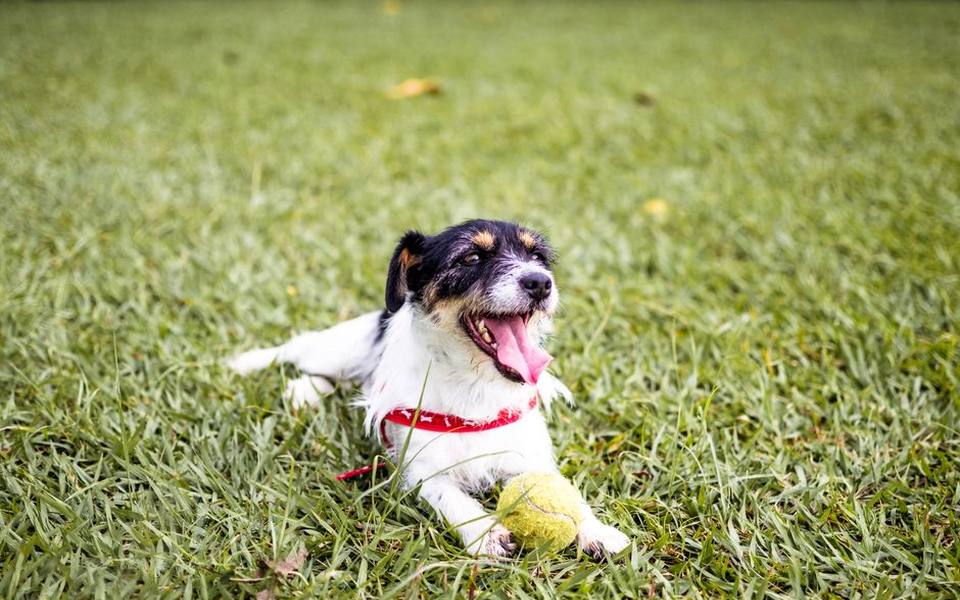
Routine cleaning and preventative ball rotation preserve the internal hardware of an automatic tennis ball launcher for dogs. Always carry four to six identical balls during a fetch session, cycling dry balls into play while allowing soaked balls to air-dry in a mesh sack. For manual handheld devices like a spring-driven tennis ball launcher nerf model, periodically inspect the internal spring channel for grit accumulation. Rinsing plastic wands and wiping down mechanical rubber drive wheels with an alcohol-free damp microfiber towel removes dried saliva film and restores wheel grip.
Using non-abrasive, closed-cell foam or solid thermoplastic elastomer balls drastically cuts down on machine jamming. Unlike traditional felt-covered sporting balls, closed-cell materials repel moisture, preventing mud and water from infiltrating the ball's interior core. These modern balls wipe completely clean with a single swipe of a towel, ensuring your auto tennis ball launcher maintains uniform throwing distance regardless of wet pasture conditions. They also eliminate the buildup of damp fibers inside the internal chute housing.
Selecting Appropriate Environments for Launch Play
Operating high-velocity ball throwers requires careful assessment of your immediate surroundings to avoid behavioral conflicts and collisions. High-drive dogs tracking a ball entering low-altitude flight often develop tunnel vision, ignoring perimeter fences, rough obstacles, and nearby people. When introducing a powerful mechanical shooter or manual arm tosser, choose wide-open turf areas free of surface holes, exposed tree roots, and hidden irrigation hardware. Level ground protects the dog's anterior cruciate ligaments and paw pads during sudden emergency stops.
Community dog areas have specific behavioral dynamics that dictate whether launchers are appropriate. In busy shared spaces, bringing out an automated ball thrower can trigger competitive pack arousal, resource guarding, or dog fights over ball possession. For safe, uninterrupted high-velocity retrieving, owners typically seek out fully fenced off-leash dog parks during low-traffic hours where other animals will not disrupt the exercise cycle. Secure boundary fencing ensures that an errant launch trajectory does not carry the ball into active traffic corridors.
Weather conditions and water hazards also dictate equipment use. Launching balls near lakes, rivers, or regional dog parks with water features requires caution, as mechanical launchers should never be exposed to standing water or submerged. If your dog loves water retrieving, stick to manual floating bumpers and plastic arm tossers. Save your battery-powered launchers and delicate spring-cocking blasters for dry meadows, manicured athletic turf, and secure residential yards.
Evaluating Build Quality, Safety Sensors, and Value
When balancing cost against longevity, inspect the fundamental materials used in the chassis, launch chute, and internal gearing. Entry-level manual curved throwers typically cost very little and last for years, whereas complex motorized launchers range considerably in price depending on their motor quality, sensor arrays, and weatherproofing. Avoid automated units constructed from brittle, thin polystyrene that can crack if tipped over by an excited dog. High-impact ABS plastic enclosures withstand paw strikes, accidental drops, and field wear far more effectively.
Electronic safety features represent another crucial differentiator in premium automatic ball throwers. Advanced models integrate infrared motion sensors across the barrel path, preventing the internal kicker or spinning wheels from cycling if a dog or human stands within the direct line of fire. Other useful electronic options include automated rest timers that shut down the unit for fifteen minutes after a period of continuous play. These cycles prevent overzealous retrievers from running themselves into heat exhaustion or physical distress without the owner noticing.
Ultimately, the ideal setup aligns with your dog's size, your local climate, and your willingness to maintain the equipment. Handheld manual throwers remain irreplaceable staples for long-distance off-grid exercise, while motorized automatic launchers provide unmatched indoor and backyard mental stimulation. By selecting the correct ball diameter, monitoring surface conditions, and teaching your pet safe loading manners, you ensure that fetch remains a safe, durable, and rewarding daily routine for years to come.
Published 2026-09-20 · reviewed with each rebuild, last September 2026.
Find dog parks near you
The directory lists 2,936 dog parks by state and city — pick your state or use the “Near me” button in the header.
More guides
-
 Owning
How to Find and Choose the Best Off-Leash Dog Parks
-
 Owning
What Is a Dog Run? Materials, Design, and Setup Guide
-
 Safety
Taking Your Dog Swimming: Safe Water Spots, Beach Rules, and Health Risks
-
 Service
How Much Does Dog Boarding Cost? A Clear Guide to Kennel Rates
-
 Owning
Dog Training Costs, Obedience Classes, and Essential Health Guidelines
-
 Owning
What Is a Reactive Dog? Signs, Triggers, and Management Guide
-
 Owning
A Practical Guide to Pet Adoption, Surrender Realities, and Essential Daily Care
-
 Safety
How to Safely Exercise and Run with Your Dog: Essential Gear and Conditioning Tips
-
 Safety
Comprehensive Guide to Dog Flea and Tick Treatments: Oral, Topical, and Natural Solutions
-
 Safety
Kennel Cough in Dogs: Symptoms, Home Remedies, and Prescription Treatments
-
 Owning
A Complete Practical Guide to Dog Beaches: Top Coastal Spots and Beach Safety
-
 Owning
Dog Car Seat Covers and Hammocks: Choosing the Best Vehicle Protection
-
 Owning
Understanding the Canine Heat Cycle: Phases, Physical Symptoms, and Female Care
-
 Owning
Essential Dog Hiking Gear: Backpacks, Hands-Free Leashes, and First Aid Kits
-
 Owning
Dog Agility Courses, Private Park Rentals, and Training Facilities: How to Choose the Right Space
-
 Service
Self-Service Dog Wash Stations: Equipment, Costs, and Practical Guide
-
 Buying
Automatic and Manual Dog Ball Launchers: How to Choose the Right Setup for Your Dog
-
 Safety
Complete Guide to Dog Flea and Tick Medications: Chews, Topicals, and Treatments
-
 Safety
Natural Flea and Tick Remedies for Dogs: Practical Home Solutions and Safe Use
-
 Safety
Safe Flea and Parasite Treatments for Puppies Under 12 Weeks
-
 Owning
Dog Poop Bags, Dispensers, and Leash Gear for Everyday Walks
-
 Owning
Ultimate Guide to Finding and Visiting Dog Parks and Dog-Friendly Beaches
-
 Safety
Dog Flea and Tick Guide: Comparing Chews, Topicals, Shampoos, and Injections
-
 Owning
A Homeowner's Guide to Backyard Dog Runs, Enclosures, and Exercise Treadmills
-
 Owning
A Complete Guide to Hiking, Camping, and Outdoor Adventures With Dogs
-
 Owning
Dog Health Guide: Giardia Symptoms, Canine Coughs, and Female Heat Cycles
-
 Safety
Understanding Dog Reactivity and Resource Guarding: Training Methods, Daily Management, and Gear
-
 Buying
Dog Car Seat Covers, Hammocks, and Travel Gear: A Practical Buyer's Guide
-
 Buying
Choosing the Right Automatic Ball Launcher and Backyard Play Gear for Active Dogs
-
 Owning
Self-Serve Dog Wash Stations, Towels, and Waste Management
-
 Safety
Complete Dog Flea and Tick Prevention Guide: Chews, Topicals, and Treatments
-
 Owning
Dog Friendly Beaches, Parks, and Travel Destination Guide
-
 Safety
Essential Outdoor Dog Gear: Harnesses, Life Vests, Hot Pavement Boots, and Bags
-
 Safety
Dog Park Safety Guide: Rules, Aggression, First Aid, and Kennel Cough Symptoms
-
 Safety
Comprehensive Guide to Dog and Cat Flea, Tick, and Heartworm Medications
-
 Owning
Designing Home Dog Runs, Agility Courses, and Backyard Play Equipment
-
 Owning
Choosing the Best Car Seat Covers, Hammocks, and Backseat Protectors for Dogs
-
 Safety
Dog-Safe Yard Care: Pet-Friendly Lawn Fertilizers and Pest Sprays
-
 Owning
Dog Heat Cycles: Symptoms, Duration, and Care During Estrus