Understanding Natural Flea and Tick Control
Managing external parasites without synthetic chemicals requires a fundamental shift in expectations. Conventional veterinary spot-on drops and systemic chews work by circulating active neurotoxins through the bloodstream or skin lipids, killing parasites quickly after contact or a bite. Natural approaches, on the other hand, focus primarily on deterrence, disruption of the environment, and manual removal. They rarely offer a permanent single-dose cure, which means consistent daily or weekly effort is usually necessary to maintain an effective barrier.
The life cycle of the common flea explains why single applications of home treatments often seem to fail. Adult fleas on your dog account for only a tiny fraction of the total population present in the immediate environment. The vast majority exist as invisible eggs, larvae, and pupae nested in rugs, furniture, bedding, and baseboards. Any holistic plan must interrupt this entire reproductive cycle rather than solely focusing on the insects currently crawling through your dog's topcoat.
Ticks present a different biological challenge because they hunt by questing on blades of tall grass and brush rather than infesting domestic carpeting. While fleas jump onto a host and remain there to feed and reproduce, ticks latch on temporarily to take a blood meal before dropping off to molt or lay eggs in leaf litter. Repelling ticks naturally involves scent camouflage and surface tension barriers that discourage them from clinging to hair shafts during walks.
Homemade Topical Sprays and Citrus Rinses
A widely used home deterrent combines raw, unfiltered apple cider vinegar with pure water in an equal ratio. Fleas and ticks rely on delicate sensory organs to identify suitable warm-blooded hosts, and the acidic aroma of fermented vinegar masks the natural scent of canine skin. Lightly misting your dog's belly, legs, and tail base before heading outside creates an inhospitable environment without depositing harsh chemicals. Always avoid spraying anywhere near the eyes, nose, or open skin abrasions.

Citrus compounds contain natural repellents, specifically limonene, which naturally deters small biting insects. You can create a mild botanical wash at home by slicing fresh lemons thinly, steeping them in boiling water overnight, and straining the cooled liquid into a clean spray bottle. Applying this citrus infusion to the coat leaves a clean scent while discouraging parasites from settling. However, this rinse must be diluted properly, as concentrated citrus extracts can dry out sensitive canine dermis.
Carrier oils enriched with canine-safe essential oils like cedarwood or rose geranium can form a natural barrier for outdoor excursions. Rose geranium oil has gained a solid reputation among hikers for discouraging woodland ticks, while cedarwood oil helps suffocate and deter active fleas. Essential oils must always be diluted heavily in a neutral base, such as sweet almond or jojoba oil, using no more than a few drops per ounce, because an undiluted essential oil can easily cause severe topical irritation.
Herbal Deterrents and Botanical Infusions
Botanical rinses made from fresh culinary herbs offer a gentle way to soothe inflamed skin while turning the coat into an unappealing surface for parasites. Fresh rosemary, lavender, and chamomile can be boiled together in water to create a strong tea. Once thoroughly chilled and strained, this herbal tea can be poured over the dog after regular washing as a final leave-in rinse. Rosemary contains aromatic volatile oils that pests instinctively avoid, while chamomile calms the itching caused by past bites.
Fresh culinary herbs work well because they do not carry the high concentration risks associated with extracted essential oils. However, botanical selection demands caution because several common plants are distinctly toxic to canines. For instance, pennyroyal has an extensive history in folklore as an insect deterrent, but its active compounds can cause profound hepatic failure in dogs even in relatively modest doses. Similarly, undiluted tea tree oil should never be rubbed into a dog's skin due to neurotoxicity risks.
Witch hazel makes an outstanding astringent base for botanical herbal sprays, particularly for dogs that dislike the strong smell of cider vinegar. Combining alcohol-free witch hazel with boiled rosemary water yields an evaporating mist that cools hot, irritated patches of skin while dispersing a fine layer of herbal deterrent. You can store these botanical teas in the refrigerator for up to ten days before discarding any remaining liquid to prevent bacterial mold growth.
Gentle Solutions for Young Puppies
Treating fleas on very young puppies requires extraordinary care because their underdeveloped organs cannot process conventional topical chemicals or concentrated botanical oils. Even mild essential oils like lavender or diluted apple cider vinegar can irritate a puppy's delicate skin or overwhelm their developing respiratory tract. For puppies under eight to ten weeks of age, physical removal methods and thermal management are the safest ways to eliminate an infestation without risking chemical toxicosis.
A warm water bath using a gentle, fragrance-free puppy shampoo or regular castile soap is typically the first line of defense for infested youngsters. Before wetting the puppy's body, create a ring of soap lather around the neck and throat to prevent parasites from migrating upward to hide on the face and inside the ears. Gently submerge the pup's body in warm water, massage the lather deeply down to the skin, and let it sit for a few minutes before rinsing thoroughly.
After toweling the puppy completely dry to prevent chilling, spend time using a fine-toothed metal flea comb over every section of the coat. Keep a small bowl of hot soapy water nearby to immediately dunk the comb, which traps and drowns the insects before they can jump back into the fur. Regular combing sessions, repeated twice a day alongside frequent changes of clean, freshly laundered puppy bedding, will gradually clear the litter without introducing unnecessary physiological stress.
Mechanical Removal and the Bathing Routine
Water and physical soap action remain two of the most effective mechanical cures for adult fleas living on an older dog. Fleas have a waxy outer cuticle that allows them to trap air and float on pure water, escaping baths unharmed. Common liquid dish soaps or gentle castile formulas work by drastically breaking water surface tension, which penetrates this protective wax layer and drowns the insects in minutes. This mechanical approach bypasses any chemical resistance that modern insect populations develop over generations.
Bathing frequency must be managed thoughtfully to protect the dog's natural skin barrier. Stripping the coat with frequent soaping can induce dry, flaking skin, leading to chronic scratching that mimics flea bites. Aim to bathe an infested dog no more than once a week during peak outbreaks, relying on a dedicated metal flea comb for daily maintenance in between wet washes. High-grade combs feature closely spaced teeth that pull out both live adults and dark, gritty flea dirt.
To make mechanical combing as productive as possible, establish a calm routine on a light-colored towel or hard floor where fallen pests can be spotted instantly. Pay careful attention to the groin, armpits, base of the neck, and the dorsal strip leading down toward the base of the tail, where parasites naturally congregate. Dunking the comb into soapy water after every two or three strokes ensures that trapped insects cannot leap away back into the room.
Food-Grade Diatomaceous Earth and Bedding Management
Treating the dog directly solves only half the equation if the surrounding home environment remains populated with developing insect larvae. Food-grade diatomaceous earth is a natural powder composed of microscopic, fossilized silicates that works mechanically rather than chemically. When crawling pests contact the microscopic shards, the powder absorbs the protective lipids from their outer shells, causing them to dehydrate and expire within several days. It provides a non-toxic way to treat indoor spaces without aerosol pesticides.

Application of diatomaceous earth requires careful handling to prevent respiratory irritation for both humans and household pets. You should always select strictly food-grade material, never pool-grade filter powder, which contains crystalline silica harmful to lung tissue. Lightly dust the powder into carpet fibers, under furniture cushions, along baseboards, and over sleeping areas while pets are outdoors. Allow the dust to settle undisturbed for several hours before vacuuming thoroughly with a machine fitted with a high-efficiency filter.
Washing all dog bedding in hot water followed by a high-heat drying cycle is an indispensable home remedy that neutralizes flea eggs before they can hatch. Because the pupal stage of the insect is protected by an impervious cocoon that resists environmental powders, regular agitation in hot water is the most reliable way to clear these developing reservoirs. Empty your vacuum canister or dispose of vacuum bags into outdoor trash bins immediately after cleaning to prevent surviving insects from crawling out.
Homeopathic Options and Dietary Additions
Many dog owners explore dietary additions to build natural internal resistance against parasites, with brewer's yeast and small amounts of garlic frequently discussed in holistic communities. The theory suggests that B-complex vitamins alter the dog's skin odor, making the animal less appealing to biting pests. While anecdotal accounts remain abundant, scientific trials demonstrate mixed outcomes, suggesting dietary supplements should be viewed as mild adjuncts rather than standalone antiparasitic treatments.
Safety considerations are vital when incorporating dietary remedies like fresh garlic. High quantities of plants from the Allium family contain thiosulfate, a compound that can damage canine red blood cells and induce hemolytic anemia. While tiny, measured slivers of fresh garlic are tolerated by some larger dogs under professional guidance, arbitrary supplementation is risky. Commercial canine yeast tablets formulated specifically for pets provide a much safer alternative for testing whether dietary scent modification helps deter local insects.
Homeopathic preparations, such as diluted pellets of sulfur or Ledum palustre, are often administered by holistic practitioners seeking to balance an animal's constitution and reduce susceptibility to bug bites. These tiny remedies contain energetic dilutions of base substances and carry minimal risk of chemical interaction or toxicity. However, relying exclusively on homeopathic pellets during a full-blown flea infestation can permit the population to balloon unchecked, leading to severe dermatitis if environmental controls are neglected.
Yard Management and Outdoor Environmental Controls
Outdoor environments frequently replenish parasite populations, rendering home remedies ineffective if the perimeter is ignored. Beneficial nematodes, which are microscopic, naturally occurring roundworms applied through a garden hose sprayer, actively seek out and consume flea larvae in moist soil without harming plants, earthworms, or domestic pets. Distributing these biological controls across shady, damp lawn patches and under ornamental shrubs significantly thins out local populations before they reach your doorstep.
Modifying physical landscaping reduces tick habitat dramatically around your yard. Ticks thrive in high relative humidity and avoid sunny, manicured lawns that dry out quickly in the midday heat. Keeping turf grass mowed short, clearing away rotting leaf litter along fence lines, and pruning low-hanging branches eliminate the humid resting zones that questing ticks require to survive between hosts. Creating a gravel or cedar woodchip barrier between wooded acreage and play turf deters them from crossing into family spaces.
Cedar mulch serves as a natural deterrent when placed around outdoor kennels, garden pathways, and resting porches. The aromatic phenols naturally present in virgin cedar heartwood repel ticks and inhibit flea activity without the addition of synthetic chemical treatments. Refreshing woodchips each spring maintains an aromatic perimeter that shields your dog from wandering pests during casual backyard play.
Navigating Public Play Spaces and Post-Walk Checks
Taking your dog out for exercise requires balancing socialization with parasite exposure risks, especially during warm weather peaks. Heavily wooded trails, high prairie meadows, and untrimmed brush lines are prime habitats where questing ticks wait to latch onto passing fur. In contrast, choosing well-managed fenced dog parks that maintain close-cut turf and clear boundaries reduces the odds of your dog brushing against wild brush where parasites congregate.
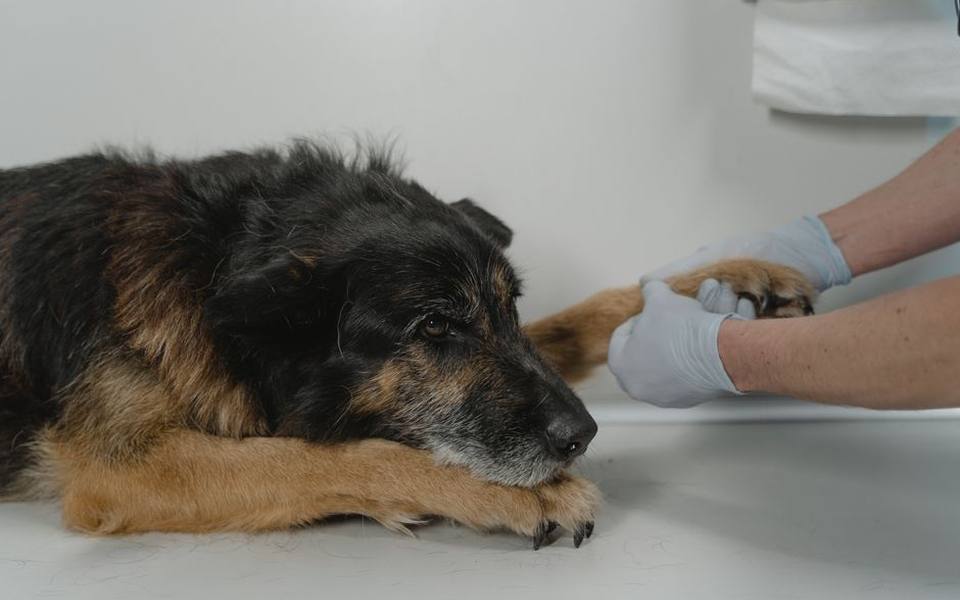
Regional weather patterns dictate parasite density across public grounds. Dog owners visiting dog parks in Florida or other southern regions frequently contend with year-round flea populations, while northern regions experience intense tick flushes throughout humid spring thaws and late autumns. When wet weather turns grassy fields muddy, choosing indoor dog parks with artificial turf or rubberized flooring can offer a cleaner exercise alternative that eliminates outdoor parasite contact altogether.
If your active dog enjoys swimming or splashing through shallow creeks at dog parks with water features, remember that moist shoreline reeds often hold concentrated pockets of ticks. Establish a thorough physical inspection routine the moment you return to the car or front porch. Use your fingers to palpate deep within the fur around the ears, beneath the collar, between each toe pad, and across the groin, where ticks frequently attempt to anchor undetected.
Recognizing When Natural Remedies Are Not Enough
While natural deterrents provide a gentler footprint for general maintenance, owners must recognize when an infestation surpasses the scope of home care. Flea Allergy Dermatitis is an intense immune reaction where a single bite from a flea saliva protein triggers widespread hypersensitivity. Dogs suffering from this condition will bite themselves raw, leaving inflamed hotspots, localized hair loss, and open scabs that quickly invite secondary bacterial and yeast infections requiring targeted veterinary intervention.
Ticks pose distinct clinical hazards by transmitting severe systemic illnesses, including Lyme disease, anaplasmosis, and ehrlichiosis. If you remove an engorged tick and observe subsequent lethargy, joint stiffness, shifting lameness, or a persistent fever several weeks later, schedule immediate blood testing with a qualified veterinarian. In high-risk endemic areas, relying solely on mild homemade sprays may not provide a sufficient barrier against dangerous tick-borne pathogens.
Puppies, senior dogs, and immunocompromised canines face serious physiological peril from uncontrolled flea burdens. Heavy infestations consume significant quantities of red blood cells, which can rapidly induce life-threatening anemia characterized by pale gums, lethargy, and hypothermia in fragile animals. In such severe circumstances, prompt veterinary consultation and targeted medical remedies take priority over home treatments to protect your companion's life.
Published 2026-09-20 · reviewed with each rebuild, last September 2026.
Find dog parks near you
The directory lists 2,936 dog parks by state and city — pick your state or use the “Near me” button in the header.
More guides
-
 Owning
How to Find and Choose the Best Off-Leash Dog Parks
-
 Owning
What Is a Dog Run? Materials, Design, and Setup Guide
-
 Safety
Taking Your Dog Swimming: Safe Water Spots, Beach Rules, and Health Risks
-
 Service
How Much Does Dog Boarding Cost? A Clear Guide to Kennel Rates
-
 Owning
Dog Training Costs, Obedience Classes, and Essential Health Guidelines
-
 Owning
What Is a Reactive Dog? Signs, Triggers, and Management Guide
-
 Owning
A Practical Guide to Pet Adoption, Surrender Realities, and Essential Daily Care
-
 Safety
How to Safely Exercise and Run with Your Dog: Essential Gear and Conditioning Tips
-
 Safety
Comprehensive Guide to Dog Flea and Tick Treatments: Oral, Topical, and Natural Solutions
-
 Safety
Kennel Cough in Dogs: Symptoms, Home Remedies, and Prescription Treatments
-
 Owning
A Complete Practical Guide to Dog Beaches: Top Coastal Spots and Beach Safety
-
 Owning
Dog Car Seat Covers and Hammocks: Choosing the Best Vehicle Protection
-
 Owning
Understanding the Canine Heat Cycle: Phases, Physical Symptoms, and Female Care
-
 Owning
Essential Dog Hiking Gear: Backpacks, Hands-Free Leashes, and First Aid Kits
-
 Owning
Dog Agility Courses, Private Park Rentals, and Training Facilities: How to Choose the Right Space
-
 Service
Self-Service Dog Wash Stations: Equipment, Costs, and Practical Guide
-
 Buying
Automatic and Manual Dog Ball Launchers: How to Choose the Right Setup for Your Dog
-
 Safety
Complete Guide to Dog Flea and Tick Medications: Chews, Topicals, and Treatments
-
 Safety
Safe Flea and Parasite Treatments for Puppies Under 12 Weeks
-
 Owning
Dog Poop Bags, Dispensers, and Leash Gear for Everyday Walks
-
 Owning
Ultimate Guide to Finding and Visiting Dog Parks and Dog-Friendly Beaches
-
 Safety
Dog Flea and Tick Guide: Comparing Chews, Topicals, Shampoos, and Injections
-
 Owning
A Homeowner's Guide to Backyard Dog Runs, Enclosures, and Exercise Treadmills
-
 Owning
A Complete Guide to Hiking, Camping, and Outdoor Adventures With Dogs
-
 Owning
Dog Health Guide: Giardia Symptoms, Canine Coughs, and Female Heat Cycles
-
 Safety
Understanding Dog Reactivity and Resource Guarding: Training Methods, Daily Management, and Gear
-
 Buying
Dog Car Seat Covers, Hammocks, and Travel Gear: A Practical Buyer's Guide
-
 Buying
Choosing the Right Automatic Ball Launcher and Backyard Play Gear for Active Dogs
-
 Owning
Self-Serve Dog Wash Stations, Towels, and Waste Management
-
 Safety
Complete Dog Flea and Tick Prevention Guide: Chews, Topicals, and Treatments
-
 Owning
Dog Friendly Beaches, Parks, and Travel Destination Guide
-
 Safety
Essential Outdoor Dog Gear: Harnesses, Life Vests, Hot Pavement Boots, and Bags
-
 Safety
Dog Park Safety Guide: Rules, Aggression, First Aid, and Kennel Cough Symptoms
-
 Safety
Comprehensive Guide to Dog and Cat Flea, Tick, and Heartworm Medications
-
 Owning
Designing Home Dog Runs, Agility Courses, and Backyard Play Equipment
-
 Owning
Choosing the Best Car Seat Covers, Hammocks, and Backseat Protectors for Dogs
-
 Buying
Dog Ball Launchers and Automatic Throwers: Selection, Sizing, and Field Guide
-
 Safety
Dog-Safe Yard Care: Pet-Friendly Lawn Fertilizers and Pest Sprays
-
 Owning
Dog Heat Cycles: Symptoms, Duration, and Care During Estrus