Locating Reliable Off-Leash Spaces Near Home
Finding a reliable off-leash recreation spot nearby starts with understanding how municipalities define pet-welcoming zones. While many community parks permit pets on standard six-foot leashes along paved walking loops, designated off-leash zones operate under entirely different community standards. A neighborhood run gives dogs an outlet to burn excess energy, practice socialization, and engage their senses away from living room confines. You can browse thousands of verified spots across the country through The Dog Park Atlas, which catalogs 1683 locations in top states alone.
Proximity matters because consistent daily exercise helps curb indoor behavioral issues like nuisance barking or destructive chewing. However, the closest green space is not always the best match for your companion's specific play style or temperament. Small neighborhood dog parks often face heavy foot traffic during peak evening commuting hours, creating crowded conditions that may overwhelm timid dogs. Looking slightly beyond your immediate subdivision often reveals larger regional facilities with separated acreage, rotational turf management, and lower density play.
Before loading your dog into the car, check local municipal park authority websites for scheduled closures and maintenance hours. Most public maintenance teams close designated dog areas for a few hours each week to mow turf, refill waste stations, and perform safety inspections. Arriving during a scheduled closure or immediately after heavy rains can leave you facing locked gates or hazardous standing water. Verifying operational hours ahead of time ensures your outing remains positive and productive.
Enclosed Playgrounds and Perimeter Security Standards
Fencing design is the single most critical infrastructure element for any off-leash environment. Premium municipal and regional enclosures use commercial-grade chain link or welded wire fencing that reaches at least five to six feet in height to discourage jumpers. To explore secure facilities designed specifically for high-energy runaways, check our guide to fenced dog parks that feature fully enclosed boundaries. The perimeter should be anchored tightly to the grade or set into concrete curbing to prevent dogs from digging underneath.
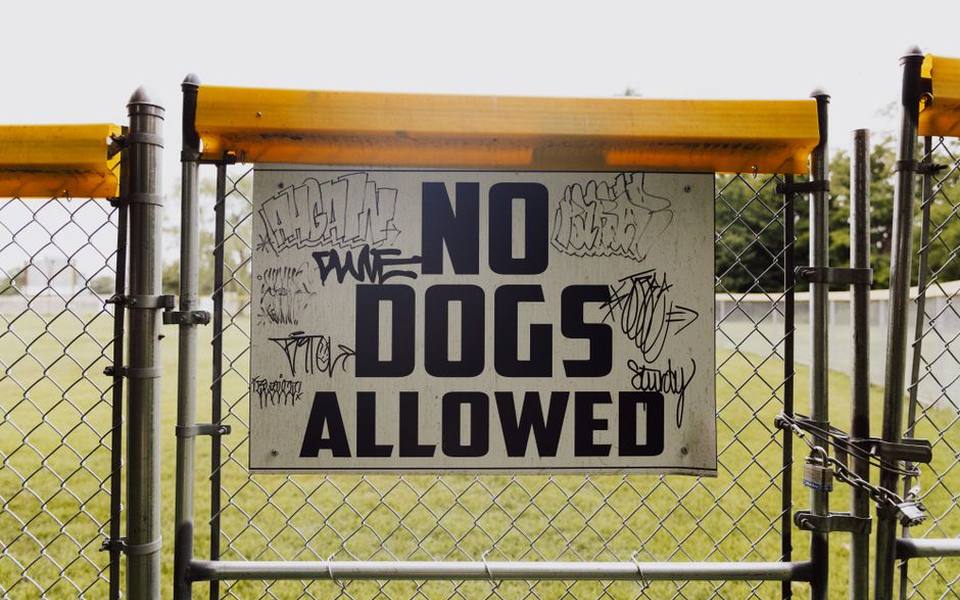
A properly designed entryway features a double-gated transitional airlock that prevents escapes while dogs arrive and depart. You enter the first gate, close and latch it securely behind you, remove your dog's leash, and only then open the interior gate into the main play meadow. When entry systems lack this two-door buffer, dogs congregating near the entrance can easily slip past opening gates into nearby traffic or parking lots. Always take time to inspect latch hardware for rust or bent pins before entering.
Segregated play yards represent another major benchmark for a safe community park. Separate enclosures for small, timid, or elderly dogs provide a relaxed environment where delicate pets avoid being overwhelmed or inadvertently injured by large, boisterous breeds. While well-socialized large dogs often play gently with smaller companions, predatory drift can occur unexpectedly during fast-paced chases. Choosing a park that enforces separate zones based on weight limits significantly reduces tension for dogs and handlers alike.
Membership Models and Private Canine Clubs
In response to overcrowding and lack of accountability at city facilities, private dog parks have emerged as a fast-growing alternative across urban centers. These fee-based establishments operate either on monthly subscriptions or single-day visitor passes, requiring all attending pets to be fully vaccinated, spayed or neutered, and registered. By shifting away from open public access, private parks drastically lower the risk of communicable canine illnesses and eliminate irresponsible handlers who refuse to monitor their pets.
Many modern membership parks combine secure outdoor agility runs with climate-controlled indoor social spaces. Pet owners seeking year-round exercise during freezing winters or sweltering summer afternoons frequently turn to indoor dog parks featuring slip-resistant antimicrobial flooring, industrial air exchange systems, and staffed monitor teams. These specialized indoor zones allow dogs to run, jump, and burn physical energy regardless of outdoor weather, rainstorms, or icy sidewalks.
Private facilities also typically employ trained yard staff, often called park rangers or pack leaders, who supervise social dynamics from within the enclosure. These attendants actively manage rough play, interrupt hyper-focused mounting behavior, and step in before minor canine disagreements escalate into full fights. For owners who feel anxious in chaotic city dog parks, the presence of trained staff and strict behavioral guidelines provides significant peace of mind.
Coastal Rules and Shoreline Safety for Ocean Visits
Taking your dog to an open ocean shoreline requires careful research into municipal shoreline regulations. While many pet parents dream of watching their companions splash freely through crashing surf, truly unrestricted, dog-friendly beachfronts are relatively rare due to coastal wildlife nesting protections and public health ordinances. Some coastal towns allow pets on the sand only during designated seasonal windows or during early morning and late evening off-peak hours, while others ban animals outright year-round.
A dog-friendly coastal visit involves stark environmental challenges that do not exist at grassy inland parks. Crashing waves, strong undertows, and sudden tidal shifts can pull even capable canine swimmers past their depth in seconds. Salt spray, hot sand, and sharp sea shells can quickly abrade sensitive paw pads, while dead sea life or washed-up jellyfish pose serious toxicity risks if ingested. Keeping a secure collar with legible tags and a long trailing lead gives you control along open surf lines.
Saltwater consumption represents one of the most severe hazards for dogs playing along coastal shorelines. Excited dogs swallow surprisingly large amounts of ocean water while retrieving buoyant floating toys or snapping playfully at breaking waves. Ingestion of ocean water rapidly draws moisture from the bloodstream into the intestines, causing acute dehydration, severe diarrhea, and potentially life-threatening sodium toxicity. Always pack abundant gallons of fresh tap water and offer hydration breaks every fifteen minutes.
Florida Dedicated Shorelines for Canine Swimmers
The southern Atlantic and Gulf coasts feature several legendary destinations designed specifically for canine recreation on coastal shores. Exploring dedicated dog parks in Florida reveals rare stretches of shoreline where pets enjoy legal off-leash ocean access. Among the most celebrated is the Bonita Beach Dog Park, located along the tranquil coastal flats of Lee County. This shoreline haven offers calm shallow tidal waters, soft sand spits, and a sheltered bay setting where dogs can safely wade and swim without battling dangerous ocean breaks.

On Florida's eastern Atlantic coastline in St. Lucie County, Walton Rocks Beach Dog Park delivers an expansive, twenty-four-acre beachfront playground. Unlike narrow municipal strips that keep dogs confined to short leashes, Walton Rocks allows dogs to run off-leash along wild, undeveloped sand dunes and wide ocean breaks. The open layout gives energetic retrievers room to run at full speed through surf, though handlers must stay vigilant regarding high tides, sudden rip currents, and sharp coquina rock formations scattered near the surf zone.
Visiting these Florida coastal gems requires strict adherence to environmental etiquette and local beach preservation codes. Sand dunes are fragile natural barriers protected by state and federal laws, meaning dogs must never be permitted to dig into dune vegetation or disturb nesting sea turtles and shorebirds. Always carry durable waste bags, pick up waste instantly, and utilize the outdoor freshwater wash stations located at beach trailheads to rinse corrosive salt and abrasive sand off your dog's coat before heading home.
Riverfront Runs and Protected Tidal Bays
Waterfront canine recreation is not limited to open ocean beaches; many premier inland parks feature tranquil river runs and protected bay beaches. In Annapolis, Maryland, the Quiet Waters Park dog beach offers a scenic, fenced access path leading directly to a calm sandy cove on the South River. Because the tidal cove is sheltered from heavy ocean waves and dangerous currents, it provides a gentle wading area where puppies, senior pets, and cautious swimmers can build confidence in the water.
Further inland in Northern Virginia, the Shirlington dog park serves as one of the most famous urban dog runs on the East Coast. Stretching along a quarter-mile gravel path adjacent to Four Mile Run stream, this heavily utilized park allows off-leash dogs to splash through shallow freshwater rapids before running through woodchip-lined meadows. The combination of secure perimeter fencing, double-gated entries, and direct creek access makes Shirlington a model for municipal stream-side dog recreation.
When visiting stream and bay environments, water quality monitoring becomes your top safety priority. Slow-moving rivers and sheltered tidal inlets can warm rapidly in mid-summer, creating ideal conditions for toxic blue-green algae blooms and bacterial runoff after heavy rainstorms. Responsible handlers should check local municipal water advisory boards before letting their pets jump into natural creeks or coastal coves, as stagnant water poses far greater contamination risks than open flowing surf.
Expansive Inland Meadows and Regional Runs
Urban dog runs serve a vital purpose, but large regional parks offer a completely different off-leash experience characterized by wide-open acreage and rolling topography. A prime example is the Two Rivers dog park in Nashville, Tennessee, which spans multiple acres of rolling green meadows adjacent to shaded woodland walking trails. Large acreage allows high-drive sporting breeds and sight hounds to reach full sprint speeds without colliding with fences, trees, or other play groups.
Vast acreage fundamentally transforms social dynamics among dogs by dramatically reducing territorial friction. In small, cramped fenced yards, dogs are forced into close physical proximity, which can trigger defensive posturing, guarding over resources, and reactive scuffles. In contrast, expansive multi-acre facilities give dogs ample space to explore independently, disengage peacefully from intense interactions, and disperse across distinct grassy zones rather than crowding into a single chaotic mob.
Navigating a sprawling regional run requires a reliable, bulletproof recall command. If your companion tends to bolt after distant wildlife or refuses to return when called, an unfenced or semi-wooded multi-acre park can quickly become a stressful search scenario. Before letting your dog off-leash across wide grassy plains, practice recall using high-value rewards on a fifty-foot training line until your dog turns immediately toward you upon hearing their recall cue.
Warm-Weather Hazards, Hydration, and Splash Features
Heat exhaustion is an ever-present danger during active outdoor outings, particularly when dogs are sprinting across open fields or splashing through unshaded beaches. Dogs dissipate body heat primarily through panting and only release minimal sweat through their foot pads, making them far more susceptible to heatstroke than humans. Facilities that incorporate specialized splash pads, misting stations, or shallow wading pools help dogs regulate their core body temperature while playing under direct sunlight.
If you want dedicated aquatic recreation without the sand and tidal hazards of the beach, look for modern dog parks with water features such as spray fountains, filtered splash pools, and controlled zero-depth wading zones. These managed water elements provide essential cooling relief while circulating clean, treated water that dramatically lowers the danger of waterborne parasites like Giardia, which thrive in stagnant natural mud puddles.
Even with water features nearby, you should always bring a dedicated travel bowl and fresh drinking water from home. Public communal bowls shared by hundreds of dogs can harbor infectious respiratory pathogens like kennel cough or canine influenza, as well as intestinal parasites. Teaching your dog to drink from an individual squeeze bottle or clean collapsible silicone bowl keeps them safely hydrated without exposing them to cross-contamination from the rest of the pack.
Social Body Language and Canine Interaction Etiquette
Successful visits to any dog park depend on your ability to accurately read canine body language and step in before play crosses into conflict. Healthy social play is reciprocal and fluid, characterized by loose, curvy body movements, exaggerated play bows, alternating roles in chase games, and frequent brief pauses to de-escalate excitement. If one dog consistently pins another, snaps defensively, or attempts to flee with tucked tail and pinned ears, the play has turned one-sided.

One of the most frequent mistakes handlers make is remaining glued to their smartphones or chatting with other owners while their dog roams unsupervised. Off-leash play yards demand active, moving supervision; walking around the perimeter encourages your dog to check in with you frequently and prevents them from fixating on arriving dogs at the entry gate. Keep high-value food treats, chew bones, and favorite squeaky toys hidden in your vehicle, as resource guarding is a primary cause of fights.
Knowing how to safely de-escalate tension between unfamiliar dogs is a critical skill every visitor must master. Never reach your hands into the collars or faces of snarling dogs, as redirected bites can cause severe physical trauma. Instead, use verbal interruptions, throw a towel over their heads, or employ the wheelbarrow technique by lifting the hind legs of the aggressor to break their balance and safely pull them away from the situation.
Trailhead Preparation and Departure Routines
A seamless park outing finishes before you ever walk back through the exit gate. Keep a dedicated cleanup bag in your vehicle containing clean towels, paw-wiping wipes, a coarse slicker brush, and an extra leash. Thoroughly wiping down your dog's paws, underbelly, and chest prevents mud, trail debris, and caustic beach sand from matting their coat or tracking grime across your vehicle's upholstery.
After visits to beaches, streams, or muddy seasonal parks, inspect your dog's body from nose to tail for common outdoor irritants. Check between paw pads for embedded burrs, foxtails, or sharp shell fragments that can cause painful abscesses if left untreated. Run your fingers through their coat to look for lurking deer ticks, and clean their ear canals with an appropriate canine ear rinse to remove trapped moisture that could otherwise trigger fungal or bacterial ear infections.
Timing your exit is just as important as choosing when to arrive. Watch for subtle early signs of physical exhaustion, such as heavy lagging during walks, excessively wide panting with a curled tongue tip, or sudden irritability with other dogs. Leaving while your companion still has a positive, relaxed attitude ensures they associate the park with fun, keeping them eager and well-behaved for their next off-leash adventure.
Published 2026-09-20 · reviewed with each rebuild, last September 2026.
Find dog parks near you
The directory lists 2,936 dog parks by state and city — pick your state or use the “Near me” button in the header.
More guides
-
 Owning
How to Find and Choose the Best Off-Leash Dog Parks
-
 Owning
What Is a Dog Run? Materials, Design, and Setup Guide
-
 Safety
Taking Your Dog Swimming: Safe Water Spots, Beach Rules, and Health Risks
-
 Service
How Much Does Dog Boarding Cost? A Clear Guide to Kennel Rates
-
 Owning
Dog Training Costs, Obedience Classes, and Essential Health Guidelines
-
 Owning
What Is a Reactive Dog? Signs, Triggers, and Management Guide
-
 Owning
A Practical Guide to Pet Adoption, Surrender Realities, and Essential Daily Care
-
 Safety
How to Safely Exercise and Run with Your Dog: Essential Gear and Conditioning Tips
-
 Safety
Comprehensive Guide to Dog Flea and Tick Treatments: Oral, Topical, and Natural Solutions
-
 Safety
Kennel Cough in Dogs: Symptoms, Home Remedies, and Prescription Treatments
-
 Owning
A Complete Practical Guide to Dog Beaches: Top Coastal Spots and Beach Safety
-
 Owning
Dog Car Seat Covers and Hammocks: Choosing the Best Vehicle Protection
-
 Owning
Understanding the Canine Heat Cycle: Phases, Physical Symptoms, and Female Care
-
 Owning
Essential Dog Hiking Gear: Backpacks, Hands-Free Leashes, and First Aid Kits
-
 Owning
Dog Agility Courses, Private Park Rentals, and Training Facilities: How to Choose the Right Space
-
 Service
Self-Service Dog Wash Stations: Equipment, Costs, and Practical Guide
-
 Buying
Automatic and Manual Dog Ball Launchers: How to Choose the Right Setup for Your Dog
-
 Safety
Complete Guide to Dog Flea and Tick Medications: Chews, Topicals, and Treatments
-
 Safety
Natural Flea and Tick Remedies for Dogs: Practical Home Solutions and Safe Use
-
 Safety
Safe Flea and Parasite Treatments for Puppies Under 12 Weeks
-
 Owning
Dog Poop Bags, Dispensers, and Leash Gear for Everyday Walks
-
 Safety
Dog Flea and Tick Guide: Comparing Chews, Topicals, Shampoos, and Injections
-
 Owning
A Homeowner's Guide to Backyard Dog Runs, Enclosures, and Exercise Treadmills
-
 Owning
A Complete Guide to Hiking, Camping, and Outdoor Adventures With Dogs
-
 Owning
Dog Health Guide: Giardia Symptoms, Canine Coughs, and Female Heat Cycles
-
 Safety
Understanding Dog Reactivity and Resource Guarding: Training Methods, Daily Management, and Gear
-
 Buying
Dog Car Seat Covers, Hammocks, and Travel Gear: A Practical Buyer's Guide
-
 Buying
Choosing the Right Automatic Ball Launcher and Backyard Play Gear for Active Dogs
-
 Owning
Self-Serve Dog Wash Stations, Towels, and Waste Management
-
 Safety
Complete Dog Flea and Tick Prevention Guide: Chews, Topicals, and Treatments
-
 Owning
Dog Friendly Beaches, Parks, and Travel Destination Guide
-
 Safety
Essential Outdoor Dog Gear: Harnesses, Life Vests, Hot Pavement Boots, and Bags
-
 Safety
Dog Park Safety Guide: Rules, Aggression, First Aid, and Kennel Cough Symptoms
-
 Safety
Comprehensive Guide to Dog and Cat Flea, Tick, and Heartworm Medications
-
 Owning
Designing Home Dog Runs, Agility Courses, and Backyard Play Equipment
-
 Owning
Choosing the Best Car Seat Covers, Hammocks, and Backseat Protectors for Dogs
-
 Buying
Dog Ball Launchers and Automatic Throwers: Selection, Sizing, and Field Guide
-
 Safety
Dog-Safe Yard Care: Pet-Friendly Lawn Fertilizers and Pest Sprays
-
 Owning
Dog Heat Cycles: Symptoms, Duration, and Care During Estrus