What professional dog training typically costs
Professional dog training typically costs between fifty and one hundred twenty-five dollars per hour for standard instruction, though final rates depend heavily on your geographic region, trainer credentials, and instructional format. Group obedience packages generally run from one hundred twenty to three hundred dollars for a series of weekly classes spanning four to eight weeks. Private one-on-one sessions in your home or at an outdoor facility routinely command between eighty and two hundred dollars per single visit.
The overall investment in training often depends on the specific goals you set for your canine companion. Basic puppy kindergarten or foundation obedience introduces fundamental manners like loose-leash walking, sit, down, and recall for a predictable package rate. When owners seek specialized behavioral modification for severe fear, leash reactivity, or separation anxiety, seasoned behavior consultants typically bill higher hourly rates because individual case work requires custom management plans and ongoing follow-up consultations.
Evaluating local market rates involves considering what is included beyond actual classroom minutes. Many professional instructors bundle phone support, written training handouts, and structured homework exercises into their course pricing. Board-and-train programs, where a dog stays with an instructor for several consecutive weeks, represent the highest price tier and typically cost anywhere from fifteen hundred to four thousand dollars depending on facility amenities, program duration, and trainer qualifications across different states.
Comparing group obedience classes to private instruction
Choosing between group classes and individual lessons usually comes down to your dog's current temperament and your personal budget. Group classes provide a natural training ground filled with realistic distractions, teaching dogs to focus despite the presence of unfamiliar people and other pets. For handlers seeking climate-controlled, structured environments, checking for nearby indoor dog parks or specialized training barns can offer comfortable spaces where environmental variables remain predictable regardless of seasonal weather.
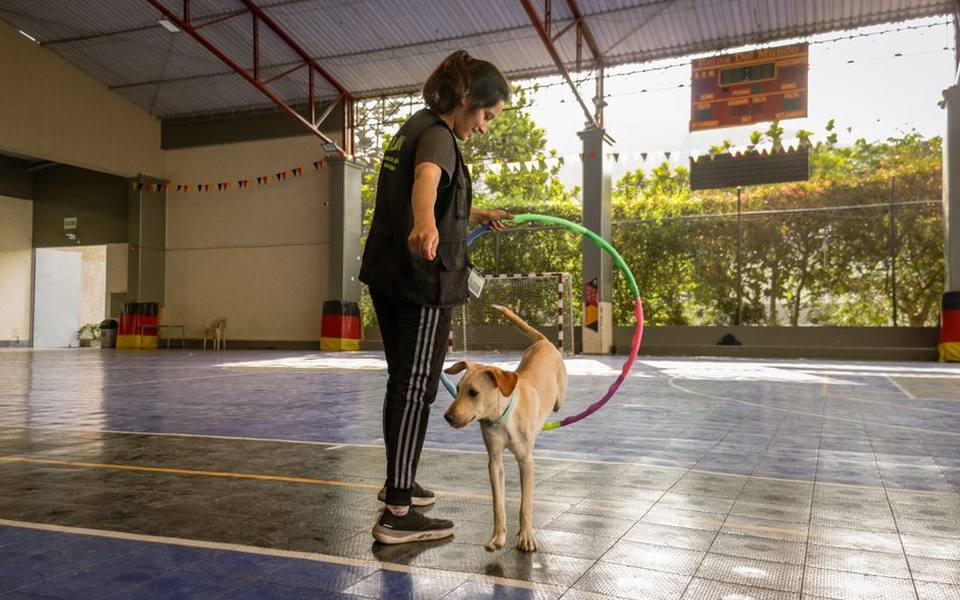
Private lessons serve a distinct purpose when a puppy or adult dog becomes easily overwhelmed or exhibits defensive behaviors around other animals. Working alone with an instructor allows you to address problem areas within your living room, back yard, or regular walking route. Because private instruction focuses entirely on your specific household routine, progress on targeted goals like door bolting or jumping on guests often moves along faster than in broad group formats.
Some dog owners choose a hybrid approach that begins with private groundwork before transitioning to group environments. Starting with two or three individual sessions establishes clear leash mechanics and reliable attention cues at home. Once those skills are solid, joining a lower-cost group class helps test those learned behaviors around mild distractions without overwhelming the animal or wasting valuable group classroom time trying to learn basic handling fundamentals.
How dogs contract kennel cough in shared environments
Kennel cough, known clinically as canine infectious respiratory disease complex, spreads primarily through airborne droplets released when an infected dog barks, coughs, or sneezes. The illness is highly contagious and involves multiple viral and bacterial agents, most notably Bordetella bronchiseptica alongside canine parainfluenza virus. When these pathogens enter the upper respiratory tract, they inflame the lining of the trachea and bronchi, resulting in the characteristic dry, hacking cough that sounds similar to a goose honk.
Direct physical contact between dogs presents another common vector for transmission. Friendly nose-to-nose greetings through fence lines, shared toys, and communal water bowls allow infectious nasal discharge to pass quickly from one host to another. Visiting busy recreational spaces or stopping by dog parks with water features can elevate exposure risks if multiple visiting dogs drink from the same standing basin or share retrieve items during active play sessions.
Crowded indoor facilities with limited air circulation pose the highest risk of rapid disease transmission among canine populations. Daycare centers, boarding kennels, grooming salons, and veterinary waiting rooms frequently see outbreaks because aerosolized particles linger in enclosed spaces. A dog can shed the bacteria or virus for days before displaying an audible cough, meaning an apparently healthy companion can inadvertently pass the respiratory bug along to other dogs without warning.
Practical steps to treat and support a dog with kennel cough
Treating kennel cough begins with strict physical isolation from all other canines to prevent further transmission throughout your local community. Most mild cases resolve on their own within two to three weeks through straightforward supportive care and complete rest. Consulting a veterinarian is essential to confirm the diagnosis and ensure the infection has not progressed deeper into the pulmonary system, as young puppies and senior dogs are especially vulnerable to secondary bacterial pneumonia.
Medical treatment prescribed by a veterinarian often includes targeted cough suppressants to provide relief from persistent hacking and allow the irritated tracheal tissue to heal. If diagnostic exams indicate a primary or secondary bacterial infection, the doctor may prescribe a course of antibiotics such as doxycycline or amoxicillin-clavulanate. Over-the-counter human cough syrups should never be administered without explicit professional veterinary guidance, as many contain artificial sweeteners like xylitol or decongestants that are toxic to canines.
Home care focuses on environmental comfort and keeping the airways hydrated during the recovery period. Running a cool-mist humidifier near your dog's sleeping area or bringing your pet into a steamy bathroom while running hot water helps loosen stubborn bronchial secretions. You should temporarily swap out standard neck collars for a flat chest harness to eliminate physical pressure against the sensitive windpipe during short relief walks, while ensuring fresh water remains available.
Clarifying the myth: can male dogs go into heat?
Male dogs cannot go into heat because they lack the female reproductive organs and cyclical hormonal fluctuations that drive estrus. The biological heat cycle belongs exclusively to female canines, who experience regular surges in estrogen and progesterone that prepare the uterus for potential pregnancy. Intact male dogs remain fertile throughout the entire calendar year once they reach sexual maturity, meaning their reproductive system stays continuously active rather than cycling through periodic intervals.
The misconception that male dogs enter heat usually arises because owners observe dramatic, episodic shifts in male behavior that mimic cyclical changes. When an intact female in the vicinity enters estrus, she releases potent airborne pheromones that male dogs can detect from miles away depending on wind conditions. An intact male catching this scent often becomes intensely agitated, exhibiting behaviors like loud vocalization, pacing the fence line, appetite loss, and desperate attempts to escape confinement.
Neutered male dogs can also display sporadic mounting behaviors or heightened territorial marking, leading some handlers to wonder if hormonal cycling is occurring. These actions are frequently tied to social excitement, overstimulation, play arousal, or minor dominance posturing rather than genuine reproductive signaling. Neutering significantly reduces sexual drive and hormone-driven wandering instincts, but it does not completely eliminate innate canine motor patterns associated with mounting or territory preservation.
Physical signs that indicate your dog or puppy is in heat
Recognizing when your dog or puppy is in heat begins with watching for distinct physical changes during the proestrus stage. The first visible sign is almost always pronounced swelling of the external vulva, which can become several times its typical resting size and feel notably firm to the touch. A young puppy approaching her very first cycle, typically occurring between six and fifteen months depending on breed size, may exhibit mild localized puffiness several days before any fluid appears.

Discharge from the vulva serves as another unmistakable physical marker of an active heat cycle. During the initial week of proestrus, this discharge presents as bloody, dark red fluid that gradually lightens to a watery pink or straw-colored hue as the dog transitions into true estrus, the fertile stage. The volume of discharge varies widely between individual animals, with some large breeds producing noticeable spotting while smaller breeds clean themselves so thoroughly that fluid is rarely detected on bedding.
Frequent urination and excessive self-grooming around the genital region frequently accompany these structural adjustments. You may notice your female licking her rear quarters far more frequently than usual to keep herself clean, occasionally causing mild local skin redness. Additionally, the hormonal shifts alter the scent of her urine, prompting her to squat frequently on outdoor walks to leave territorial scent markers announcing her reproductive state to any neighborhood dogs.
Behavioral changes to watch for during an active cycle
Behavioral alterations during an estrus cycle can range from extreme affection to sudden irritability. In the early days, many females become unusually clingy with their human families, seeking out constant physical contact or following owners closely from room to room. Others experience subtle lethargy, mild shifts in appetite, or appear nervous and easily startled by noises and movements that they normally tolerate without any noticeable concern.
As the female transitions into the fertile estrus phase, her reaction to other dogs changes markedly through an instinctual behavior known as flagging. Instead of tucking her tail to guard her rear quarters, she will willingly deflect her tail to one side when touched along her back, presenting her perineum to invite attention. She may also become unusually flirtatious toward other household dogs, initiating vigorous play bouts before turning and holding still to signal reproductive receptivity.
Wandering instincts intensify dramatically during peak fertility, requiring handlers to exercise strict physical containment at home. Even calm dogs with dependable recall can attempt to bolt through open doors, leap garden fences, or dig under gates in search of a mate. For this reason, off-leash play in public parks must be completely suspended for the entire duration of the cycle to keep interactions calm and avoid attracting nearby intact males.
Choosing the right flea and tick collars for active dogs
Selecting a dependable flea and tick collar requires understanding how modern active ingredients provide continuous external parasite protection. Contemporary collars are manufactured using a specialized polymer matrix that slowly diffuses low concentrations of active compounds across the dog's skin and coat over several consecutive months. Quality options utilize ingredients like flumethrin and imidacloprid to kill parasites upon contact, meaning fleas and ticks do not necessarily have to bite your dog to absorb the active substance.
A critical safety feature on any premium flea collar is an integrated safety release mechanism. Active canines running through brush, navigating agility courses, or exploring dense undergrowth can accidentally catch their gear on low branches or fencing. Modern safety collars incorporate ratcheted release points or predetermined break-away zones that give way under the dog's body weight, ensuring the animal can pull free rather than facing potential strangulation during vigorous outdoor activity.
Proper fitting makes the difference between complete parasite defense and wasted money. A collar needs to sit close enough to maintain constant contact with the skin rather than riding loosely over thick surface fur, which prevents proper distribution of the active ingredients. A dependable rule of thumb is ensuring you can comfortably slide two flat fingers between the collar band and your dog's neck, trimming any excess length while leaving enough room for growing puppies.
Balancing socialization and quarantine for dog health
Managing canine socialization alongside contagious health conditions requires knowing precisely when to pause social outings. Whenever a dog experiences active respiratory symptoms, unverified dermatological issues, or an ongoing reproductive cycle, public parks and commercial daycare centers must be avoided entirely. Utilizing secure spaces like fenced dog parks should be reserved exclusively for healthy, non-cycling, fully vaccinated canines capable of safe social engagement.
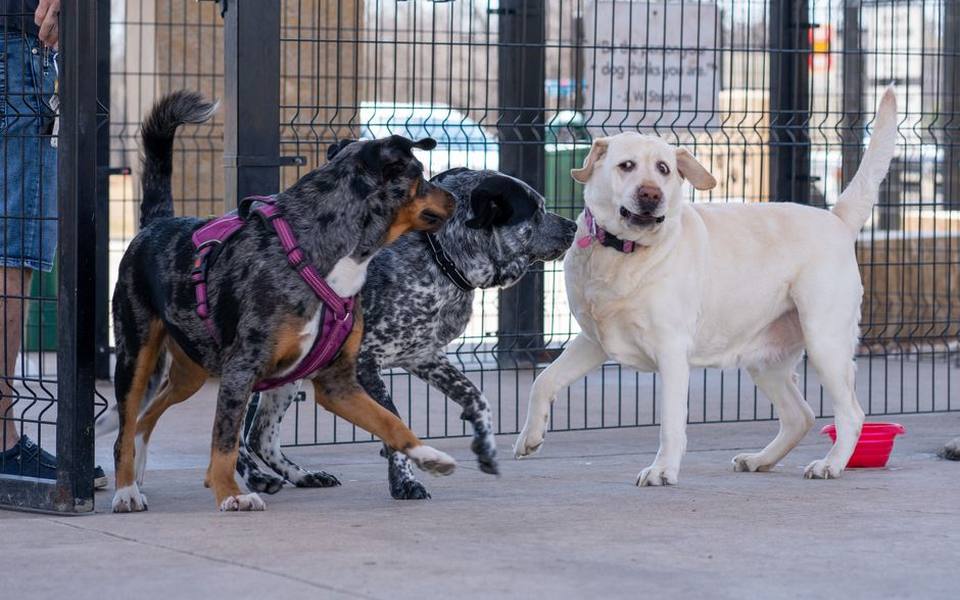
Downtime does not mean mental enrichment has to cease altogether. When your dog must remain isolated due to kennel cough or estrus management, handlers can provide robust mental exercise through indoor nosework games, frozen food puzzles, and foundational trick training. Structured leash walks around quiet residential streets where other animals can be spotted from a distance will keep a recovering companion calm without risking direct pathogen transmission or chaotic physical encounters.
Re-entering the community requires patience and confirmation that all symptoms have completely subsided. For respiratory conditions, veterinarians generally suggest waiting at least seven to ten full days after the final audible cough before entering communal areas. Checking resources across the national dog park directory allows owners to locate spacious, low-density recreational alternatives when reintroducing their pet to outdoor exercise after an extended period of domestic quarantine.
Building a long-term wellness and obedience routine
A well-rounded routine balances consistent behavioral reinforcement with attentive preventative medical care throughout every stage of your pet's life. Training is not a one-time project completed in puppyhood; practicing basic cues during daily feeding times, neighborhood strolls, and door greetings keeps communication sharp. Dogs that understand clear structural boundaries experience less everyday stress and adapt more smoothly when novel situations arise in public environments.
Proactive veterinary wellness checks safeguard your dog against preventable physical setbacks that can derail training progress. Annual or bi-annual examinations provide opportunities to evaluate joint health, dental hygiene, weight management, and regional parasite threats. Maintaining updated vaccines, including the core distemper and parvovirus series alongside lifestyle-specific protections like Bordetella, ensures your canine companion retains robust immunity when interacting in popular dog-friendly zones across states like Texas and beyond.
Combining consistent training habits with watchful health practices ultimately gives your dog the confidence needed for enjoyable outings. When an owner can quickly read subtle changes in body language, recognize early symptoms of seasonal ailments, and guide their pet with dependable verbal cues, outdoor adventures become relaxing for both ends of the leash. Investing thoughtful time into training and preventive care pays steady dividends throughout your dog's lifetime.
Published 2026-09-20 · reviewed with each rebuild, last September 2026.
Find dog parks near you
The directory lists 2,936 dog parks by state and city — pick your state or use the “Near me” button in the header.
More guides
-
 Owning
How to Find and Choose the Best Off-Leash Dog Parks
-
 Owning
What Is a Dog Run? Materials, Design, and Setup Guide
-
 Safety
Taking Your Dog Swimming: Safe Water Spots, Beach Rules, and Health Risks
-
 Service
How Much Does Dog Boarding Cost? A Clear Guide to Kennel Rates
-
 Owning
What Is a Reactive Dog? Signs, Triggers, and Management Guide
-
 Owning
A Practical Guide to Pet Adoption, Surrender Realities, and Essential Daily Care
-
 Safety
How to Safely Exercise and Run with Your Dog: Essential Gear and Conditioning Tips
-
 Safety
Comprehensive Guide to Dog Flea and Tick Treatments: Oral, Topical, and Natural Solutions
-
 Safety
Kennel Cough in Dogs: Symptoms, Home Remedies, and Prescription Treatments
-
 Owning
A Complete Practical Guide to Dog Beaches: Top Coastal Spots and Beach Safety
-
 Owning
Dog Car Seat Covers and Hammocks: Choosing the Best Vehicle Protection
-
 Owning
Understanding the Canine Heat Cycle: Phases, Physical Symptoms, and Female Care
-
 Owning
Essential Dog Hiking Gear: Backpacks, Hands-Free Leashes, and First Aid Kits
-
 Owning
Dog Agility Courses, Private Park Rentals, and Training Facilities: How to Choose the Right Space
-
 Service
Self-Service Dog Wash Stations: Equipment, Costs, and Practical Guide
-
 Buying
Automatic and Manual Dog Ball Launchers: How to Choose the Right Setup for Your Dog
-
 Safety
Complete Guide to Dog Flea and Tick Medications: Chews, Topicals, and Treatments
-
 Safety
Natural Flea and Tick Remedies for Dogs: Practical Home Solutions and Safe Use
-
 Safety
Safe Flea and Parasite Treatments for Puppies Under 12 Weeks
-
 Owning
Dog Poop Bags, Dispensers, and Leash Gear for Everyday Walks
-
 Owning
Ultimate Guide to Finding and Visiting Dog Parks and Dog-Friendly Beaches
-
 Safety
Dog Flea and Tick Guide: Comparing Chews, Topicals, Shampoos, and Injections
-
 Owning
A Homeowner's Guide to Backyard Dog Runs, Enclosures, and Exercise Treadmills
-
 Owning
A Complete Guide to Hiking, Camping, and Outdoor Adventures With Dogs
-
 Owning
Dog Health Guide: Giardia Symptoms, Canine Coughs, and Female Heat Cycles
-
 Safety
Understanding Dog Reactivity and Resource Guarding: Training Methods, Daily Management, and Gear
-
 Buying
Dog Car Seat Covers, Hammocks, and Travel Gear: A Practical Buyer's Guide
-
 Buying
Choosing the Right Automatic Ball Launcher and Backyard Play Gear for Active Dogs
-
 Owning
Self-Serve Dog Wash Stations, Towels, and Waste Management
-
 Safety
Complete Dog Flea and Tick Prevention Guide: Chews, Topicals, and Treatments
-
 Owning
Dog Friendly Beaches, Parks, and Travel Destination Guide
-
 Safety
Essential Outdoor Dog Gear: Harnesses, Life Vests, Hot Pavement Boots, and Bags
-
 Safety
Dog Park Safety Guide: Rules, Aggression, First Aid, and Kennel Cough Symptoms
-
 Safety
Comprehensive Guide to Dog and Cat Flea, Tick, and Heartworm Medications
-
 Owning
Designing Home Dog Runs, Agility Courses, and Backyard Play Equipment
-
 Owning
Choosing the Best Car Seat Covers, Hammocks, and Backseat Protectors for Dogs
-
 Buying
Dog Ball Launchers and Automatic Throwers: Selection, Sizing, and Field Guide
-
 Safety
Dog-Safe Yard Care: Pet-Friendly Lawn Fertilizers and Pest Sprays
-
 Owning
Dog Heat Cycles: Symptoms, Duration, and Care During Estrus