Planning your canine hiking setup
Preparing a dog for mountain trails requires looking at practical utility, weight distribution, and emergency preparedness. An ill-fitting harness or an overloaded pack can turn a day hike into an exhausting ordeal, while leaving out medical basics risks stranding you miles from the nearest trailhead. Before heading out, you need to match your equipment to your dog's physical build, the local terrain, and the expected trail conditions.
A balanced gear system divides the trail burden safely between owner and animal without putting undue strain on either. Working breeds often thrive when carrying their own food and collapsible bowls, while smaller breeds or aging companions might require specialized transport if steep scrambles or sharp shale beds emerge along the path. Knowing what to pack and how to carry it keeps your hands clear and reduces fatigue over long ascents.
Weather and terrain dictate the materials you should choose. High-humidity backcountry routes, muddy switchbacks, and river crossings will ruin standard cotton or untreated nylon leashes and collars in hours. Investing in weather-resistant hardware, well-padded load-bearing harnesses, and responsive hands-free tether systems ensures both you and your pet can navigate slick switchbacks and boulder fields without compromising stability or trail safety.
Sizing and loading packs that dogs wear
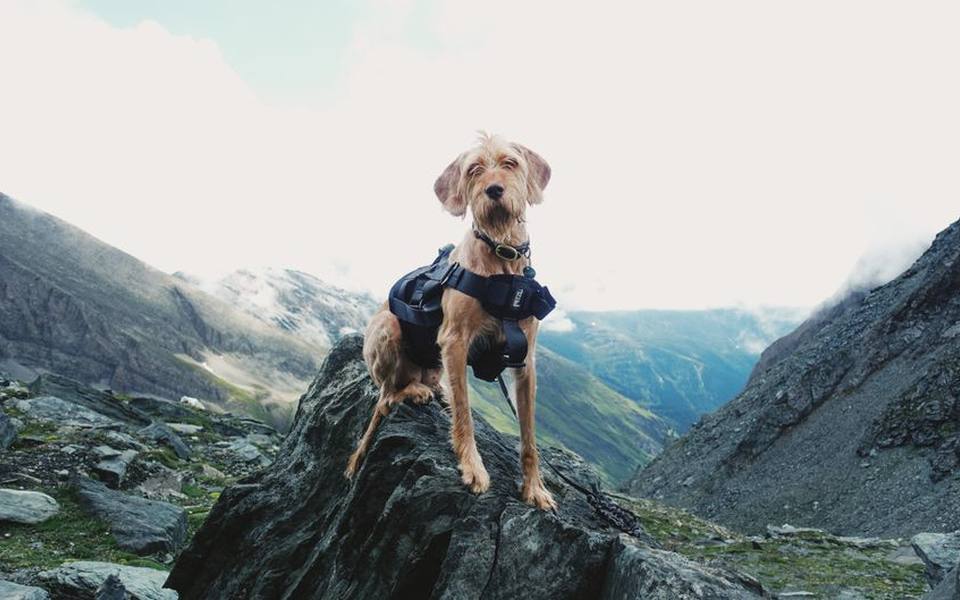
Canine saddlebags allow working and active dogs to carry their own trail provisions, but fitment is critical to prevent spinal strain and raw friction spots. Trail packs should rest directly over the dog's shoulders and forward ribs rather than sitting back on the soft lumbar region. Look for broad chest plates, padded belly bands, and dual side panniers that keep the load centered during aggressive climbs and sudden directional changes.
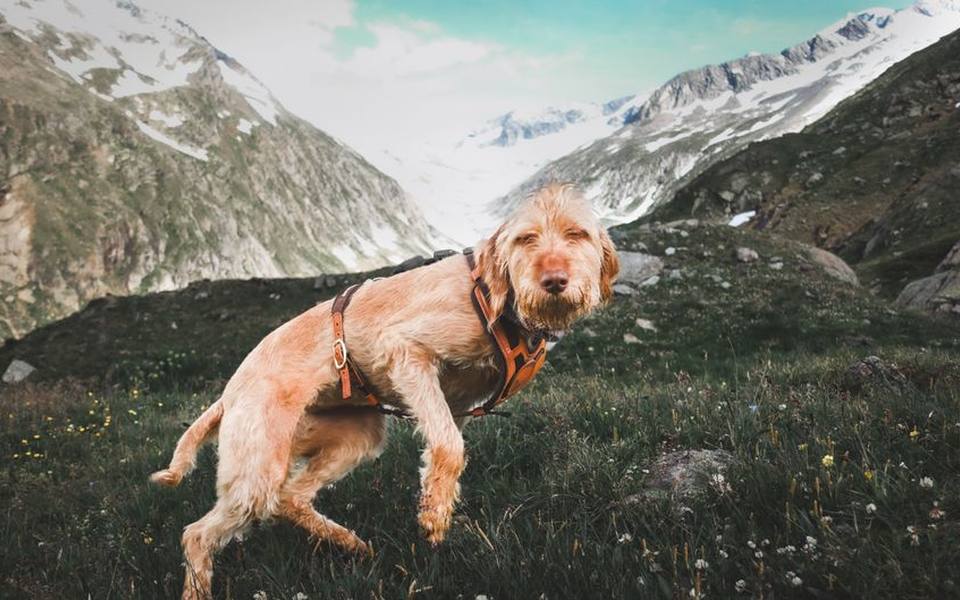
Weight management determines whether your dog finishes the day energized or sore. In general working practice, a healthy adult dog can carry between ten and fifteen percent of its total body weight, though the safe threshold depends heavily on age, joint health, and conditioning. Overpacking side compartments can create imbalance, causing the pack to slide to one side and rub against the armpits, leading to skin chafing and gait abnormalities.
Before loading provisions for an all-day trek, test the empty pack on short neighborhood walks and low-stress outdoor paths. Once your dog is comfortable with the feeling of panniers brushing against brush, slowly add light items like empty silicone bowls, clean waste bags, and dry kibble. Equalizing the weight between both panniers is essential; an uneven ounce on one side forces the animal to compensate with asymmetrical muscle tension on rough terrain.
Carrying small or fatigued dogs on steep terrain
When tackling technical trails with rocky scrambles, scree fields, or extended mileage, smaller dogs and senior companions often reach their physical limits before the day ends. A dedicated dog carrier rucksack allows you to transport your companion comfortably on your back or chest while keeping your hands free to negotiate steep switchbacks or use trekking poles. Unlike ordinary daypacks, these specialty rucksacks feature structural bases that support the animal's natural posture.
Choosing backpacks for carrying dogs requires careful attention to internal airflow and spine alignment. Look for models featuring heavy-duty mesh ventilation panels, rigid or semi-rigid floor boards lined with removable fleece, and internal tether clips that secure to the dog's harness. Without sufficient cross-ventilation, heat can build rapidly inside an enclosed pack, putting a panting dog at serious risk of heat exhaustion even in cool mountain air.
Getting a dog accustomed to riding in a rucksack takes patience and gradual desensitization at home. Allow the animal to investigate the open pack on the living room floor before attempting to secure them inside for a short spin around the yard. During trail transport, stop periodically to check paw circulation, ensure the internal tether has not twisted, and offer sips of water to keep your passenger hydrated throughout the journey.
Waist-mounted leads and technical trail control
Navigating steep climbs and loose downhill descents demands physical balance, which is difficult to maintain when gripping a traditional strap in one hand. Using a hands free dog leash transfers the pulling force directly to your pelvic core, leaving both arms unobstructed to plant trekking poles or steady yourself against rock faces. These systems typically use an adjustable, padded waist belt connected to an elasticized shock-absorbing strap.
A quality hands free dog lead incorporates bungee sections designed to absorb the sudden kinetic jolt when an animal lunges toward wildlife or scrambles up a granite step. This elasticity protects your lower back from sharp pulls and prevents the dog from snapping back abruptly on its harness. Most trail-ready belts also incorporate quick-release panic clips, allowing you to disconnect the dog instantly if a river crossing or steep slip compromises your footing.
Learning how to leash a dog properly on technical trail segments is a distinct skill from neighborhood street walking. Keep the lead relatively short through narrow canyon sections and near blind switchbacks to keep your companion from darting around corners into approaching horses or other hikers. Prior to taking technical routes, test your waist setup in quiet open settings like fenced dog parks to verify your dog responds reliably to directional cues from your hips.
Waterproof collars and mud protection
Mountain trails frequently expose gear to creek crossings, damp brush, muddy puddles, and unexpected rainfall. A conventional woven fabric collar acts like a sponge in these environments, retaining moisture, grit, and decaying plant matter against the dog's skin. Over several miles, a soggy collar will create abrasive friction that rubs fur thin and breeds foul odors, which is why a durable waterproof dog collar has become standard backcountry equipment.
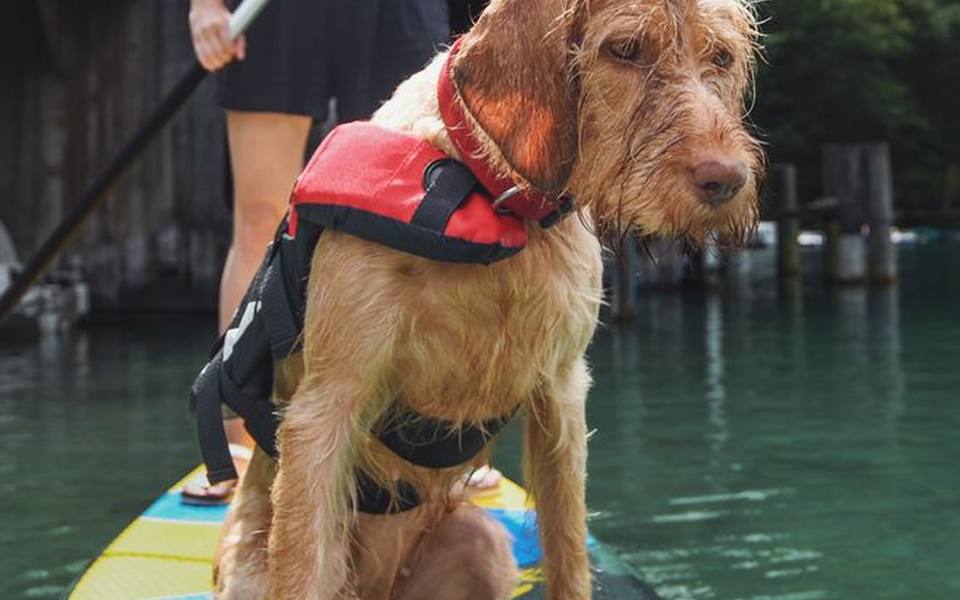
Modern weather-resistant collars are typically fabricated from synthetic webbing coated in polyurethane or vinyl, often referred to broadly as biothane. This material is completely non-porous, meaning water, creek silt, and trail grime cannot penetrate the inner fibers. Cleaning the collar at the end of a muddy trek requires nothing more than wiping it down with a damp cloth or rinsing it under a camp spigot, after which it dries immediately without holding stink.
When introducing young dogs to water trails, starting with a waterproof puppy collar establishes great hygiene habits early on. Young dogs tend to charge enthusiastically into murky ditches, bogs, and creek banks, which quickly turns standard fabric gear into a mold hazard. Ensure any coated collar uses rust-proof brass or coated stainless steel hardware so mineral-heavy river water and bog mud do not seize up the buckle or leash attachment ring.
Water sports and alpine paddleboard safety
Many backcountry routes lead to secluded alpine lakes and wide calm rivers, making a stand up paddle dog excursion a natural extension of an outdoor trek. Balancing with your dog on a paddleboard requires foundational stability, high-traction decking, and clear boundary training. Before launching into deep cold water, the animal must be comfortable stepping onto the board on dry land and holding a steady sit or down command amidst slight movement.
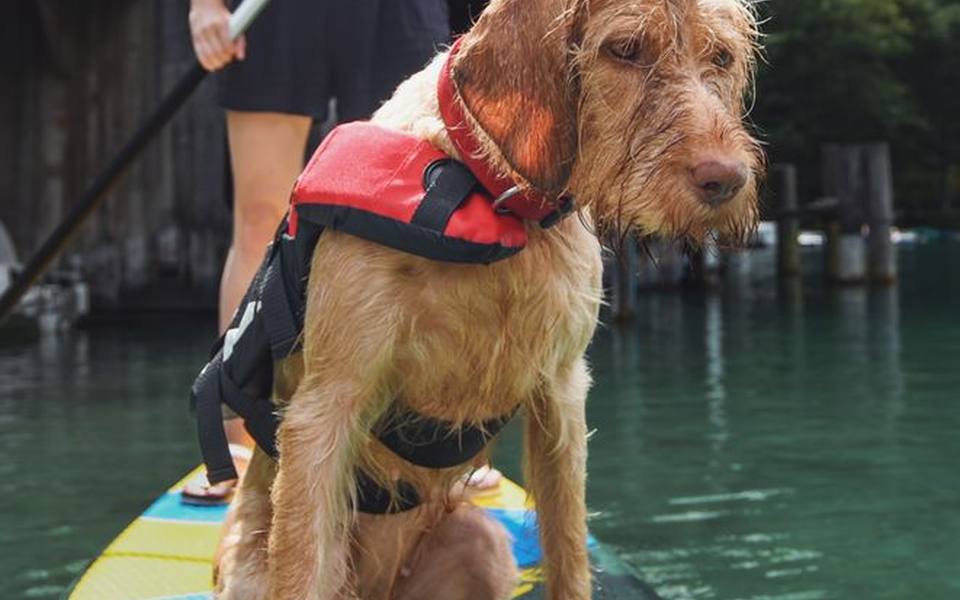
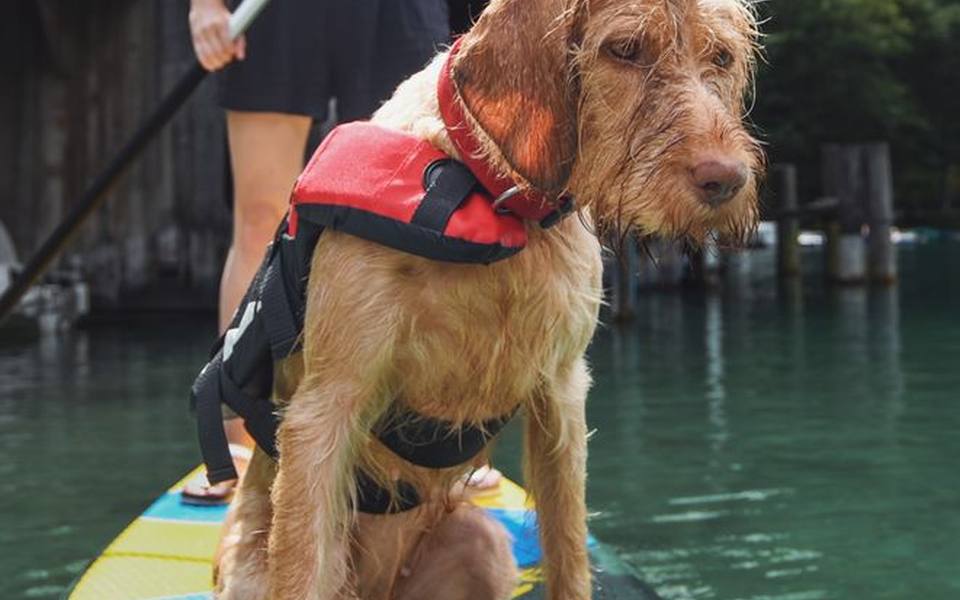
Even strong canine swimmers require a specialized flotation vest when accompanying you onto open mountain reservoirs. Alpine waters are typically frigid, and sudden hypothermia or unexpected fatigue can overpower even an athletic retriever far from shore. A proper canine life jacket features broad underbelly support panels, bright high-visibility fabric, and a reinforced top rescue handle that lets you haul the dog back onto the board deck safely without tipping over.
River banks and lake shores provide great opportunities for dogs to cool down after intense hiking. When scouting potential water destinations for training or recreational paddle trips across different states, you can visit local swimming zones like dog parks with water features to observe how comfortably your pet manages splashing water, uneven shore mud, and aquatic gear before heading into remote wilderness regions.
Assembling an emergency canine first aid kit
A standard human medical pack is not adequately equipped to address the specific injuries canines sustain on the trail. A dedicated pet first aid kit for dogs must contain supplies designed to manage bleeding paws, puncture wounds from thorns, insect stings, and eye irritations caused by trail debris. Carrying veterinary-specific items ensures you can stabilize an injury and walk your dog out safely rather than facing an emergency evacuation.
The core of any pet first aid kit dog owners build starts with self-adhering cohesive bandage wrap. Unlike adhesive medical tape, cohesive wrap sticks securely to itself without pulling fur or sliding off a sweaty paw pad. Pair this with sterile non-stick gauze pads, blunt-tipped medical shears, tick removal hooks, digital thermometers, and single-use saline eyewash ampoules to flush away trail sand, grit, and sap before corneal scratches develop.
Splints and paw protection are equally vital components for backcountry travel. If your companion tears a digital pad on sharp granite or steps on broken glass along an unmaintained trail corridor, having a spare protective bootie along with your cohesive bandage can save the paw from secondary infection. Wrap the cleaned wound, slide the bootie over the dressing, and secure the cuff to keep moisture and grit out during the hike back.
Canine pharmaceuticals and remote trail medicines
Beyond physical wound dressings, a comprehensive dog medicine kit addresses internal complications, allergic reactions, and pain management in remote areas where veterinary clinics are hours away. Antihistamines are among the most critical additions, as dogs exploring brush frequently encounter wasp nests, ground bees, and venomous insects. A fast-acting antihistamine can prevent throat swelling and systemic allergic shock when administered promptly on the trail.
Topical agents should include antiseptic chlorhexidine wipes or sprays, styptic powder to stop profuse bleeding from torn toenails, and medical-grade honey or veterinary wound ointments that prevent bacterial colonization. You should also pack an electrolyte supplement powder formulated for canines to assist with severe dehydration, especially when traversing dry, high-altitude ridgelines where heat and physical exertion deplete cellular hydration faster than plain water can restore it.
Always keep prescription medications in labeled, moisture-proof containers, and carry an extra two-day supply if your dog depends on daily thyroid, cardiac, or joint management drugs. Trail delays caused by flash storms, washed-out footbridges, or vehicle breakdowns happen regularly in mountain terrain. Having redundant doses ensures a minor trail disruption does not escalate into a life-threatening medical shortage while you wait for passage clearance.
Field testing and breaking in gear near home
Never introduce brand-new backpacks, unfamiliar boots, or unfamiliar waist setups on an isolated wilderness trail. Untested straps can cause friction burns, harnesses may loosen under heavy loads, and an anxious dog may refuse to walk entirely if unfamiliar gear feels restrictive. Conditioning your dog to its hiking setup should always begin in controlled municipal settings where adjustments can be made without consequence.
Local municipal spaces provide an ideal intermediate training ground for checking harness contact points and leash dynamics under mild distraction. Hikers in Western states often condition their pets on suburban paths before heading toward the Sierra Nevada, utilizing regional spots such as dog parks in California to evaluate how comfortable their pet remains while wearing loaded saddlebags around other active animals.
Similarly, those preparing for rainy coastal excursions or damp mountain traverses can take advantage of wet turf trails near dog parks in Washington to test how waterproof collars and coated leashes handle mud and heavy drizzle. Inspect your dog's skin immediately after these trial runs; any redness along the chest, groin, or behind the elbows indicates a strap adjustment or padding upgrade is necessary before embarking on true mountain trails.
Trail etiquette, waste management, and wildlife awareness
Equipping your dog properly also means carrying the tools required to respect trail etiquette and protect surrounding ecosystems. High-traffic mountain corridors require strict adherence to local leash regulations to protect sensitive alpine tundra, prevent wildlife harassment, and avoid confrontations with other trail users. A responsible outdoor setup includes heavy-duty waste bags and an odor-proof transport container attached to the exterior of your pack.
Dog waste contains non-native bacteria and high nitrogen levels that disrupt fragile backcountry water systems and attract scavengers to public campsites. Never leave plastic waste bags beside the trail with the intention of collecting them on your return; unexpected detours or forgetfulness lead to litter that damages public land access for everyone. Pack out every single bag, utilizing exterior pack loops or dedicated waste transport tubes to keep odors away from your personal gear.
Finally, always yield the right-of-way to ascending hikers, trail runners, and pack animals such as horses or mules. When you see oncoming stock approaching, shorten your hands-free leash, step well off the downhill side of the trail, and command your dog into a calm sit until the animals pass. Keeping your gear streamlined and your dog under steady physical control ensures backcountry trails remain open, welcoming, and safe for all canine-human teams.
Published 2026-09-20 · reviewed with each rebuild, last September 2026.
Find dog parks near you
The directory lists 2,936 dog parks by state and city — pick your state or use the “Near me” button in the header.
More guides
-
 Owning
How to Find and Choose the Best Off-Leash Dog Parks
-
 Owning
What Is a Dog Run? Materials, Design, and Setup Guide
-
 Safety
Taking Your Dog Swimming: Safe Water Spots, Beach Rules, and Health Risks
-
 Service
How Much Does Dog Boarding Cost? A Clear Guide to Kennel Rates
-
 Owning
Dog Training Costs, Obedience Classes, and Essential Health Guidelines
-
 Owning
What Is a Reactive Dog? Signs, Triggers, and Management Guide
-
 Owning
A Practical Guide to Pet Adoption, Surrender Realities, and Essential Daily Care
-
 Safety
How to Safely Exercise and Run with Your Dog: Essential Gear and Conditioning Tips
-
 Safety
Comprehensive Guide to Dog Flea and Tick Treatments: Oral, Topical, and Natural Solutions
-
 Safety
Kennel Cough in Dogs: Symptoms, Home Remedies, and Prescription Treatments
-
 Owning
A Complete Practical Guide to Dog Beaches: Top Coastal Spots and Beach Safety
-
 Owning
Dog Car Seat Covers and Hammocks: Choosing the Best Vehicle Protection
-
 Owning
Understanding the Canine Heat Cycle: Phases, Physical Symptoms, and Female Care
-
 Owning
Dog Agility Courses, Private Park Rentals, and Training Facilities: How to Choose the Right Space
-
 Service
Self-Service Dog Wash Stations: Equipment, Costs, and Practical Guide
-
 Buying
Automatic and Manual Dog Ball Launchers: How to Choose the Right Setup for Your Dog
-
 Safety
Complete Guide to Dog Flea and Tick Medications: Chews, Topicals, and Treatments
-
 Safety
Natural Flea and Tick Remedies for Dogs: Practical Home Solutions and Safe Use
-
 Safety
Safe Flea and Parasite Treatments for Puppies Under 12 Weeks
-
 Owning
Dog Poop Bags, Dispensers, and Leash Gear for Everyday Walks
-
 Owning
Ultimate Guide to Finding and Visiting Dog Parks and Dog-Friendly Beaches
-
 Safety
Dog Flea and Tick Guide: Comparing Chews, Topicals, Shampoos, and Injections
-
 Owning
A Homeowner's Guide to Backyard Dog Runs, Enclosures, and Exercise Treadmills
-
 Owning
A Complete Guide to Hiking, Camping, and Outdoor Adventures With Dogs
-
 Owning
Dog Health Guide: Giardia Symptoms, Canine Coughs, and Female Heat Cycles
-
 Safety
Understanding Dog Reactivity and Resource Guarding: Training Methods, Daily Management, and Gear
-
 Buying
Dog Car Seat Covers, Hammocks, and Travel Gear: A Practical Buyer's Guide
-
 Buying
Choosing the Right Automatic Ball Launcher and Backyard Play Gear for Active Dogs
-
 Owning
Self-Serve Dog Wash Stations, Towels, and Waste Management
-
 Safety
Complete Dog Flea and Tick Prevention Guide: Chews, Topicals, and Treatments
-
 Owning
Dog Friendly Beaches, Parks, and Travel Destination Guide
-
 Safety
Essential Outdoor Dog Gear: Harnesses, Life Vests, Hot Pavement Boots, and Bags
-
 Safety
Dog Park Safety Guide: Rules, Aggression, First Aid, and Kennel Cough Symptoms
-
 Safety
Comprehensive Guide to Dog and Cat Flea, Tick, and Heartworm Medications
-
 Owning
Designing Home Dog Runs, Agility Courses, and Backyard Play Equipment
-
 Owning
Choosing the Best Car Seat Covers, Hammocks, and Backseat Protectors for Dogs
-
 Buying
Dog Ball Launchers and Automatic Throwers: Selection, Sizing, and Field Guide
-
 Safety
Dog-Safe Yard Care: Pet-Friendly Lawn Fertilizers and Pest Sprays
-
 Owning
Dog Heat Cycles: Symptoms, Duration, and Care During Estrus