Finding the Right Off-Leash Run Near You
Finding an immediate, dependable space where your companion can run off some energy starts with knowing what municipal infrastructure exists in your neighborhood. Most metropolitan areas and suburban townships maintain designated green spaces specifically tailored for canine exercise, but their amenities and layout differ significantly. When searching for the nearest neighborhood spot to visit before work or after dinner, you want to confirm whether the site offers separate enclosures for small dogs, reliable double-gated entries, and adequate turf management.
Proximity is convenient, but layout dictates safety. An open field without secure boundary lines may work well for hounds with reliable recall, yet high-prey-drive breeds generally require a fully fenced off-leash area to prevent dangerous sprints toward traffic. Neighborhood social media groups, county park directories, and city leisure department portals frequently publish updated operating hours, maintenance closures, and rules regarding handler-to-dog ratios that every owner should inspect beforehand.
Before loading your dog into the car for an unfamiliar neighborhood park, assess peak hours. Most community parks experience substantial foot traffic early in the morning between seven and nine, as well as late in the afternoon after standard working shifts end. Visiting during non-peak midday hours allows a timid or newly adopted pet to explore boundary lines and sniff around obstacles without feeling overwhelmed by an energetic pack.
Managing Pet Relief Stops on Road Trips and Air Travel
Long-distance travel with an animal requires structured breaks to maintain hygiene and reduce stress. On highway road trips, federal and state rest stops routinely provide dedicated roadside walking corridors where pets can relieve themselves on natural grass. These roadside zones typically sit slightly away from heavy passenger vehicle parking to limit noise, though you should consistently keep your companion leashed because proximity to highway ramps poses an obvious hazard.

Commercial airports present a different challenge, especially when navigating tight flight transfers. Federal regulations mandate accessible indoor pet accommodation facilities past security checkpoints in major passenger terminals. These indoor stations typically feature antimicrobial synthetic turf, automated wash-down hoses, and integrated waste disposal dispensers, giving traveling service animals and crated pets a clean environment to handle business without requiring handlers to clear security again.
Maintaining cleanliness at shared travel relief pads is both common courtesy and basic biosecurity. Bring your own waste bags, absorbent wipes, and leash wipes regardless of what the facility advertises, because roadside dispensers frequently run empty during busy holiday travel periods. Giving your pet a short, focused five-minute walk on a standard non-retractable lead ensures they finish relieving themselves without ingesting dropped food or tracking roadside motor oil back into your vehicle.
The Rise of Social Taprooms and Indoor Dog Venues
Urban pet culture has expanded beyond standard open-grass fields into climate-controlled social establishments that blend craft beverage bars with monitored dog parks. Innovative venues like Park-9 and similar community dog bars offer owners a chance to grab a drink while their pets interact inside monitored play arenas. These destinations employ trained behavioral attendants who manage play styles, defuse conflicts, and ensure the pack remains balanced throughout the visit.

Entering an indoor dog bar typically requires pre-registration through an online portal where handlers submit up-to-date veterinary records. Facilities almost universally mandate proof of rabies, distemper, and bordetella vaccinations, along with spay or neuter verification for dogs past a certain age. This structured intake process creates a safer environment than an unmonitored municipal field where health backgrounds remain unknown.
Indoor play centers are particularly valuable during extreme winter freezes or blistering summer heat waves when outdoor exercise is medically risky. The flooring in these establishments usually consists of specialized sports turf or non-slip rubber designed to cushion joints during high-speed turns while allowing rapid sanitation. If you plan to visit a social canine pub, bring an extra flat collar without dangling tags that could catch on equipment.
Great Lakes Sand and Fresh Water Zones in Chicago
Midwestern dog owners looking for sand and water often gravitate toward the Lake Michigan shoreline, where dedicated lakefront facilities provide direct water entry. The famous canine section at Montrose Beach in northern Chicago stands as one of the premier freshwater coastal runs in the country. This expansive stretch of natural sand allows dogs to splash through freshwater surf within an expansive, fenced perimeter right along the water.
Using public beach grounds within major urban systems like dog parks in Illinois often requires handlers to secure a specialized municipal permit or dog-friendly area tag. Local authorities require this tag to ensure that every dog entering the sand has passed a veterinary health examination and holds active municipal licensing. Fines for bringing untagged pets onto city-managed beaches can be steep, so sorting paperwork before parking is essential.
Freshwater beaches offer clear advantages over ocean coastlines because handlers do not have to worry about saltwater dehydration or heavy riptides. Nevertheless, lake currents can still challenge inexperienced swimmers, and urban shoreline sand can harbor windblown debris. Bringing portable drinking water prevents your pet from gulping unfiltered lake water, and rinsing sand from coat folds after play prevents painful dermatitis around paw pads.
East Coast Saltwater Getaways and Beach Access
Planning an Atlantic shoreline vacation with your dog requires studying municipal regulations that vary wildly from town to town. Across the broad East Coast corridor, public beaches operate under seasonal frameworks where off-leash and leashed canine access depends strictly on the calendar. During peak summer tourism periods between Memorial Day and Labor Day, many coastal towns prohibit animals entirely between early morning and dusk to prioritize sunbathers.
Off-season visits tell an entirely different story, opening miles of quiet sand, crashing surf, and tidal pools to running dogs. Coastal barrier islands throughout the Carolinas, Virginia, and New Jersey allow dogs on the sand during designated hours, provided they remain under voice control or attached to a durable lead. Reading posted town ordinances at beach access dunes helps prevent unexpected citations from beach patrols.
Saltwater coastlines carry unique physical hazards that every handler must evaluate before unhooking a leash. High surf can disorient dogs that lack strong swimming instincts, while marine life washed up on tidal flats can tempt curious pets into toxic ingestion. Always scout the tide schedule so your companion is not trapped against rock jetties by rapidly rising water.
Coastal Sand and Dune Rules Along Delaware Shores
Delaware offers some of the most welcoming coastal stretches for dog owners on the Mid-Atlantic seaboard, balancing environmental conservation with family recreation. Municipal beach communities like Dewey Beach have built a reputation for canine-friendly regulations, permitting dogs on the ocean sand under owner supervision throughout early mornings and evenings even during peak summer months. In contrast, the off-season provides nearly unrestricted daylight access.
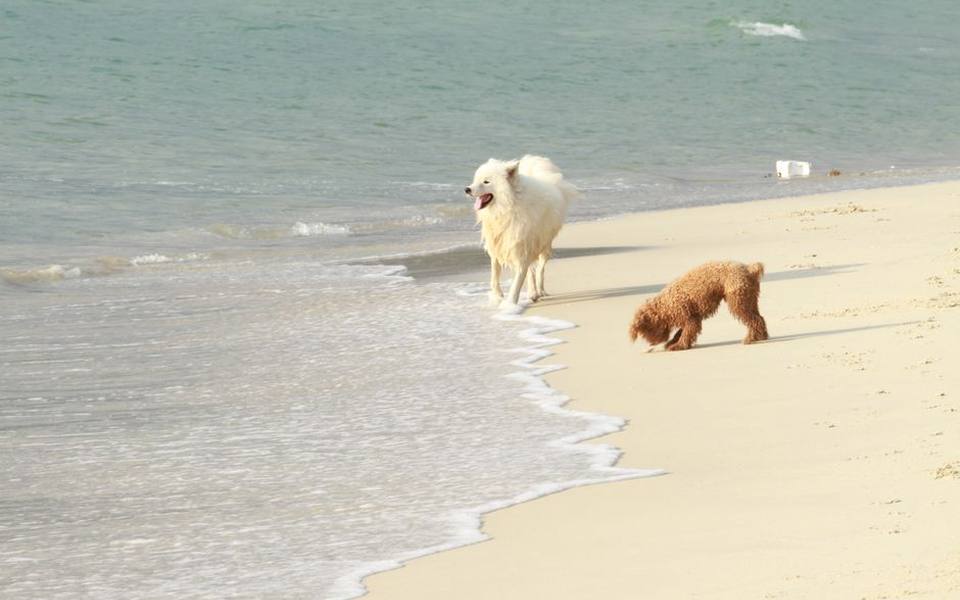
State park lands in the region, such as Cape Henlopen and Delaware Seashore State Park, maintain clear zoning to protect nesting shorebirds while accommodating pets. Dogs are generally welcomed year-round on non-lifeguarded beaches and maritime trails, provided they stay secured on a non-extendable leash no longer than six feet. Keeping off sensitive dune bluffs is strictly enforced to preserve fragile coastal vegetation.
The calm waters of the Delaware Bay contrast with the rolling surf of the open Atlantic, offering ideal swimming spots for older dogs or novice swimmers. After an afternoon on Delaware sands, handlers should utilize rinse stations near park bathhouses to clear grit from paw webbing, and check thoroughly for tiny coastal ticks that inhabit beach grasses bordering access boardwalks.
Navigating the Rocky Coastlines and Coves of Maine
Maine's dramatic coastline features rugged granite ledges, tidal marsh estuaries, and tucked-away sand coves where dogs can experience the North Atlantic. Towns like Kennebunk, South Portland, and Scarborough maintain well-established canine policies across signature sandy areas including Gooch's Beach and Willard Beach. In most coastal Maine towns, dogs are granted off-leash morning and evening privileges during summer, switching to unrestricted access once autumn sets in.
The Atlantic waters off New England remain cold throughout the year, meaning handlers must supervise swim durations to prevent hypothermia or muscle cramping. Strong northern tides dramatically alter the exposed beach area within hours, uncovering broad, hard-packed tidal flats that are fantastic for running but can leave pets stranded on sandbars if owners fail to monitor shifting currents.
Exploring Maine beaches also means sharing natural spaces with maritime wildlife such as harbor seals, nesting terns, and washed-up shellfish. Keeping your pet from approaching resting marine mammals along rocky outcroppings is mandated by federal wildlife protection laws. A strong recall command is indispensable when exploring Maine's coves, ensuring your dog stays clear of sharp barnacles and slippery kelp beds.
Florida Gulf Coast Regulations and Destin Realities
Visiting the emerald waters of the Florida Panhandle with a canine companion requires realistic expectations regarding beach access. In municipal Destin and Okaloosa County, dogs are strictly prohibited from public sandy shores at all times to safeguard public health and protect natural sea turtle nesting zones. Vacationers expecting to stroll the white sands with their pets along the Destin harbor will face strict code enforcement fines.
However, adjacent regions offer nuanced exceptions that travel planners can utilize. Neighboring Walton County permits dogs on beaches, but this privilege is strictly restricted to local property owners who obtain annual county permits, meaning standard short-term tourists cannot walk pets on the sand. Travelers looking for coastal recreation with dogs must instead target regional county bayfront parks and waterfront recreation paths that accommodate leashed pets.
Fortunately, the broader Panhandle hosts excellent inland options, including expansive dog parks featuring shaded oak canopies and freshwater wash racks. When visiting dog parks in Florida, always verify whether grounds offer separate small-dog enclosures, functioning hydration stations, and pest treatment against sand fleas and coastal biting gnats.
Jacksonville and First Coast Park Options
Jacksonville represents one of the largest metropolitan footprints in Florida, providing an extensive network of fenced dog facilities and riverfront greenways. The city's geography, framed by the St. Johns River and the Atlantic Ocean, allows pet parents to choose between expansive multi-acre pastoral enclosures and shoreline walking paths. Facilities scattered across Duval County give active hounds plenty of space to gallop across maintained turf and natural woodland paths.
Several signature parks in the Jacksonville system feature integrated water features, such as dog-accessible lakes or dedicated canine swimming pools that let dogs cool down in humid conditions. Facilities like Dog Wood Park offer multi-acre fenced country settings where dogs swim off-leash in freshwater ponds, providing an ideal alternative to coastal beaches where ocean waves may be too intimidating for smaller breeds.
Because North Florida experiences high heat and humidity for most of the year, Jacksonville park goers should prioritize early morning visits to avoid scorched ground and heat exhaustion. Checking fence lines is particularly important in deep southern parks where heavy rains can create washouts under chain link enclosures, and inspecting your dog for ticks and burrs after visiting wooded paths is highly recommended.
Urban Canine Runs Across Dallas and North Texas
The Dallas-Fort Worth metroplex features some of the best-funded, modern canine urban facilities in the southern United States. Recognizing the dense apartment living of downtown and uptown neighborhoods, city planners have invested heavily in state-of-the-art dog parks that feature commercial antimicrobial turf, decomposed granite agility runs, and automated drinking fountains. These parks serve as central social hubs for thousands of local dog owners daily.
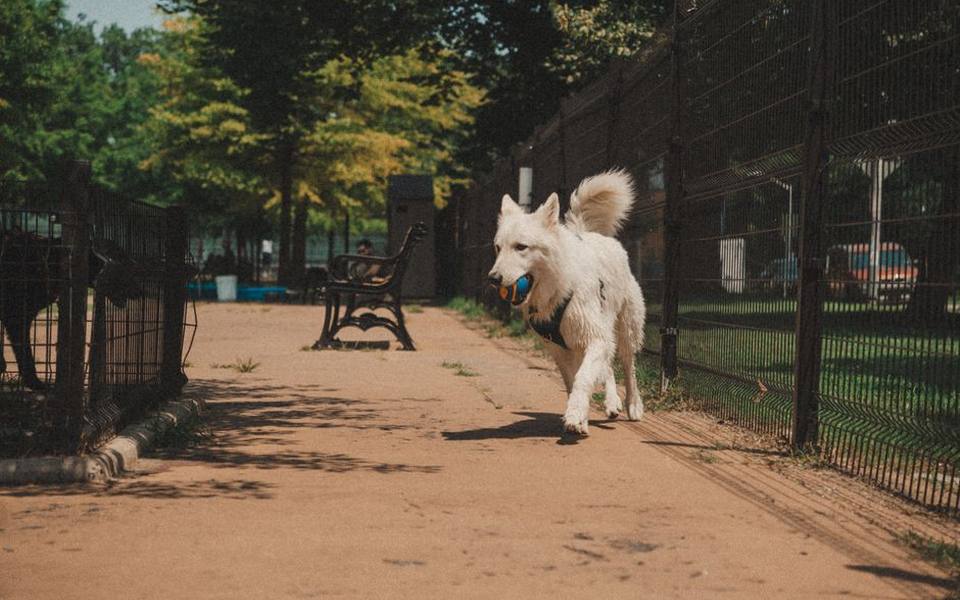
Prominent Dallas venues like White Rock Lake Dog Park and NorthBark Dog Park offer massive multi-acre spaces where dogs have access to open grass, launching docks, and shaded pavilions. Given the intense Texas summer heat, modern facilities throughout Dallas prioritize overhead shade sails, mature tree canopies, and evening floodlighting so owners can exercise their pets safely after the sun dips below the horizon.
If you are exploring dog parks in Texas, pay close attention to ground surface temperatures. Decomposed granite and synthetic turf can absorb immense solar heat during sunny afternoons, reaching temperatures that can blister paw pads within minutes. Visiting during twilight hours or outfitting your companion with breathable protective booties makes warm-weather exercising both pleasant and medically safe.
Beach Safety, Hydration, and Pack Awareness
Whether you are visiting an Atlantic surf beach, a quiet Great Lakes cove, or a busy urban dog run, basic physical safety determines how your outing ends. Running on deep sand exerts tremendous strain on tendons and joints, especially for pets accustomed to flat suburban lawns. Start with brief fifteen-minute play intervals to avoid soft-tissue strains, and provide enforced rest periods in shaded spots so your dog's core temperature remains stable.
Ingesting ocean water is one of the most common medical emergencies encountered at dog-friendly coastlines. Dogs fetching balls in crashing surf inadvertently swallow saltwater, which draws fluid into the intestines and can trigger acute dehydration, vomiting, and sodium toxicity. Carry a generous supply of fresh tap water and a collapsible bowl, offering small sips every ten minutes to deter your pet from lapping ocean waves.
Finally, always monitor pack dynamics whenever unfamiliar dogs congregate in open spaces. Watch for stiffened posture, fixed staring, or resource guarding around communal tennis balls and water bowls. By staying alert, respecting posted local regulations, and packing essential hygiene supplies, you ensure that every coastal excursion or neighborhood park visit remains safe and refreshing for your four-legged companion.
Published 2026-09-20 · reviewed with each rebuild, last September 2026.
Find dog parks near you
The directory lists 2,936 dog parks by state and city — pick your state or use the “Near me” button in the header.
More guides
-
 Owning
How to Find and Choose the Best Off-Leash Dog Parks
-
 Owning
What Is a Dog Run? Materials, Design, and Setup Guide
-
 Safety
Taking Your Dog Swimming: Safe Water Spots, Beach Rules, and Health Risks
-
 Service
How Much Does Dog Boarding Cost? A Clear Guide to Kennel Rates
-
 Owning
Dog Training Costs, Obedience Classes, and Essential Health Guidelines
-
 Owning
What Is a Reactive Dog? Signs, Triggers, and Management Guide
-
 Owning
A Practical Guide to Pet Adoption, Surrender Realities, and Essential Daily Care
-
 Safety
How to Safely Exercise and Run with Your Dog: Essential Gear and Conditioning Tips
-
 Safety
Comprehensive Guide to Dog Flea and Tick Treatments: Oral, Topical, and Natural Solutions
-
 Safety
Kennel Cough in Dogs: Symptoms, Home Remedies, and Prescription Treatments
-
 Owning
A Complete Practical Guide to Dog Beaches: Top Coastal Spots and Beach Safety
-
 Owning
Dog Car Seat Covers and Hammocks: Choosing the Best Vehicle Protection
-
 Owning
Understanding the Canine Heat Cycle: Phases, Physical Symptoms, and Female Care
-
 Owning
Essential Dog Hiking Gear: Backpacks, Hands-Free Leashes, and First Aid Kits
-
 Owning
Dog Agility Courses, Private Park Rentals, and Training Facilities: How to Choose the Right Space
-
 Service
Self-Service Dog Wash Stations: Equipment, Costs, and Practical Guide
-
 Buying
Automatic and Manual Dog Ball Launchers: How to Choose the Right Setup for Your Dog
-
 Safety
Complete Guide to Dog Flea and Tick Medications: Chews, Topicals, and Treatments
-
 Safety
Natural Flea and Tick Remedies for Dogs: Practical Home Solutions and Safe Use
-
 Safety
Safe Flea and Parasite Treatments for Puppies Under 12 Weeks
-
 Owning
Dog Poop Bags, Dispensers, and Leash Gear for Everyday Walks
-
 Owning
Ultimate Guide to Finding and Visiting Dog Parks and Dog-Friendly Beaches
-
 Safety
Dog Flea and Tick Guide: Comparing Chews, Topicals, Shampoos, and Injections
-
 Owning
A Homeowner's Guide to Backyard Dog Runs, Enclosures, and Exercise Treadmills
-
 Owning
A Complete Guide to Hiking, Camping, and Outdoor Adventures With Dogs
-
 Owning
Dog Health Guide: Giardia Symptoms, Canine Coughs, and Female Heat Cycles
-
 Safety
Understanding Dog Reactivity and Resource Guarding: Training Methods, Daily Management, and Gear
-
 Buying
Dog Car Seat Covers, Hammocks, and Travel Gear: A Practical Buyer's Guide
-
 Buying
Choosing the Right Automatic Ball Launcher and Backyard Play Gear for Active Dogs
-
 Owning
Self-Serve Dog Wash Stations, Towels, and Waste Management
-
 Safety
Complete Dog Flea and Tick Prevention Guide: Chews, Topicals, and Treatments
-
 Safety
Essential Outdoor Dog Gear: Harnesses, Life Vests, Hot Pavement Boots, and Bags
-
 Safety
Dog Park Safety Guide: Rules, Aggression, First Aid, and Kennel Cough Symptoms
-
 Safety
Comprehensive Guide to Dog and Cat Flea, Tick, and Heartworm Medications
-
 Owning
Designing Home Dog Runs, Agility Courses, and Backyard Play Equipment
-
 Owning
Choosing the Best Car Seat Covers, Hammocks, and Backseat Protectors for Dogs
-
 Buying
Dog Ball Launchers and Automatic Throwers: Selection, Sizing, and Field Guide
-
 Safety
Dog-Safe Yard Care: Pet-Friendly Lawn Fertilizers and Pest Sprays
-
 Owning
Dog Heat Cycles: Symptoms, Duration, and Care During Estrus